Research & Developments is a blog for brief updates that provide context for the flurry of news that impacts science and scientists today.
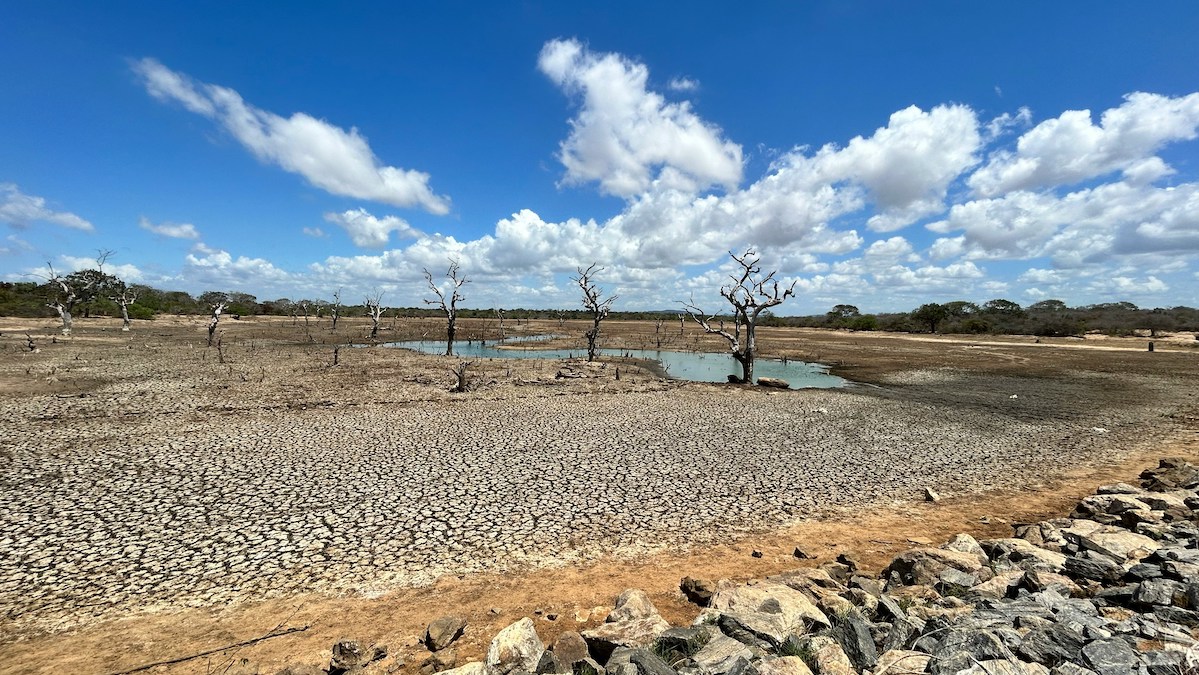
Humanity has overspent and depleted freshwater in the world’s aquifers, glaciers, wetlands, and other natural reservoirs to an irreversible degree, according to a new United Nations report.
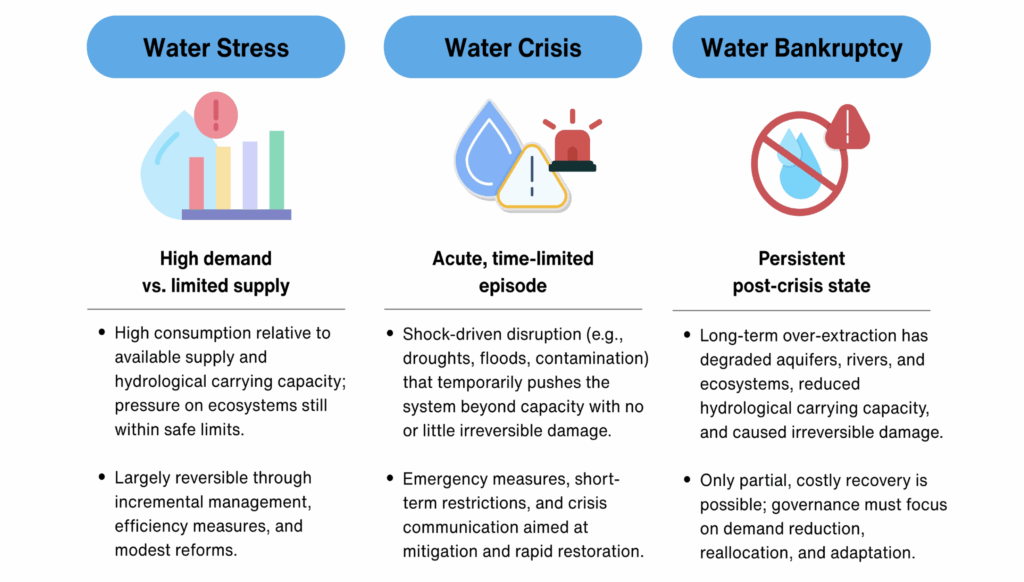
The report, published by United Nations University’s Institute for Water, Environment and Health, argues that “water bankruptcy” is the only appropriate way to describe the reality of Earth’s water resources.
The authors define water bankruptcy as a state of irreversible damage to human-water systems in which long-term water use has exceeded renewable inflows and safe depletion limits. “Water crisis,” which indicates a reversible condition, is no longer an accurate description of the world’s water situation, they write: “What appears on the surface as a crisis is, in fact, a new baseline.”
“Many critical water systems are already bankrupt,” lead author Kaveh Madani, director of UNU-INWEH, said in a statement.“Enough critical systems around the world have crossed these thresholds. These systems are interconnected through trade, migration, climate feedbacks, and geopolitical dependencies, so the global risk landscape is now fundamentally altered.”
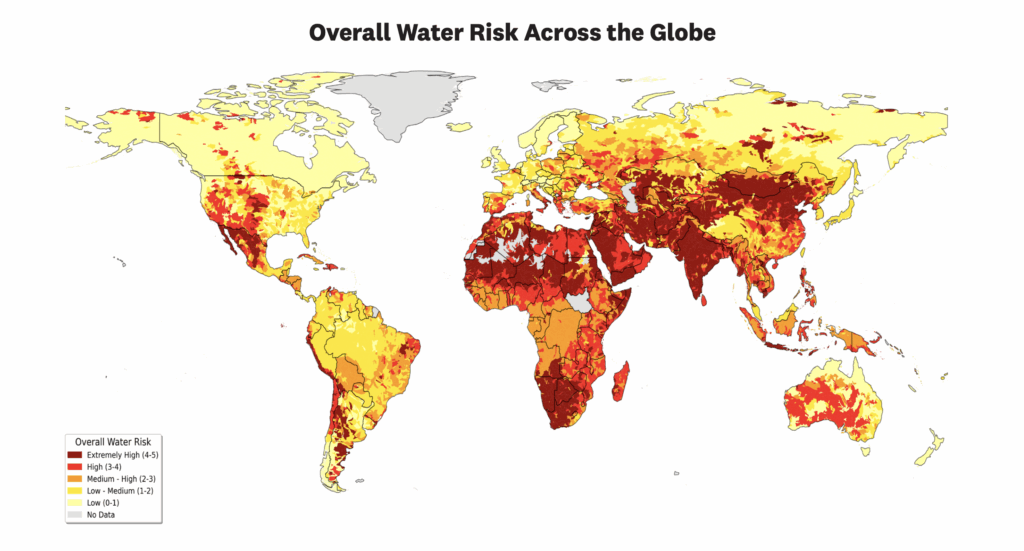
This water bankruptcy is particularly evident in the Middle East and North Africa, where climate vulnerability, decreasing agricultural productivity, and sand and dust storms also threaten livelihoods and economies, the report states.
Widespread groundwater depletion, water overallocation, land and soil degradation, deforestation, and pollution are all contributing to depleted freshwater stores. Climate change has exacerbated these issues by worsening droughts and upending typical weather patterns.
The authors write that 70% of major aquifers worldwide are showing long-term decline, 75% of humanity lives in a water-insecure or critically water-insecure country, and 4 billion people face severe water scarcity for at least one month each year.
“Millions of farmers are trying to grow more food from shrinking, polluted, or disappearing water sources,” Madani said. “Without rapid transitions toward water-smart agriculture, water bankruptcy will spread rapidly.”
Though water bankruptcy is irreversible, the report spells out possible ways to mitigate the crisis and protect against worsening water deficits, including implementing better wetland protections, reforming irrigation practices, and rebalancing water rights and expectations to match the degraded capacity of the world’s aquifers.
The report is intended to inform discussions at the 2026 UN Water Conference in the United Arab Emirates in December.
—Grace van Deelen (@gvd.bsky.social), Staff Writer
These updates are made possible through information from the scientific community. Do you have a story about science or scientists? Send us a tip at [email protected].