

An empirical study of water allocation and planning in five states concludes that they lack a statewide strategy to manage the impacts of climate change on water resources.
Research Spotlights
Research spotlights are plain-language summaries of recent articles published in AGU’s suite of 24 journals.

Posted inResearch Spotlights
Volcanic Lightning Could Aid Hazard Response During Eruptions

Lightning and ash plume dynamics reflected eruption behavior and signaled the onset of fast-moving rock and gas flows during the 2015 eruption of Chile's Calbuco volcano.
Posted inResearch Spotlights
Improving the Identification of Extreme Precipitation Trends in the U.S.
By greatly reducing the associated uncertainty, a new model is better able to discern statistically significant trends, offering the potential to improve the seasonal forecasting of rare events.
Posted inResearch Spotlights
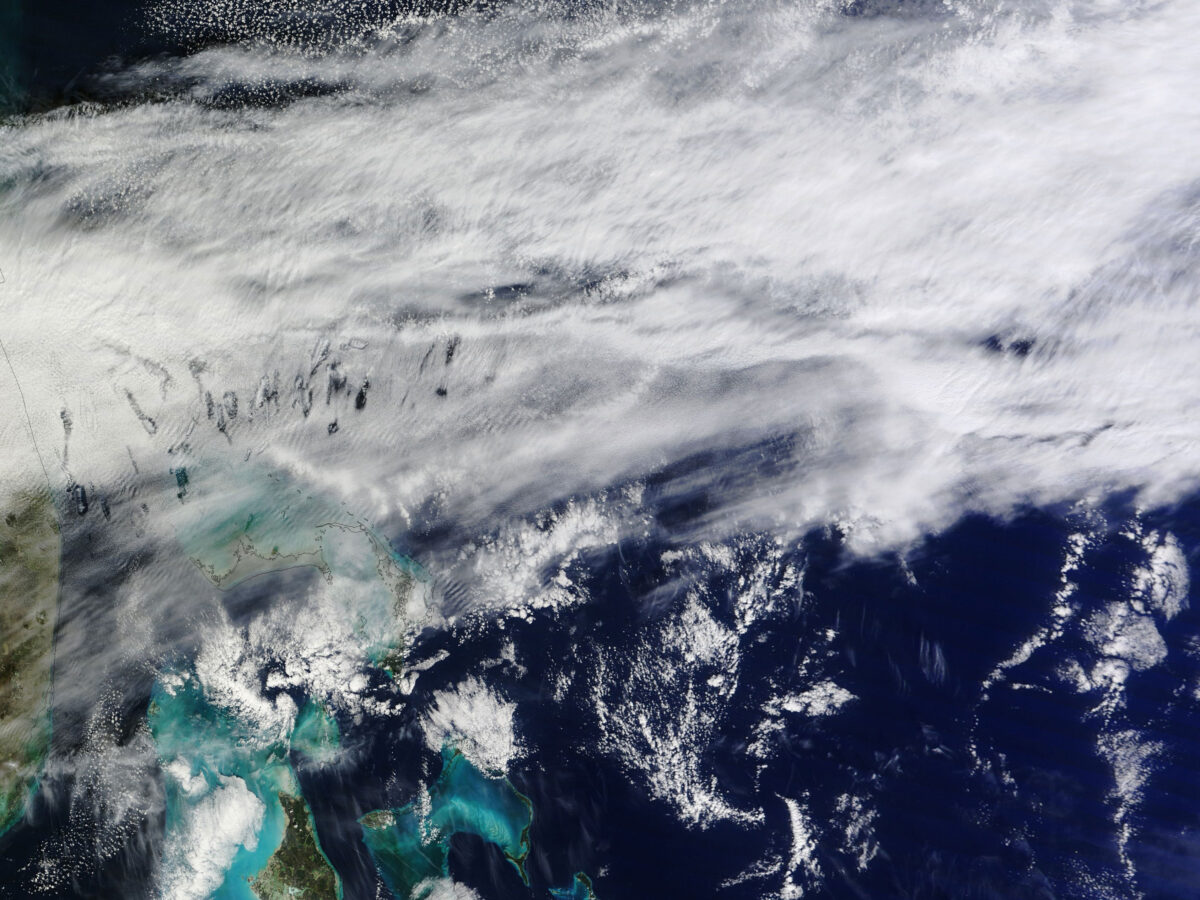
Modeling the Effects of Clouds on Climate
New research investigates how mixed-phase cloud partitioning and cloud cover compensate each other in GCMs.
Posted inResearch Spotlights
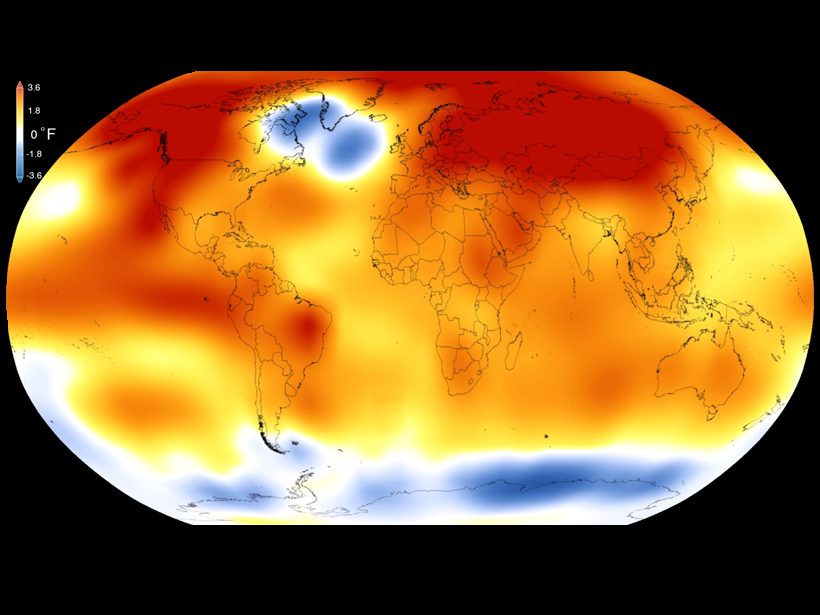
Researchers Attribute Human Influence on Climate Back to 1930s

A new study finds that humans likely have triggered the last 16 record-breaking hot years on Earth, up to 2014.
Posted inResearch Spotlights
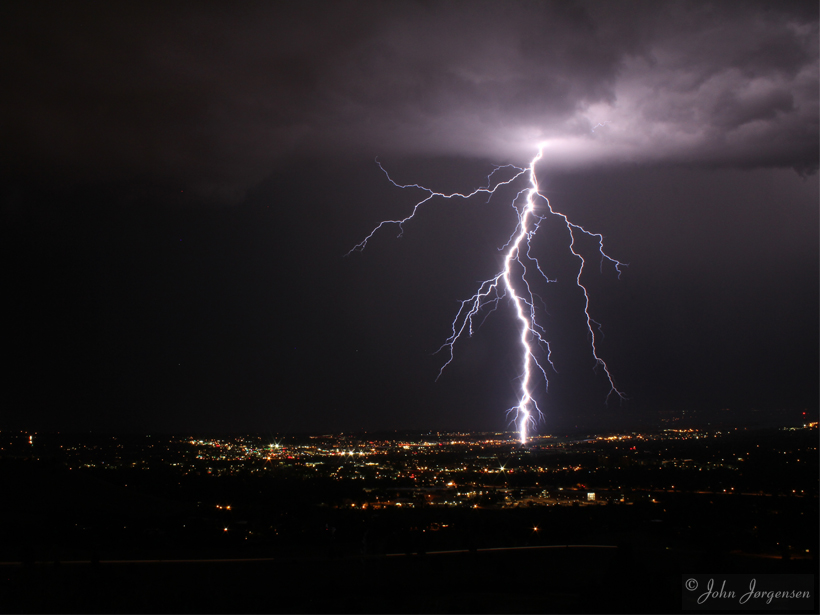
Considering Atmospheric Electricity in Climate Models

Researchers create a new model of the electric currents circulating throughout the atmosphere that will improve the accuracy of global climate models.
Posted inResearch Spotlights
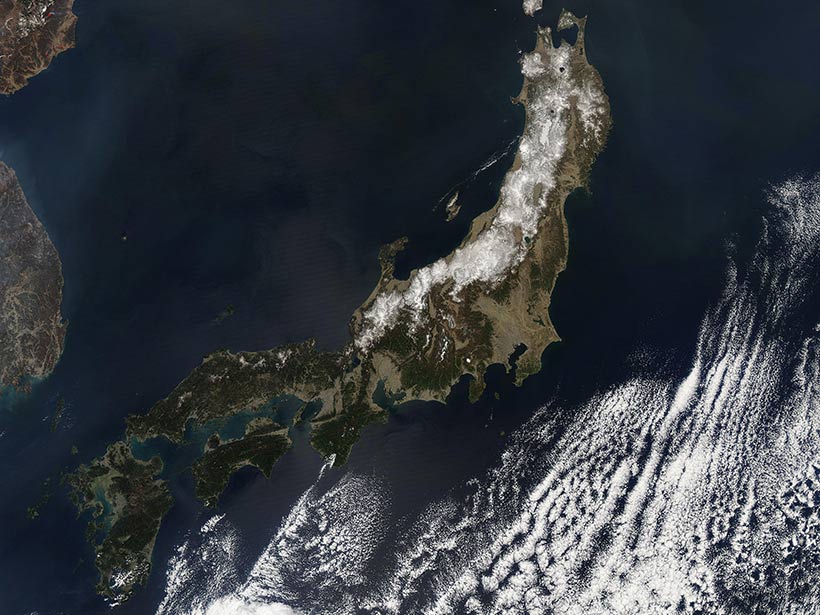
Earthquakes May Prevent Underwater Landslides
Smaller quakes around the active edge of continental plates may contribute to increased stability by promoting compaction and solidifying the top 100 meters of seafloor sediment.
Posted inResearch Spotlights
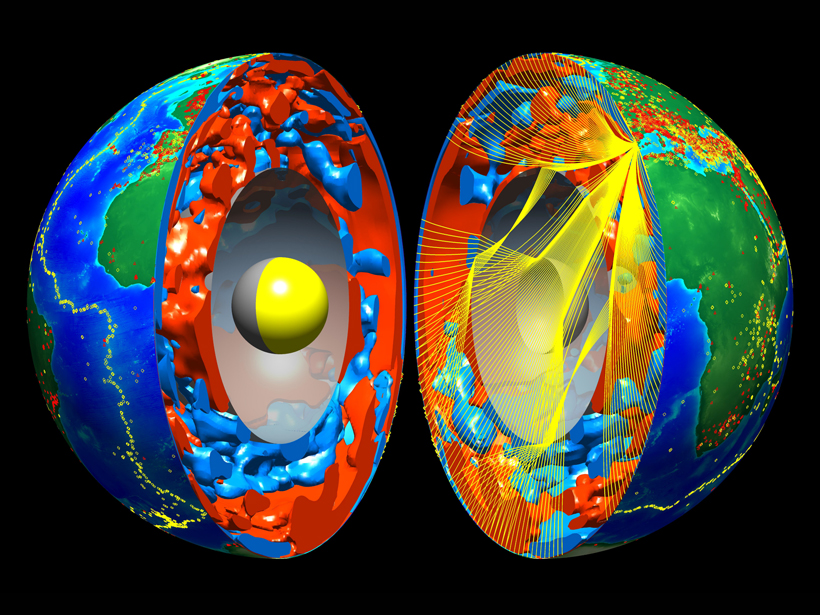
Massive Ancient Tectonic Slab Found Below the Indian Ocean

Scientists discover a surprisingly positioned tectonic plate, buried below the southern Indian Ocean, that spans the entire mantle.
Posted inResearch Spotlights
Drifting Floats Reveal Nitrate Patterns in Mediterranean Sea
Next-generation autonomous platforms allow scientists to understand physical mechanisms that control nitrate availability in the Mediterranean surface water.
Posted inResearch Spotlights
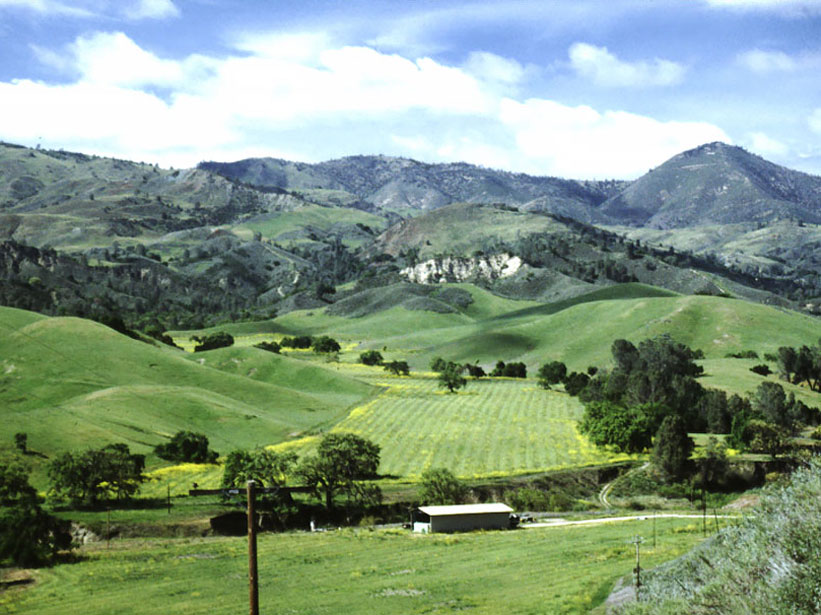
Hitting the Slopes
Researchers investigate whether rain droplets alone can cause enough erosion to impact the shapes of hills.