

NASA's latest mission to Mars has uncovered the origins of fast-moving streams of particles high above the planet, flowing against the solar wind.
Research Spotlights
Research spotlights are plain-language summaries of recent articles published in AGU’s suite of 24 journals.
Posted inResearch Spotlights
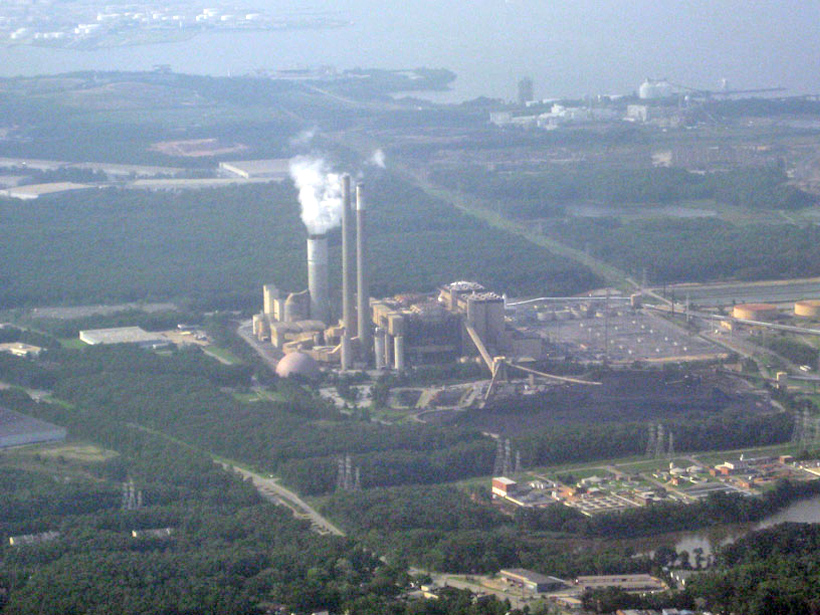
Evaluating the Impact of Maryland's Healthy Air Act

Reducing emissions of short-lived gaseous sulfur pollutants from power plants had an immediate, local benefit, but controlling longer-lasting harmful particulate matter will require regional action.
Posted inResearch Spotlights
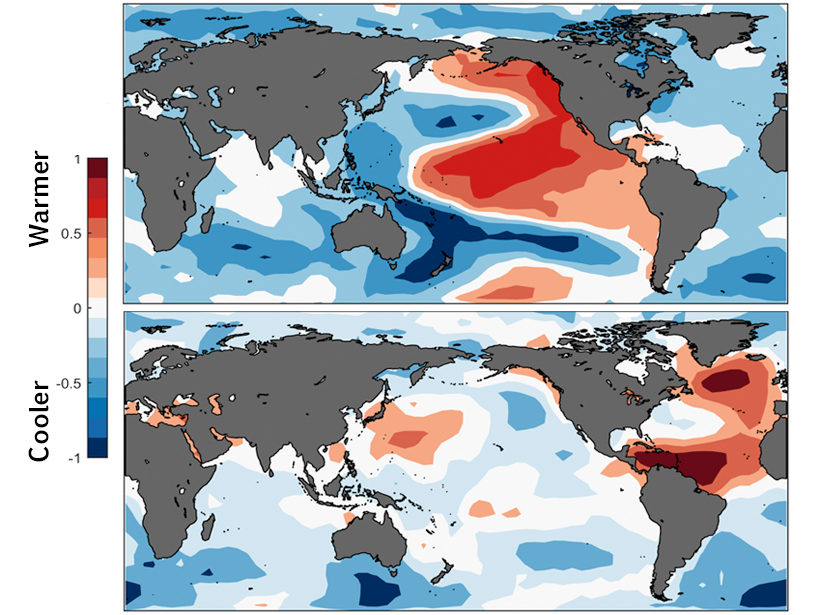
Was the Recent Slowdown in Surface Warming Predictable?
The temporary deceleration in warming across the Northern Hemisphere earlier this century could not have been foreseen by statistical forecasting methods, a new study concludes.

Posted inResearch Spotlights
Reconstructing the Ocean's Murky Past

Scientists test whether sparse, indirect data can reveal ancient ocean chemistry and circulation patterns.
Posted inResearch Spotlights
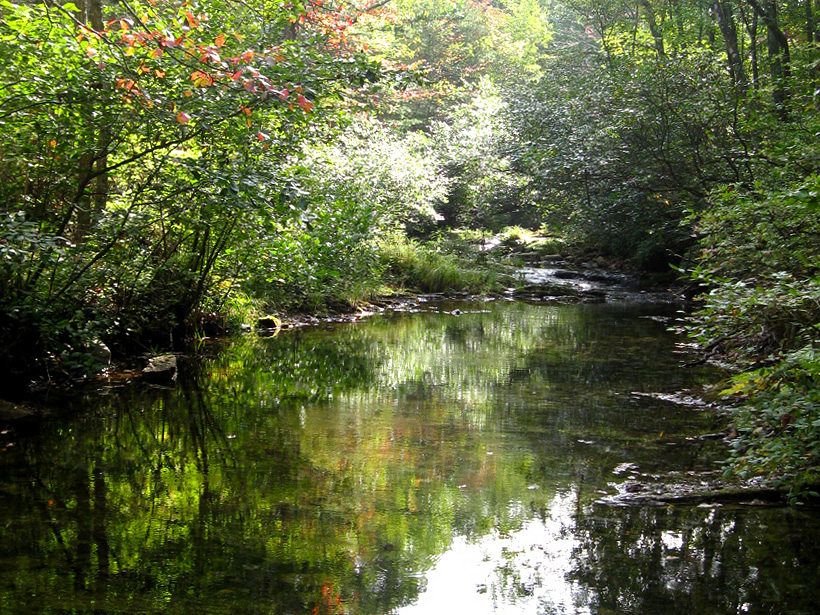
How Much Dissolved Mercury Is Present in Streams?
The results of a new study suggest that an improved understanding of the processes mobilizing mercury in soils will be necessary to predict water quality impacts.
Posted inResearch Spotlights
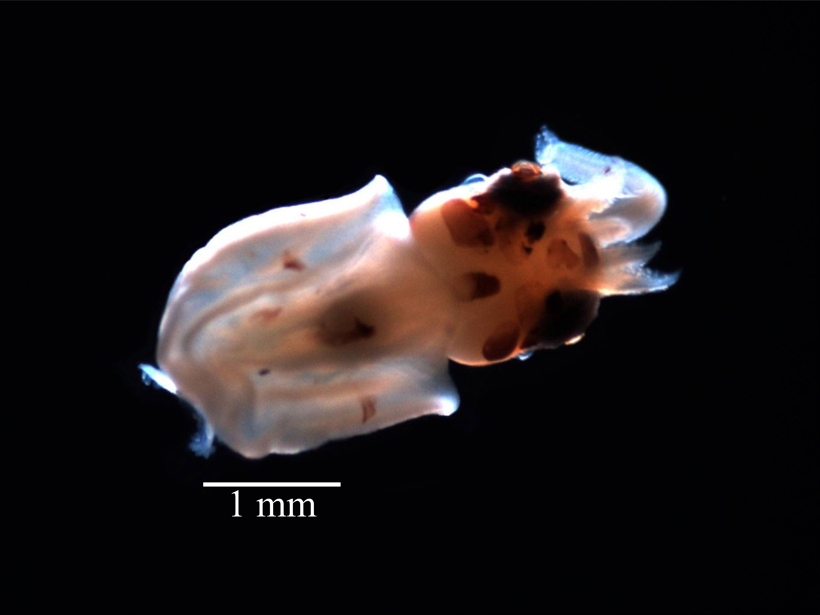
Understanding the Distribution of Juvenile Jumbo Squid
An expanding zone of shallow, oxygen-depleted water in the eastern tropical Pacific Ocean may be vertically restricting the habitat of this important source of food, according to a recent study.

Posted inResearch Spotlights
Tropical Rainfall Intensifies While the Doldrums Narrow
Scientists show long-term changes in the Intertropical Convergence Zone's location, extent, and rainfall intensity.

Posted inResearch Spotlights
Martian Carbonates Spotted by the Orbiter

The minerals identified by the Mars Reconnaissance Orbiter provide more evidence that the planet may have once been habitable.
Posted inResearch Spotlights
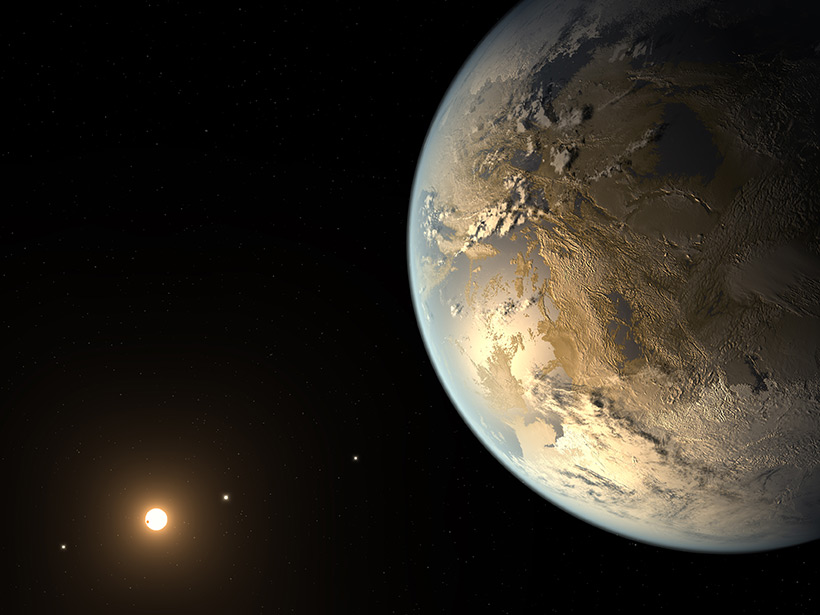
Becoming Habitable in the Habitable Zone
Scientists explore how interactions between a rocky planet's climate, mantle, and core can affect its evolution and determine whether it could sustain life.

Posted inResearch Spotlights
When Rivers and Tides Collide
Scientists review several decades of research on the complex freshwater reach where fluvial and tidal forces meet.