
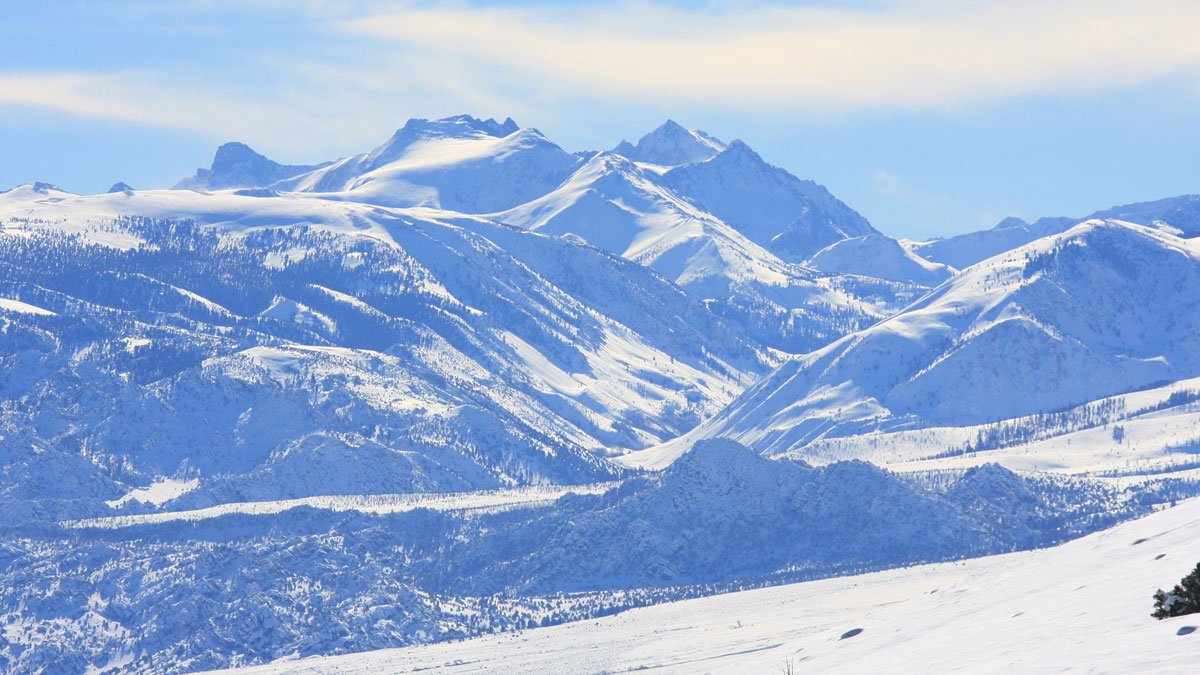

Decisions about water use will have to reflect changing trends in the local hydroclimate.
Research Spotlights
Research spotlights are plain-language summaries of recent articles published in AGU’s suite of 24 journals.

Posted inResearch Spotlights
A Step Toward Making GPS More Resilient to Space Weather

Researchers have developed a new mathematical model to more accurately capture how irregularities in Earth’s atmosphere interrupt signals from Global Navigation Satellite Systems.

Posted inENGAGE, Research Spotlights
Pyrenees Glaciers Are Rapidly Disappearing

Three of the remaining glaciers in the Pyrenees mountain range stopped flowing in the past decade.
Posted inResearch Spotlights
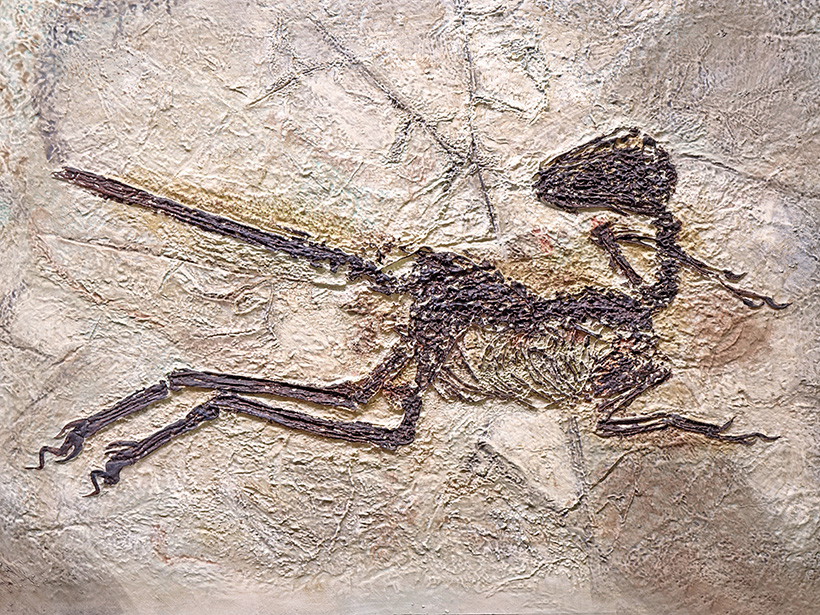
Cool Oasis for Cretaceous Feathered Dinosaurs
A new study found that the Jehol Biota had chilly temperatures and high altitudes when feathered dinosaurs roamed the slopes.

Posted inResearch Spotlights
Long-Term Sea Level Cycle Affects Predictions of Future Rise
New research confirms the existence of a regular, long-term fluctuation in sea level, perhaps caused by processes in Earth’s core.

Posted inResearch Spotlights
Earthly Lava Tubes May Offer Insights into Extraterrestrial Life

New research finds that Actinobacteria in lava caves fix carbon and survive independent of surface inputs, offering a fresh perspective in the search for life beyond Earth.
Posted inResearch Spotlights
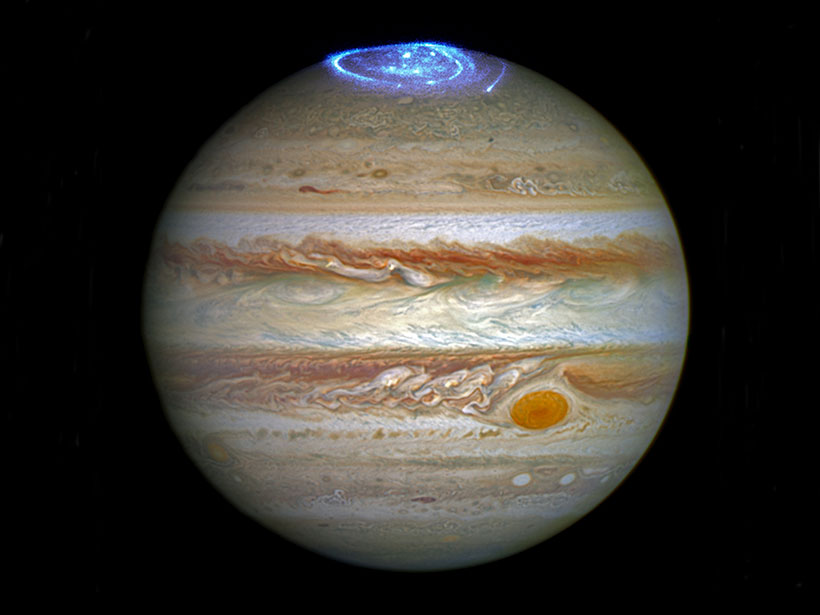
Could Low-Altitude Reconnection Power Jupiter’s Polar Aurorae?
Magnetic reconnection events less than 2 Jovian radii above the planet’s cloud tops could explain why Juno has yet to observe a source for Jupiter’s polar aurore.

Posted inResearch Spotlights
Minimal Evidence of Permafrost Carbon in Siberia’s Kolyma River

New research finds that Arctic rivers currently transport limited permafrost-derived dissolved organic carbon, which has implications for understanding the region’s changing carbon cycle—and its potential to accelerate climate change.
Posted inResearch Spotlights
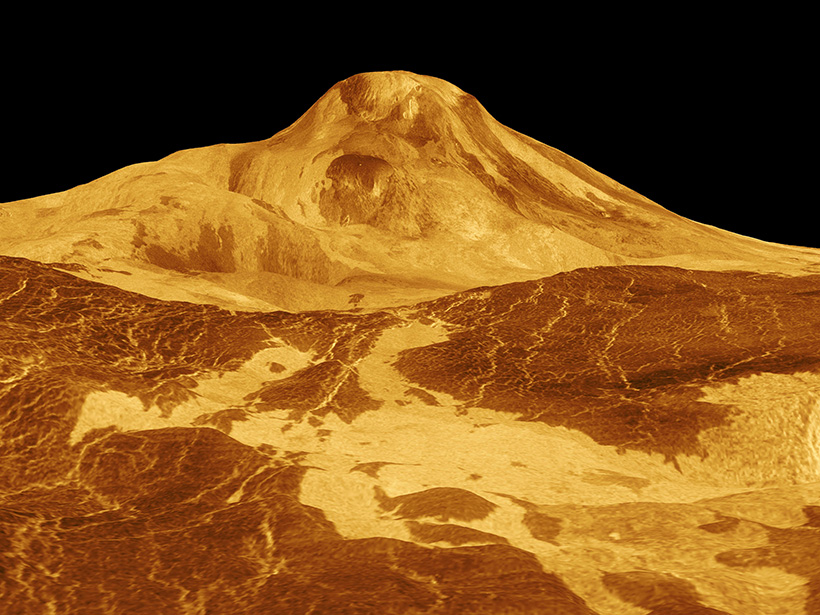
Is Venus Volcanically Active? New Approach Could Provide an Answer
A strategy that combines geologic mapping with data on how the planet’s surface emits and absorbs microwave radiation could potentially identify recent lava flows.
Posted inResearch Spotlights
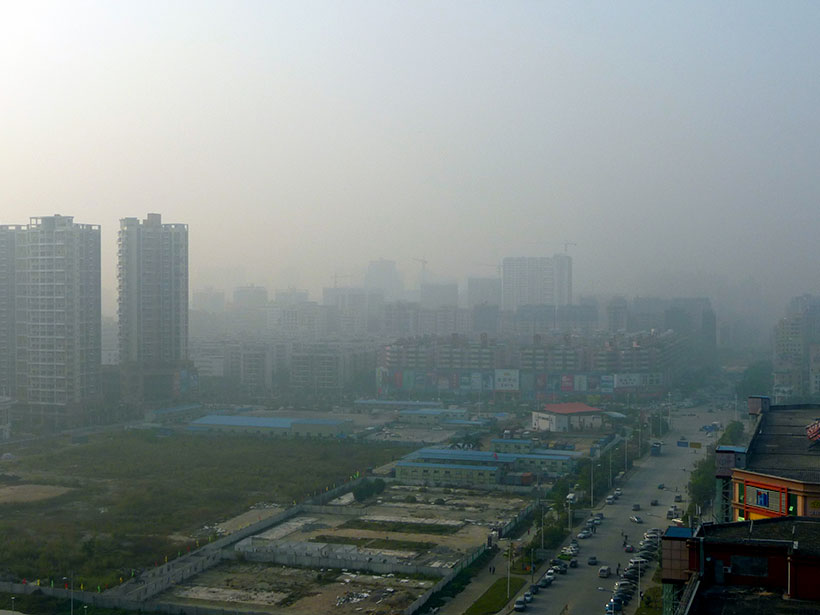
Los beneficios para la salud y el clima de reducir la contaminación del aire

En un nuevo estudio, investigadores aplicaron un modelo global del sistema Tierra para estimar los impactos de las reducciones de emisiones por sector.