• About
  • Sections
  • Topics
    • Climate
    • Earth Science
    • Oceans
    • Space & Planets
    • Health & Ecosystems
    • Culture & Policy
    • Education & Careers
    • Opinions
  • Projects
    • ENGAGE
    • Editors’ Highlights
    • Editors’ Vox
    • Eos en Español
    • Eos 简体中文版
    • Print Archive
  • Science Policy Tracker
  • Blogs
    • Research & Developments
    • The Landslide Blog
  • Newsletter
  • Submit to Eos
  • AGU.org
  • Career Center
  • Join AGU
  • Give to AGU
  • About
  • Sections
  • Topics
    • Climate
    • Earth Science
    • Oceans
    • Space & Planets
    • Health & Ecosystems
    • Culture & Policy
    • Education & Careers
    • Opinions
  • Projects
    • ENGAGE
    • Editors’ Highlights
    • Editors’ Vox
    • Eos en Español
    • Eos 简体中文版
    • Print Archive
  • Science Policy Tracker
  • Blogs
    • Research & Developments
    • The Landslide Blog
  • Newsletter
  • Submit to Eos
Skip to content
  • AGU.org
  • Career Center
  • Join AGU
  • Give to AGU
Eos

Eos

Science News by AGU

Support Eos
Sign Up for Newsletter
  • About
  • Sections
  • Topics
    • Climate
    • Earth Science
    • Oceans
    • Space & Planets
    • Health & Ecosystems
    • Culture & Policy
    • Education & Careers
    • Opinions
  • Projects
    • ENGAGE
    • Editors’ Highlights
    • Editors’ Vox
    • Eos en Español
    • Eos 简体中文版
    • Print Archive
  • Science Policy Tracker
  • Blogs
    • Research & Developments
    • The Landslide Blog
  • Newsletter
  • Submit to Eos

Brazil

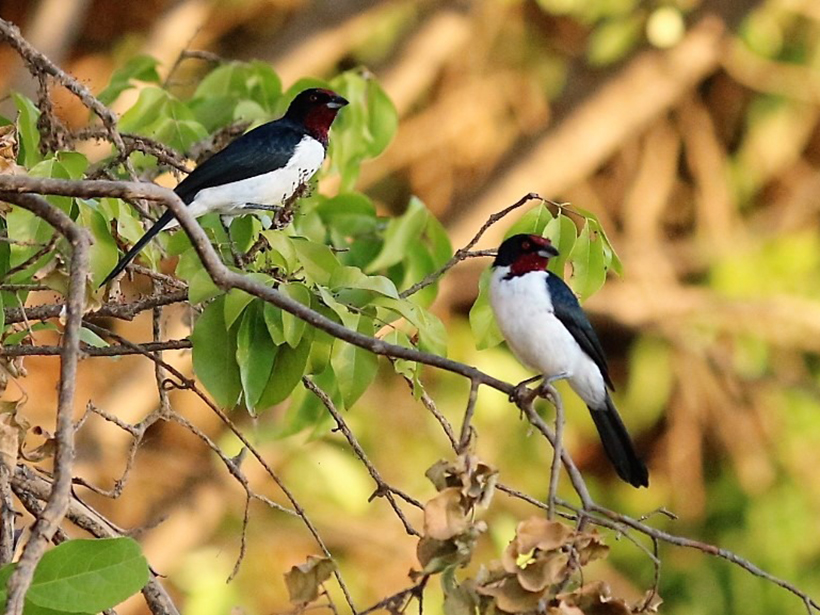
Two crimson-fronted cardinals perch on a leafy branch.
Posted inNews

Birds Are Getting Caged In at Brazil’s Savanna

by Meghie Rodrigues 11 August 202021 December 2023

Deforestation and climate change threaten life in the Cerrado. A new study shows how few places there are left to go.
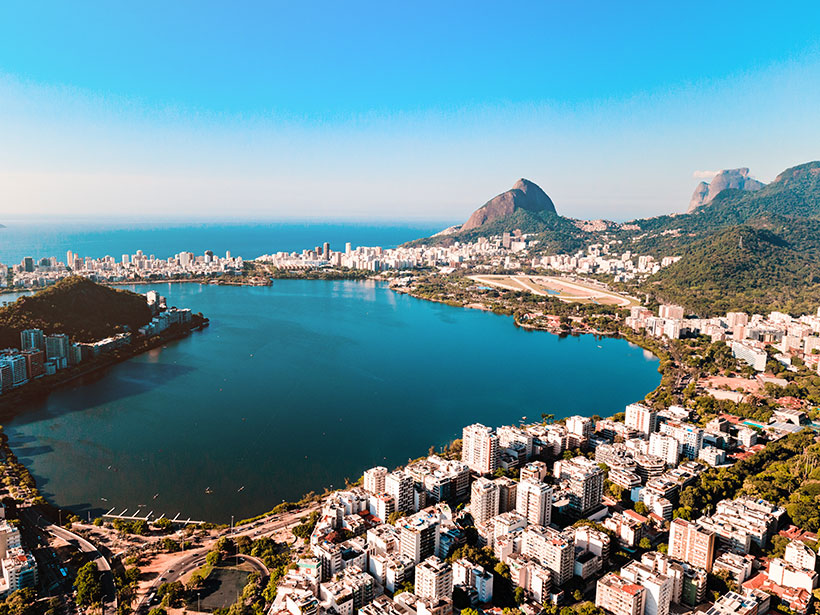
Rodrigo de Freitas Lagoon
Posted inScience Updates

Earth Observations Inform Cities’ Operations and Planning

by M. M. Hurwitz, C. Braneon, D. B. Kirschbaum, F. Mandarino and R. Mansour 16 July 202031 March 2023

Rio de Janeiro, Brazil, and Chicago, Ill., are using NASA Earth observations to map, monitor, and forecast water and air quality, urban heat island effects, landslide risks, and more.
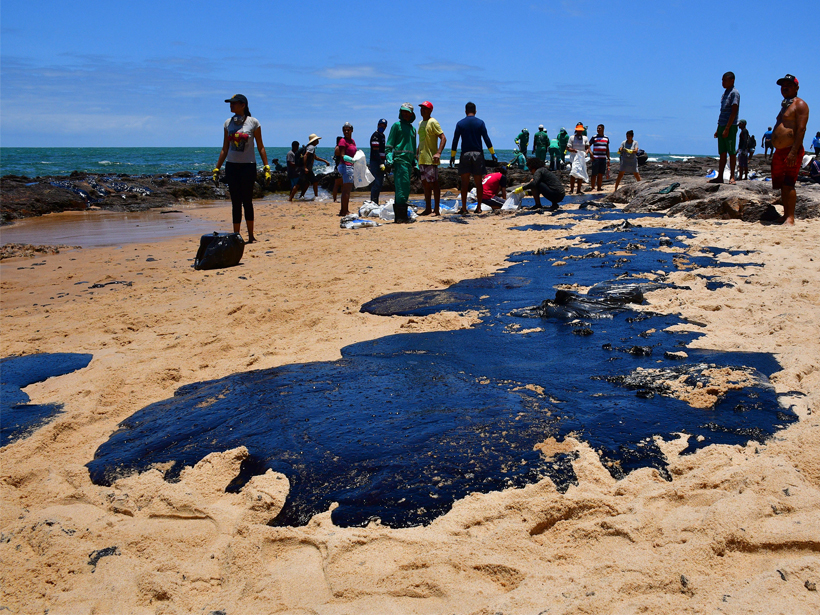
A puddle of oil lays on sand on a beach
Posted inNews

Brazil’s Oil Spill Is a Mystery, so Scientists Try Oil Forensics

Jenessa Duncombe, Staff Writer by Jenessa Duncombe 24 October 201930 January 2024

Thousands of barrels of oil have been tarring Brazil’s beaches since September, and no one knows why. An oil spill scientist is running oil forensics to find out.

Aerial photo of a thick rain forest being logged
Posted inNews

Ousted Head of Science Agency Criticizes Brazil’s Denial of Deforestation Data

by Randy Showstack 20 August 20196 December 2021

Ricardo Galvão was fired from the institute that monitors deforestation in the Amazon. Now he and other scientists are speaking out against attacks on science.

The TROCAS team studied what happens to organic matter as it travels along the Amazon River.
Posted inScience Updates

The Amazon River’s Ecosystem: Where Land Meets the Sea

by N. D. Ward, H. O. Sawakuchi and J. E. Richey 18 January 201831 March 2023

What happens to plant matter on its journey down the Amazon River to the Atlantic Ocean? One research group investigated the region where river and ocean meet to fill in this part of the story.

Posted inResearch Spotlights

Can the North Brazil Current Help Us Understand Atlantic Water Flow?

by David Shultz 24 December 20152 July 2024

Currents off the coast of northern Brazil can be used to study changes in the larger oceanic circulation pattern in the Atlantic, when variable winds in the regions are properly accounted for.

Posted inResearch Spotlights

Could Amazonian Deforestation Increase Cloudiness and Rain?

by S. Palus 4 May 201529 April 2022

In trading trees for pastures, patchwork differences in vegetation heights increase cloudiness in downwind regions.

Posts pagination

Newer posts 1 … 4 5 6
A view of a bridge, with the New Orleans skyline visible in the distance between the bridge and the water. A purple tint, a teal curved line representing a river, and the text “#AGU25 coverage from Eos” overlie the photo.

Features from AGU Publications

Research Spotlights

Watershed Sustainability Project Centers Place-Based Research

4 December 20254 December 2025
Editors' Highlights

Changes in Slab Dip Cause Rapid Changes in Plate Motion

4 December 20252 December 2025
Editors' Vox

Hydrothermal Circulation and Its Impact on the Earth System

3 December 20253 December 2025
Eos logo at left; AGU logo at right

About Eos
ENGAGE
Awards
Contact

Advertise
Submit
Career Center
Sitemap

© 2025 American Geophysical Union. All rights reserved Powered by Newspack