
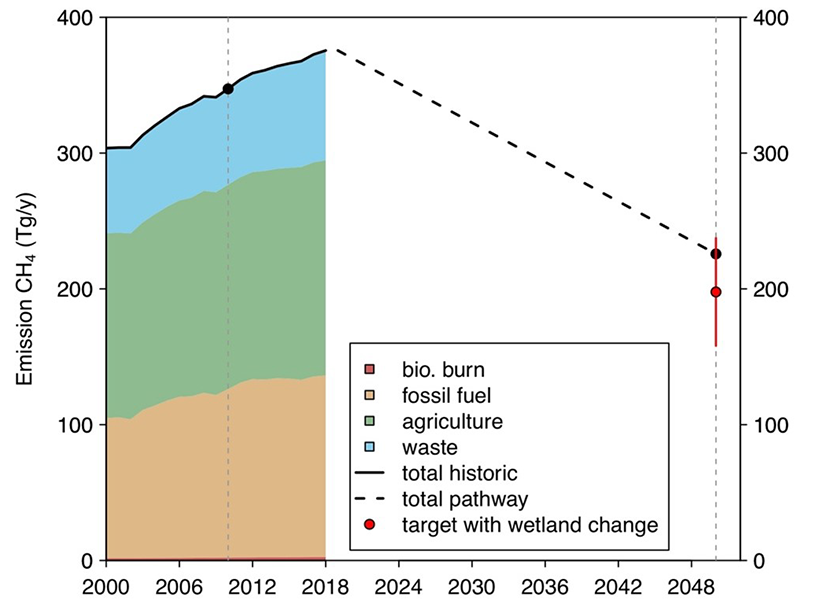

An innovative integration of models and satellite observations indicates weak temperature sensitivity of CH4 emissions from tropical wetlands, but temperature sensitivity is high at higher latitudes.
AGU Advances

Posted inEditors' Highlights
Subduction Zone Earthquakes: Fast and Slow, Weak and Strong
What causes slow earthquakes in subduction zones? New insights from numerical models suggest that a mixture of strong and weak rocks might be the cause.
Posted inEditors' Highlights
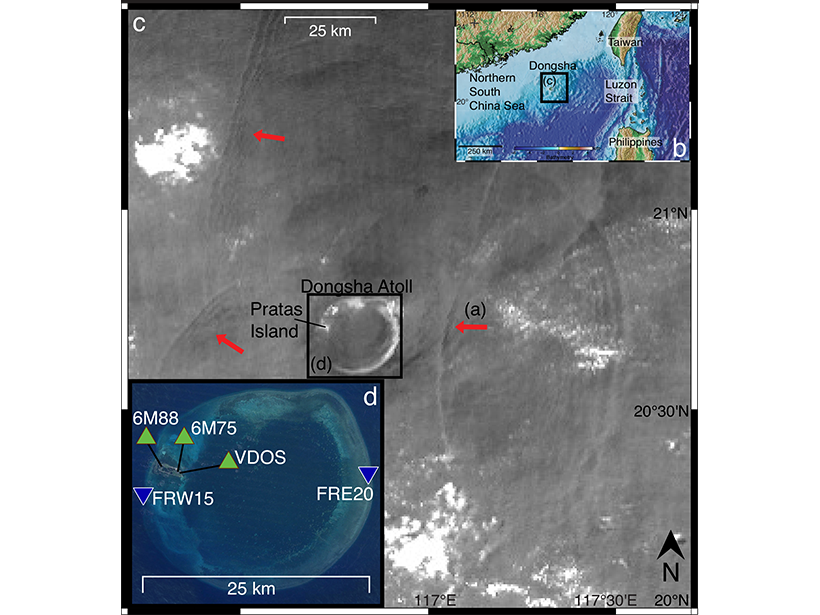
Atoll Seismometer Detection of Solitary Ocean Waves
Seismic recordings from the South China Sea indicate that subtle, daily tilting of shorelines due to passing internal ocean waves can be measured on land, promising new constraints on ocean dynamics.

Posted inEditors' Highlights
Magnetic Record of Early Nebular Dynamics
Magnetized particles in a meteorite suggest strong magnetic fields in the early solar nebula.
Posted inEditors' Highlights
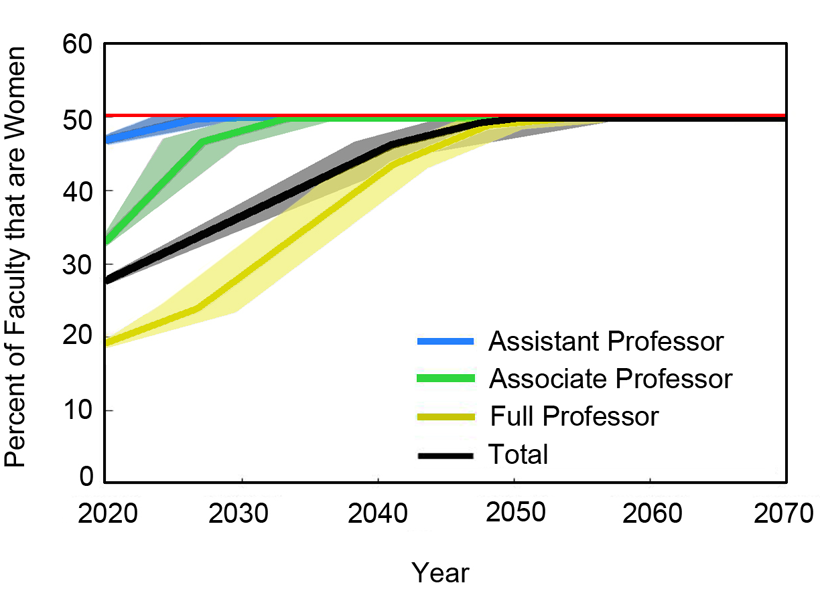
Steady but Slow Progress on the Long Road Towards Gender Parity
The historic disproportionate attrition of women among geoscience faculty is decreasing, but how long will it take to reach gender parity if current trends of progress continue?
Posted inEditors' Highlights
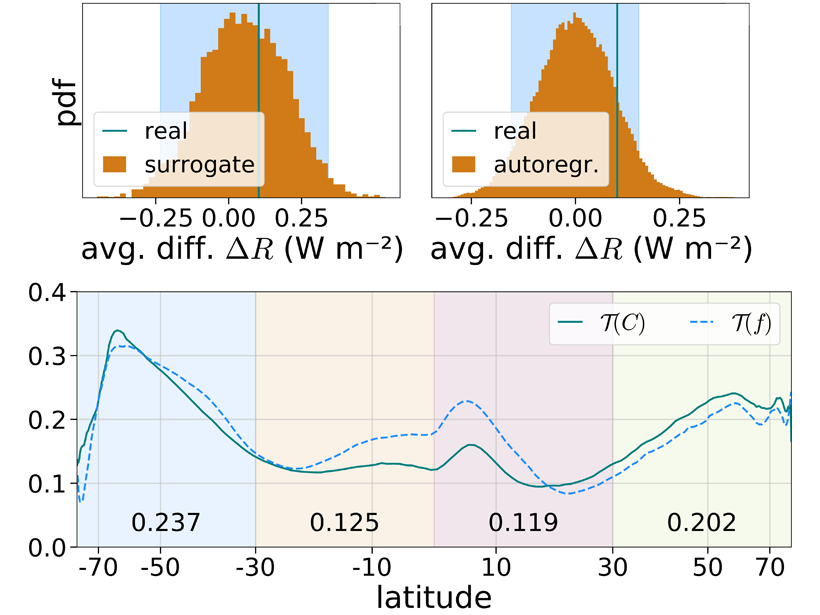
Is Earth’s Albedo Symmetric Between the Hemispheres?
The two hemispheres feature the same planetary albedo despite a larger land fraction in the north, because storms over the southern ocean are cloudier than their northern counterparts.
Posted inEditors' Highlights
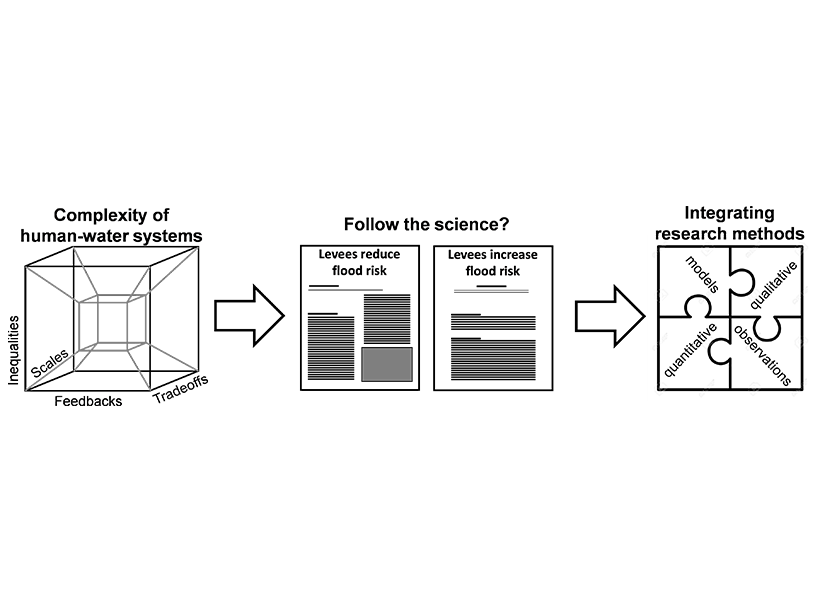
Need for Rational Thinking for Predicting Floods and Droughts
To plan policies that manage flood and drought risk, is it sufficient to follow the science? The better path uses the best science, which draws insight from integrated multidisciplinary research.
Posted inEditors' Highlights
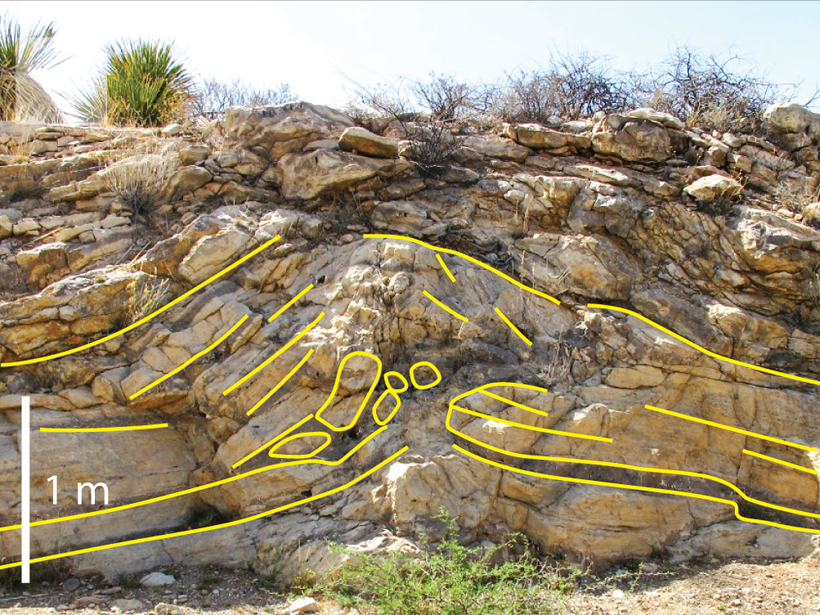
Sedimentary Tepees Record Ocean Chemistry
Sedimentary structures from evaporative coastal environments indicate carbonate saturation, offer insight in mid-Mesozoic ocean chemistry and potentially even earlier times.
Posted inEditors' Highlights
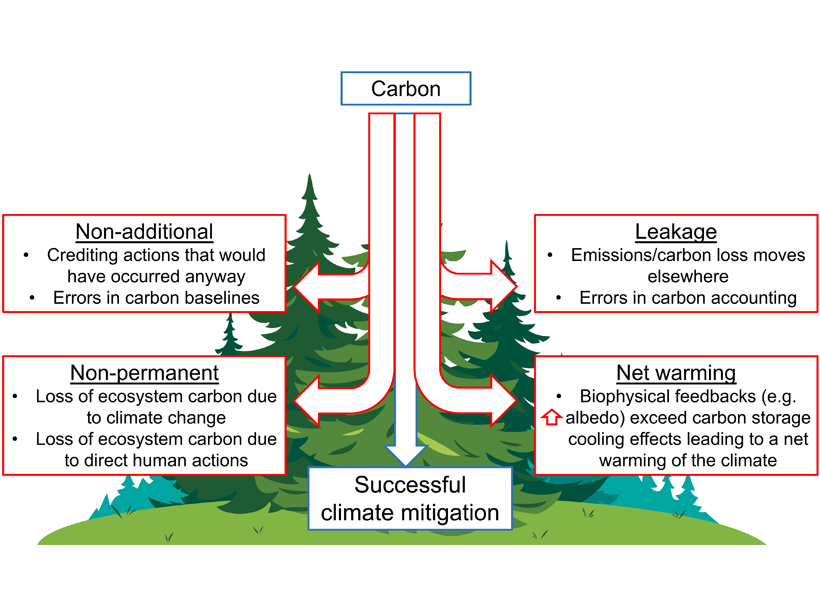
Permanence of Nature-Based Climate Solutions at Risk
Conserving native ecosystems helps sequester carbon and mitigate climate change, but new statistical modeling questions the permanence of California’s carbon-rich forests with climate change.

Posted inEditors' Highlights
The Highs and the Lows of Megathrust Earthquakes
Why does low-frequency energy come from the shallow part of ruptures, and the high frequencies from deep?