• About
  • Special Reports
  • Topics
    • Climate
    • Earth Science
    • Oceans
    • Space & Planets
    • Health & Ecosystems
    • Culture & Policy
    • Education & Careers
    • Opinions
  • Projects
    • Postcards From the Field
    • ENGAGE
    • Editors’ Highlights
    • Editors’ Vox
    • Eos en Español
    • Eos 简体中文版
    • Print Archive: 2015–2025
  • Policy Tracker
  • Blogs
    • Research & Developments
    • The Landslide Blog
  • Newsletter
  • Submit to Eos
  • AGU.org
  • Career Center
  • Join AGU
  • Give to AGU
  • About
  • Special Reports
  • Topics
    • Climate
    • Earth Science
    • Oceans
    • Space & Planets
    • Health & Ecosystems
    • Culture & Policy
    • Education & Careers
    • Opinions
  • Projects
    • Postcards From the Field
    • ENGAGE
    • Editors’ Highlights
    • Editors’ Vox
    • Eos en Español
    • Eos 简体中文版
    • Print Archive: 2015–2025
  • Policy Tracker
  • Blogs
    • Research & Developments
    • The Landslide Blog
  • Newsletter
  • Submit to Eos
Skip to content
  • AGU.org
  • Career Center
  • Join AGU
  • Give to AGU
Eos

Eos

Science News by AGU

Support Eos
Sign Up for Newsletter
  • About
  • Special Reports
  • Topics
    • Climate
    • Earth Science
    • Oceans
    • Space & Planets
    • Health & Ecosystems
    • Culture & Policy
    • Education & Careers
    • Opinions
  • Projects
    • Postcards From the Field
    • ENGAGE
    • Editors’ Highlights
    • Editors’ Vox
    • Eos en Español
    • Eos 简体中文版
    • Print Archive: 2015–2025
  • Policy Tracker
  • Blogs
    • Research & Developments
    • The Landslide Blog
  • Newsletter
  • Submit to Eos

Australia

Biocrust in Australia’s Diamantina National Park
Posted inResearch Spotlights

Biological Crusts Affected by Drought Can Still Stabilize Soils

by Terri Cook 17 March 202225 May 2022

Results of in situ experiments on natural microbial communities suggest that biological crusts can protect soils from erosion, but their protective role could be compromised under predicted future climate scenarios.
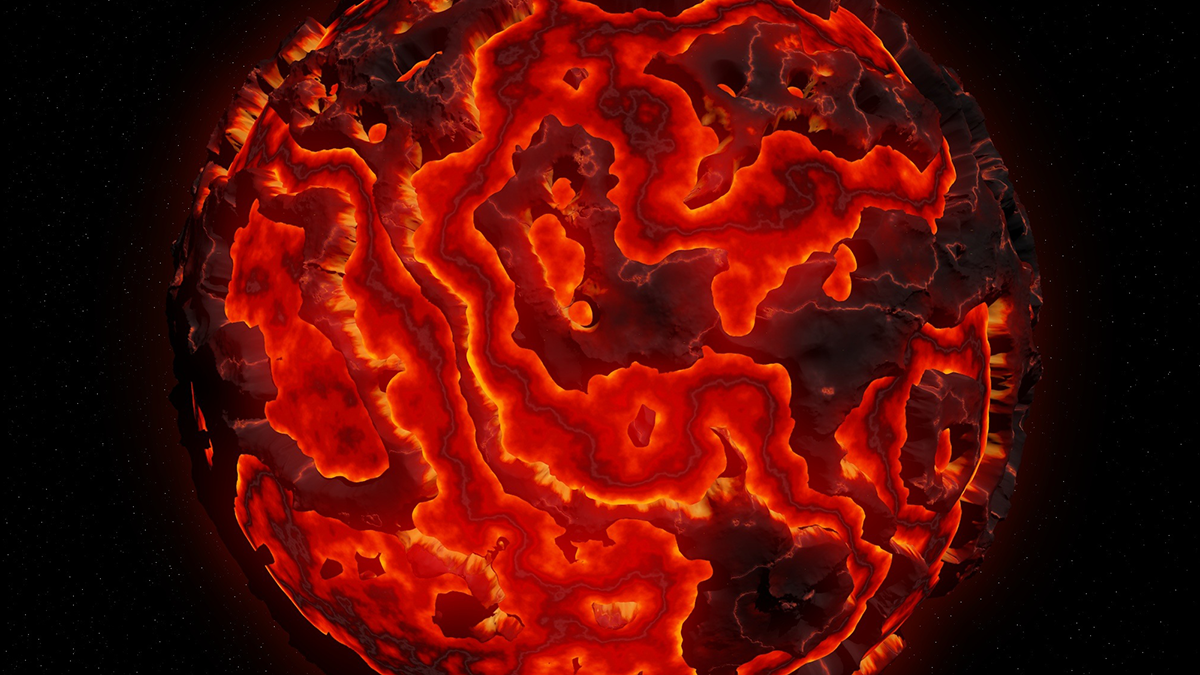
Artist’s rendering of a planet covered in magma
Posted inNews

Layered Zone Beneath Coral Sea Suggests Ancient Magma Ocean

by Alka Tripathy-Lang 4 February 202225 May 2022

Scientists studying South Pacific earthquakes suggest that an ultralow-velocity zone at the core-mantle boundary may be a remnant of a molten early Earth.

Air pollution from an Australian megafire on Kangaroo Island, South Australia, Australia, in January 2020.
Posted inResearch Spotlights

Health Impacts of Air Pollution from Australian Megafires

by Saima May Sidik 10 January 202222 February 2023

Models suggest that thousands of Australians experienced dangerous levels of air pollution for several months, leading to more than a hundred deaths.

Posted inEditors' Highlights

Tracking from Space how Extreme Drought Impacts Carbon Emissions

by Susan Trumbore 12 December 202112 December 2021

Carbon dioxide emissions from wildfires combined with reduced carbon uptake by intact ecosystems during the 2019-202
0 fire season to approximately double Australia’s annual carbon emissions.

The meeting point of the Pacific Ocean and the Tasman Sea
Posted inResearch Spotlights

Current History: Exploring the Past of the Tasman Leakage

Elizabeth Thompson by Elizabeth Thompson 17 November 20211 February 2022

A new study sheds light on an important Pacific-to-Atlantic connecting current, including the global changes that led to its flowing that ushered in near-modern ocean circulation.

An Australian farmer looks out over dry land
Posted inOpinions

Australia’s Unfolding Geoscience Malady

by S. Boone, M. Quigley, P. Betts, M. Miller and T. Rawling 27 September 202130 September 2025

Brutal university cuts are putting at risk an industry crucial to addressing climate change Down Under and around the world. Saving geoscience will require a community reckoning.
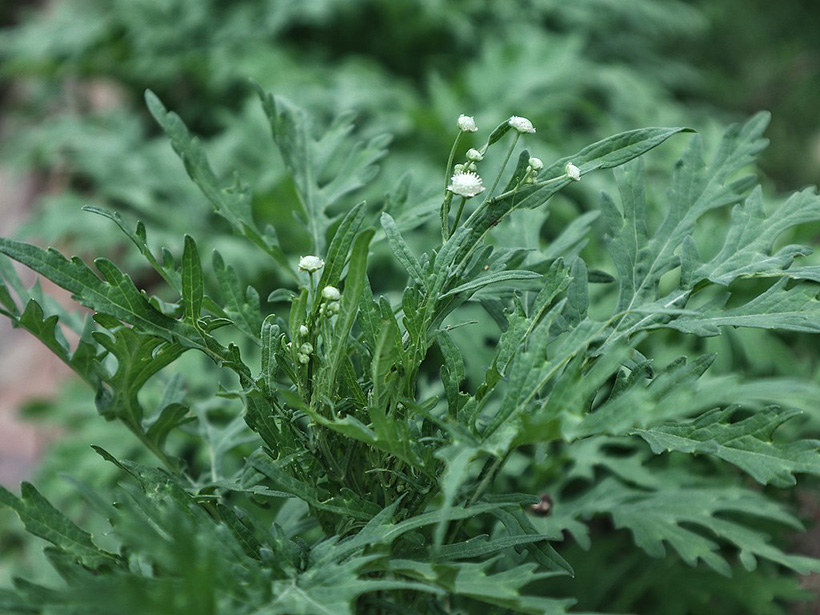
A close-up photo of Parthenium hysterophorus, or famine weed, showing a deep green plant with frilly leaves and small white flowers
Posted inENGAGE, News

Famine Weed Becomes More Toxic, Invasive in Carbon-Rich Atmosphere

by Fionna M. D. Samuels 22 September 202129 March 2023

A noxious weed’s success in Australia could indicate that some plants are benefitting from our carbon-rich atmosphere, becoming more invasive, competitive, and toxic.

A photo of the Dingo Fence in Australia’s Strzelecki Desert shows greater shrub density on the northern side of the fence (left side of the image).
Posted inNews

A Reminder of a Desert’s Past, Before Dingo Removal

by Nancy Averett 8 April 202116 December 2021

A fence spans Australia’s Strzelecki Desert, keeping dingoes out of the southern side. Drone and satellite technology have illustrated how removing this top predator changes vegetation growth.
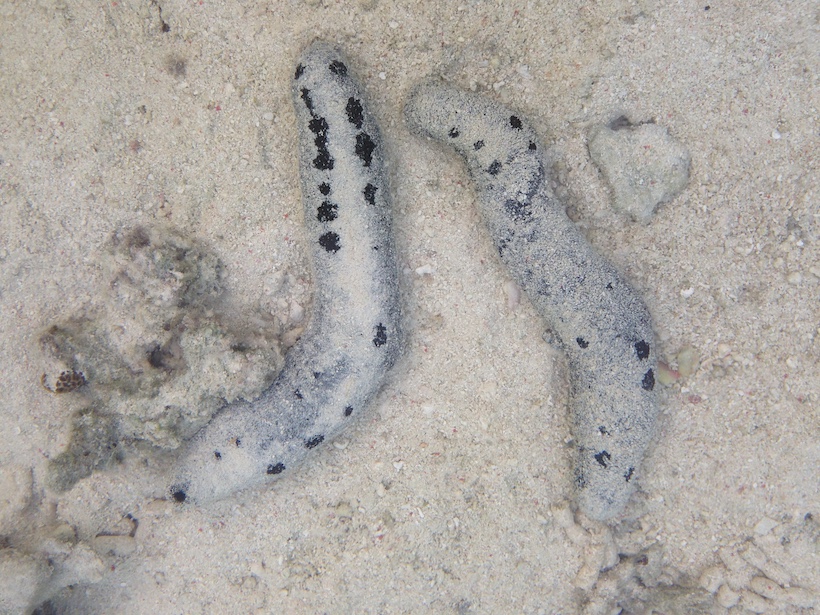
Black sea cucumber, also known as Holothuria atra
Posted inNews

Sea Cucumbers: The Excremental Heroes of Coral Reef Ecosystems

Hannah Thomasy, Science Writer by Hannah Thomasy 16 March 20214 October 2021

Drone surveillance reveals just how big a contribution sea cucumbers make to reef habitats.

Background image of a mine overlain by images of a wind turbine, a computer tablet, a jet plane, an electric car charging port, and wheat in a field.
Posted inScience Updates

Geological Surveys Unite to Improve Critical Mineral Security

by P. Emsbo, C. Lawley and K. Czarnota 5 February 202130 September 2025

A three-nation consortium is pooling geological expertise and resources to address vulnerabilities in supplies of these crucial natural resources.

Posts pagination

Newer posts 1 … 3 4 5 6 7 … 9 Older posts
Over a dark blue-green square appear the words Special Report: The State of the Science 1 Year On.

Features from AGU Publications

Research Spotlights

As Wildfires Increase in the West, So Does Suppression Spending

10 June 202610 June 2026
Editors' Highlights

Multi-Scale Fault Roughness Encapsulated in a Friction Law

11 June 202611 June 2026
Editors' Vox

Small-Scale Indian Ocean Dynamics Underpin Marine Ecology and Climate

4 June 20263 June 2026
Eos logo at left; AGU logo at right

About Eos
ENGAGE
Awards
Contact

Advertise
Submit
Career Center
Sitemap

© 2026 American Geophysical Union. All rights reserved Powered by Newspack