• About
  • Special Reports
  • Topics
    • Climate
    • Earth Science
    • Oceans
    • Space & Planets
    • Health & Ecosystems
    • Culture & Policy
    • Education & Careers
    • Opinions
  • Projects
    • Postcards From the Field
    • ENGAGE
    • Editors’ Highlights
    • Editors’ Vox
    • Eos en Español
    • Eos 简体中文版
    • Print Archive: 2015–2025
  • Policy Tracker
  • Blogs
    • Research & Developments
    • The Landslide Blog
  • Newsletter
  • Submit to Eos
  • AGU.org
  • Career Center
  • Join AGU
  • Give to AGU
  • About
  • Special Reports
  • Topics
    • Climate
    • Earth Science
    • Oceans
    • Space & Planets
    • Health & Ecosystems
    • Culture & Policy
    • Education & Careers
    • Opinions
  • Projects
    • Postcards From the Field
    • ENGAGE
    • Editors’ Highlights
    • Editors’ Vox
    • Eos en Español
    • Eos 简体中文版
    • Print Archive: 2015–2025
  • Policy Tracker
  • Blogs
    • Research & Developments
    • The Landslide Blog
  • Newsletter
  • Submit to Eos
Skip to content
  • AGU.org
  • Career Center
  • Join AGU
  • Give to AGU
Eos

Eos

Science News by AGU

Support Eos
Sign Up for Newsletter
  • About
  • Special Reports
  • Topics
    • Climate
    • Earth Science
    • Oceans
    • Space & Planets
    • Health & Ecosystems
    • Culture & Policy
    • Education & Careers
    • Opinions
  • Projects
    • Postcards From the Field
    • ENGAGE
    • Editors’ Highlights
    • Editors’ Vox
    • Eos en Español
    • Eos 简体中文版
    • Print Archive: 2015–2025
  • Policy Tracker
  • Blogs
    • Research & Developments
    • The Landslide Blog
  • Newsletter
  • Submit to Eos

carbon dioxide

Carbon dioxide frost presence at sunrise on Mars integrated over 1 year; note CO2 frost at low latitudes.
Posted inResearch Spotlights

Carbon Dioxide Frost May Keep Martian Soil Dusty

by David Shultz 8 July 201612 October 2022

Temperature readings acquired from orbit show that Mars's surface gets cold enough at night to allow layers of solid carbon dioxide frost up to several hundred micrometers thick to build up near the equator.

Yellowstone-National-Park-beehive-geyser
Posted inNews

Can Carbon Dioxide Trigger Geyser Eruptions?

JoAnna Wendel, freelance science writer and illustrator by JoAnna Wendel 16 March 20166 October 2022

Researchers looking at geyser discharge water in Yellowstone National Park found that dissolved carbon dioxide could be involved in a geyser's eruption.
Posted inNews

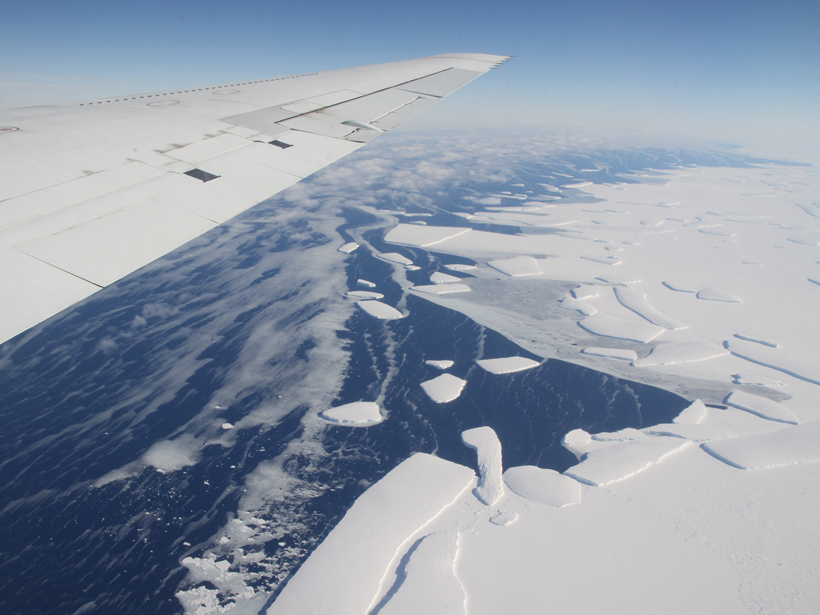
Scientists Find the Point of No Return for Antarctic Ice Cap

JoAnna Wendel, freelance science writer and illustrator by JoAnna Wendel 10 March 201618 October 2022

Varying amounts of glacial debris in a core of ancient sediment show the ice cover grew and shrank until airborne carbon dioxide levels fell below 600 parts per million, spurring steady growth.
Posted inResearch Spotlights

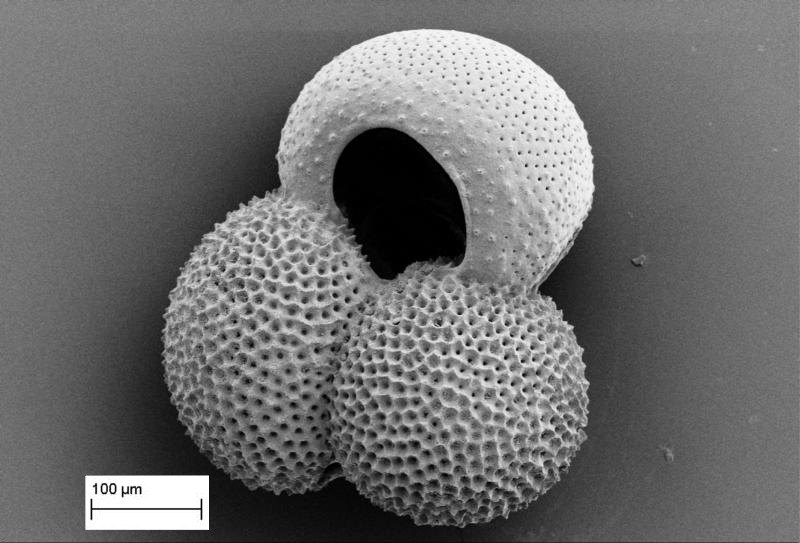
What Drove Sea Surface Temperature Change During the Pleistocene?

by J. Orwig 2 March 20153 July 2023

New information suggests that atmospheric carbon dioxide concentration was just one of the main drivers of warming sea surface temperatures in the Pleistocene.

Posts pagination

Newer posts 1 … 7 8 9
Over a dark blue-green square appear the words Special Report: The State of the Science 1 Year On.

Features from AGU Publications

Research Spotlights

Seismic Attenuation Techniques Reveal What Lies Beneath Taiwan

11 May 202611 May 2026
Editors' Highlights

A Digital Twin for Arctic Permafrost Beneath Roads

8 May 202612 May 2026
Editors' Vox

The Impact of Advocacy: American Geophysical Union’s Days of Action

14 May 202613 May 2026
Eos logo at left; AGU logo at right

About Eos
ENGAGE
Awards
Contact

Advertise
Submit
Career Center
Sitemap

© 2026 American Geophysical Union. All rights reserved Powered by Newspack