
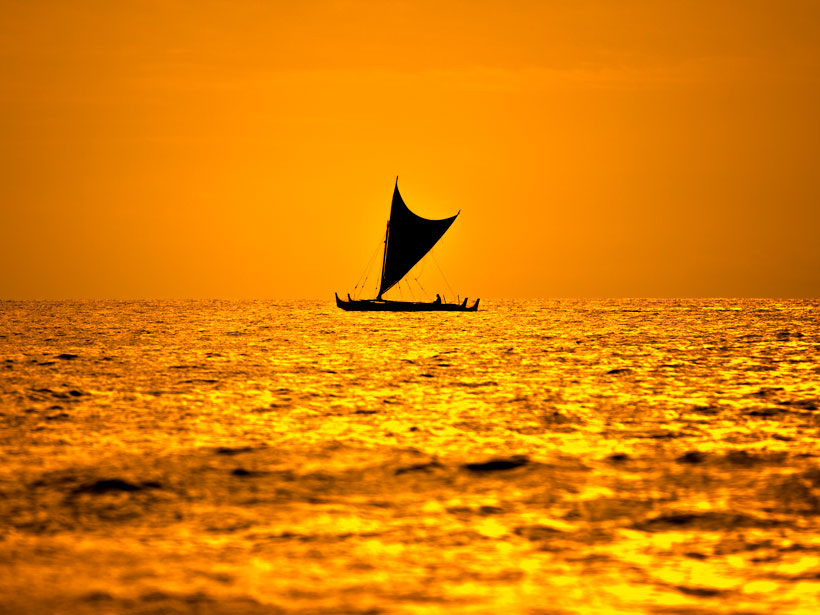

Evidence from mud, charcoal, and feces suggests humans arrived in East Polynesia during the driest period in 2 millennia.
Climate Change

Posted inENGAGE, News
Pollution Spikes in Chile Tied to Soccer Fans’ Barbecuing

In Santiago, mysterious pollution spikes—tenfold above normal levels—occur during televised soccer matches and are caused by tens of thousands of barbecues, new results reveal.

Posted inNews
El Sistema de Canales Preincaicos Usa Laderas Como Esponjas para Almacenar Agua

Así se preparan para un futuro más seco en la costa occidental de Perú, los investigadores están recurriendo a técnicas del pasado.
Posted inEditors' Highlights
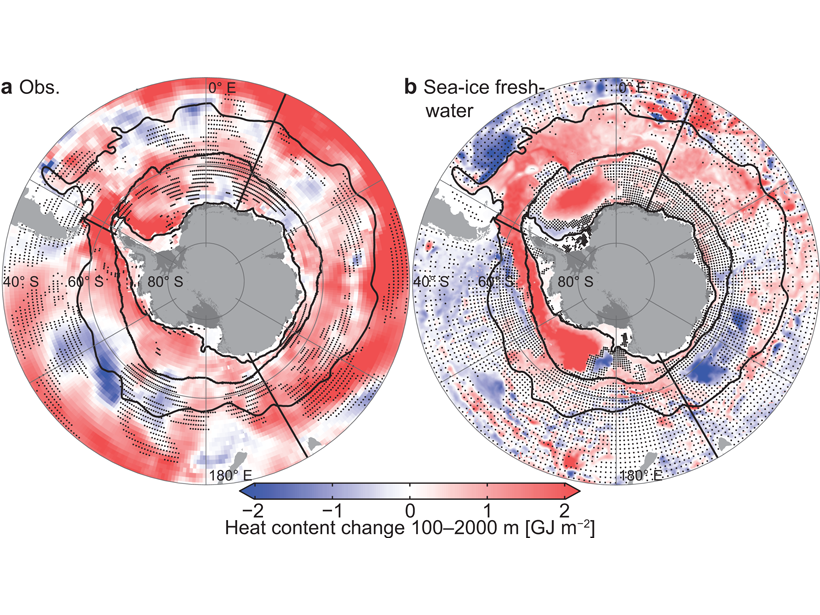
Explaining Cold and Fresh Southern Polar Ocean Surface Waters
Global climate models do not reproduce observed trends of the Southern polar ocean surface, but an increase in wind-transported sea ice that melts and inhibits mixing may account for the disparity.
Posted inNews
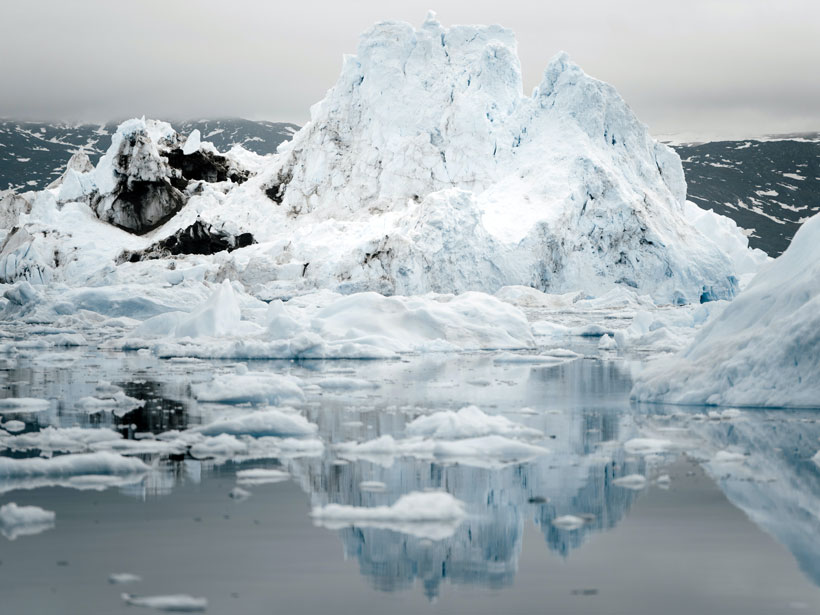
Unprecedented Clear Skies Drove Remarkable Melting in Greenland

Scientists are concerned that current climate models do not fully account for the impact of atmospheric conditions on the Greenland Ice Sheet and, consequently, may dramatically underestimate melting.
Posted inResearch Spotlights
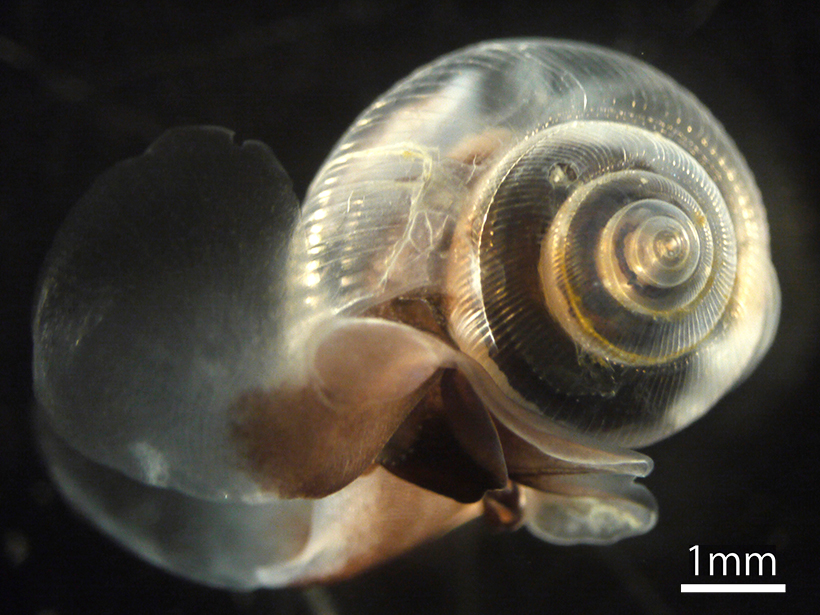
Arctic Plankton Populations Vary by Season
Planktonic foraminifera and sea snail numbers swell from April to June in the Barents Sea, but contrary to predictions, the organisms do not appear to be affected directly by high methane levels.
Posted inNews
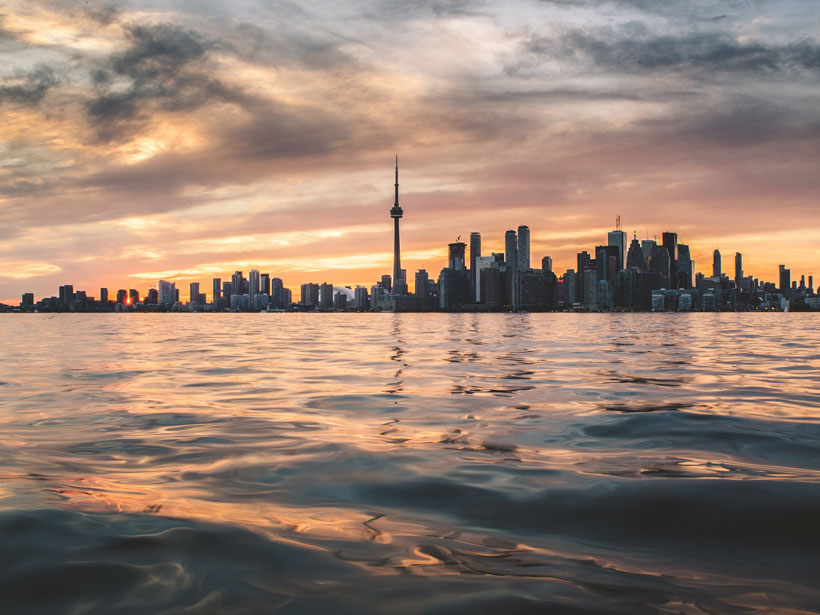
Great Lakes Cities’ Sewer Designs Mean Waste in the Waters
In older cities, a single system of pipes may transport sewage and stormwater runoff. As the climate crisis brings more intense storms, urban areas like Toronto are overhauling their drainage systems.
Posted inEditors' Vox
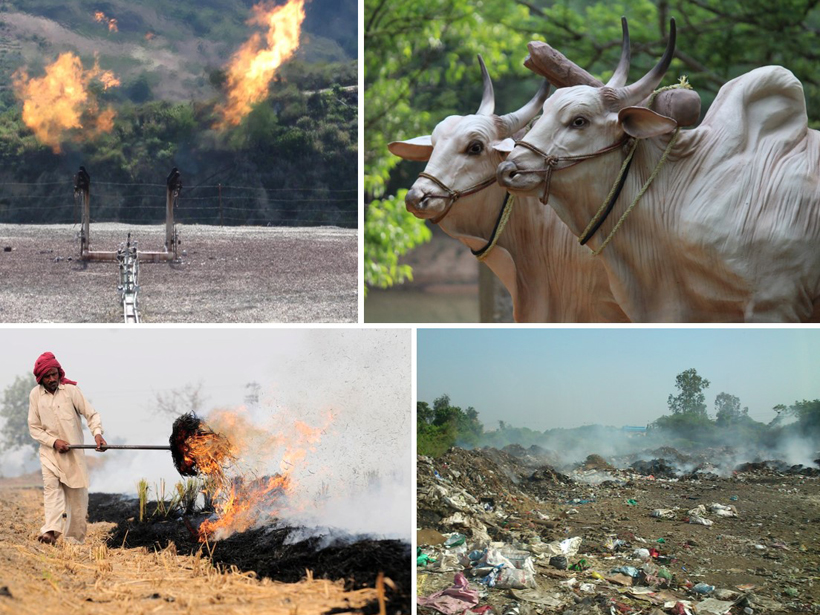
Methane’s Rising: What Can We Do to Bring It Down?
Reducing methane emissions is critical for addressing climate warming, but which are the easiest and most cost-effective ways to do this?
Posted inNews
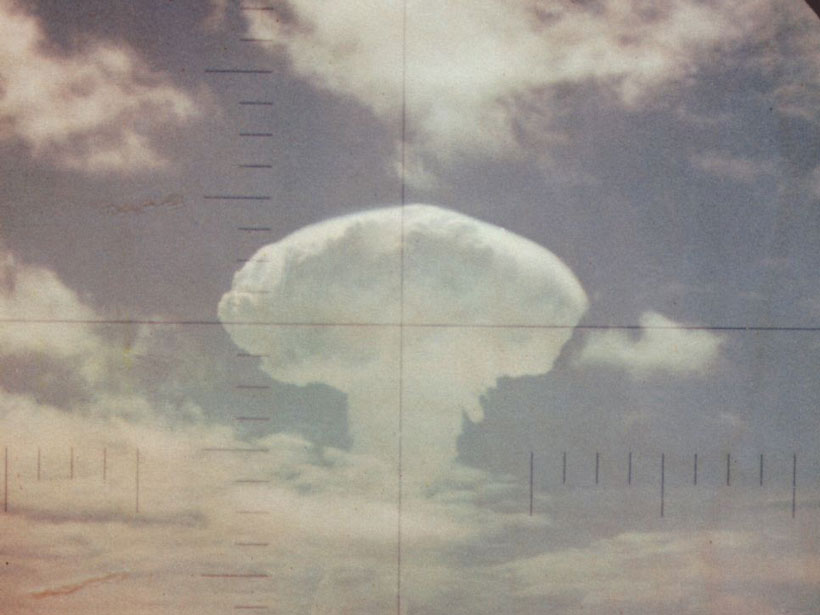
Una Guerra Nuclear Podría Generar un “Niño Nuclear”

Una sacudida al sistema climático provista por una guerra nuclear podría provocar un fenómeno de el Niño como nunca habíamos visto.
Posted inScience Updates
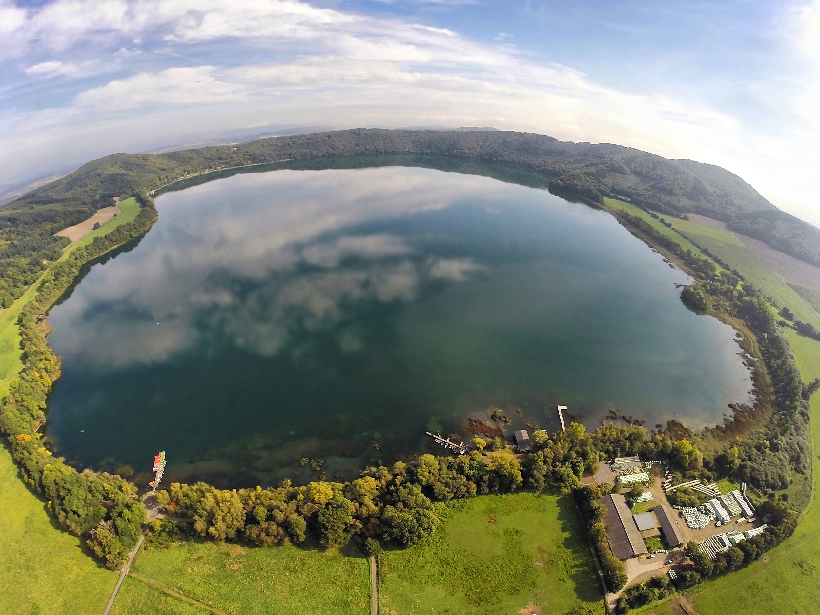
Messages in the Bubbles
Laacher See volcano is quiet, but gas bubbles rising through the overlying lake are a reminder of its potential hazard. Scientists took a close look at the bubbles to test eruption monitoring methods.