• About
  • Sections
  • Topics
    • Climate
    • Earth Science
    • Oceans
    • Space & Planets
    • Health & Ecosystems
    • Culture & Policy
    • Education & Careers
    • Opinions
  • Projects
    • ENGAGE
    • Editors’ Highlights
    • Editors’ Vox
    • Eos en Español
    • Eos 简体中文版
    • Print Archive
  • Science Policy Tracker
  • Blogs
    • Research & Developments
    • The Landslide Blog
  • Newsletter
  • Submit to Eos
  • AGU.org
  • Career Center
  • Join AGU
  • Give to AGU
  • About
  • Sections
  • Topics
    • Climate
    • Earth Science
    • Oceans
    • Space & Planets
    • Health & Ecosystems
    • Culture & Policy
    • Education & Careers
    • Opinions
  • Projects
    • ENGAGE
    • Editors’ Highlights
    • Editors’ Vox
    • Eos en Español
    • Eos 简体中文版
    • Print Archive
  • Science Policy Tracker
  • Blogs
    • Research & Developments
    • The Landslide Blog
  • Newsletter
  • Submit to Eos
Skip to content
  • AGU.org
  • Career Center
  • Join AGU
  • Give to AGU
Eos

Eos

Science News by AGU

Support Eos
Sign Up for Newsletter
  • About
  • Sections
  • Topics
    • Climate
    • Earth Science
    • Oceans
    • Space & Planets
    • Health & Ecosystems
    • Culture & Policy
    • Education & Careers
    • Opinions
  • Projects
    • ENGAGE
    • Editors’ Highlights
    • Editors’ Vox
    • Eos en Español
    • Eos 简体中文版
    • Print Archive
  • Science Policy Tracker
  • Blogs
    • Research & Developments
    • The Landslide Blog
  • Newsletter
  • Submit to Eos

Climate Change

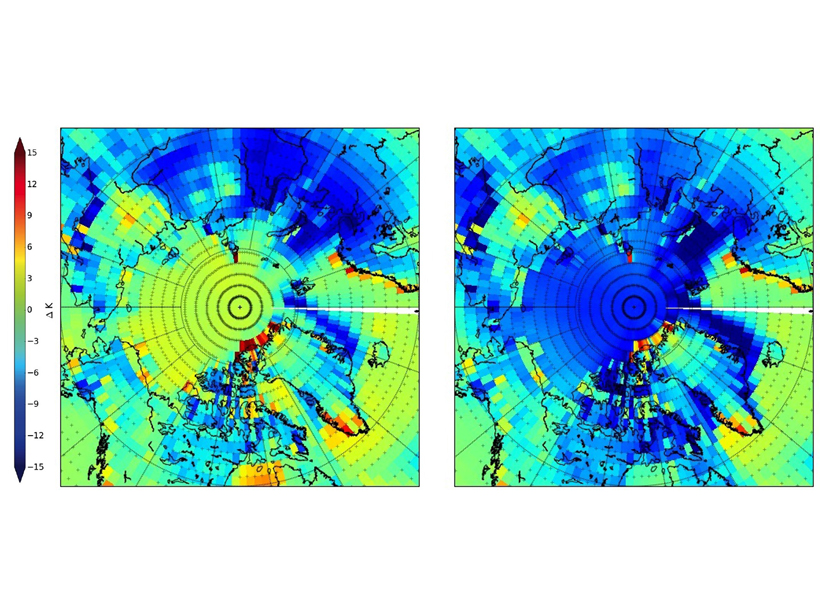
Temperature anomalies (deviations from the 1981–2010 monthly mean in degrees Celsius) estimated from advanced microwave sounding unit data for February 2016
Posted inOpinions

Climate and Other Models May Be More Accurate Than Reported

by C. J. Willmott, S. M. Robeson and K. Matsuura 21 June 201724 February 2023

Replacing a commonly used statistical measure of average error with an alternative measure would give a more meaningful assessment of model performance.

A Pakistani farmer checks his cell phone for weather updates and irrigation water estimates.
Posted inScience Updates

Growing More with Less Using Cell Phones and Satellite Data

by F. Hossain, N. Biswas, M. Ashraf and A. Z. Bhatti 21 June 201719 October 2021

Researchers from the University of Washington and Pakistan are using 21st century technology to revive farming as a profitable profession in the Indus Valley.

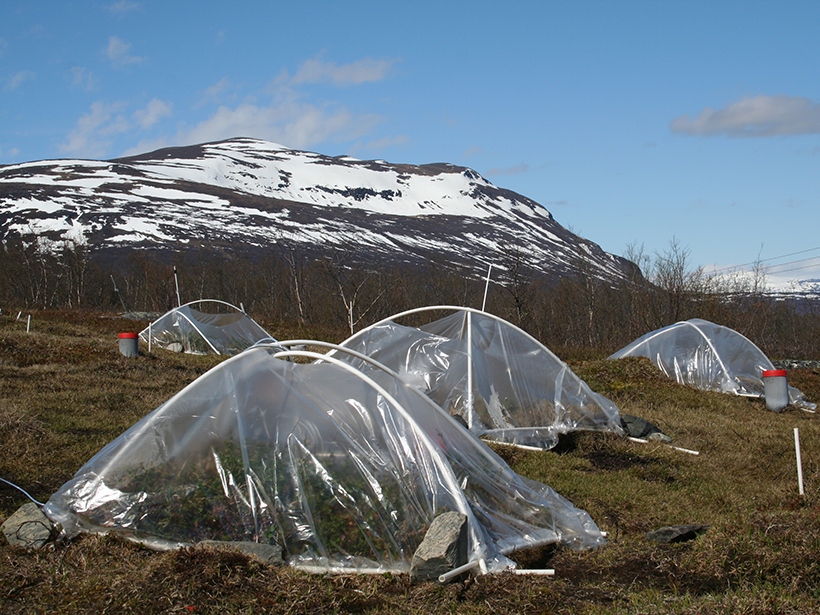
Researchers try to better model the role of Arctic plants on nitrogen uptake.
Posted inResearch Spotlights

Tracking Nitrogen in Arctic Plants

Elizabeth Thompson by Elizabeth Thompson 20 June 201721 February 2023

Prevailing nutrient uptake models do not fit Arctic plants. Scientists test a new option that overcomes older models’ shortcomings.

Posted inEditors' Vox

Warm Waters in West Antarctica

by J. Turner and H. Gudmundsson 16 June 201725 January 2023

A recent paper in Reviews of Geophysics describes the atmospheric and oceanic processes that are causing ice loss in the Antarctic.

New research reveals how timing may determine the impacts of deforestation
Posted inResearch Spotlights

Deforestation Effects as Different as Night and Day

by S. Witman 16 June 20172 November 2021

Study investigates how deforestation can cause different land surface temperature effects depending on the time of day.

Researchers assess how a changing climate will influence ocean upwelling
Posted inResearch Spotlights

How Will Climate Change Affect the California Current Upwelling?

by Terri Cook 15 June 20176 October 2021

The results of new simulations that account for internal climate variability contrast with previous projections of how this vital West Coast current will respond to anthropogenic warming.

Soil moisture projections hold clues to how climate change may drive drought
Posted inResearch Spotlights

The Future of Earth Looks Drier…but Just How Dry?

Sarah Stanley, Science Writer by Sarah Stanley 13 June 201722 March 2023

New analysis of soil moisture projections from climate models could help resolve a discrepancy between expected increases in aridity and precipitation over land.

Researchers assess whether plantations for biofuel and carbon storage could help the world meet the terms of the Paris Agreement
Posted inResearch Spotlights

Removing Carbon from the Ground Up

by S. Witman 9 June 201720 October 2021

Massive plantations for storing carbon and growing biofuel won’t achieve the Paris Agreement’s “2-degree guardrail,” but they could help.

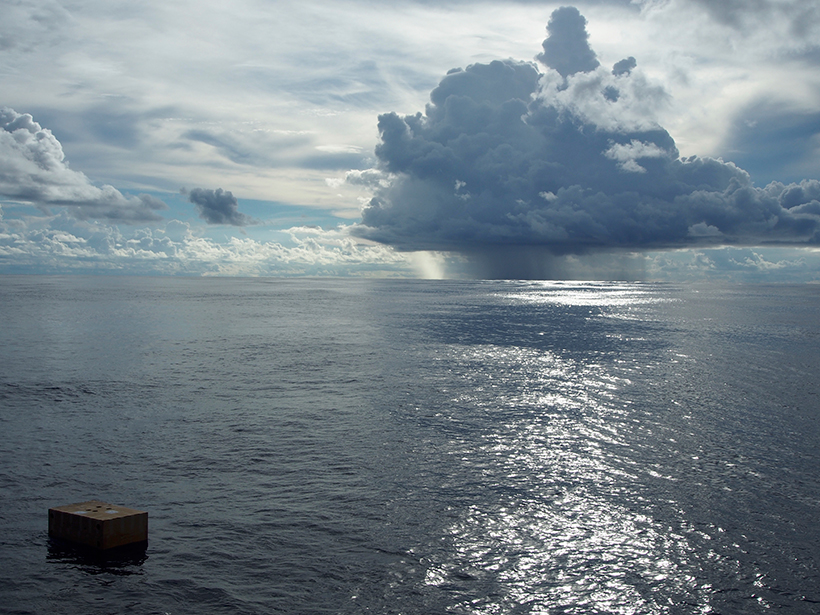
Paddleboaters enjoy a sunny day in Qingdao, China
Posted inScience Updates

Climate and Ocean Science Builds for the Future

by D. Stammer, A. Bracco and V. Detemmerman 9 June 201710 March 2023

Second WCRP/CLIVAR Open Science Conference: Charting the Course for Climate and Ocean Research; Qingdao, China, 18–25 September 2016

Researchers explore the links between climate change and ocean tides
Posted inResearch Spotlights

Can Ocean Tides Be Powerful Indicators of Climate Change?

by S. Witman 6 June 201729 March 2023

A new study simulates how ocean warming due to climate change will affect the electromagnetic signal emitted by ocean tides over the next century.

Posts pagination

Newer posts 1 … 196 197 198 199 200 … 251 Older posts
A view of a bridge, with the New Orleans skyline visible in the distance between the bridge and the water. A purple tint, a teal curved line representing a river, and the text “#AGU25 coverage from Eos” overlie the photo.

Features from AGU Publications

Research Spotlights

Watershed Sustainability Project Centers Place-Based Research

4 December 20254 December 2025
Editors' Highlights

Changes in Slab Dip Cause Rapid Changes in Plate Motion

4 December 20252 December 2025
Editors' Vox

Hydrothermal Circulation and Its Impact on the Earth System

3 December 20253 December 2025
Eos logo at left; AGU logo at right

About Eos
ENGAGE
Awards
Contact

Advertise
Submit
Career Center
Sitemap

© 2025 American Geophysical Union. All rights reserved Powered by Newspack