A landslide in Tracy Arm Fjord in Alaska created the second-largest tsunami on record. A new analysis links this abrupt event to the retreat of a glacier and, ultimately, to climate change.
Climate Change
Temperatures in Nearly All Major U.S. Cities Have Warmed Since First Earth Day
After more than half a century of Earth Days, one planetary challenge—climate change—threatens our planet more than ever.
In 1970, the year Sen. Gaylord Nelson, D-Wisc., organized the first Earth Day events, the annual average concentration of carbon dioxide in the atmosphere was 326 parts per million. In 2025, it was 31% higher, at 427 parts per million.
Location, Location, Location: The “Where” of Reforestation May Matter More Than the Extent
A new study finds that focusing reforestation efforts in strategic locations, such as the tropics, can accomplish global cooling levels comparable to less strategic reforestation efforts covering twice as much area.
More Braided Rivers from Increasing Flow Variability
Global analysis of satellite data and river flow records show that higher flow intermittency after climate change may lead to an increasing number of threads in braided rivers, thus impacting ecosystems.
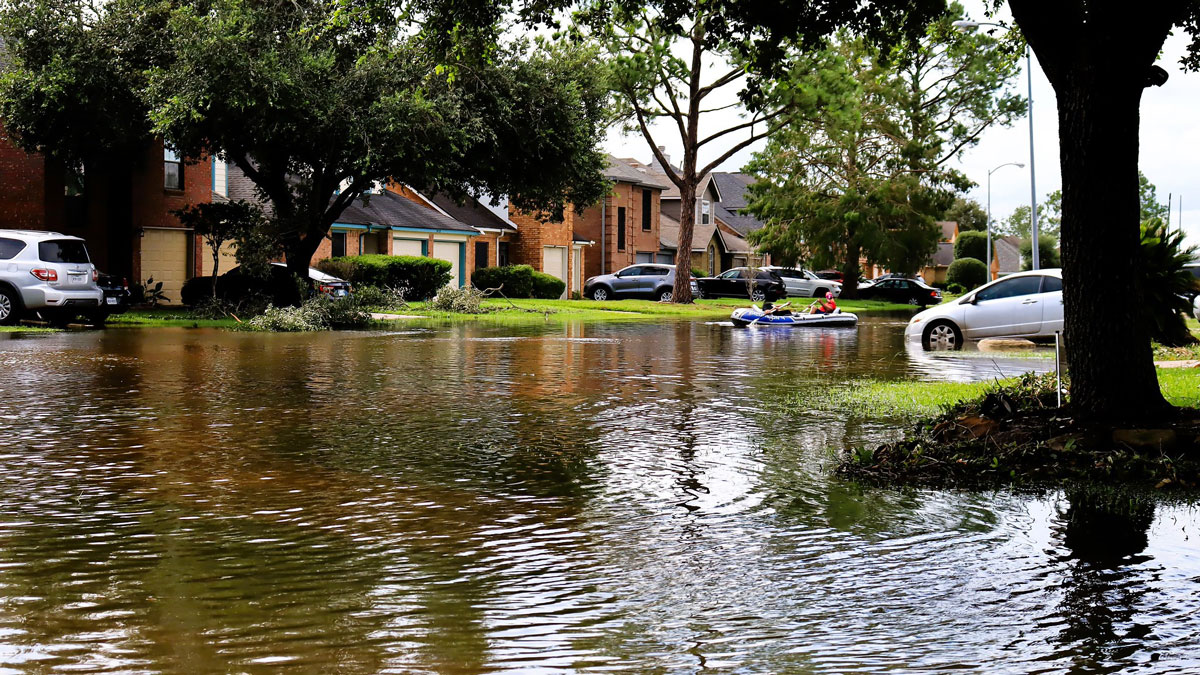
Can Any Single Satellite Keep Up with the World’s Floods?
How well does our current satellite fleet capture the world’s major floods? Scientists turn to the Dartmouth Flood Observatory record for a data-driven answer.
Mediterranean Mussel Farming Could Collapse by 2050
New experiments suggest that ocean warming and acidification are on track to slash both oyster and mussel farming yields.
Melting Glaciers Make the Coastal Ocean More Sensitive
Fresh water from retreating ice does more than raise sea levels. It affects how the ocean responds to acidification and other environmental changes.
How to Study Coastal Evolution
Researchers reviewed what’s known about how coastlines are changing and made recommendations for how to learn more.
An Ancient Landscape Beneath the East Antarctic Ice Sheet
Geophysical observations of the subglacial topography of Coats Land reveal a landscape formed by tectonics and fluvial erosion that influenced the formation of the East Antarctic Ice Sheet.
Raknehaugen in Norway: an Iron Age memorial to a landslide
An Iron Age burial mound in Norway has been reinterpreted as being a memorial for a catastrophic landslide during a period of climatic instability. There is a very interesting article (Gustavsen 2026) in the European Journal of Archaeology that re-examines an Iron Age mound known as Raknehaugen (Rakni’s Mound) in Norway. This mound has, until […]