
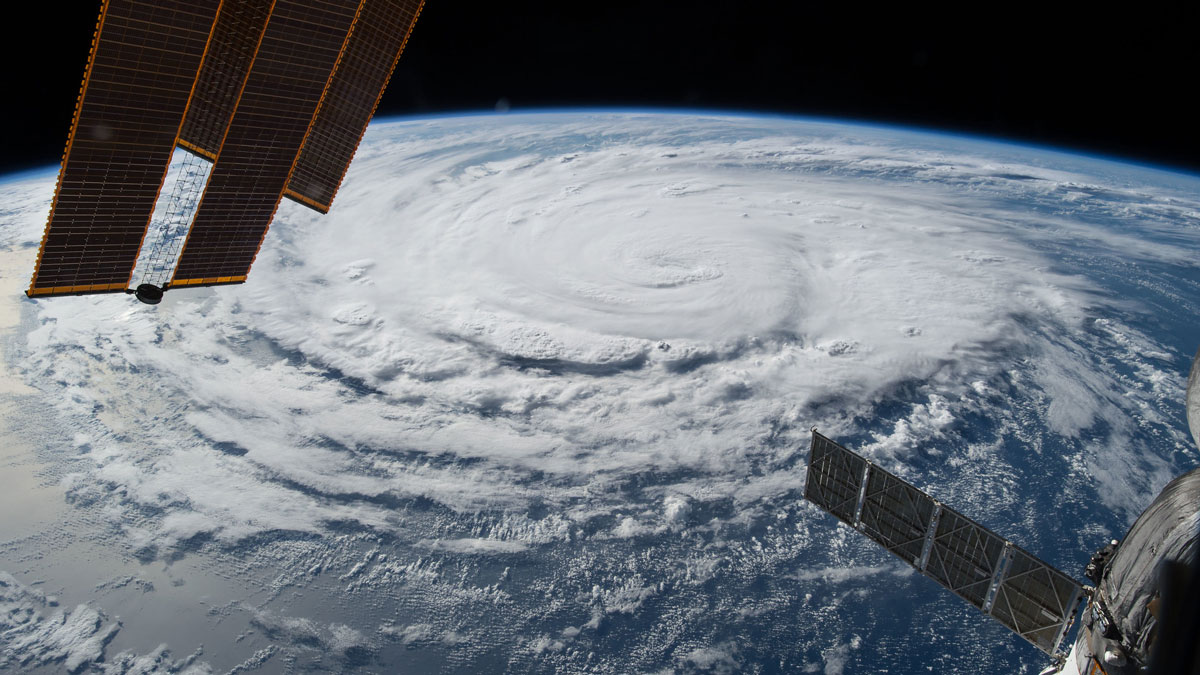

A potentially record-breaking El Niño may reduce the likelihood of storms, but the agency still stressed the importance of preparedness.
Climate Change
Posted inResearch & Developments
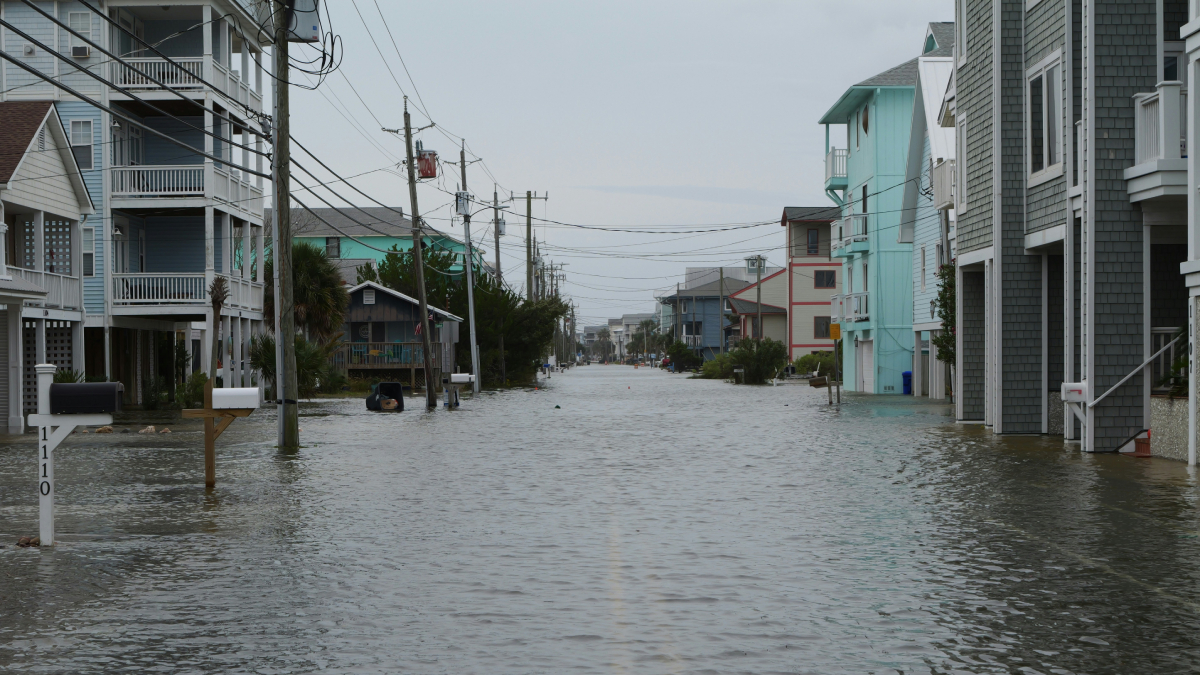
Sea Level Rise is Accelerating, Scientists Confirm

New research closes the sea level budget gap and takes account of the drivers of sea level change.
Posted inResearch & Developments
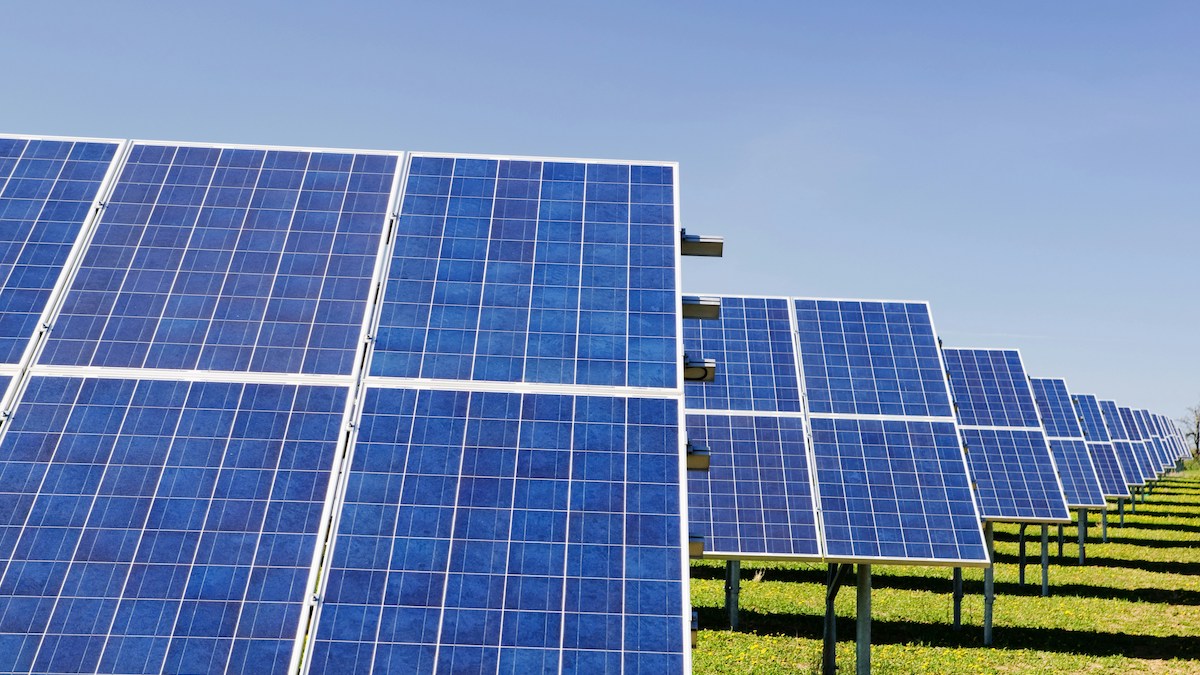
Why the IPCC Seems Poised to Eliminate Its Most Extreme Emissions Scenario

The Intergovernmental Panel on Climate Change (IPCC), the United Nations body whose mission is to “provide governments at all levels with scientific information that they can use to develop climate policies” will likely update the emissions and land use scenarios used in the models it considers in its bellwether assessment reports.
Posted inOpinions
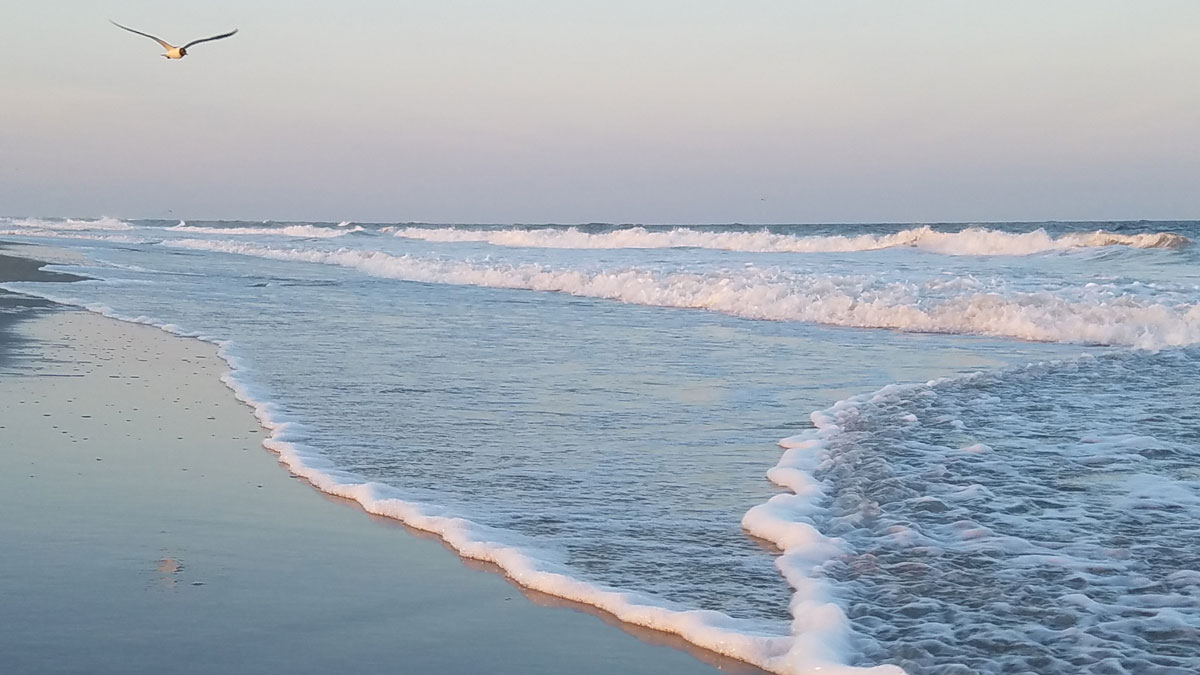
The Global Impact of Losing U.S. Sea Level Science
Cuts to climate science risk halting or even erasing decades of progress in global change research—just as risks from rising seas demand better data, informed decisionmaking, and faster action.
Posted inResearch Spotlights
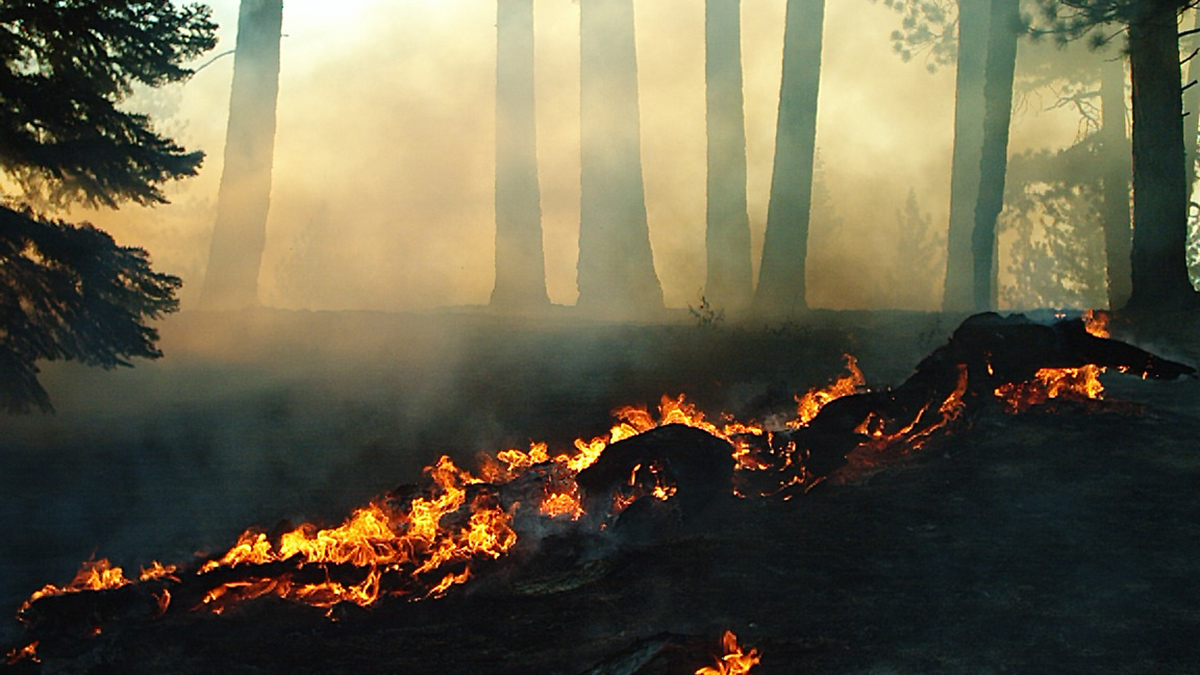
How Much Will Western Wildfires Worsen Under Warming?
A new study reevaluates the use of vapor pressure deficit, or VPD, in climate models to predict increases in area burned by wildfire across the U.S. West.
Posted inNews
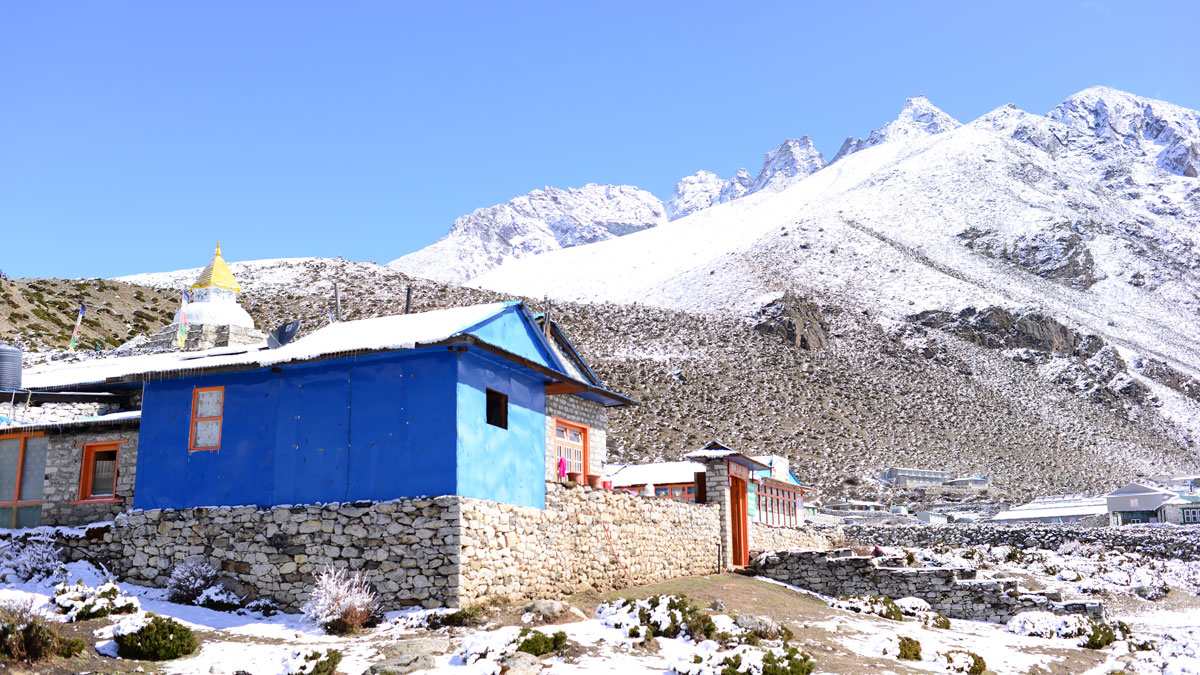
Vegetation Moves Upslope Across the Himalayas

The vegetation line in places like Nepal and Bhutan is shifting upward by meters per year, with implications for how water moves through the planet’s “Third Pole.”
Posted inEditors' Vox
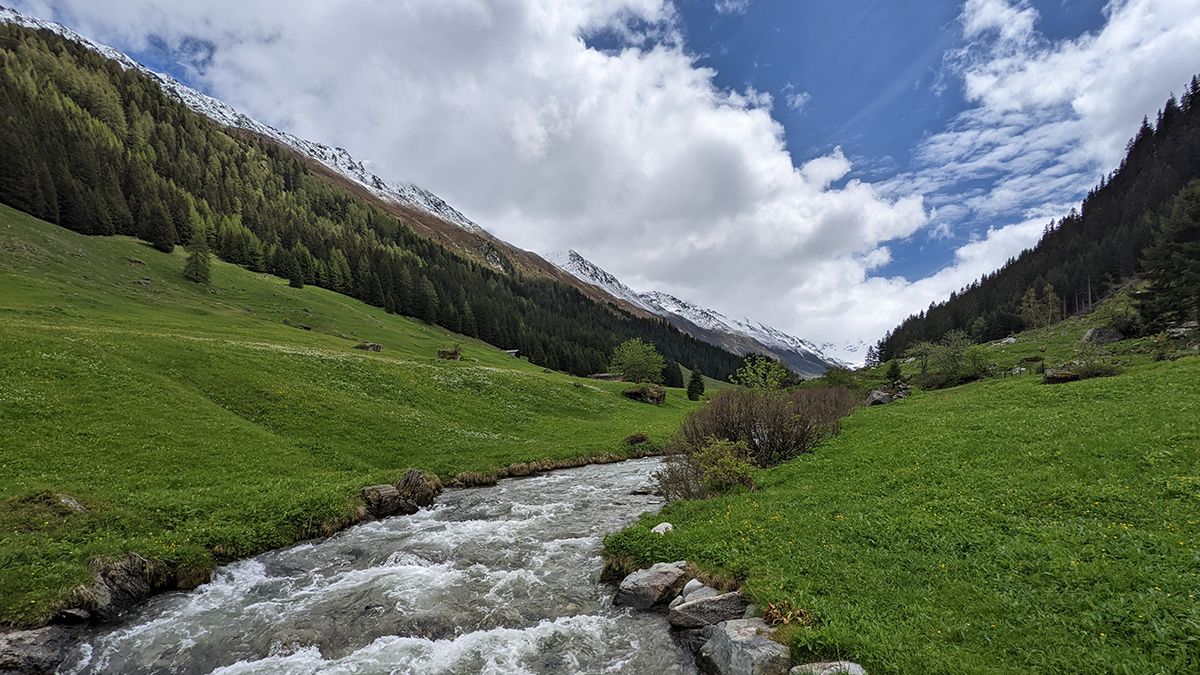
Tracing Water’s Hidden Journey Through the Earth’s Living Skin
Water’s natural fingerprints reveal how it’s stored, mixed, and released through the Earth’s Critical Zone, potentially improving Earth System models in a rapidly warming world.
Posted inNews
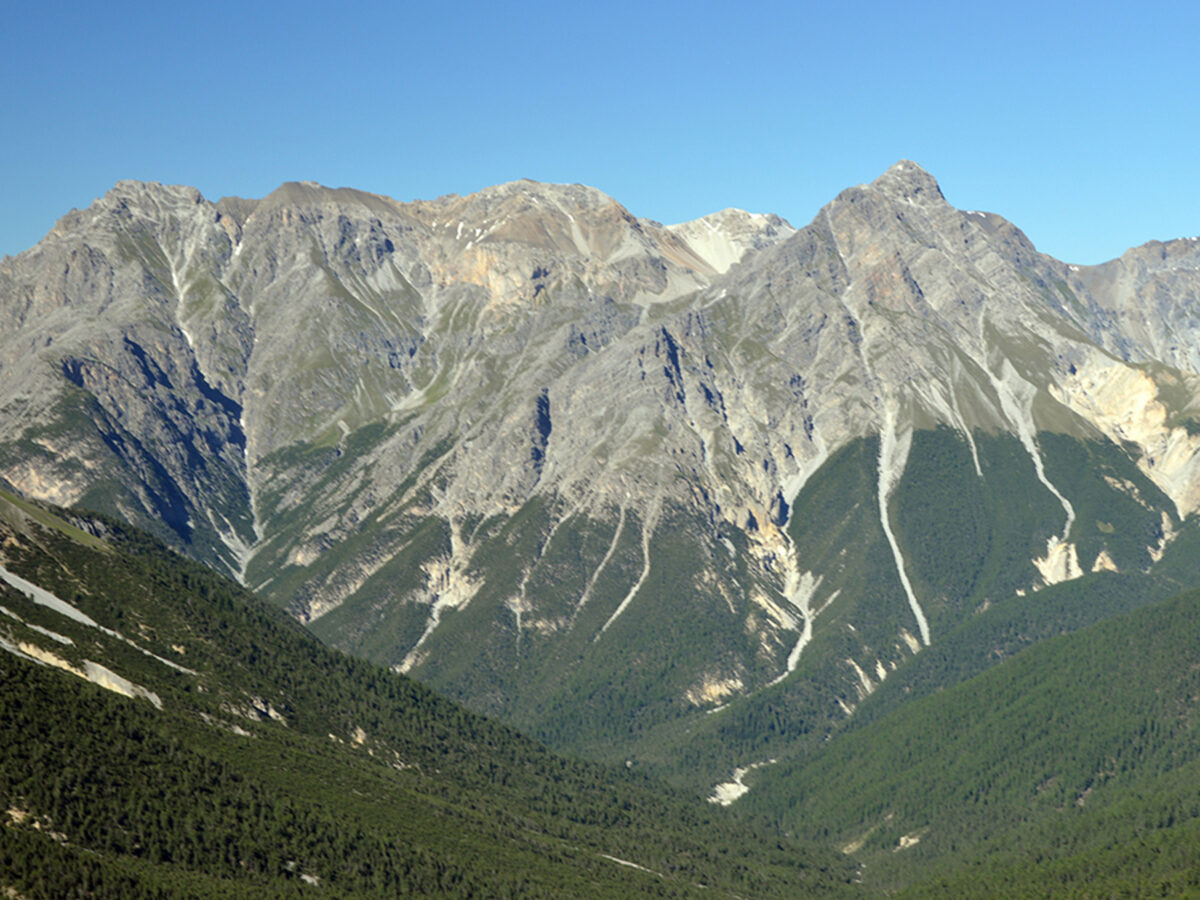
Tree Lines Are Migrating. Some Up, Some Down.
Between 2000 and 2020, 42% of tree lines around the world crept upward, largely because of climate change. But 25% moved downhill, seemingly because of factors such as land use changes and wildfires.
Posted inResearch & Developments
2026 Has Already Broken Climate Records. El Niño Could Break More.
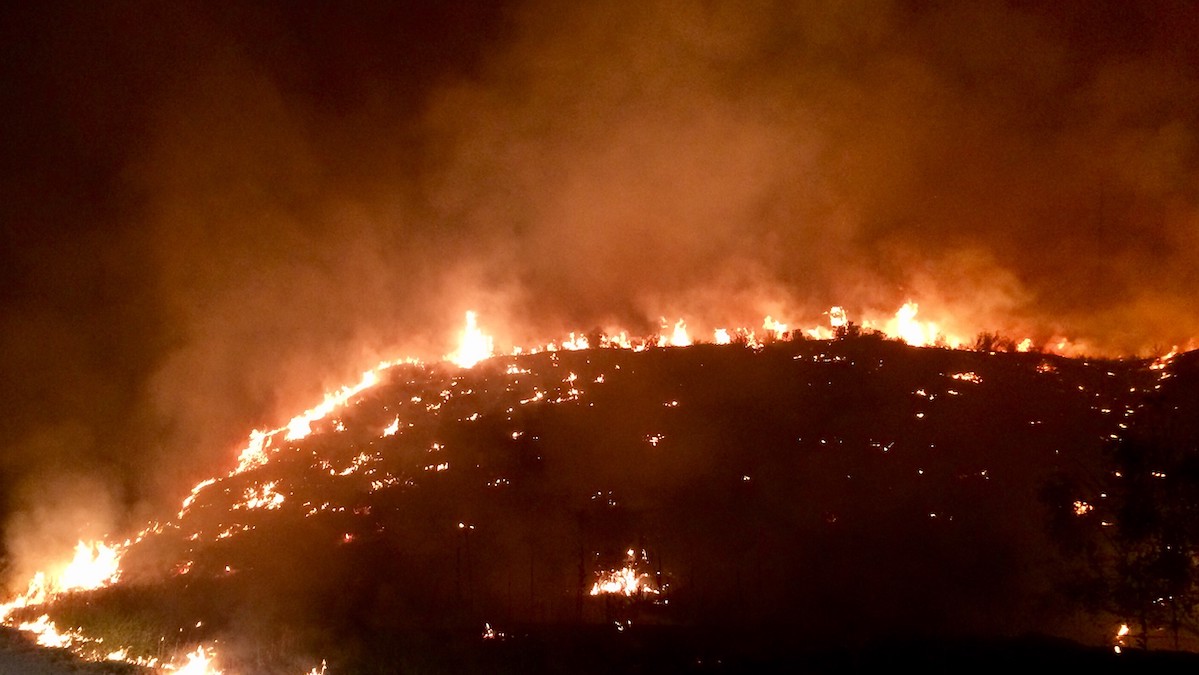
As the midpoint of the year approaches, several climate records have already been broken. Arctic winter sea ice extent reached a record low. Several countries saw record-breaking winter heat waves. And more than 150 million acres have already burned globally in wildfires.
Posted inNews
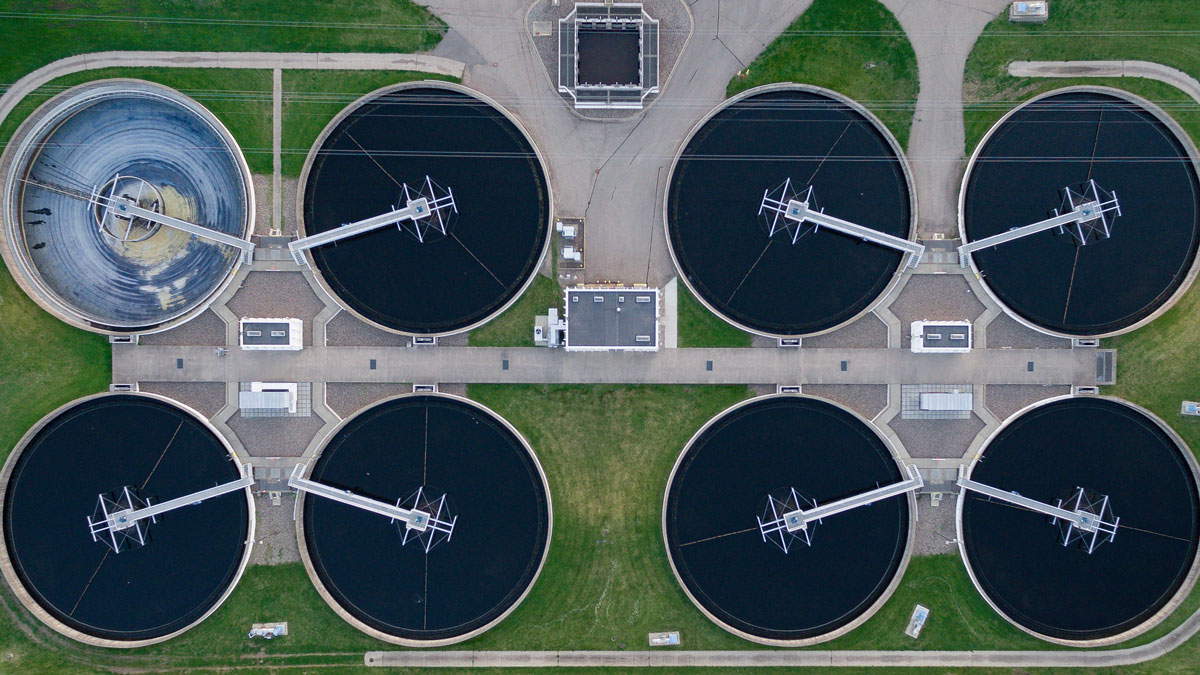
Urban Methane Emissions Are Rising, Despite Cities’ Pledges
Eyes in the sky could help cities get on track to decrease emissions of the potent greenhouse gas—and monitor whether their efforts are working.