
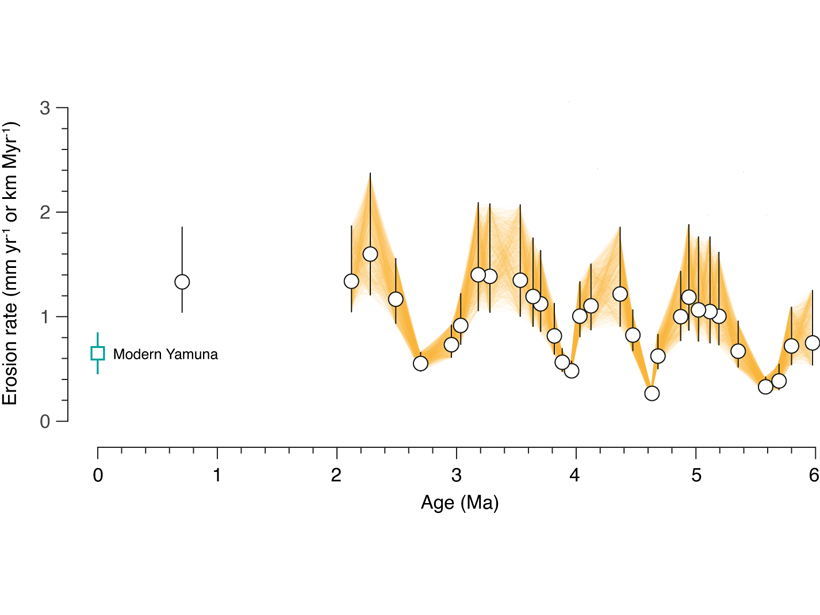
Earth’s oscillating climate is a natural guess to explain cyclic patterns in erosion, but new sediment data suggests that cyclicity may emerge from tectonic processes adding material to the Himalaya.
Climate Change
Posted inEditors' Highlights
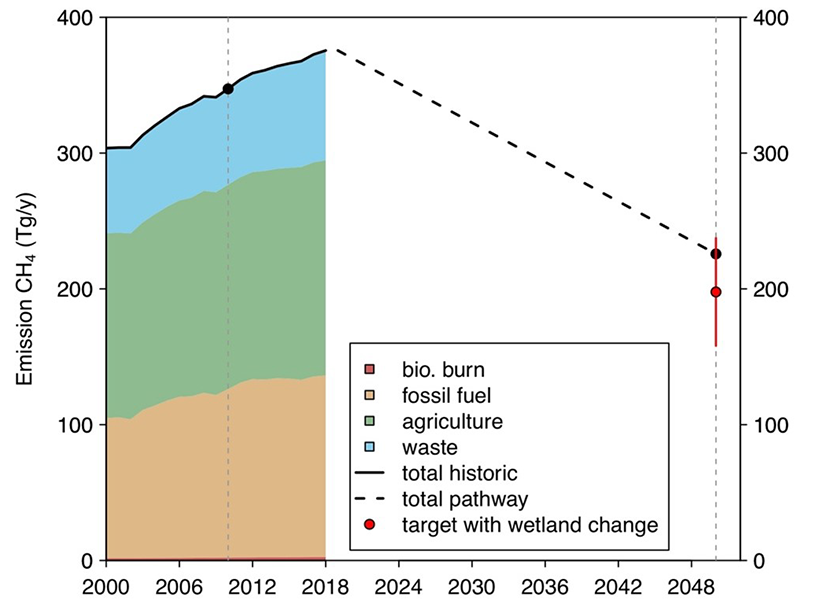
Bottom-up Meets Top-down Estimates of Wetland Methane Emissions

An innovative integration of models and satellite observations indicates weak temperature sensitivity of CH4 emissions from tropical wetlands, but temperature sensitivity is high at higher latitudes.
Posted inResearch Spotlights
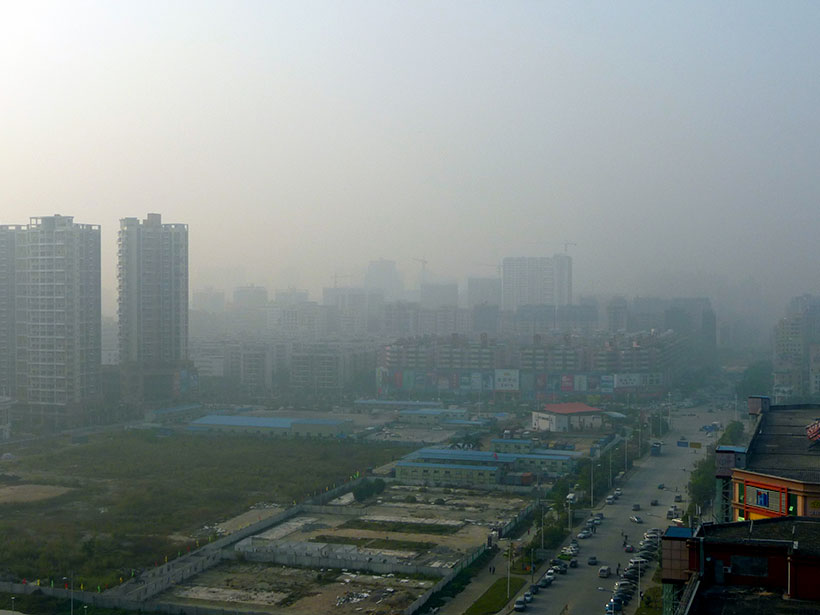
Los beneficios para la salud y el clima de reducir la contaminación del aire

En un nuevo estudio, investigadores aplicaron un modelo global del sistema Tierra para estimar los impactos de las reducciones de emisiones por sector.
Posted inENGAGE, News
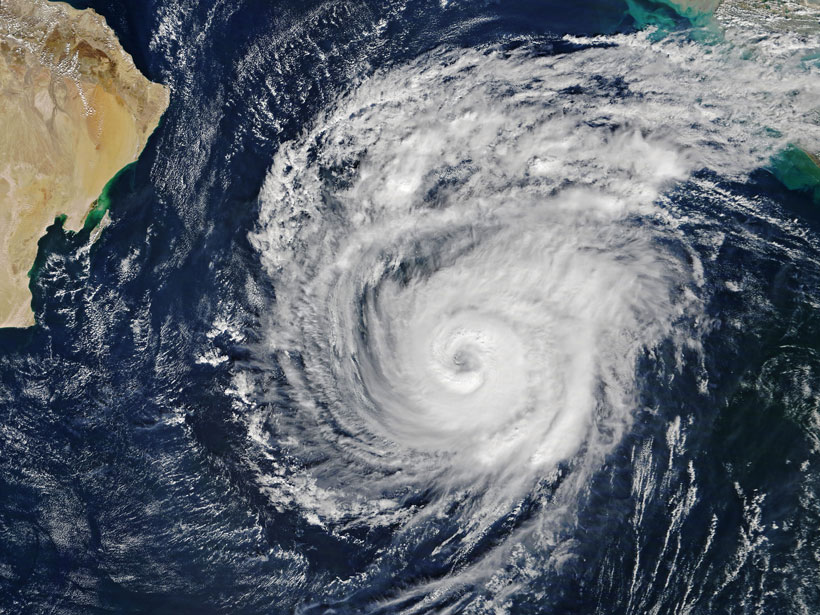
Climate Change Is Making India’s West Coast More Vulnerable to Cyclones

A new study found significant increases in the intensity, frequency, and duration of cyclonic storms over the Arabian Sea. Is the west coast prepared?

Posted inResearch Spotlights
How Long Do Black Carbon Particles Linger in the Atmosphere?

Researchers uncover how black carbon evolves from hydrophobic particles to cloud nucleation sites, eventually removing the heat-absorbing particles from the sky.

Posted inENGAGE, Research Spotlights
La Captura de Carbono No Puede Resolver el Problema Climático Sin Acciones Individuales

Las elecciones individuales, como la adopción de vehículos eléctricos, serán un factor importante en el cumplimiento de los objetivos climáticos del Acuerdo de París.
Posted inNews
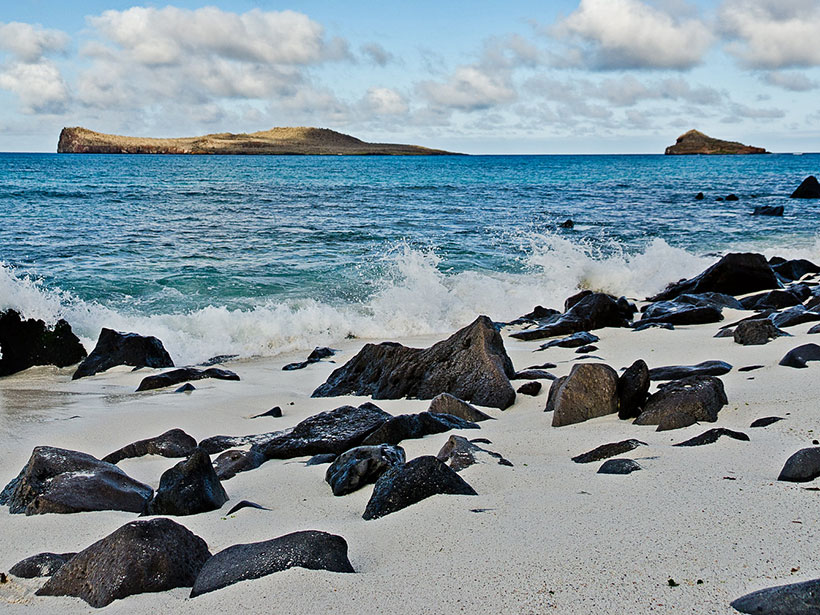
Tropical Climate Change Is a Puzzle—Could Aerosols Be a Piece?
The eastern tropical Pacific Ocean hasn’t warmed as much as climate change models projected. A new study shows that aerosols in the atmosphere could be responsible.
Posted inEditors' Vox
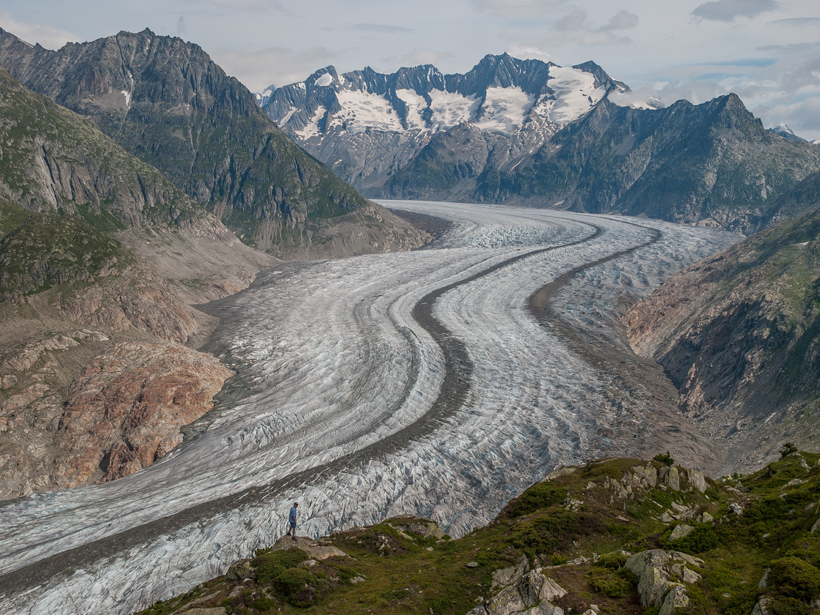
Glacier Structures: History Written in the Ice
As Earth’s climate heats up, glacier structures are being revealed in unprecedented detail, allowing glaciologists to understand how the behavior of glaciers has changed over centuries to millennia.

Posted inResearch Spotlights
Tibetan Plateau Lakes as Heat Flux Hot Spots
Freshwater lakes on the highest plateau in the world act like lenses that accumulate heat from the intense solar radiation, accelerating ice cover melt and affecting land-atmosphere fluxes.