
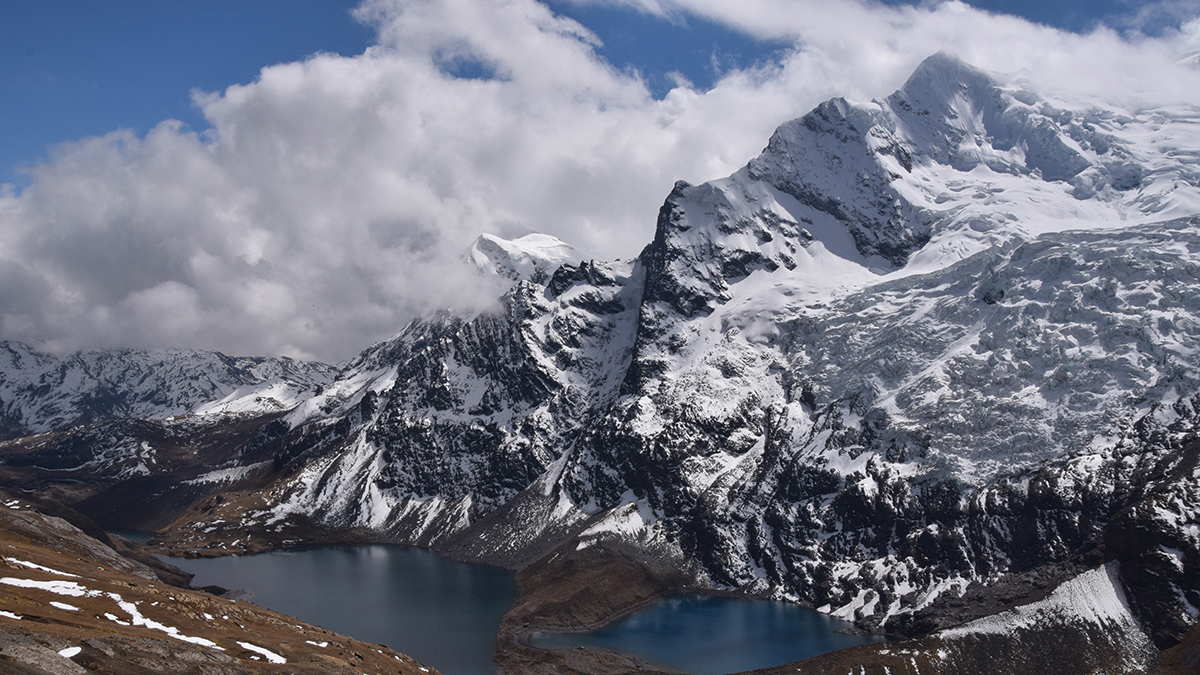
Integrated approaches are needed to understand and respond to changes in tropical mountain ecosystems and communities brought about by receding glaciers and changes in land use.
Climate Change
Posted inNews
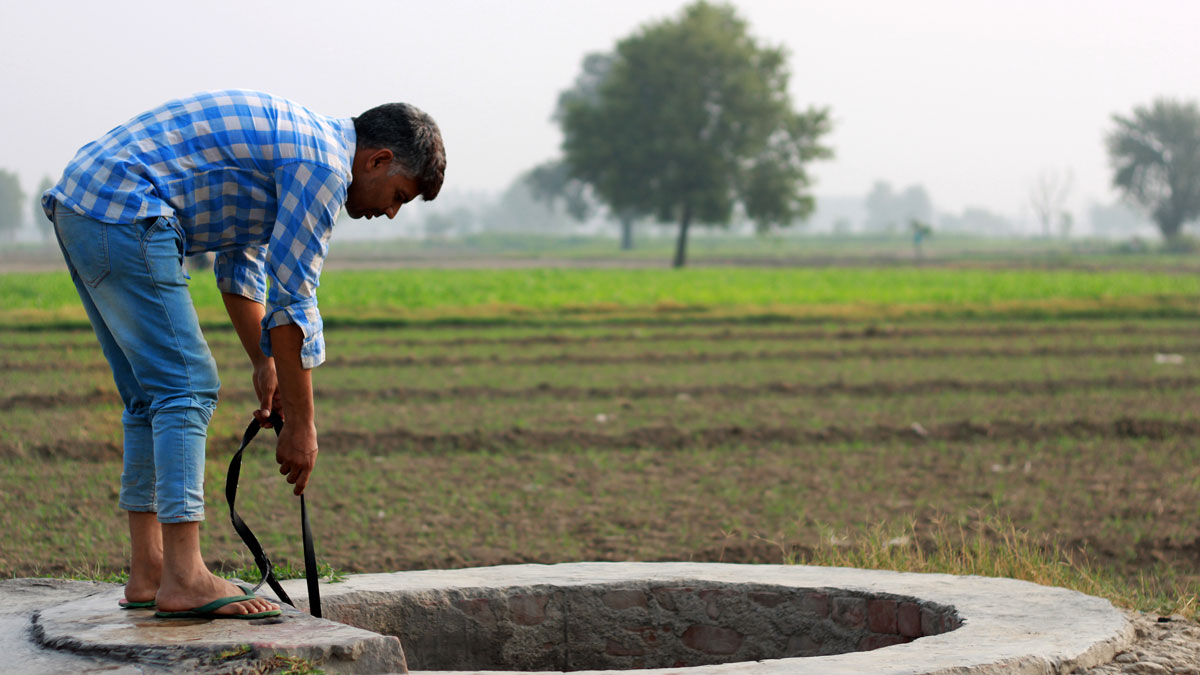
Researchers Trace Threats to Groundwater in India
A handful of new studies analyze the depletion and contamination of groundwater, as well as the effects of climate change—and how communities are responding.
Posted inResearch Spotlights
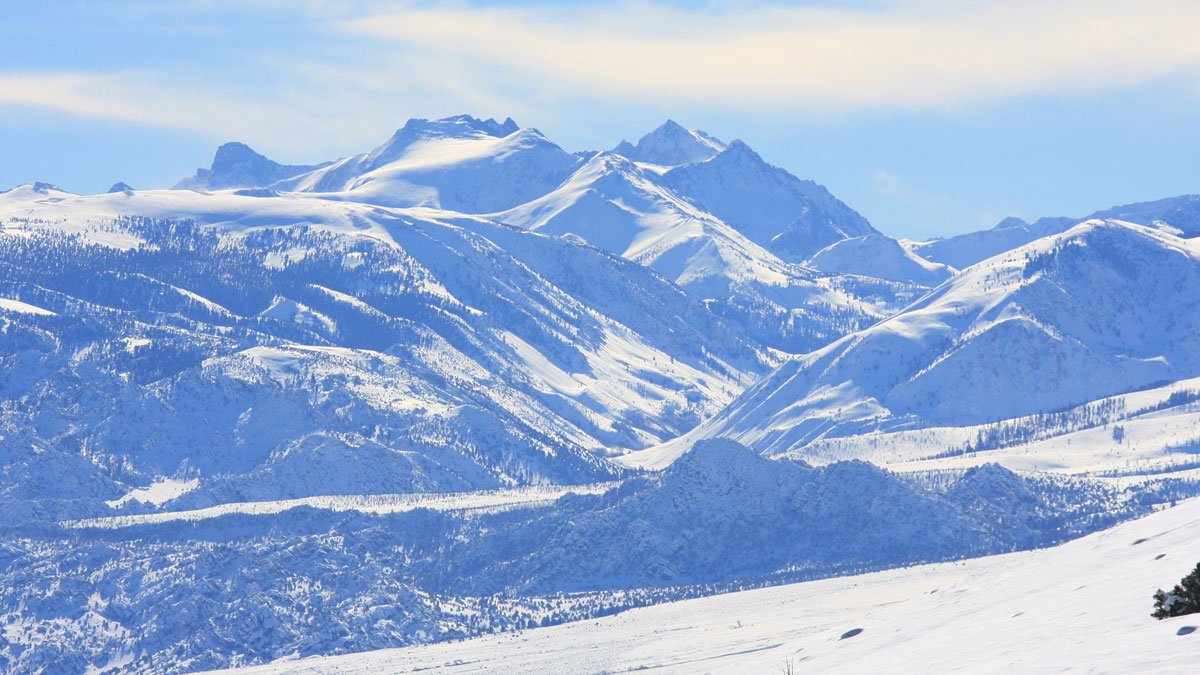
Shifts in Weather Patterns Vary by Region

Decisions about water use will have to reflect changing trends in the local hydroclimate.

Posted inNews
Chinese Architecture Evolved with Changes in Snowfall

Roof design in northern China changed over centuries in response to extreme snow events, new research suggests.

Posted inScience Updates
Navigating Miocene Ocean Temperatures for Insights into the Future
A new temperature data portal will aid scientists in tracking and accessing paleoclimate data from the Miocene, a past warm climate interval and future climate analogue.

Posted inENGAGE, Research Spotlights
Pyrenees Glaciers Are Rapidly Disappearing

Three of the remaining glaciers in the Pyrenees mountain range stopped flowing in the past decade.

Posted inENGAGE, News
How Do You Know If You’ve Experienced Global Warming?

Answering this question can help policymakers, scientists, and climate communicators develop more effective strategies to reach skeptics and deniers.

Posted inENGAGE, News
Degraded Coral Reefs May Be More Resistant to Climate Change
New research on Kiribati’s beleaguered atolls paints a complex picture of reef recovery.

Posted inResearch Spotlights
Long-Term Sea Level Cycle Affects Predictions of Future Rise

New research confirms the existence of a regular, long-term fluctuation in sea level, perhaps caused by processes in Earth’s core.
Posted inEditors' Highlights
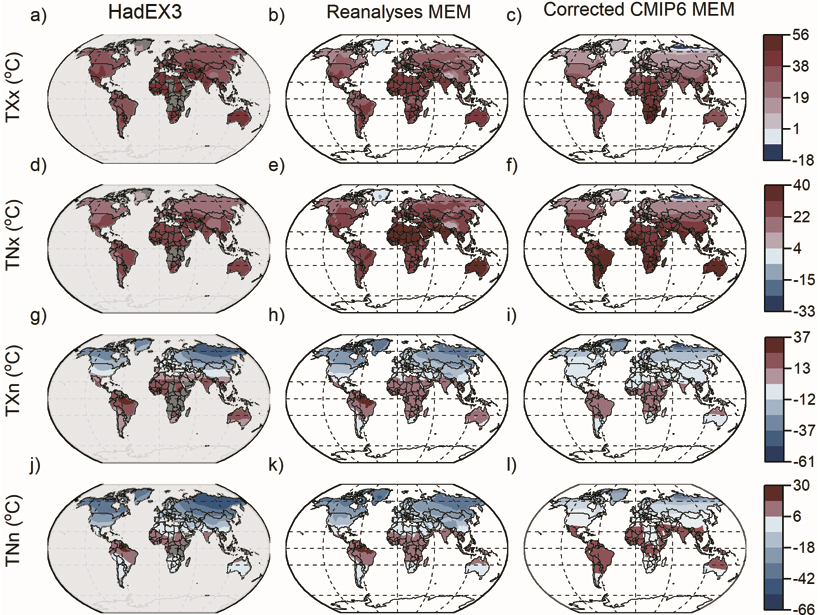
Temperature Extremes: Exploring the Global Outbreak
Using cutting-edge observations, reanalyses, and climate models, a new study projects the outbreak of temperature extremes over new global areas by 2100.