
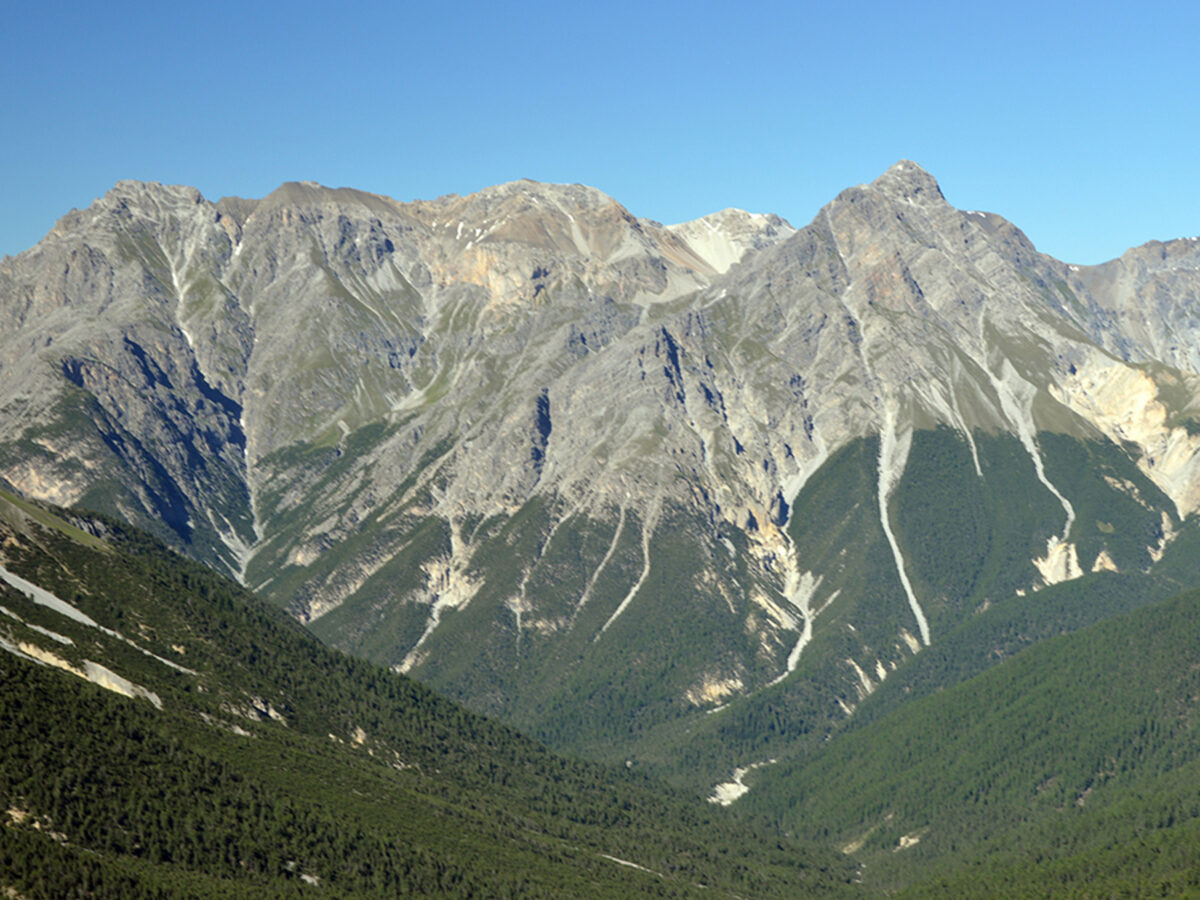

Between 2000 and 2020, 42% of tree lines around the world crept upward, largely because of climate change. But 25% moved downhill, seemingly because of factors such as land use changes and wildfires.
climate
Posted inResearch & Developments
2026 Has Already Broken Climate Records. El Niño Could Break More.

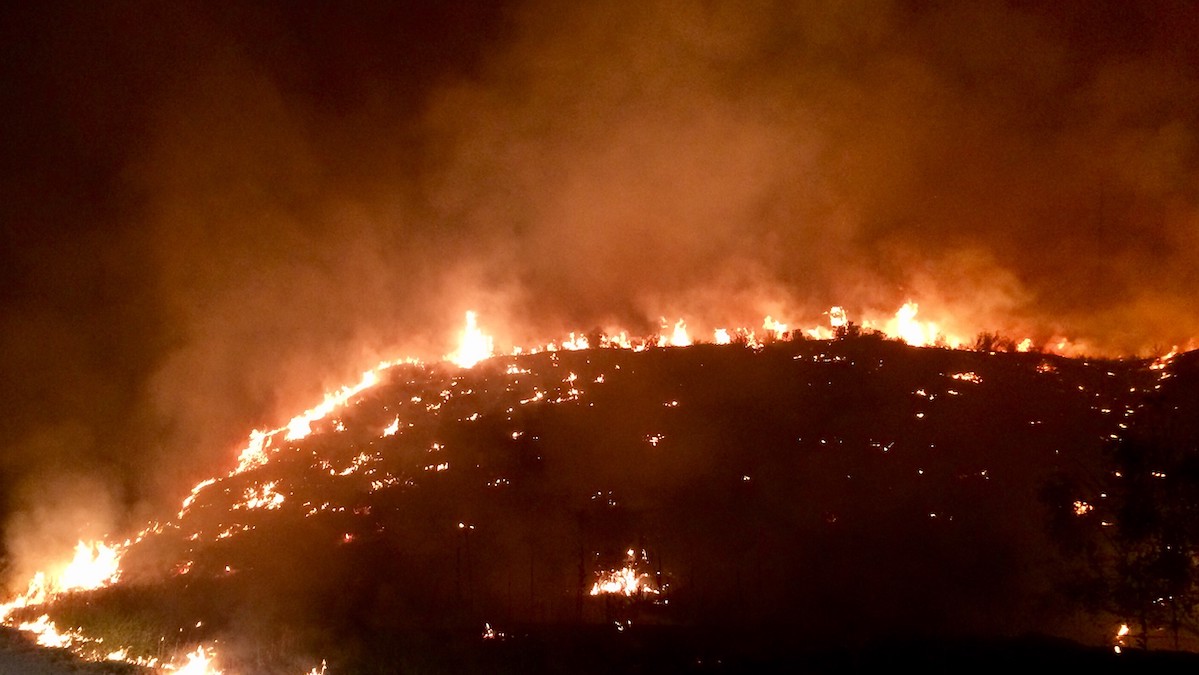
As the midpoint of the year approaches, several climate records have already been broken. Arctic winter sea ice extent reached a record low. Several countries saw record-breaking winter heat waves. And more than 150 million acres have already burned globally in wildfires.
Posted inNews
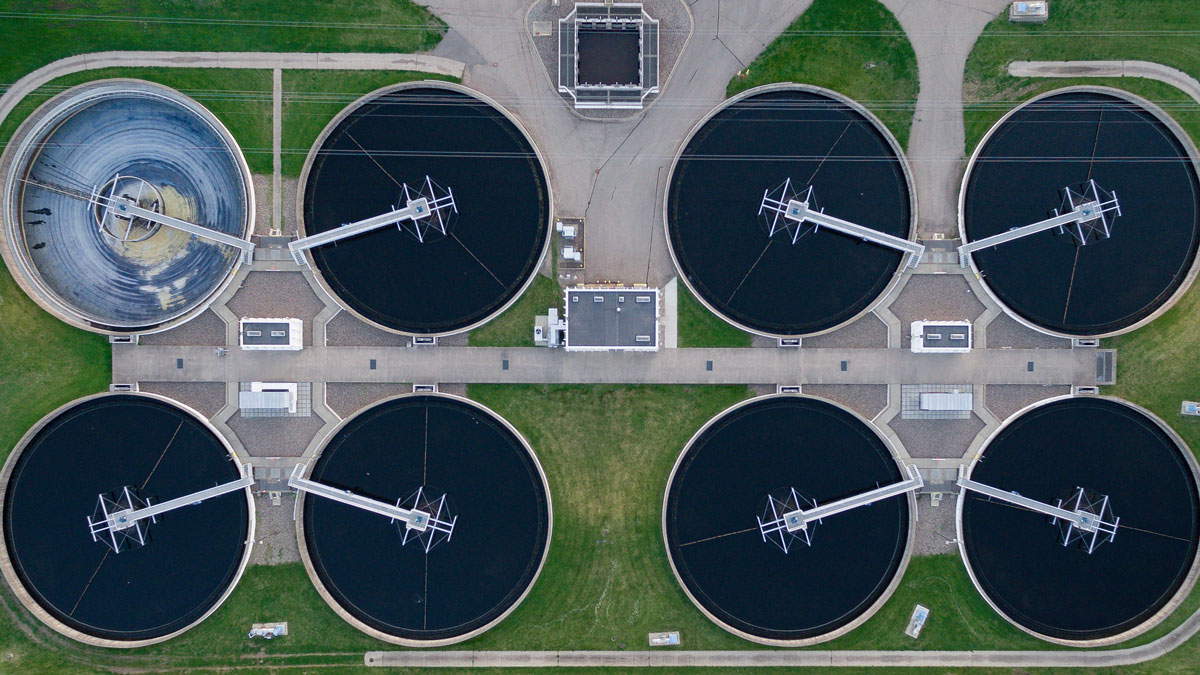
Urban Methane Emissions Are Rising, Despite Cities’ Pledges
Eyes in the sky could help cities get on track to decrease emissions of the potent greenhouse gas—and monitor whether their efforts are working.
Posted inThe Landslide Blog
Fatal landslides in April 2026
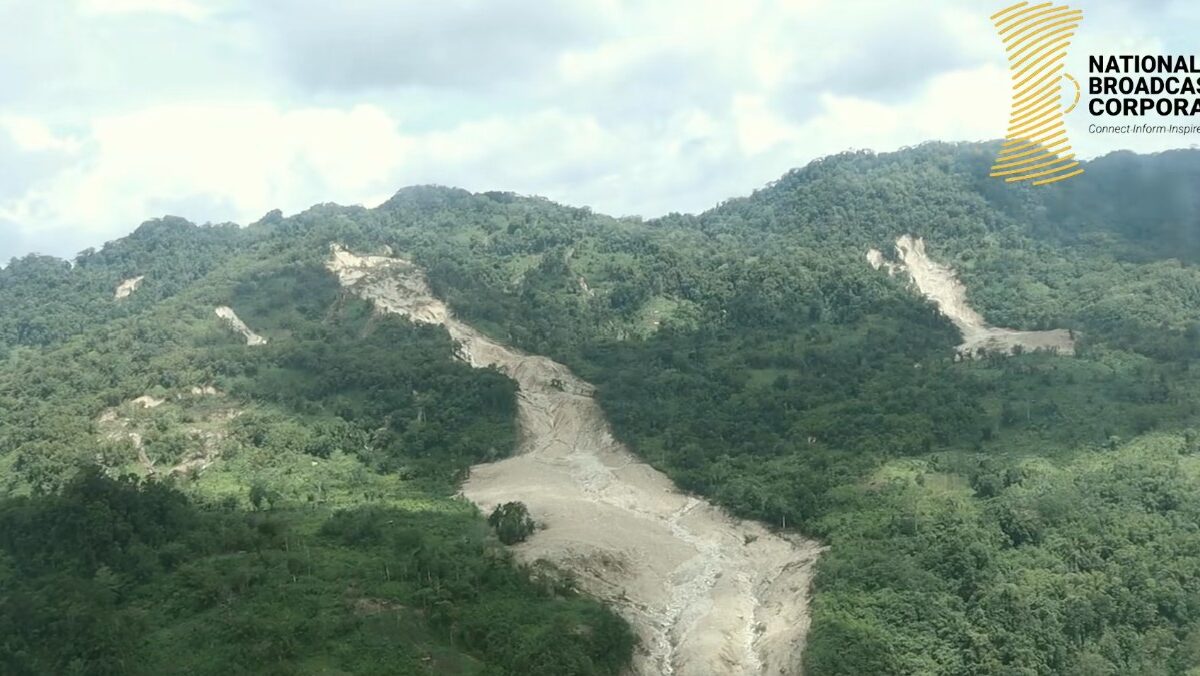
In April 2026 I recorded 36 fatal landslides causing 90 fatalities, the lowest monthly total for 2026 to date. This is my regular update for the number of fatal global landslides, focusing on March 2026. As usual, this data has been collected in line with the methodology described in Froude and Petley (2018) and in Petley (2012). References […]
Posted inNews
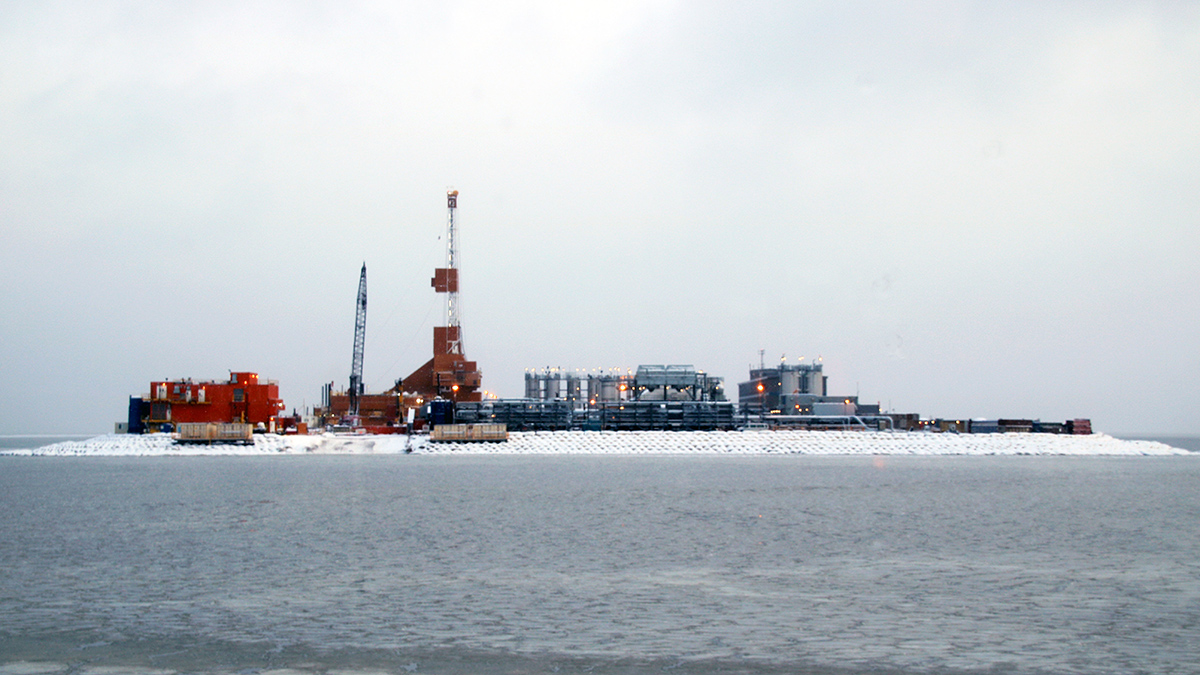
This Arctic Atlas Shows Where Oil and Gas Activities Overlap with Wildlife and Indigenous Communities
To slow climate change, the world must keep its fossil fuels in the ground. New maps of Arctic activities show where resources should stay put.
Posted inResearch Spotlights
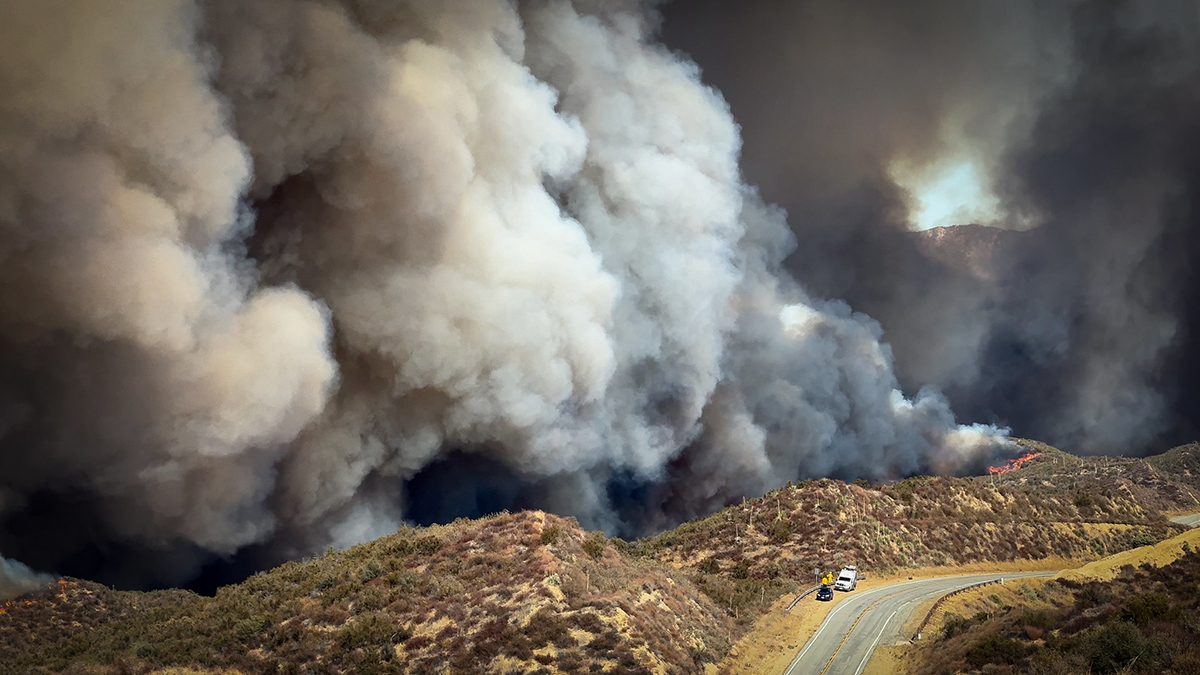
Want to Predict Wildfire Severity? Look to the State of Vegetation
A new study connects satellite data on vegetation condition, topography, and weather conditions to examine the predicted versus actual burn severity of the 2025 Los Angeles wildfires.
Posted inEditors' Highlights
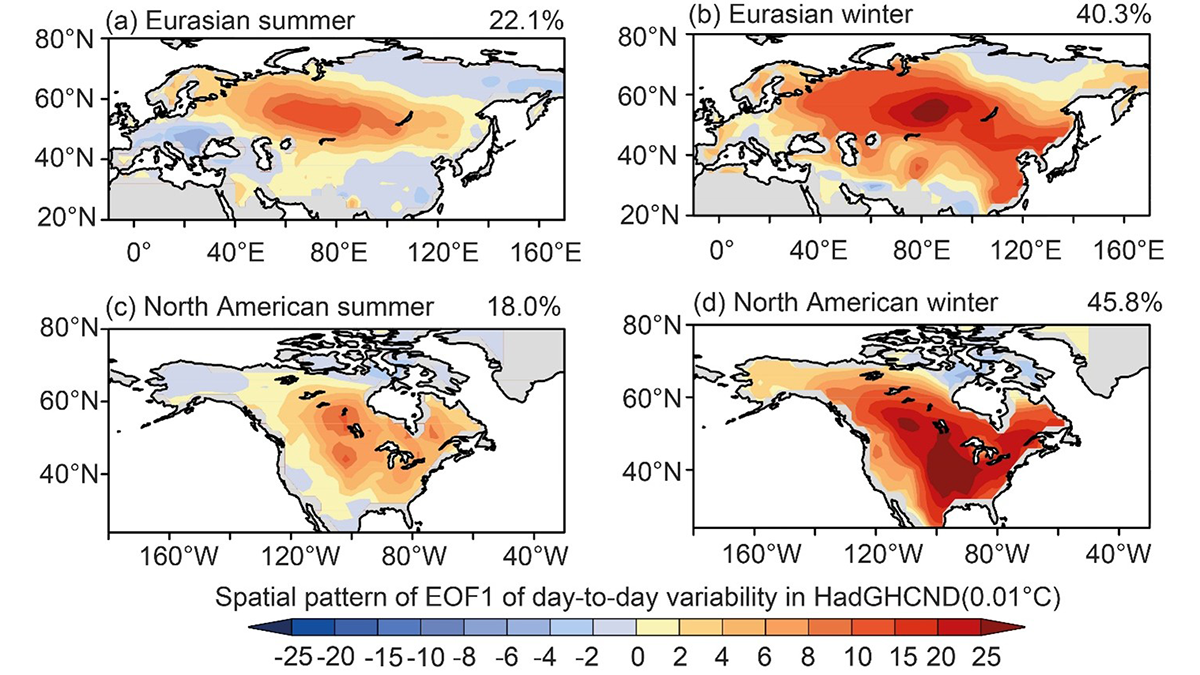
Drivers of Day-to-Day Temperature Swings Across Continents
Abrupt temperature swings aren’t random—large-scale air mass shifts and seasonal processes drive day-to-day variability across major Northern Hemisphere regions.
Posted inResearch Spotlights
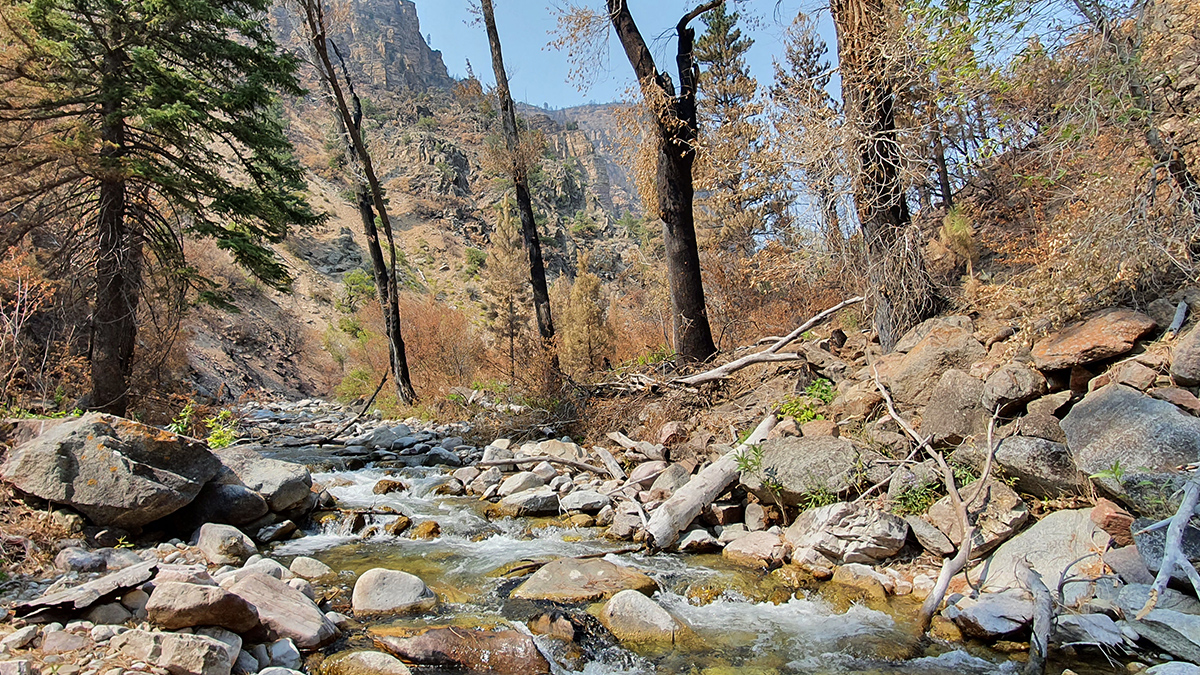
How Wildfires Worsen Flood Risk
A new approach to analyzing watersheds shows how storms occurring after a wildfire can have higher flooding risk than similar storms that occurred before a fire.
Posted inEditors' Highlights
Toward Marine Cloud Brightening at Scale: A Science Agenda
Marine Cloud Brightening (MCB) is a Solar Radiation Management (SRM) solution to cool the planet by changing the albedo of low-altitude marine clouds to increase reflected shortwave radiation.
Posted inNews
Antibiotic Resistance Might Get a Boost from Droughts

Drought has the potential to turn normal soils into perfect breeding grounds for antibiotic-resistant bacteria, new research has found.