
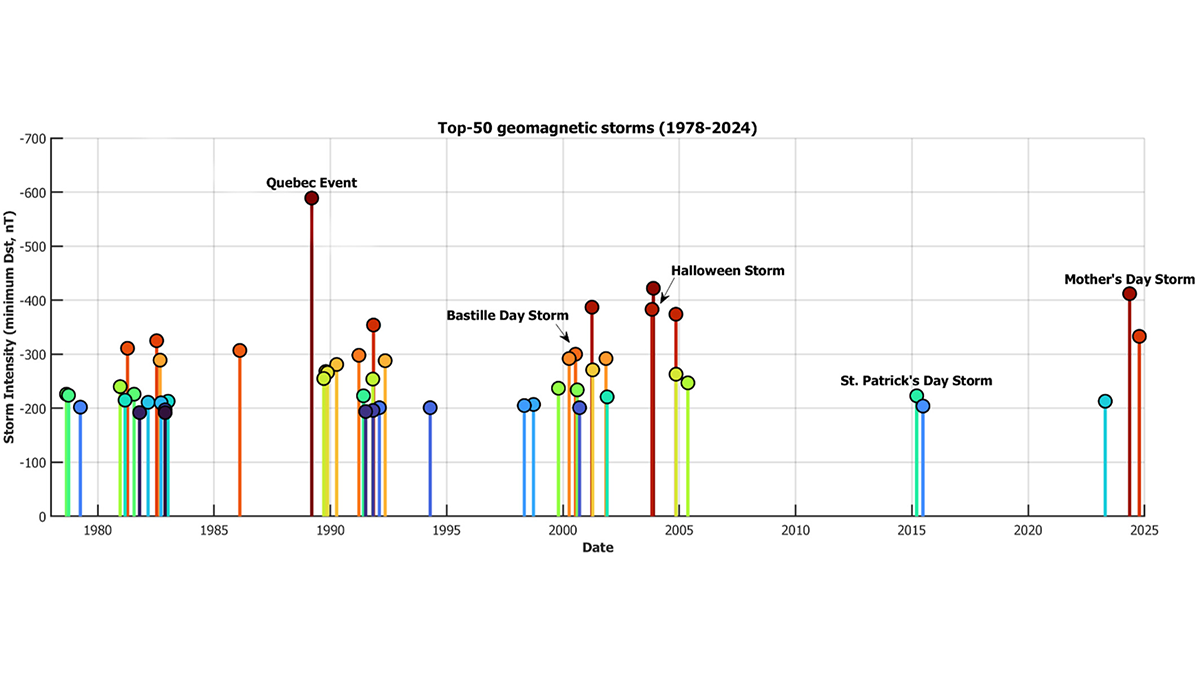
Mother’s Day Storm? Why not! Bastille Day Storm? Mais oui! Space scientists make the case for a standardized naming convention for geomagnetic storms, to increase public awareness and preparedness.
culture & policy
Posted inResearch & Developments
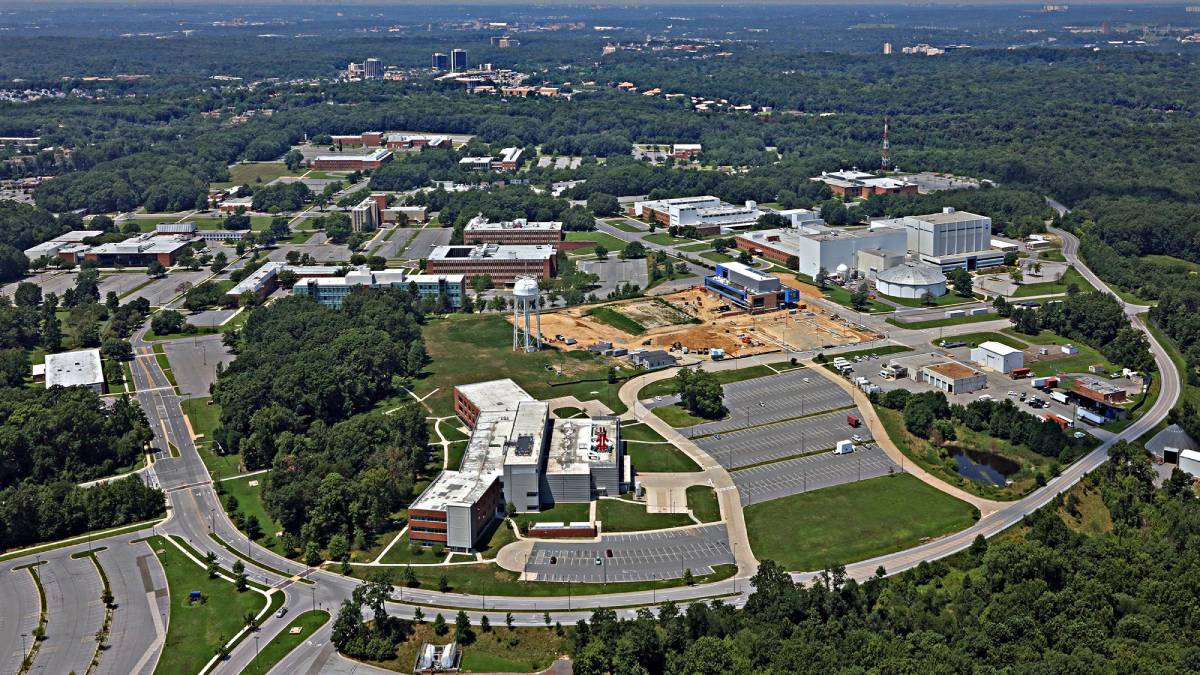
2,145 Senior-Level Staff to Leave NASA

At least 2,145 high-level NASA employees are set to leave as the agency faces high pressure from the Trump administration to reduce its staff.
Posted inResearch & Developments
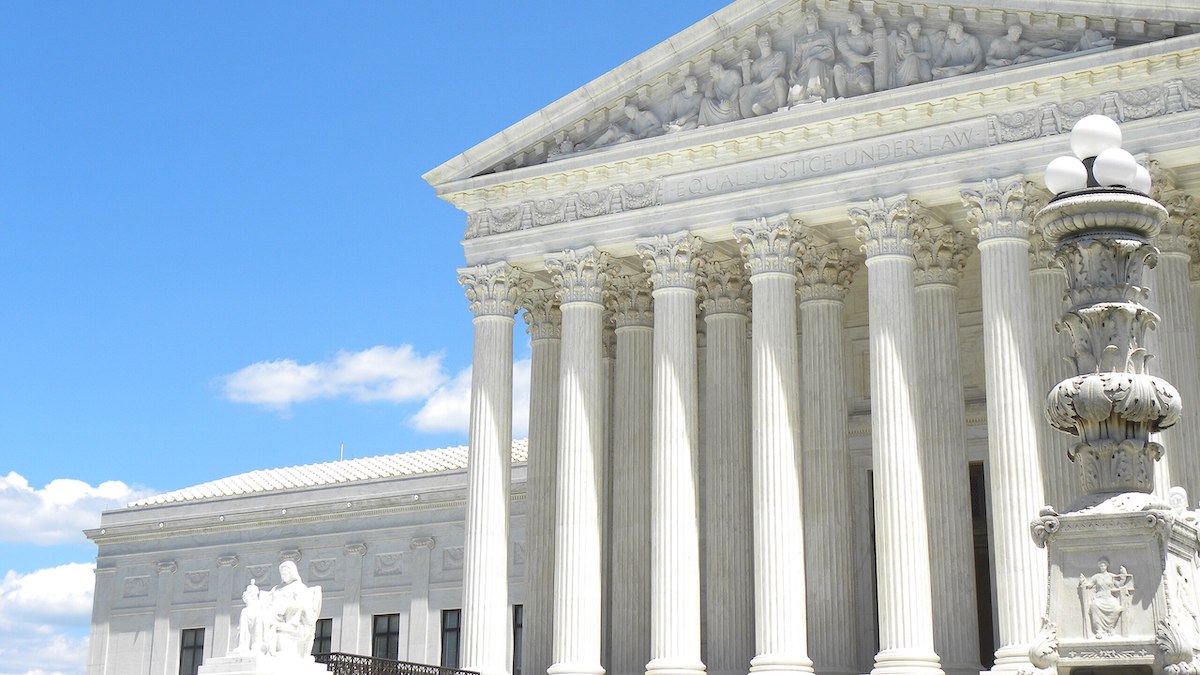
Supreme Court Lets Trump Proceed With Mass Firings

The Trump administration can act on its planned restructuring of the federal government, the United States Supreme Court announced in an 8 July decision.

Posted inResearch & Developments
House Passes Trump’s Spending Bill, With Consequences for the Climate
On 3 June, the U.S. House of Representatives passed a 940-page spending bill that provides trillions of dollars in tax cuts, boosts the fossil fuel industry, and dismantles incentives for clean energy.
Posted inResearch & Developments
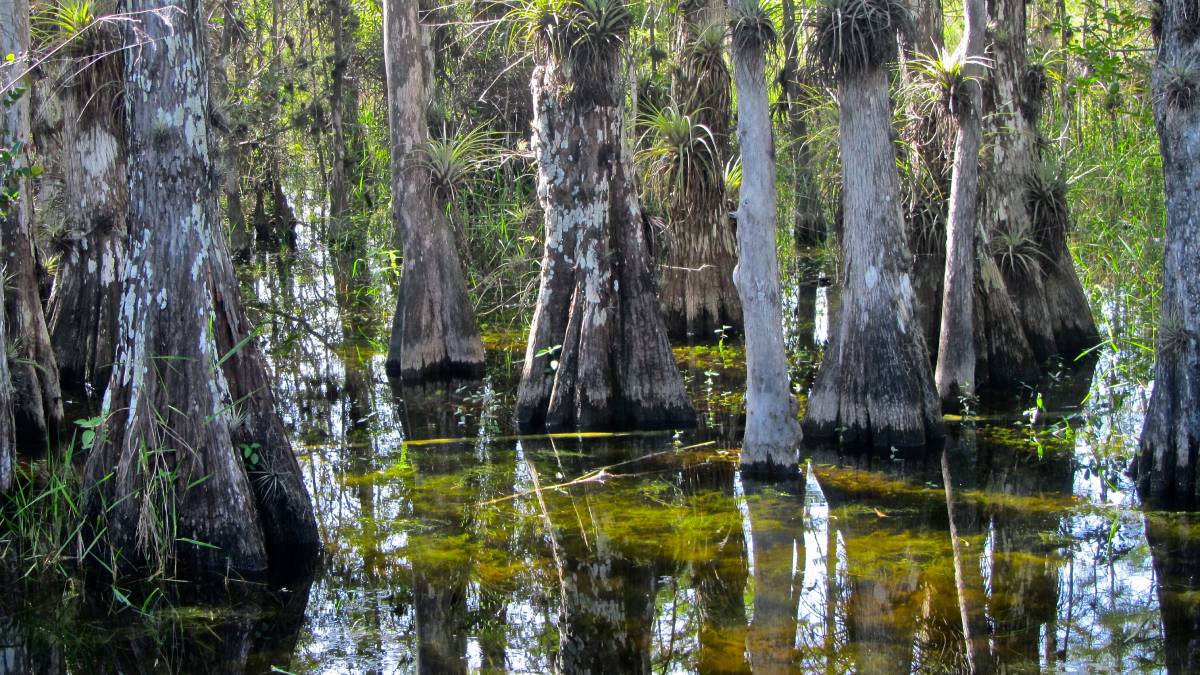
Environmental Groups Sue to Block Everglades Detention Facility
The groups assert that the facility will undermine decades’ of work and billions of dollars spent restoring and protecting the Everglades’ delicate ecosystem.

Posted inResearch Spotlights
What’s Changed—and What Hasn’t—Since the EPA’s Endangerment Finding
A scientist-authored brief played a role in the 2009 determination that greenhouse gases endanger public health. With the finding now up for reconsideration, the same scientists revisit their opinion.
Posted inResearch & Developments
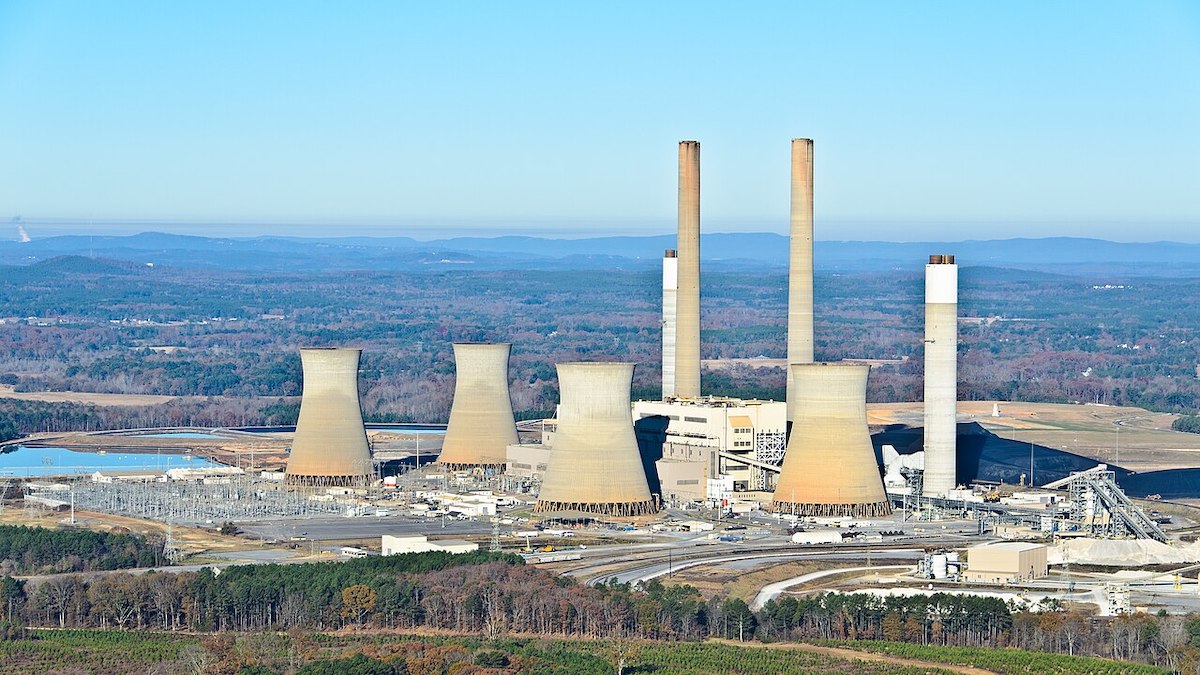
EPA Proposes Removal of Carbon Dioxide Limits on Power Plants
On 11 June, the Environmental Protection Agency announced a proposal to repeal federal limits on power plant carbon emissions, including a Biden-era rule requiring power plants to control 90% of their carbon pollution and a 2015 standard limiting carbon dioxide emissions from new fossil fuel-fired power plants.
Posted inResearch & Developments
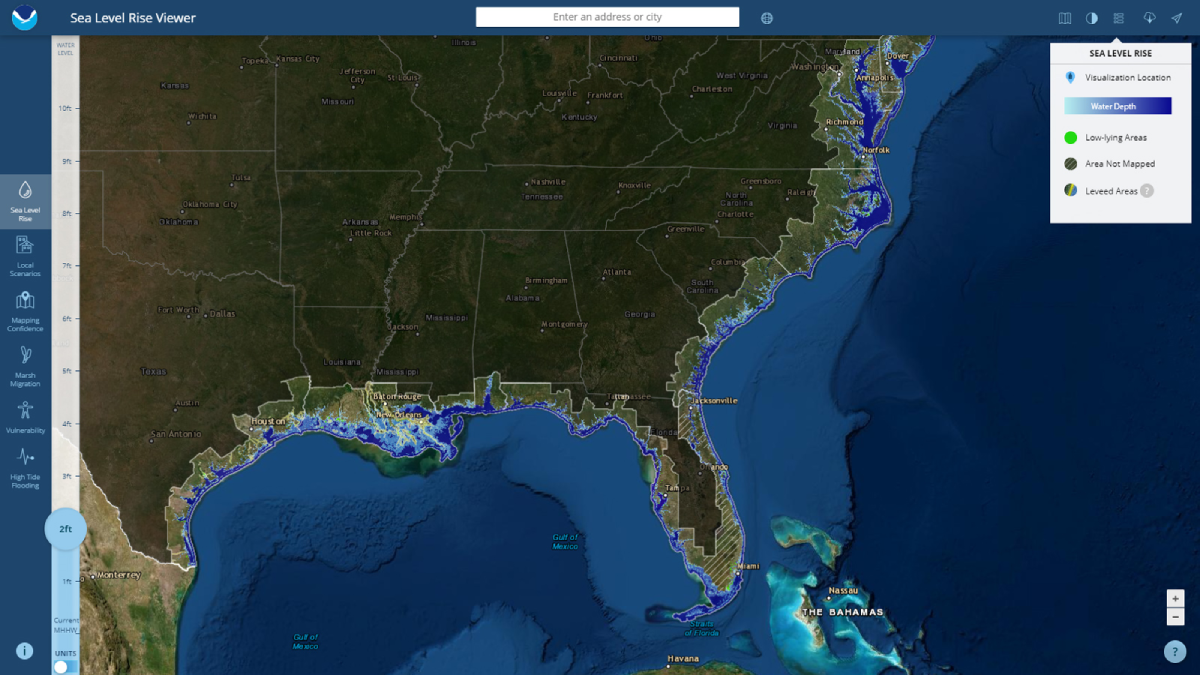
NOAA’s Climate Website May Soon Shut Down
Climate.gov, NOAA’s portal to the work of their Climate Program Office, will likely soon shut down as most of the staff charged with maintaining it were fired on 31 May.

Posted inResearch Spotlights
Former Department of Energy Leader Reflects on a Changing Landscape
The first person of color and first Earth scientist to serve as director of the Department of Energy’s Office of Science reflects on her career as the new administration works to dismantle key diversity programs.

Posted inResearch & Developments
Trump Withdraws Nomination for NASA Administrator
In a move that worried politicians and space scientists alike, President Trump announced on 31 May that he will withdraw his nomination of Jared Isaacman for the position of NASA administration.