

Applying World Heritage status to highly valuable environmental records would spotlight the vital insights they provide into how Earth is changing and would ensure their longevity and accessibility.
culture & policy
Posted inNews
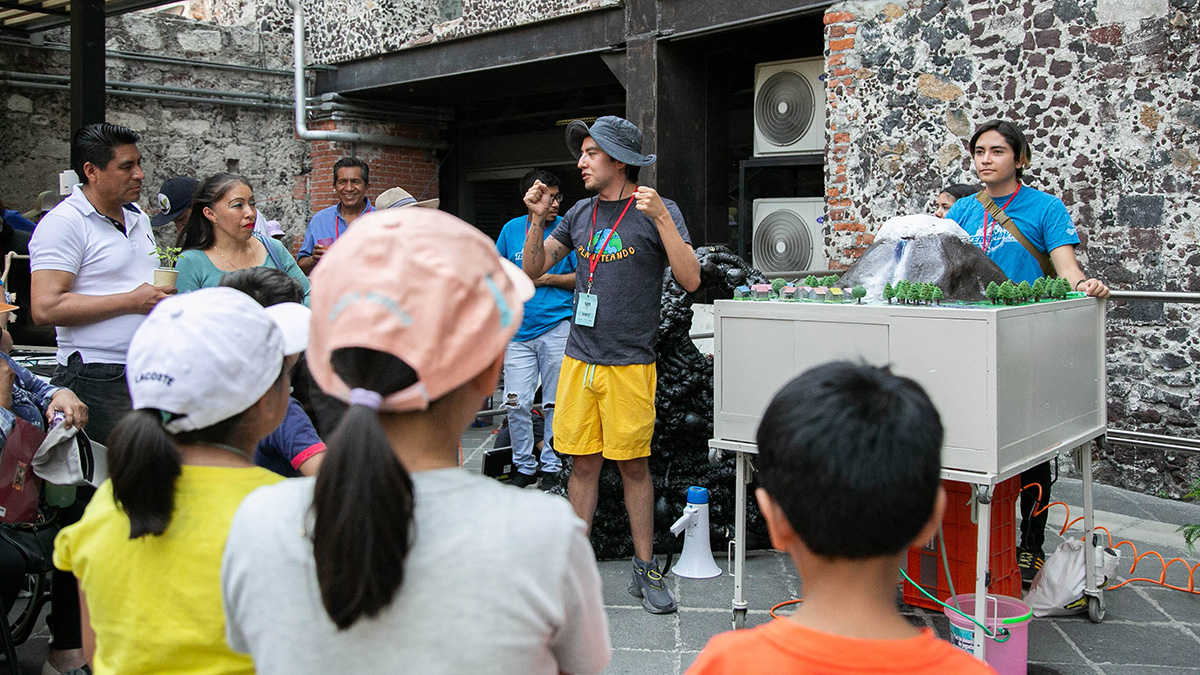
El festival más grande de ciencias de la Tierra en México atrae a las multitudes
Más de 1400 personas asistieron al Tierrafest 2023, un evento anual donde infancias, adolescentes, científicos y activistas comparten conocimiento sobre la Tierra y el ambiente en México.

Posted inNews
Para el 2100 la producción de alimentos podría contribuir con 1°C al calentamiento global
Un nuevo estudio separa las emisiones de gases de efecto invernadero provenientes de la agricultura, mostrando cómo lo que comemos calienta el planeta.
Posted inNews
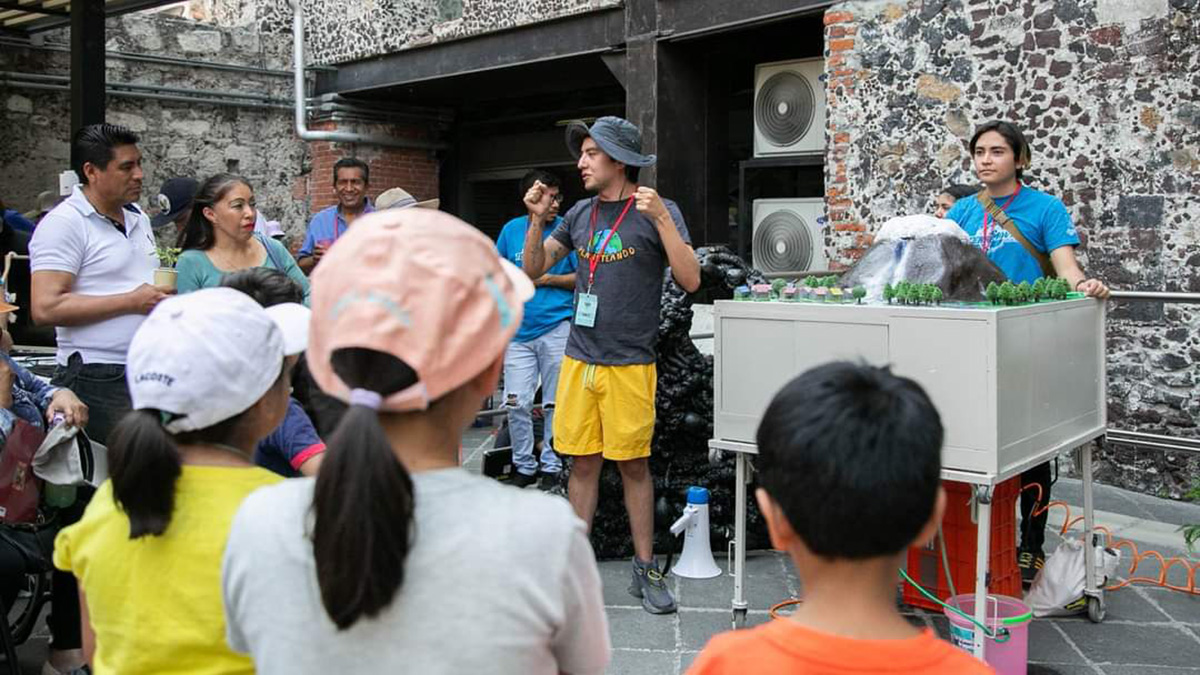
Mexico’s Biggest Earth Science Festival Draws Crowds
More than 1,400 people attended TierraFest 2023, an annual event where children, teenagers, scientists, and activists share knowledge about Earth sciences and the environment in Mexico.
Posted inNews
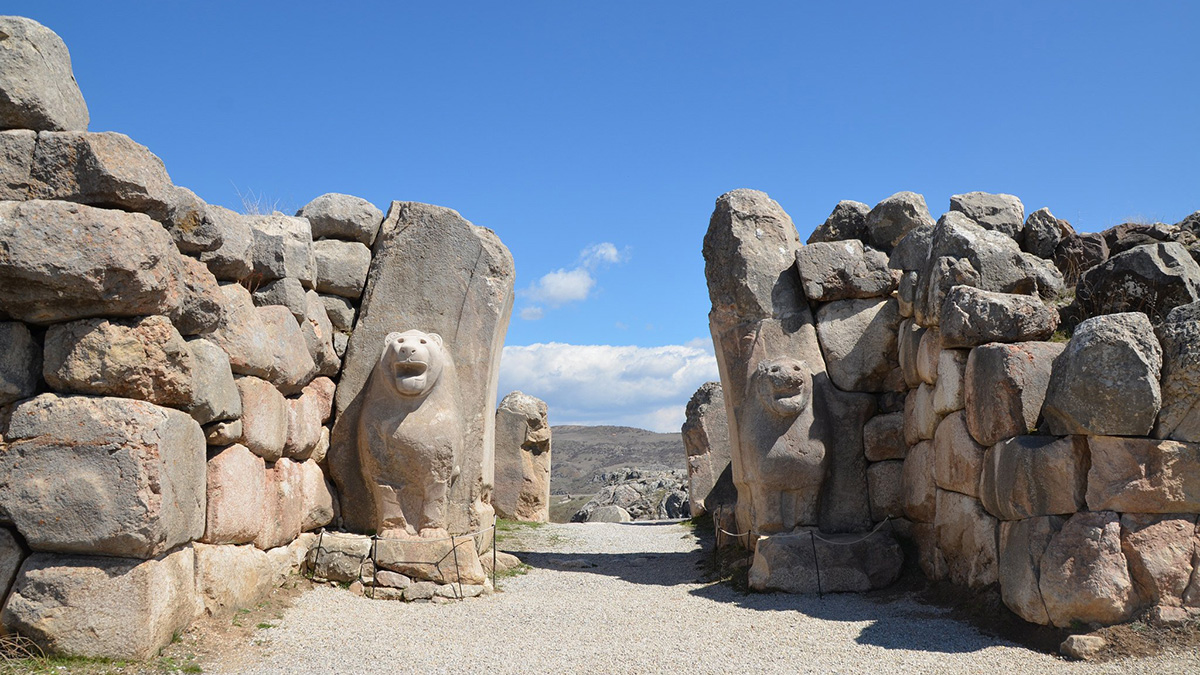
Tree Rings Hint at the Fall of the Hittite Empire
The Bronze Age civilization adapted to changes in climate but suffered during a prolonged crisis.
Posted inNews
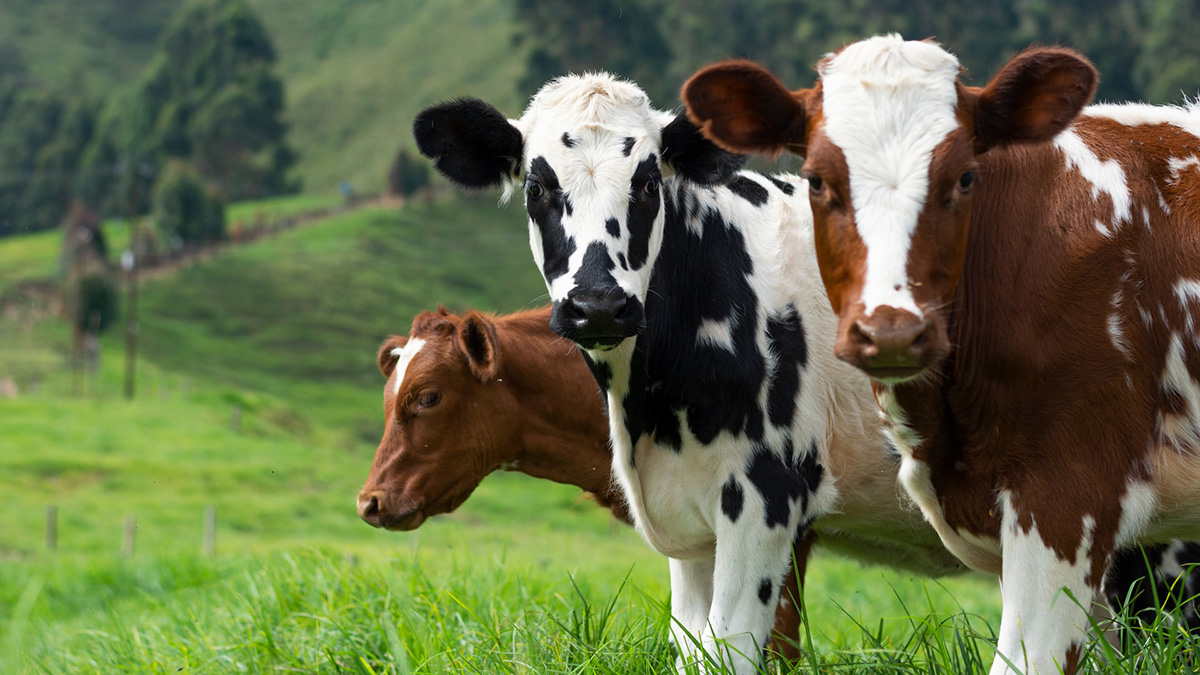
Food Production Could Add 1°C of Global Warming by 2100
A new study teases apart greenhouse gas emissions from agriculture, showing how the food we eat heats up the world.
Posted inFeatures
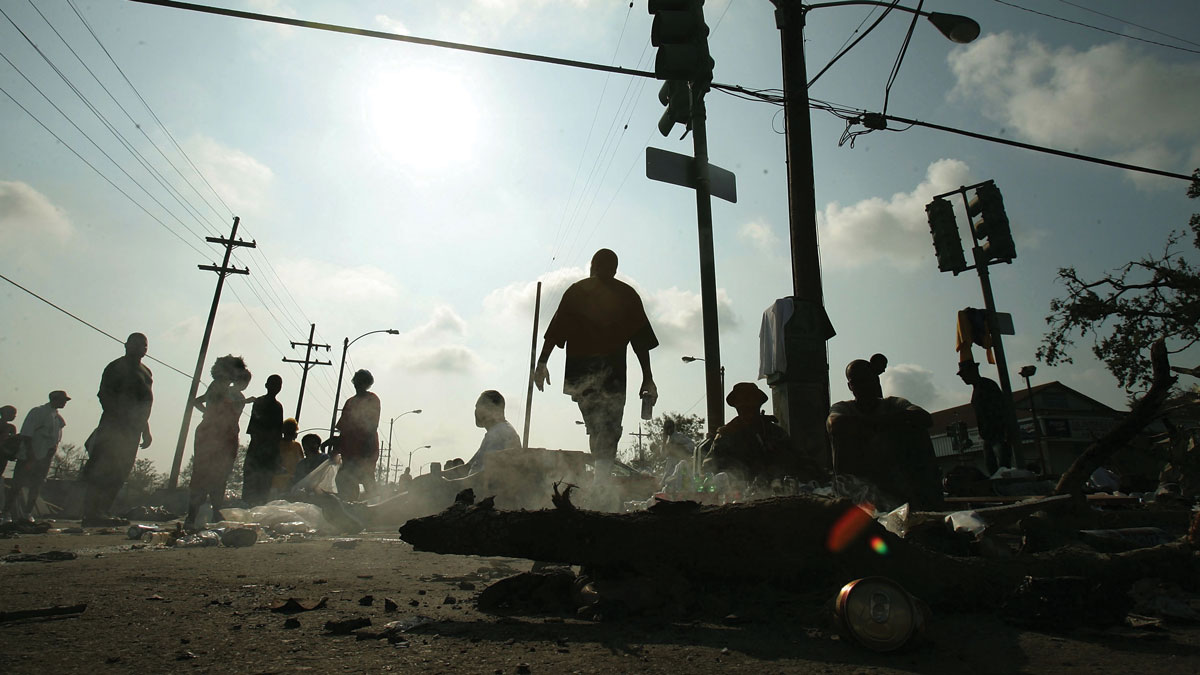
The Mental Toll of Climate Change

Researchers are more quickly acknowledging the many ways in which the global climate crisis is affecting our mental health.

Posted inENGAGE, News
Climate Change Knocks It Out of the Park

A climate curve ball: Short-term gains in home runs might soon give way to long-term problems when it gets too hot to play.
Posted inNews
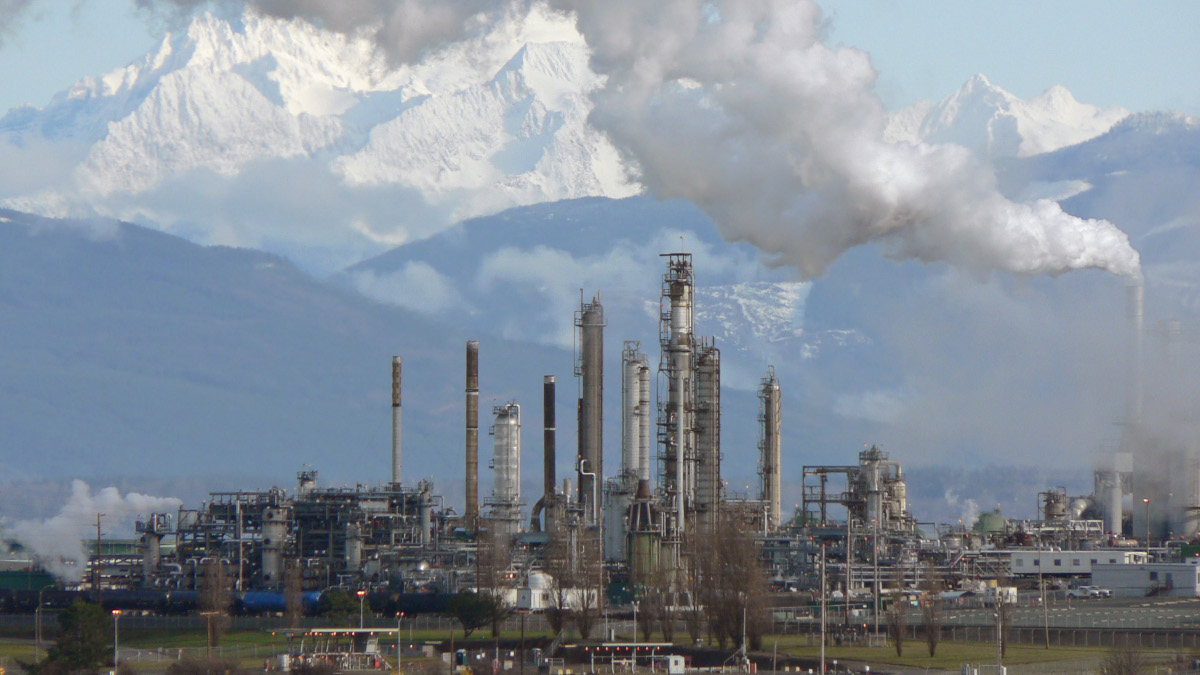
EPA Air Pollution Proposal Stirs Debate

The agency’s proposal to tighten standards for small-particulate pollution has prompted opposing calls for tighter and looser regulations.

Posted inEditors' Highlights
Collaboration Helps Overcome Challenges in Air Quality Monitoring
Everything looks ideal for collaboration: interest from community members, a new method for monitoring air quality by scientists, and interest from policymakers. What happens next?