
Cientistas e periódicos latino-americanos estão fortalecendo seus sistemas de pesquisa, avaliação, publicação e comunicação para redefinir ideias de sucesso profissional ditadas pelo Norte Global.
culture & policy
Posted inFeatures
Raising the Visibility of Latin American Science
Latin American scientists and journals are strengthening research, evaluation, publication, and communication systems to help redefine ideas of professional success that have largely been determined by the Global North.

Posted inFeatures
Climate Journalism Needs Voices from the Global South
Scientists from Africa, South America, and South Asia are more rarely consulted than their peers in the Global North. A new database aims to change that.

Posted inResearch Spotlights
U.S. Public Water Supply Is a Local Source of Phosphorus Pollution

Excess phosphorus may reach U.S. rivers, lakes, and groundwater through water main leaks and outdoor water use.
Posted inNews
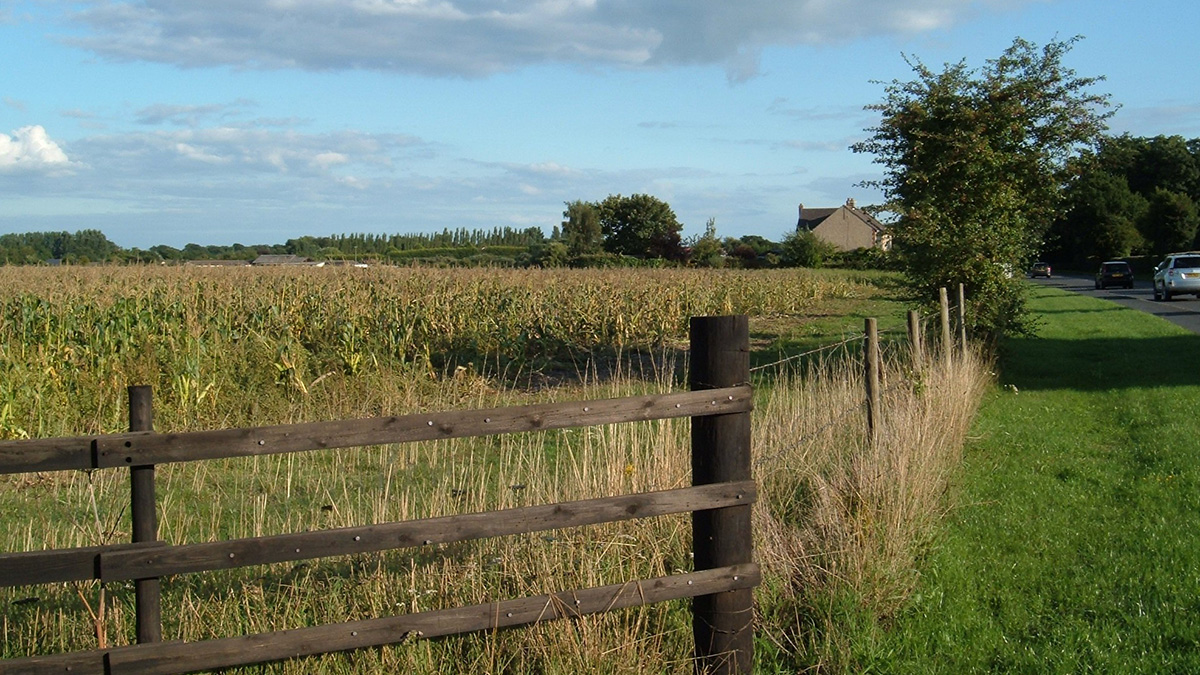
Conserving Biodiversity Could Alter Crop Production
Researchers examined the land use trade-offs that could come with protecting at-risk species. But some scientists question what should be prioritized.

Posted inNews
El papel central de la agricultura en el calendario de horizonte azteca
Los calendarios de horizonte fueron clave para medir el tiempo para las culturas pre-hispánicas de la cuenca del Valle de México. Un nuevo estudio sugiere que los calendarios se usaron para gestionar los ciclos agrícolas.
Posted inNews
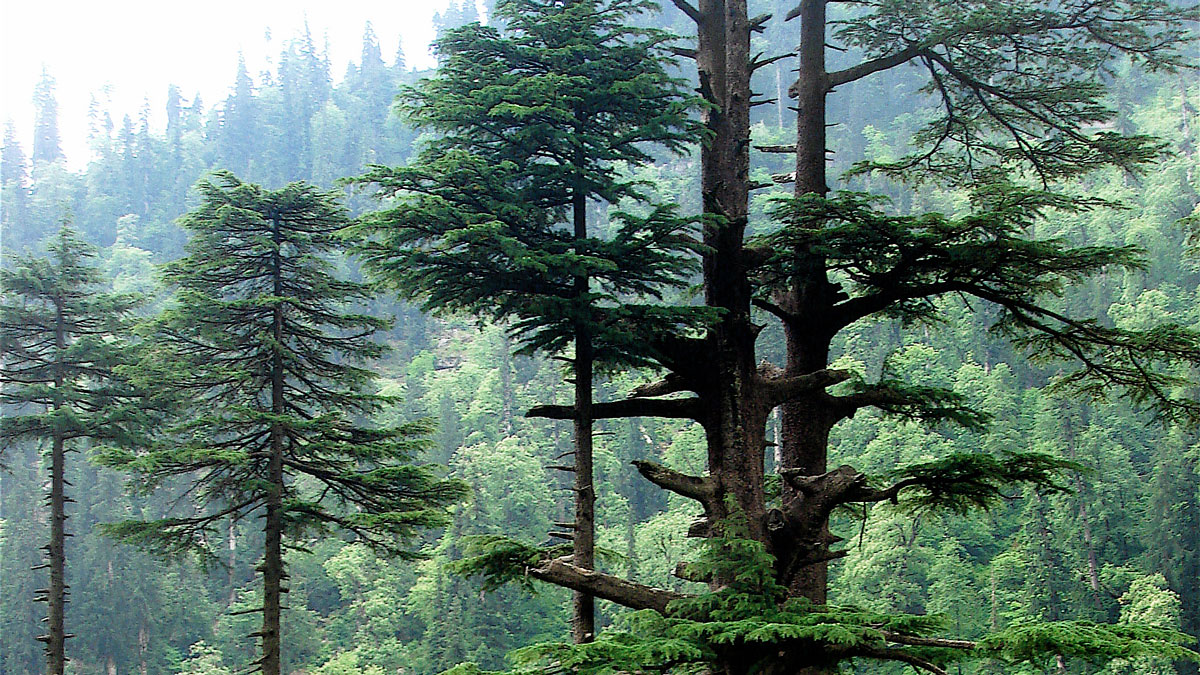
The Limits to Tree Planting in the Indian Himalayas

The Indian government has an ambitious forestry goal. New research shows it may be out of sync with environmental and social constraints.
Posted inNews
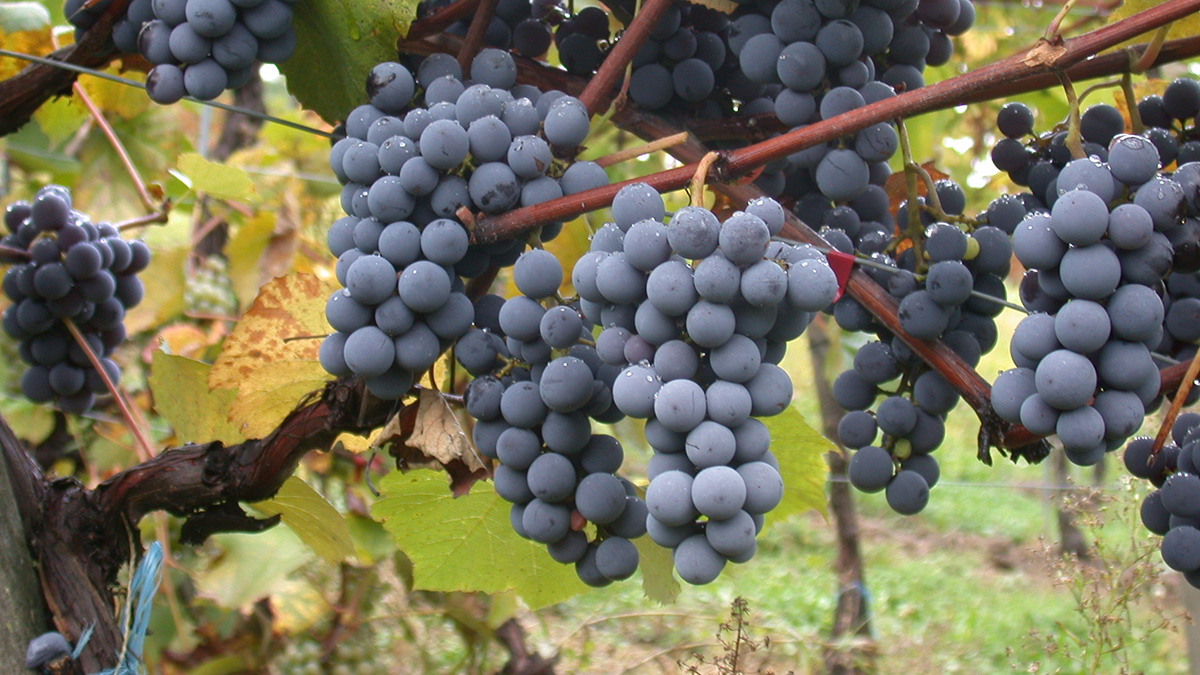
How Wine’s Origin Was Shaped by the Last Glacial Maximum

The harsh climate of the ice age influenced grapevine cultivation at the dawn of agriculture.

Posted inNews
Machine Learning Helps Researchers Track Illegal Fishing
Using machine learning, researchers found that nearly 20% of high seas fishing could be unauthorized.
Posted inFeatures
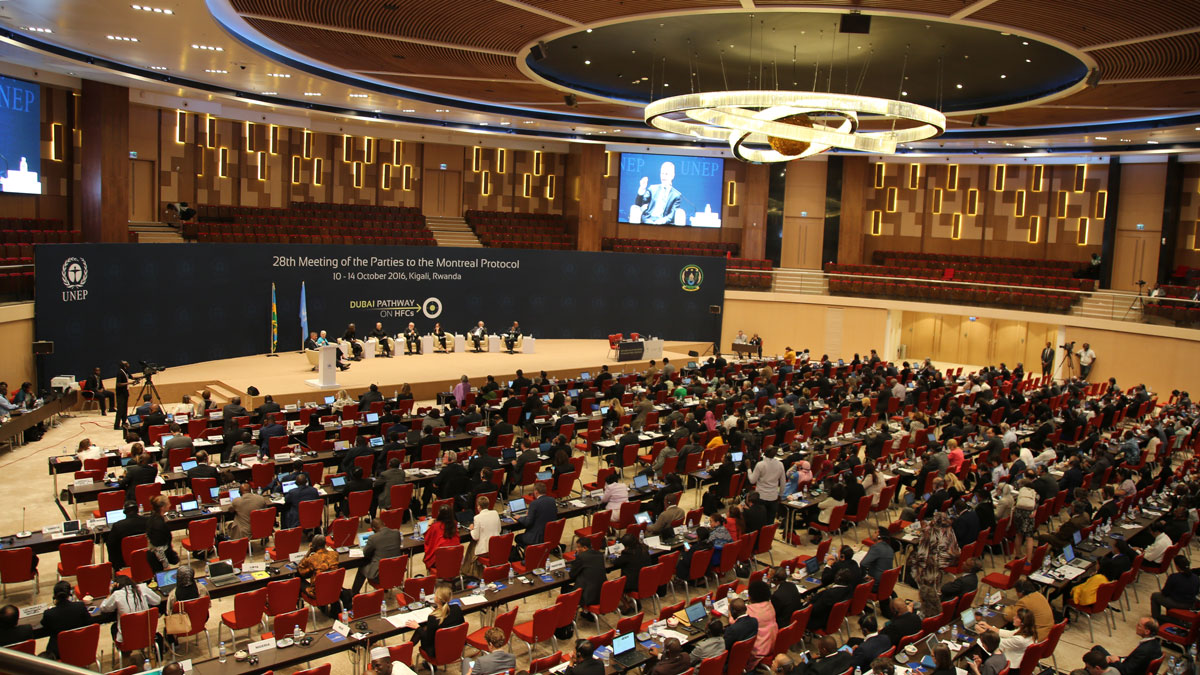
Estableciendo el marco para la acción climática bajo el Protocolo de Montreal
Doce artículos fueron la base científica para la rápida acción que reforzó el tratado, el cual ya estaba salvaguardando el ozono estratosférico, para que también protegiera el clima al reducir los super contaminantes.