


White principal investigators won a disproportionate share of National Science Foundation funding between 1996 and 2016, according to an analysis of public data.
culture & policy

Posted inNews
Satellite Data Reveal Uptick in Cover Cropping on Farms

Over the course of a decade, farmers growing corn and soybeans in the U.S. Midwest increased their adoption of cover cropping—a tenet of so-called conservation agriculture—by fourfold.
Posted inNews
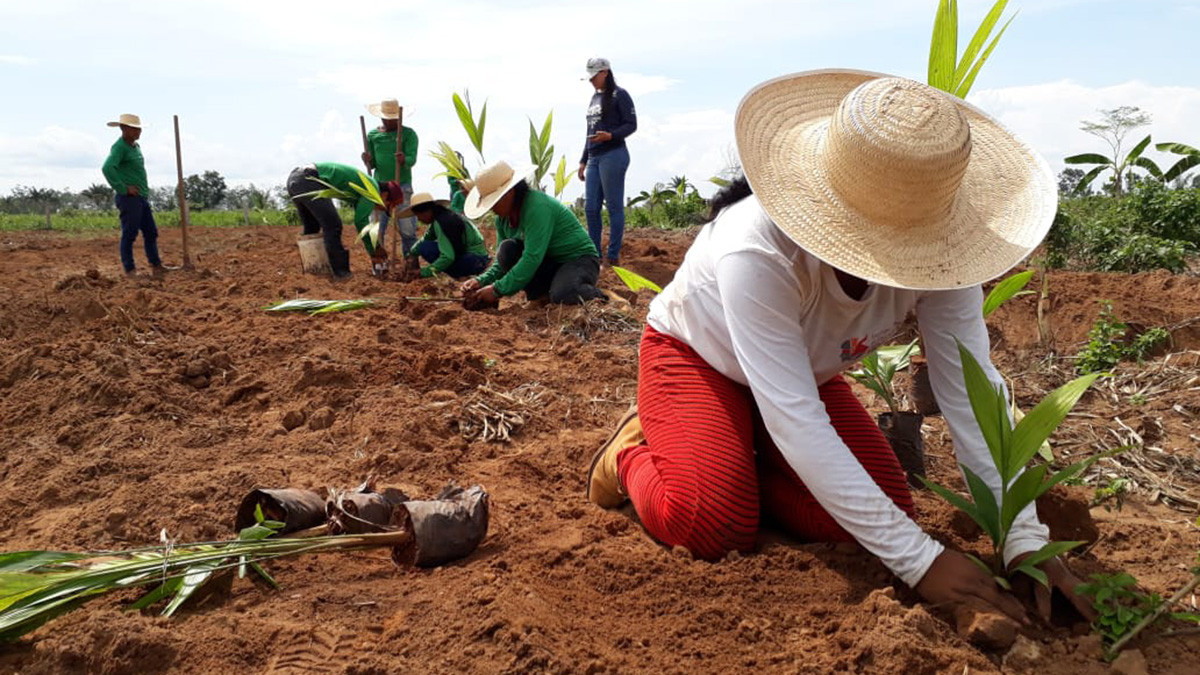
El conocimiento tradicional es esencial para la sustentabilidad en el Amazonas
Durante la COP26, el Panel Científico por la Amazonia enfatiza la necesidad del conocimiento indígena y local para orientar las recomendaciones científicas y políticas.

Posted inNews
Social Media Posts Reveal Human Responses to Deadly Tongan Eruption
Quantifying human responses to natural disasters could improve preparation for future threats, scientists say.

Posted inENGAGE, News
Were Impressionist Masters Painting a Polluted Reality?
Image analysis suggests that artists’ styles evolved in sync with increasing air pollution during the Industrial Revolution.

Posted inNews
Protecting Poor Neighborhoods from Landslide Risk
As low-income, informal settlements bloom in the tropics, their risk of landslides increases. A new modeling tool incorporates urbanization factors to protect the region’s poorest neighborhoods.

Posted inNews
10 perspectivas científicas para la COP27
Mientras las naciones se reunían en Sharm El-Sheikh, Egipto, los principales científicos del clima compartieron un nuevo informe para apoyar una política más eficaz.

Posted inAGU News
Science Leads the Future, and the Future Is Now
In our annual double issue, Eos shares how scientists are defining the future with their work today.

Posted inFeatures
Are We Entering the Golden Age of Climate Modeling?

Thanks to the advent of exascale computing, local climate forecasts may soon be a reality. And they’re not just for scientists anymore.

Posted inNews
10 Science Insights for COP27
As nations convene in Sharm El-Sheikh, Egypt, leading climate scientists share a new report to support more effective policy.