
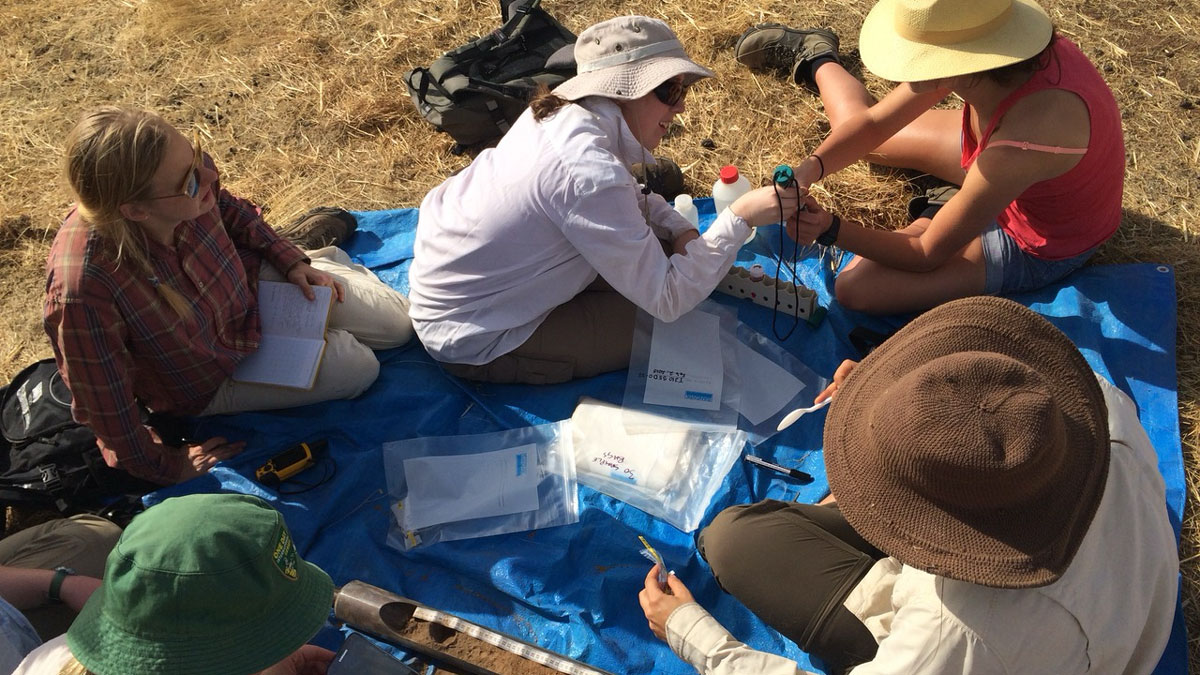
A new survey documents the prevalence of harmful interactions that occur during fieldwork. Many instances go officially unreported.
early-career researchers
Posted inOpinions
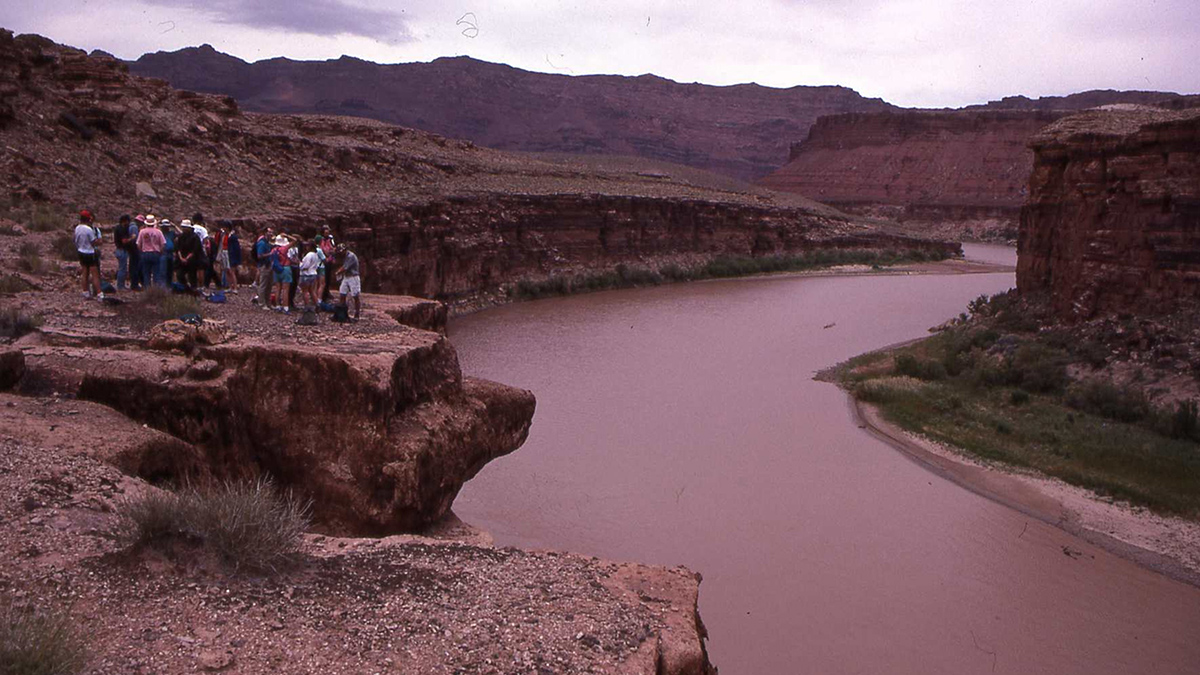
Prioritizing Quality Before Synthesis in Paleoenvironmental Hazard Science
The field needs methodological and workforce development. A proposed new center should invest there first.
Posted inFeatures
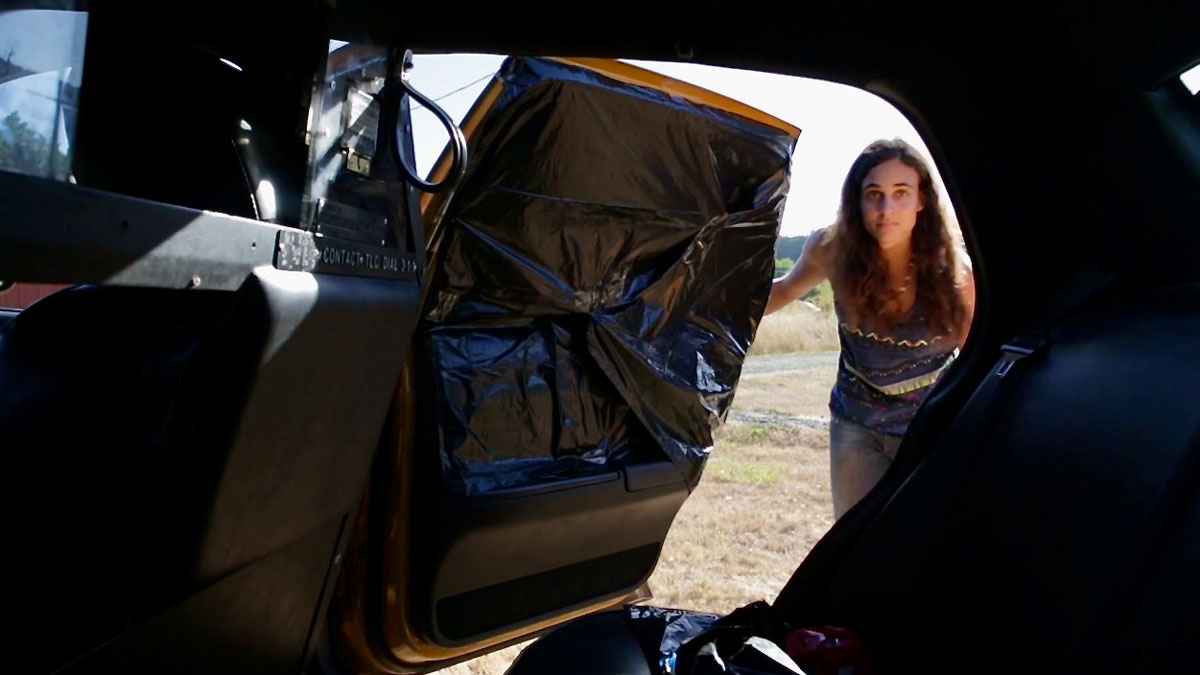
Maoya Bassiouni: Curiouser and Curiouser

Growing up, this art lover had no idea she would someday become a scientist. Today, her curiosity is helping explore the intersection of atmospheric data and immersive art.
Posted inFeatures
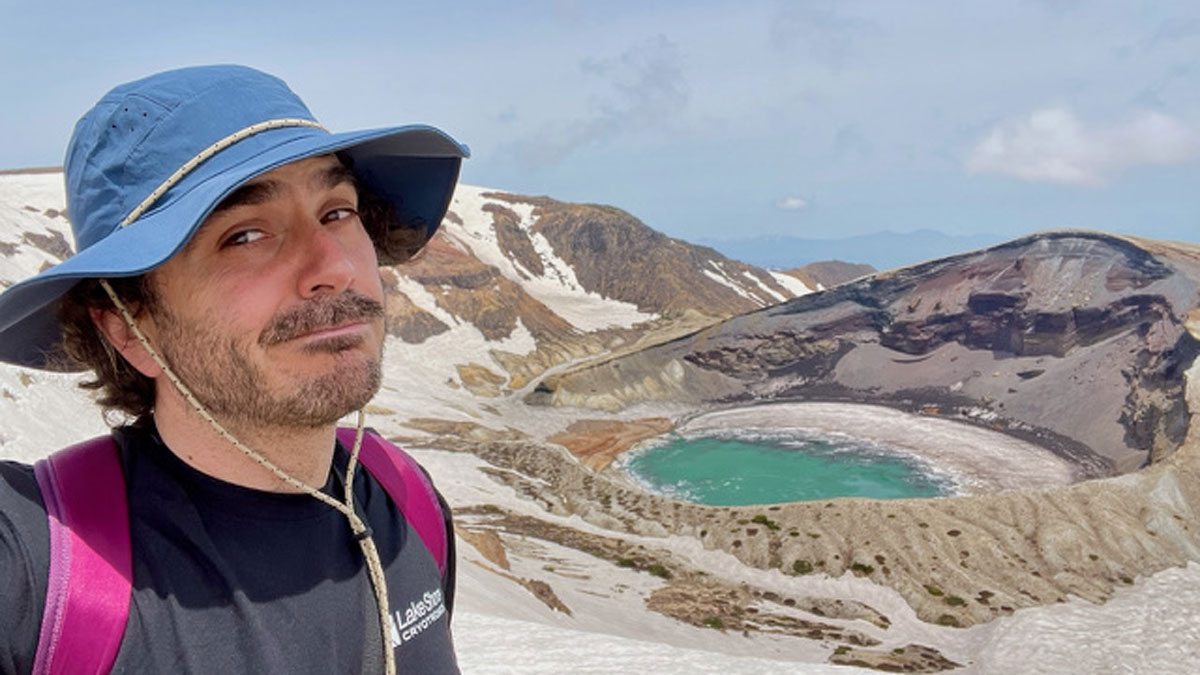
Daniel Pastor-Galán: Studying Ancient Earth, with a Little Help from His Friends
This rock lover carries his musical inspirations with him as he peers far back in geologic time.

Posted inResearch & Developments
NSF Eliminates Geoscience Postdocs
The National Science Foundation (NSF) has eliminated its postdoctoral fellowship funding for Earth scientists.

Posted inEditors' Vox
Announcing the Inaugural AGU Advances Early Career Editorial Fellows

AGU Advances launches its Early Career Editorial Fellow program, welcoming three early career scientists to the editorial board.
Posted inOpinions
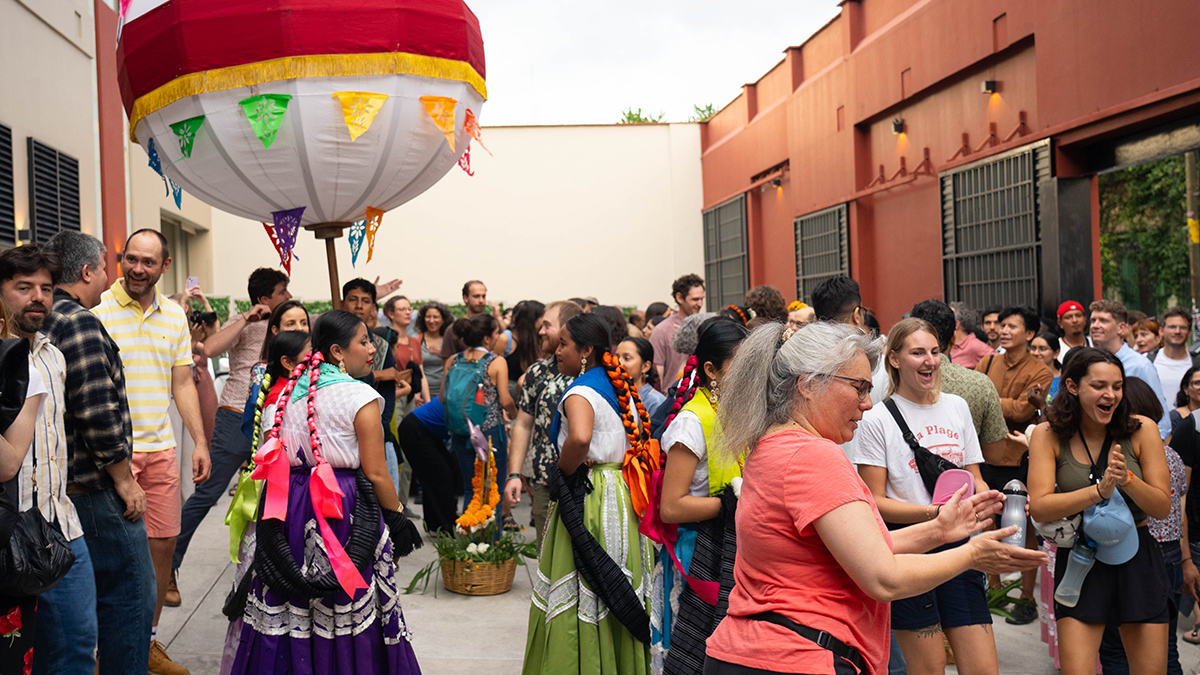
Creating Communities to Help Interdisciplinary Scientists Thrive
Solving complex challenges often requires diverse expertise, but skepticism remains within traditional academic institutions and mindsets regarding interdisciplinary science and scientists.

Posted inResearch & Developments
Graduate Students’ NSF Fellowship Applications Are Being “Returned Without Review”
Graduate students applying for NSF funding have had their applications returned without review—even though their proposed research appears to fall squarely within the fields of study outlined in the program solicitation.
Posted inScience Updates
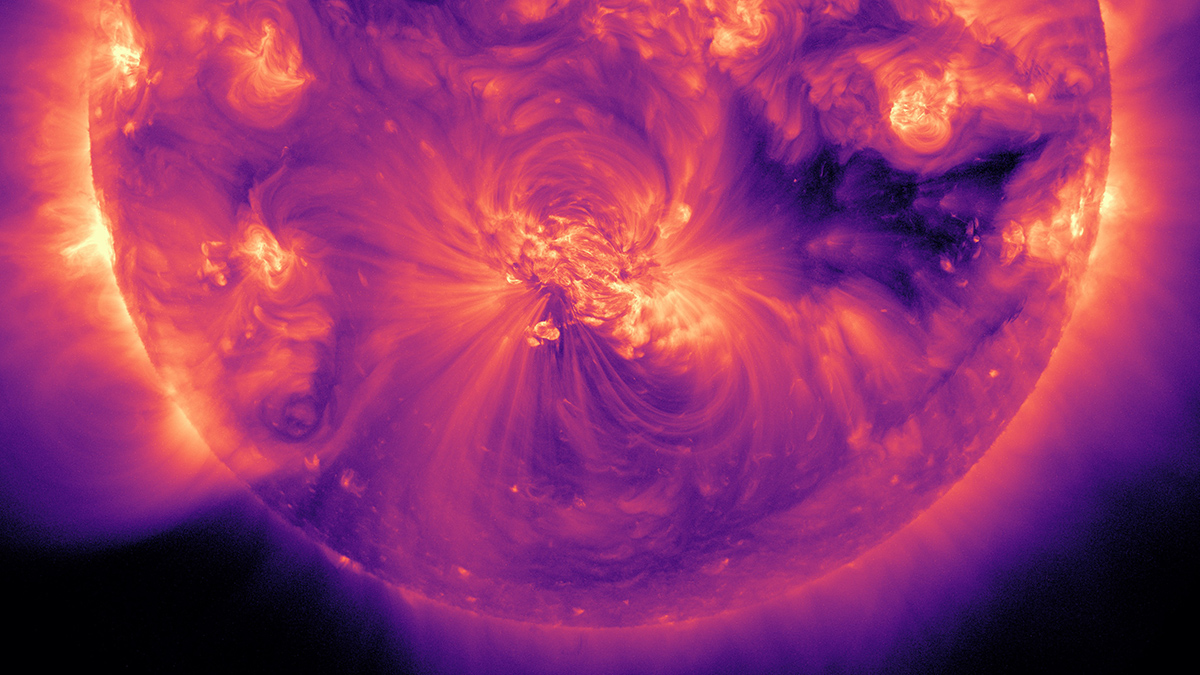
Shining a Light on the People Behind Solar Science
A new database provides a comprehensive who’s who of scientists in solar and heliospheric physics research, offering a valuable resource for that community and a model for other fields to follow.
Posted inEditors' Vox
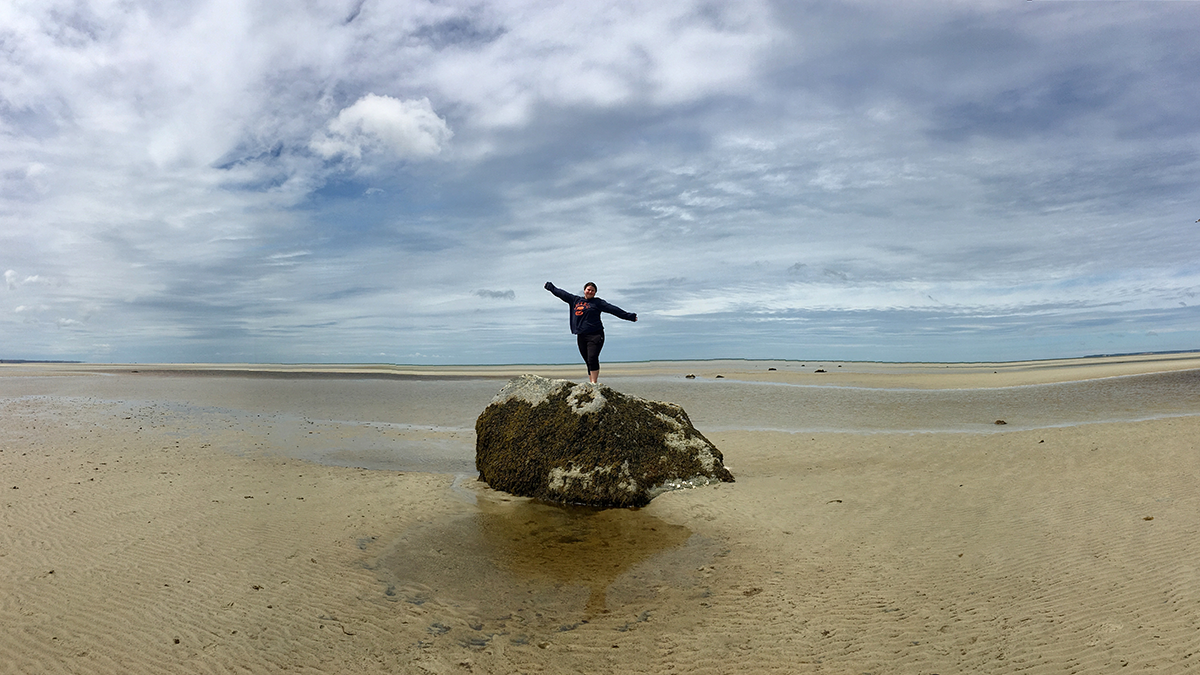
All Publish, No Perish: Three Months on the Other Side of Publishing
AGU Publications’ 2025 summer intern reflects on her experiences over the past three months and looks ahead to the future.