• About
  • Special Reports
  • Topics
    • Climate
    • Earth Science
    • Oceans
    • Space & Planets
    • Health & Ecosystems
    • Culture & Policy
    • Education & Careers
    • Opinions
  • Projects
    • Postcards From the Field
    • ENGAGE
    • Editors’ Highlights
    • Editors’ Vox
    • Eos en Español
    • Eos 简体中文版
    • Print Archive: 2015–2025
  • Policy Tracker
  • Blogs
    • Research & Developments
    • The Landslide Blog
  • Newsletter
  • Submit to Eos
  • AGU.org
  • Career Center
  • Join AGU
  • Give to AGU
  • About
  • Special Reports
  • Topics
    • Climate
    • Earth Science
    • Oceans
    • Space & Planets
    • Health & Ecosystems
    • Culture & Policy
    • Education & Careers
    • Opinions
  • Projects
    • Postcards From the Field
    • ENGAGE
    • Editors’ Highlights
    • Editors’ Vox
    • Eos en Español
    • Eos 简体中文版
    • Print Archive: 2015–2025
  • Policy Tracker
  • Blogs
    • Research & Developments
    • The Landslide Blog
  • Newsletter
  • Submit to Eos
Skip to content
  • AGU.org
  • Career Center
  • Join AGU
  • Give to AGU
Eos

Eos

Science News by AGU

Support Eos
Sign Up for Newsletter
  • About
  • Special Reports
  • Topics
    • Climate
    • Earth Science
    • Oceans
    • Space & Planets
    • Health & Ecosystems
    • Culture & Policy
    • Education & Careers
    • Opinions
  • Projects
    • Postcards From the Field
    • ENGAGE
    • Editors’ Highlights
    • Editors’ Vox
    • Eos en Español
    • Eos 简体中文版
    • Print Archive: 2015–2025
  • Policy Tracker
  • Blogs
    • Research & Developments
    • The Landslide Blog
  • Newsletter
  • Submit to Eos

Earth science

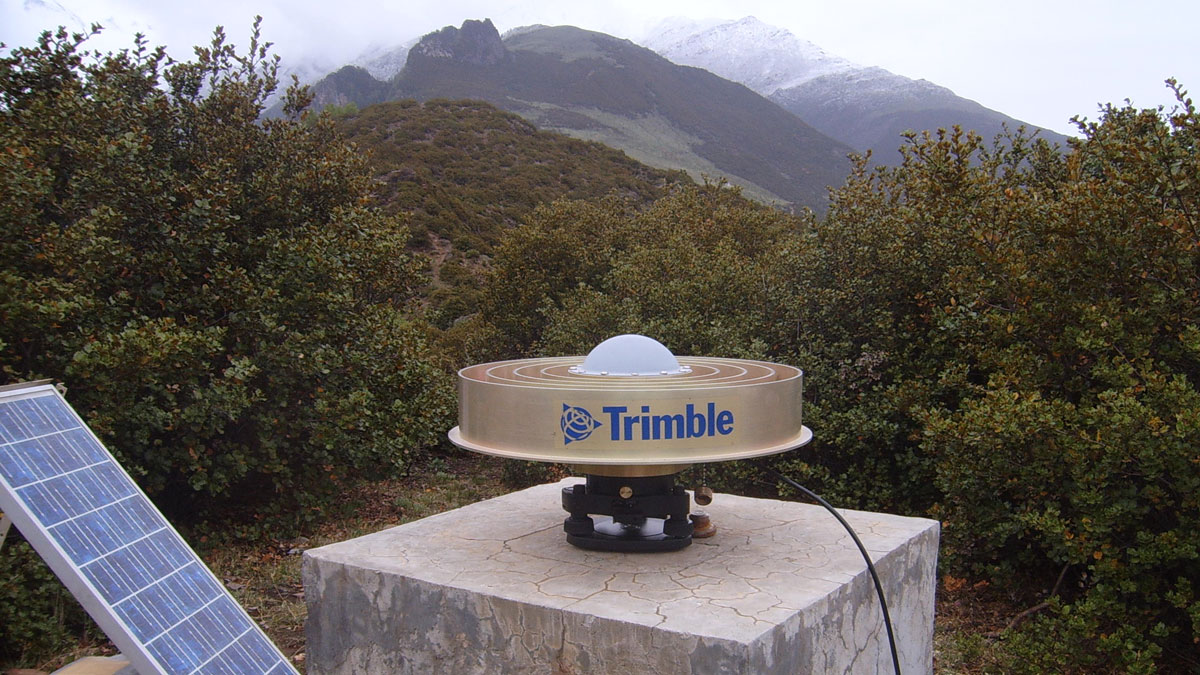
A GPS observation site used to gather data from the magnitude 7.9 earthquake that occurred at the eastern margin of the Tibetan Plateau in western China in 2008.
Posted inResearch Spotlights

Support for a “Jelly Sandwich” Model of the Tibetan Plateau

by Morgan Rehnberg 1 November 202113 December 2021

Computer modeling constrained by positional data collected in the aftermath of the 2008 Wenchuan earthquake indicates the lower crust is less viscous than the upper mantle below it.

Supercell thunderstorm over Kansas
Posted inNews

Supercell Thunderstorms Shake Up the Stratosphere

by Jordan Wilkerson 28 October 20218 March 2022

Supercell storm tops may act like mountains that obstruct winds, transforming their flow into violent turbulence that mixes near-surface air with the stratosphere above.
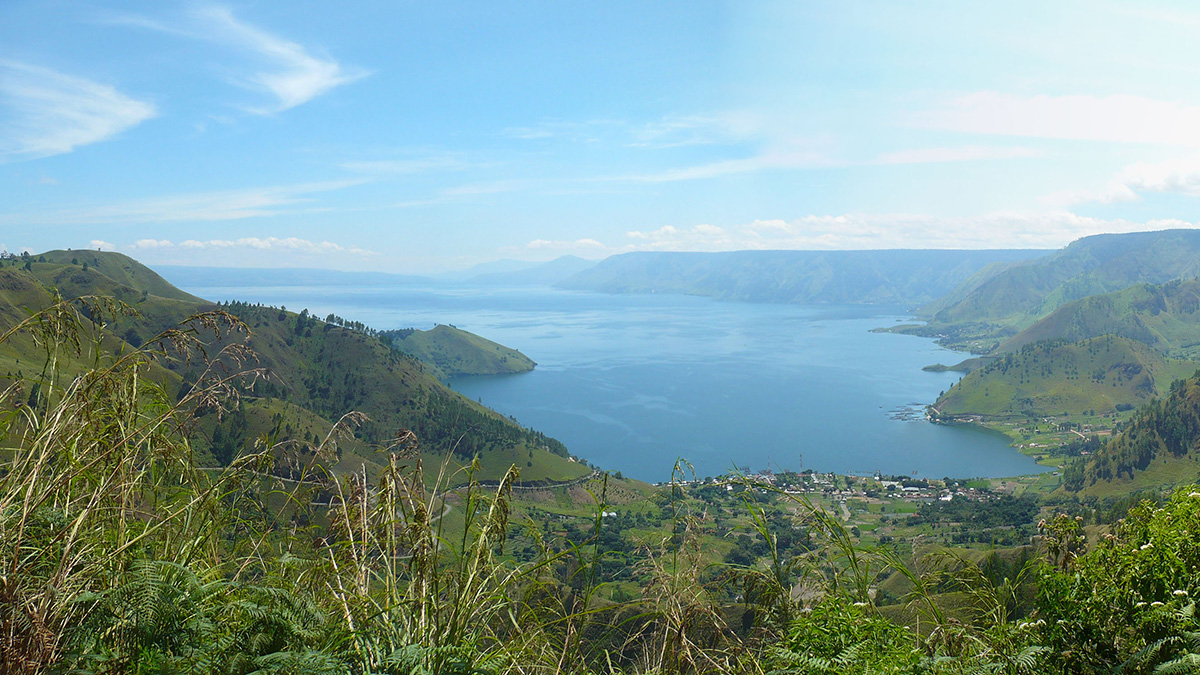
An inlet of Lake Toba in Indonesia, surrounded by tropical vegetation
Posted inNews

Life After a Supereruption

by Danielle Beurteaux 27 October 202116 March 2022

Once a massive volcanic eruption is finished, the underlying system can remain active for thousands of years. New research illuminates how supereruption cycles work.
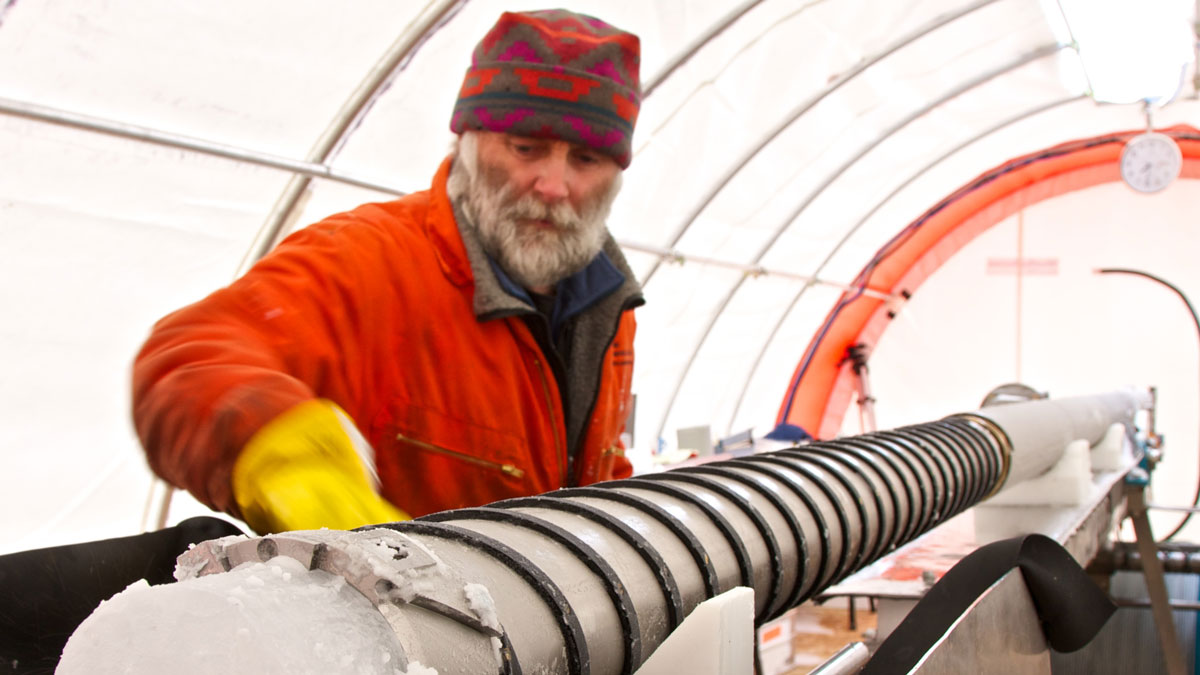
Image of a bearded and gloved man, Robert Mulvaney, with ice inside a metal corer.
Posted inENGAGE, News

Māori Arrival in New Zealand Revealed in Antarctic Ice Cores

by Kate Evans 26 October 20215 June 2023

A new study shows smoke from fires set by the first inhabitants of Aotearoa from around 1300 left a mark in the ice 6,000 kilometers away, on an island off the Antarctic Peninsula.
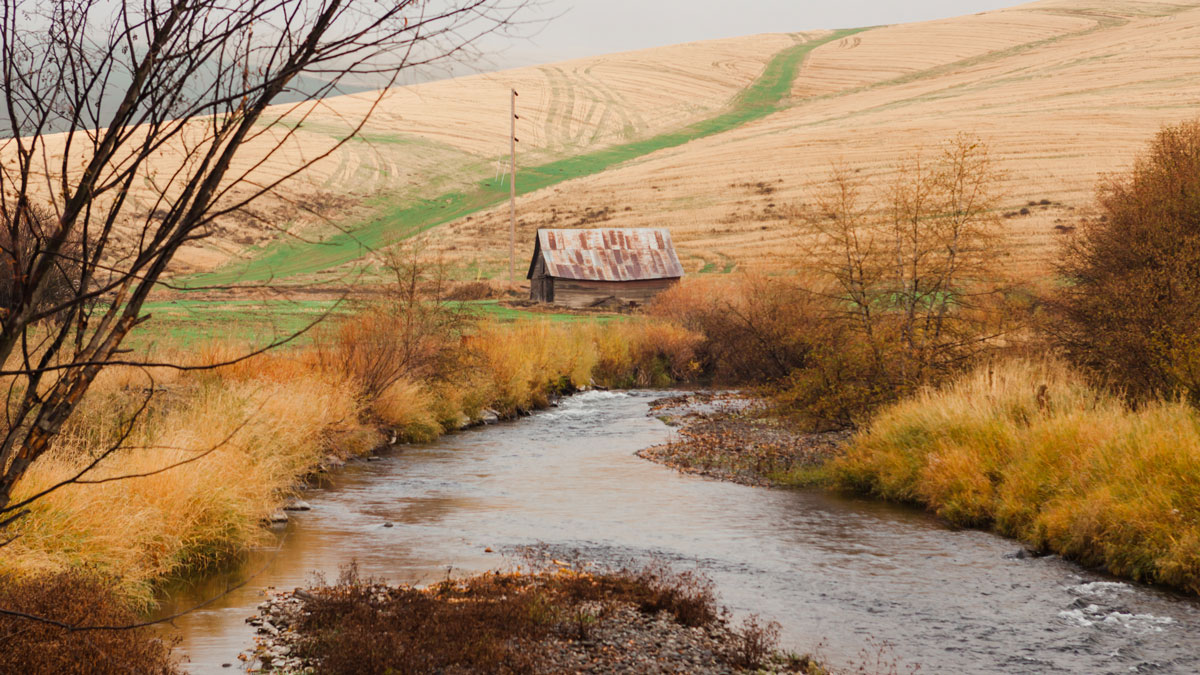
A stream in autumn with trees and vegetation along both banks, with an old barn and agricultural fields in the background.
Posted inENGAGE, News

Scientists Call for Policies to Buffer Agricultural Runoff

by Jady Carmichael 22 October 202129 March 2023

By reviewing 44 studies, researchers make a scientific case for regulating agricultural pollution of streams and rivers by implementing conservation practices, including riparian buffer zones.

Cross section of Chilean radiata pine
Posted inResearch Spotlights

Understanding Tremors Through Tree Rings

Kate Wheeling, freelance science writer by Kate Wheeling 21 October 202110 November 2021

Researchers look to carbon isotopes and cell-level wood anatomy to understand how seismic-induced changes in water availability affect tree growth.

A packer installation near Ibra, Oman, in January 2019
Posted inResearch Spotlights

Shedding Light on Microbial Communities in Deep Aquifers

Kate Wheeling, freelance science writer by Kate Wheeling 20 October 202116 May 2022

Researchers use a packer system to study the microbial communities living in waters sampled from deep, uncontaminated peridotite aquifers.
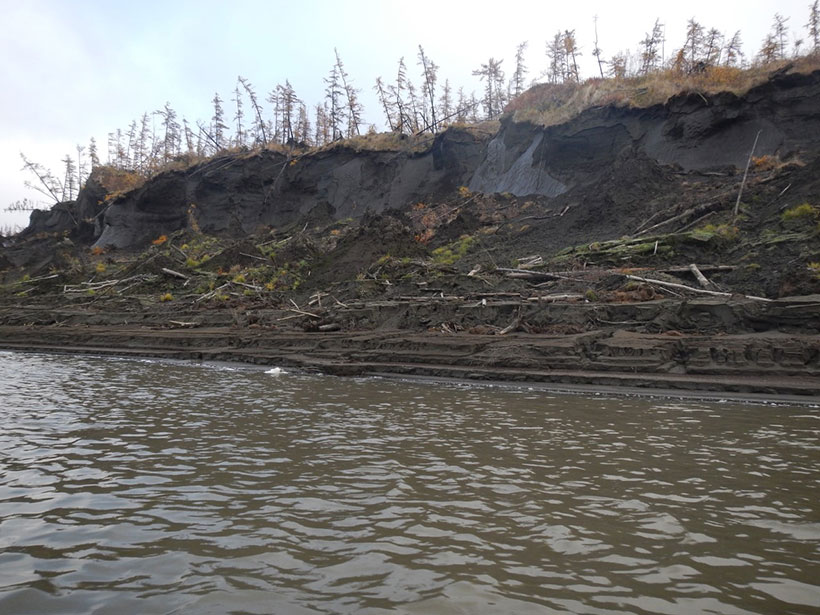
Posted inResearch Spotlights

西伯利亚科雷马河的多年冻土碳元素含量极小

by Terri Cook 20 October 202120 October 2021

新的研究发现,北极河流目前运输的多年冻土来源的溶解有机碳有限,这对理解该地区变化的碳循环及其加速气候变化的潜力具有启示意义。
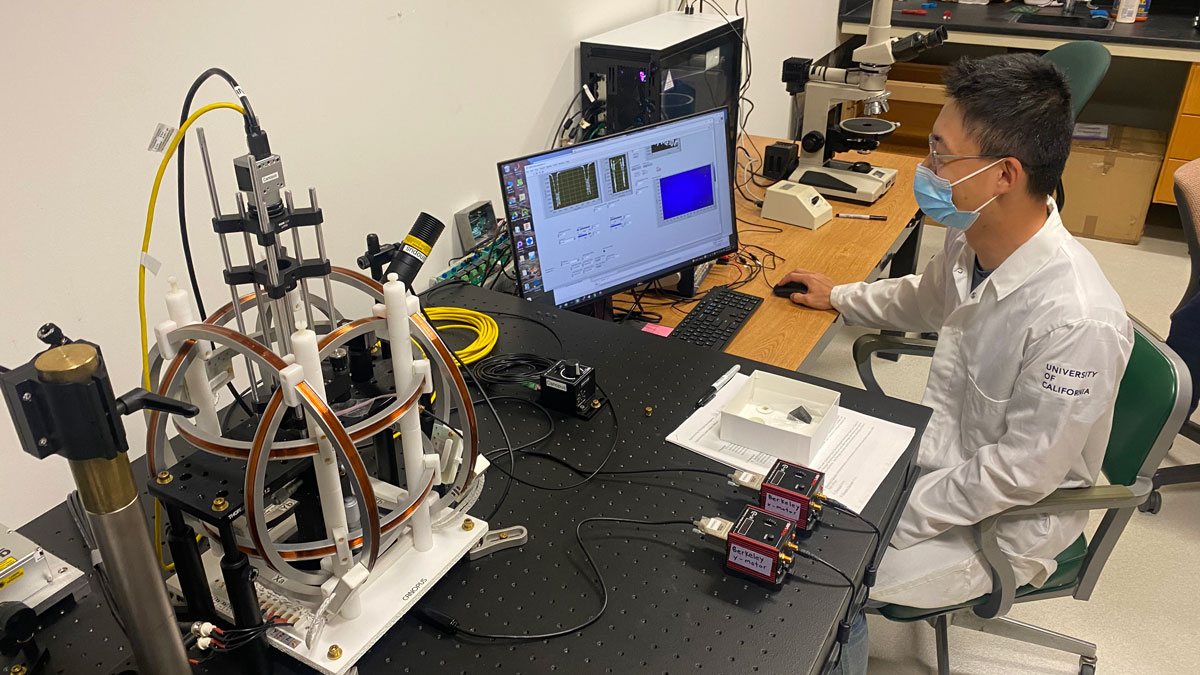
Wearing a white lab coat, Yiming Zhang, a doctoral student at the University of California, Berkeley, sits in front of a computer screen, examining data, with a mouse in his right hand. To his left, a gray microscope with four copper-colored rings encircling the stage perches on a black table.
Posted inNews

Diamonds Are a Paleomagnetist’s Best Friend

by Alka Tripathy-Lang 19 October 202114 March 2023

Typical paleomagnetic measurements average a sample’s signal. The quantum diamond microscope helps scientists make micrometer-scale maps of magnetism, showing where a sample locked in its magnetic signatures.

Debris covers a densely populated hillside community in Cerro del Chiquihuite, Mexico.
Posted inENGAGE, News

Surviving on the Periphery of a City of Earthquakes

by Humberto Basilio 19 October 20219 May 2023

Mexico City is one of the most disaster-prone urban areas in the world. Following an earthquake, marginalized communities living on the city’s periphery are exposed to more dangers than just collapsing buildings.

Posts pagination

Newer posts 1 … 133 134 135 136 137 … 160 Older posts
Over a dark blue-green square appear the words Special Report: The State of the Science 1 Year On.

Features from AGU Publications

Research Spotlights

The Speedy Particles That Could Help Us Learn More About Uranus

18 June 202618 June 2026
Editors' Highlights

Where Methane is Emitted Matters for Global Burden

18 June 202616 June 2026
Editors' Vox

Small-Scale Indian Ocean Dynamics Underpin Marine Ecology and Climate

4 June 20263 June 2026
Eos logo at left; AGU logo at right

About Eos
ENGAGE
Awards
Contact

Advertise
Submit
Career Center
Sitemap

© 2026 American Geophysical Union. All rights reserved Powered by Newspack