

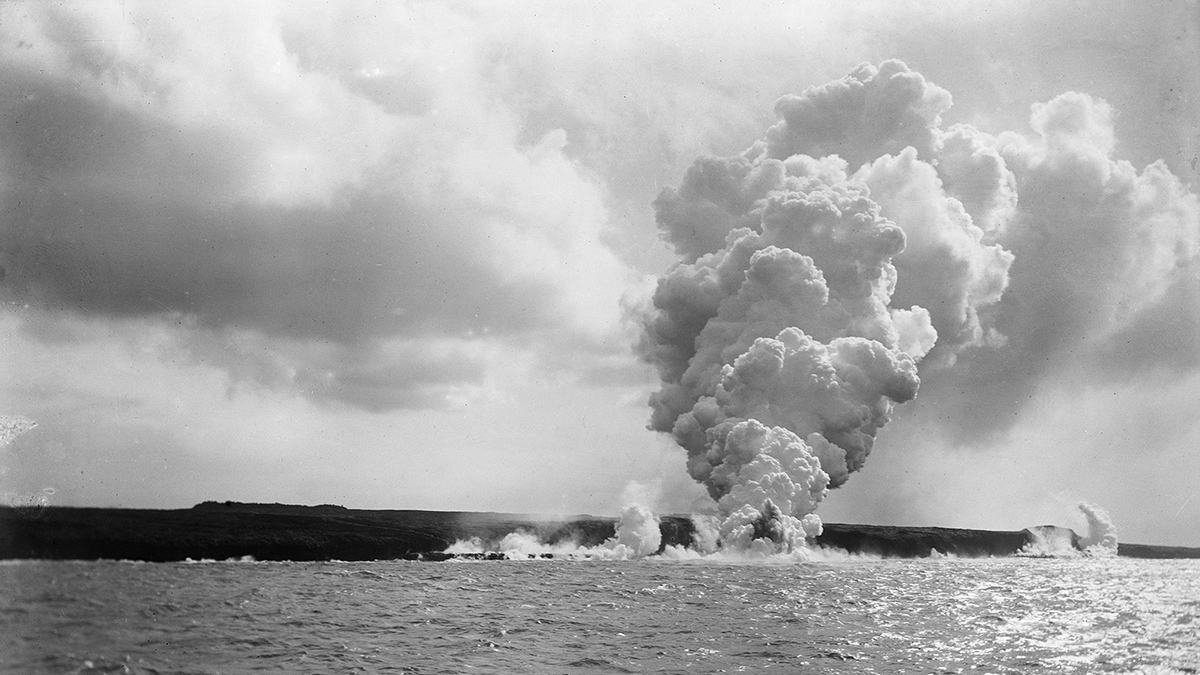
A new study explores the deformation and stress changes of Kīlauea’s décollement from 1898 to 2018 by collating an unprecedented 120 years of geodetic data.
Earth science
Posted inNews
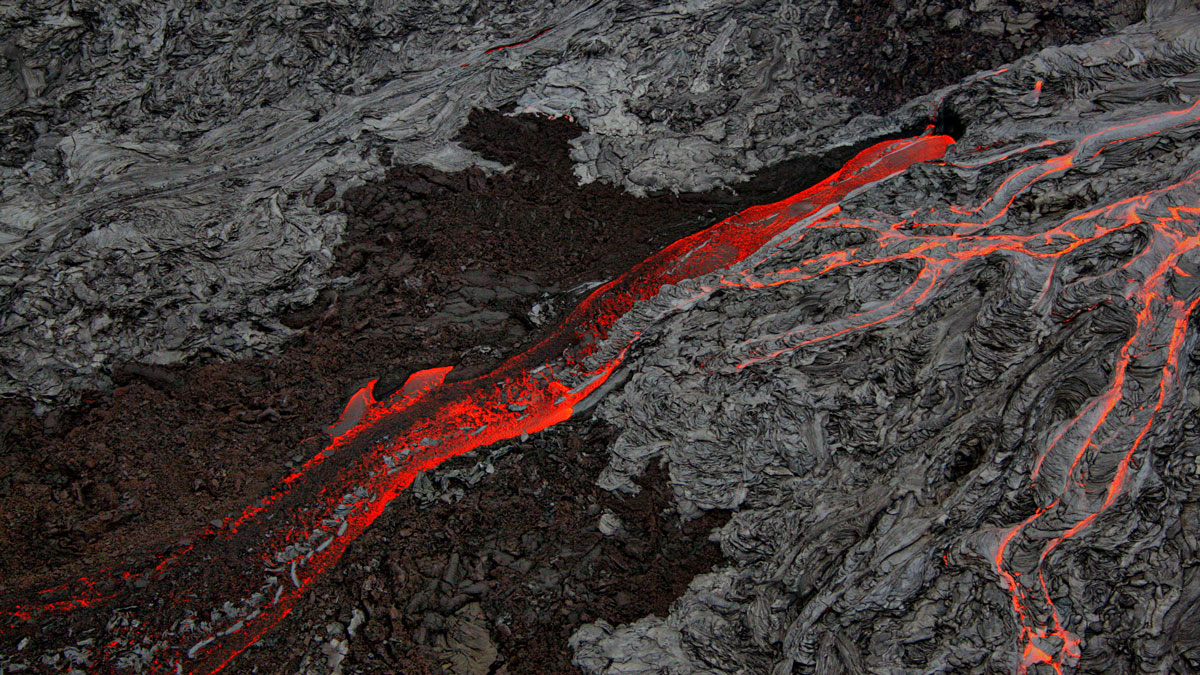
Large Igneous Provinces May Have Leaked Cryptic Carbon
Dissolved carbon dioxide may have bubbled up from magma far below the surface, contributing to prolonged warming.
Posted inNews
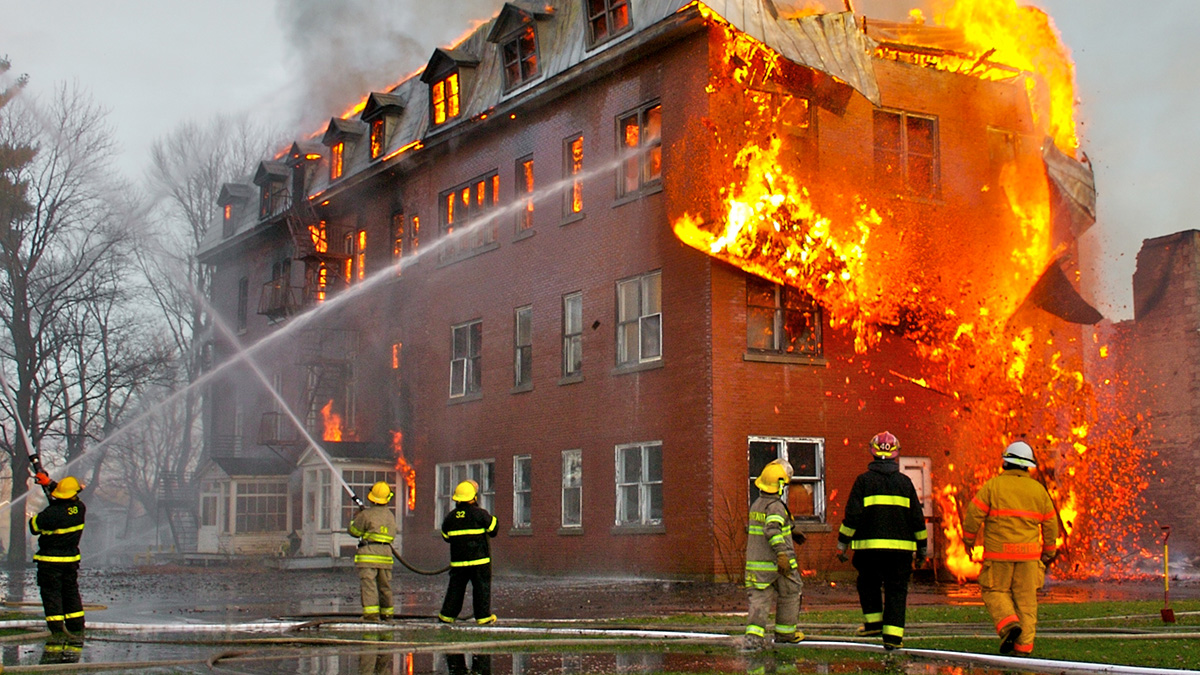
Why Wildfires Started by Humans, Cars and Power Lines Can Be More Destructive and Harder to Contain
While climate change sets the stage for larger and more intense fires, humans are actively fanning the flames.
Posted inResearch Spotlights
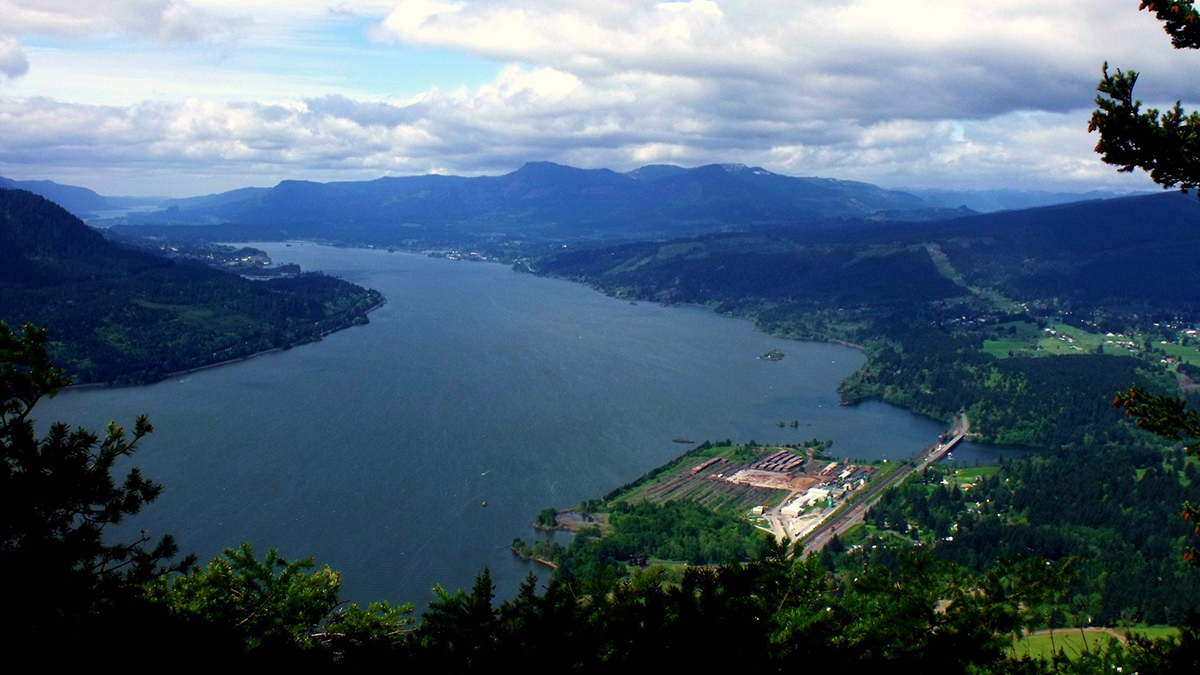
New Insight into Inland Water Carbon Dioxide Emissions
A process-based modeling technique reveals surprising information about carbon emissions from rivers, lakes, and reservoirs across the contiguous United States.
Posted inNews
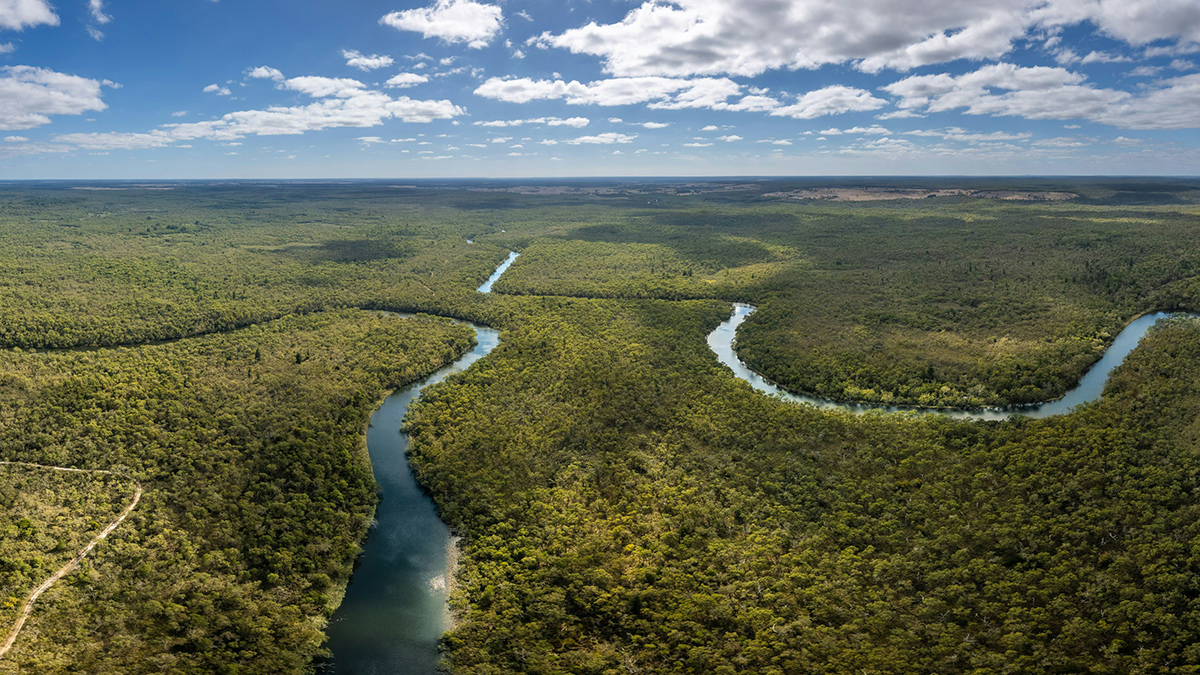
New Rules for Catastrophic River Avulsion
Scientists thought two factors influencing river avulsion were unrelated, but new research suggests they may be working in tandem. The findings could help predict new river pathways and improve disaster preparedness.
Posted inEditors' Highlights
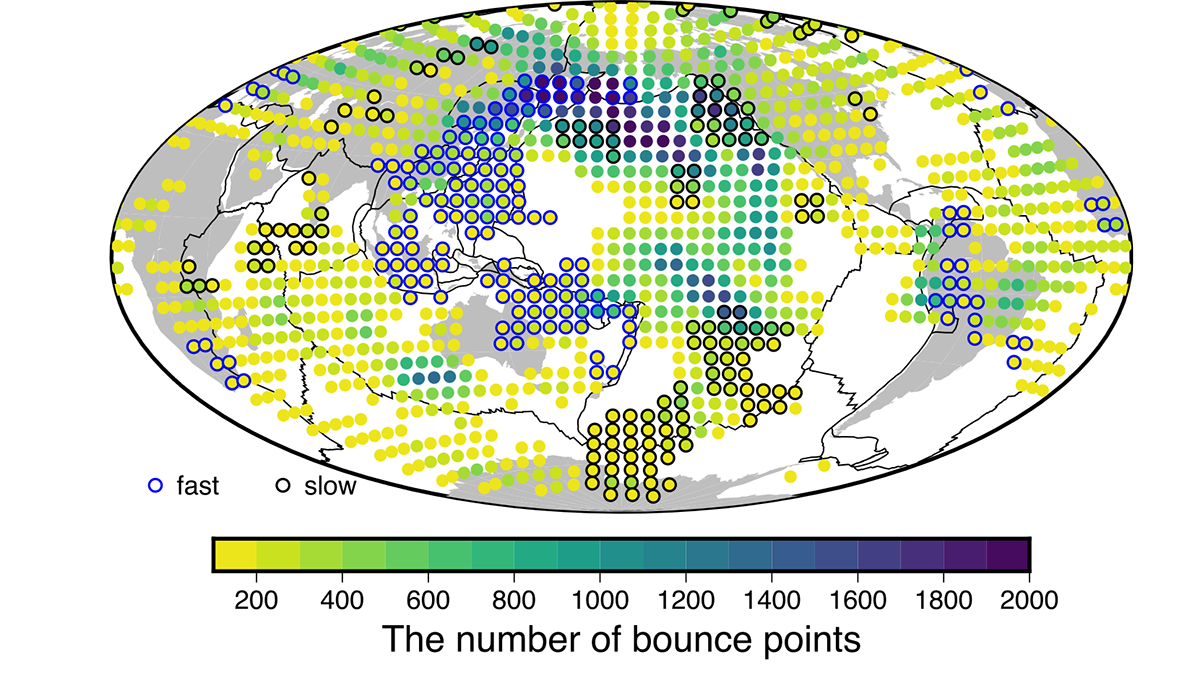
Compositional Anomalies Complicate Our Model of Mantle Convection
A new study expands on recent research which suggests that oceanic crust accumulates in the mid-mantle. The new seismological constraints advance our understanding of thermo-chemical planetary evolution.
Posted inNews
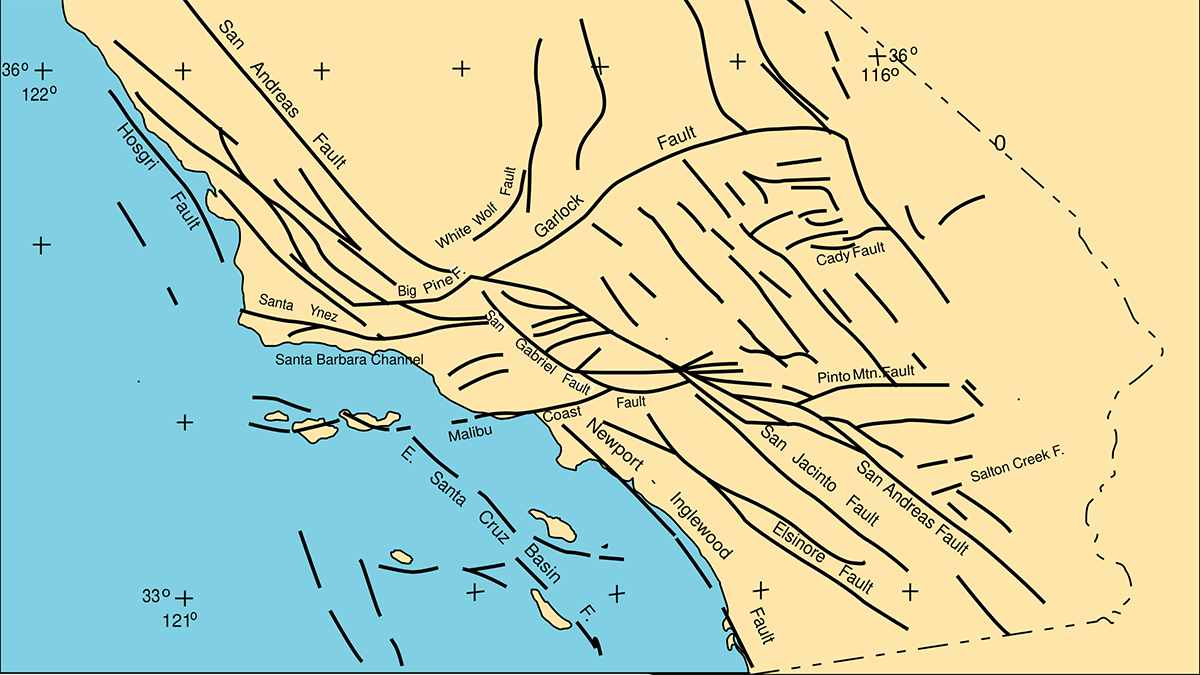
Creeping Faults May Have Simpler Geometries
A recent study offers an alternative perspective on why some fault segments slide smoothly, whereas others get stuck and produce earthquakes.
Posted inNews
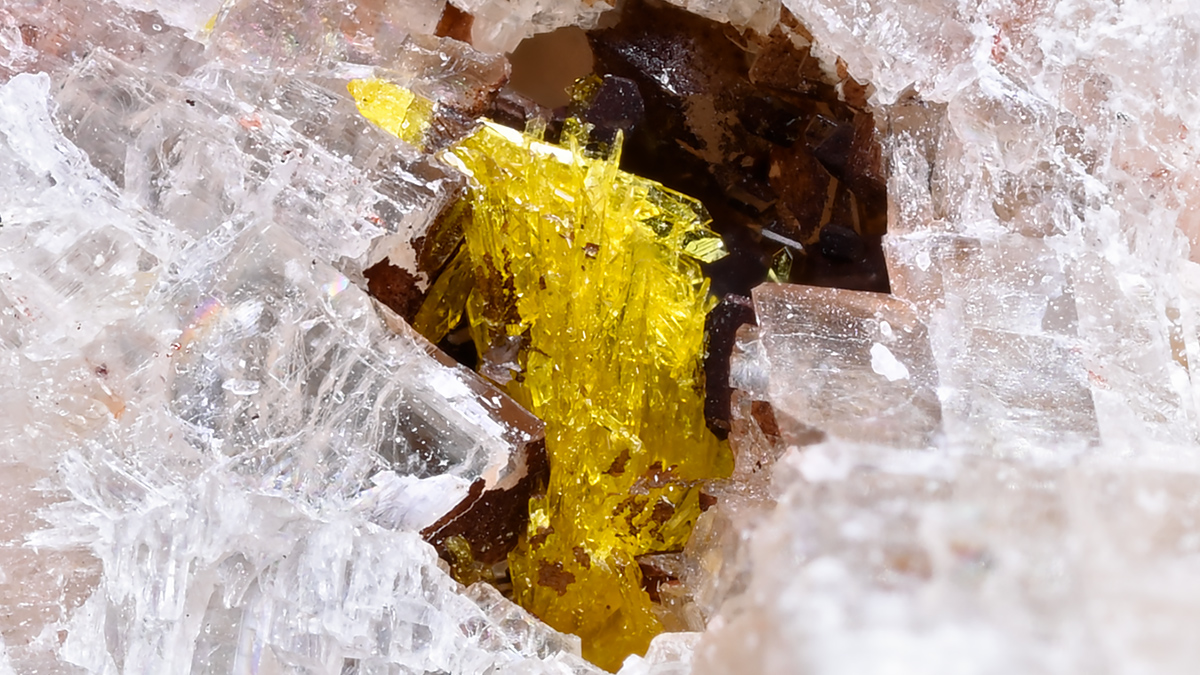
Few Minerals Are Named for Women
New research shows that that less than 3% of all minerals are named after women, and progress has stalled since 1985.
