

Thanks to unique geography and atmospheric conditions, the United States is a tornado hot spot, but these deadly whirlwinds also hit Africa, Asia, and Latin America.
Earth science

Posted inResearch Spotlights
Antarctic Ice Melt May Fuel Eruptions of Hidden Volcanoes
More than 100 volcanoes lurk beneath the surface in Antarctica. Ice sheet melt could set them off.
Posted inResearch Spotlights
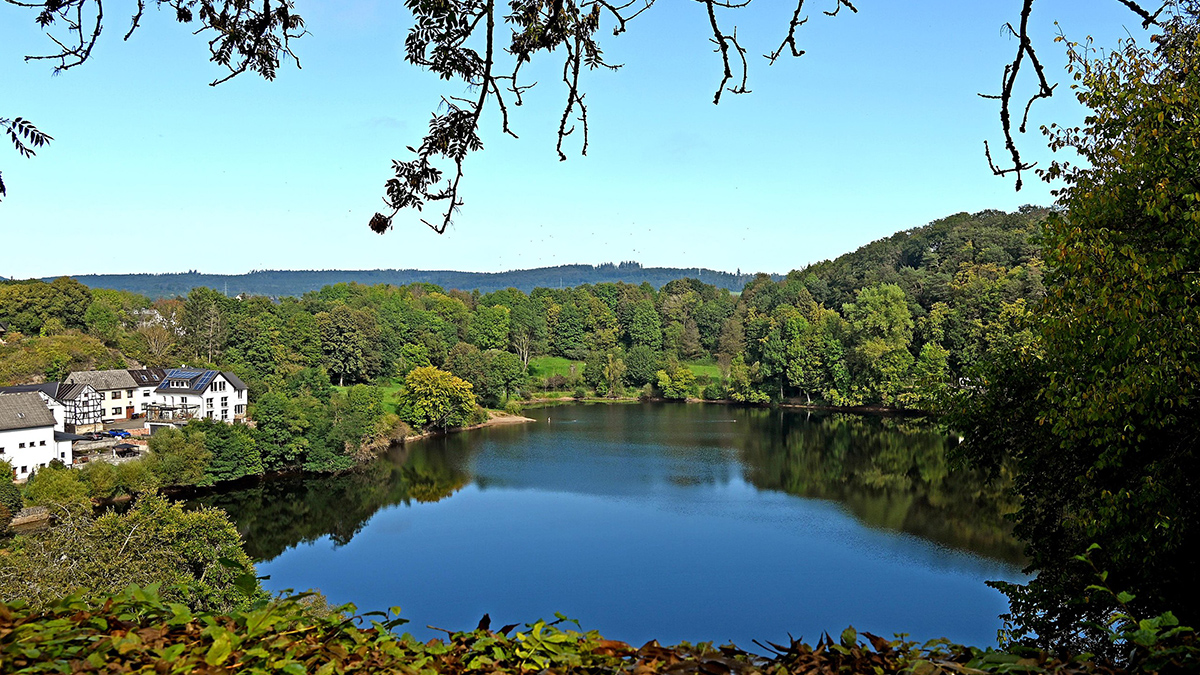
Magmatic Fluids and Melts May Lie Beneath Dormant German Volcanoes

New processing strategies applied to old seismic data reveal potential pockets of magmatic fluids or melts from the upper mantle.

Posted inNews
Improving Earthquake Early Warning Access for the Deaf Community

Earthquake early warning systems are rarely accessible to people who are deaf or hard of hearing. A group of scientists is working to change that.

Posted inNews
Our Favorite Science Stories of 2024
What Earth and space science stories stood out this year?

Posted inResearch Spotlights
Massive Antarctic Icebergs May Calve at Random
The first analysis of extreme calving events in Antarctica finds no correlation with climate change, highlighting the significance of common, smaller calving events for ice loss and instability.
Posted inResearch Spotlights
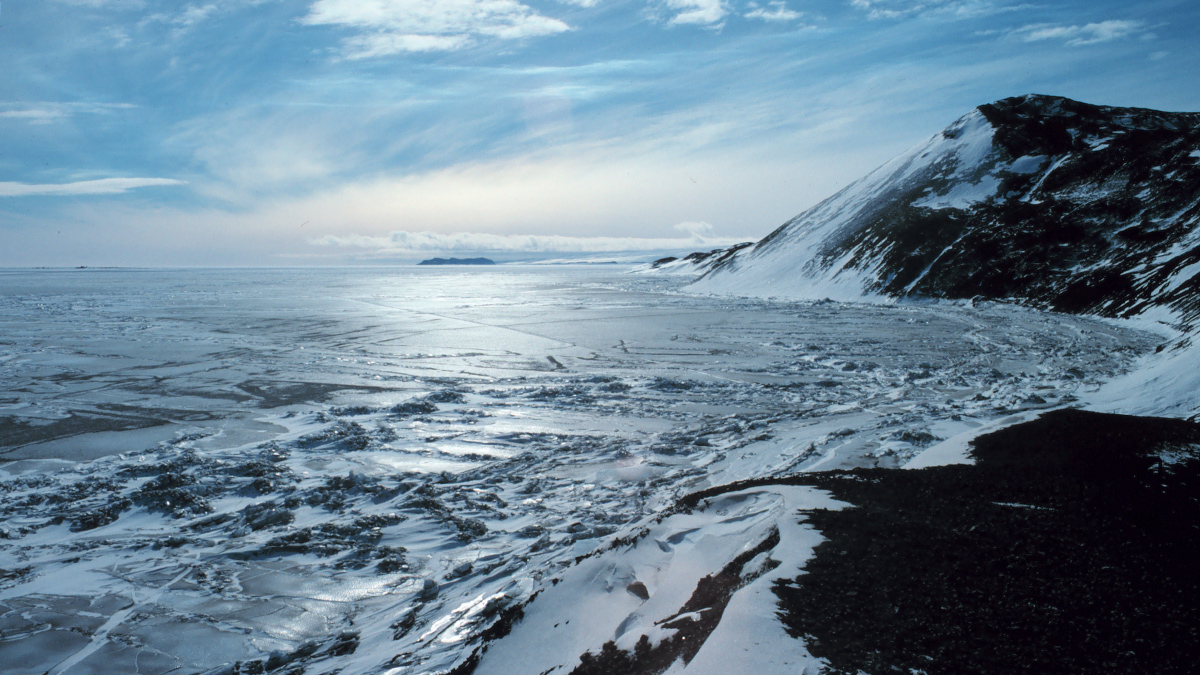
Cold Days Bring Fast Ice
Thirty-seven years of observations reveal the meteorological conditions that lead to persistent, thick fast ice in Antarctica.
Posted inEditors' Highlights
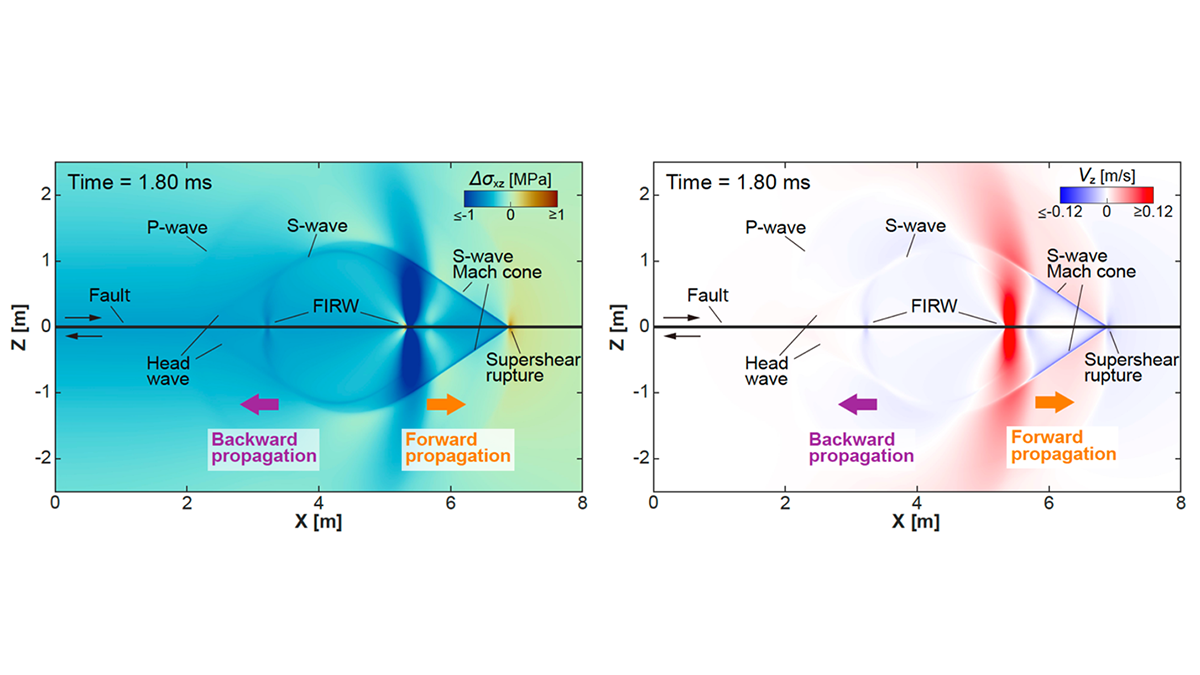
Rewinding the Fault: Stress Perturbations Promote Back-Propagating Ruptures
Free surface reflection and fault geometric asperities can excite backward propagation in the form of an interface wave or high-order re-rupture.
Posted inEditors' Highlights
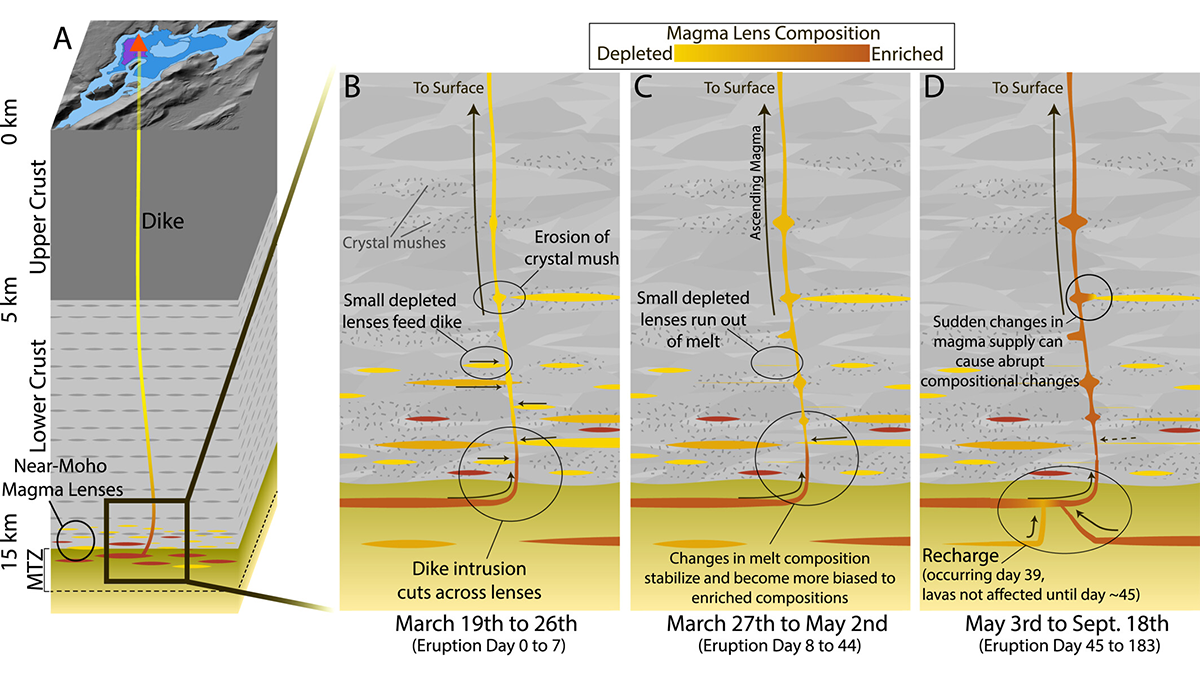
Magma Diversity in Iceland
Iceland’s recent basalt eruptions originated at the crust-mantle boundary and show chemical variability over remarkably short timescales of weeks, suggesting exchanges between diverse magma sources.

Posted inEditors' Highlights
Past Fracture Damage Can Inhibit Earthquake Slip
Around the surface rupture of the 2008 Wenchuan earthquake, a new study documents an anti-correlation between pre-existing fracture damage and earthquake slip – implying that damage inhibited slip.