• About
  • Special Reports
  • Topics
    • Climate
    • Earth Science
    • Oceans
    • Space & Planets
    • Health & Ecosystems
    • Culture & Policy
    • Education & Careers
    • Opinions
  • Projects
    • Postcards From the Field
    • ENGAGE
    • Editors’ Highlights
    • Editors’ Vox
    • Eos en Español
    • Eos 简体中文版
    • Print Archive: 2015–2025
  • Policy Tracker
  • Blogs
    • Research & Developments
    • The Landslide Blog
  • Newsletter
  • Submit to Eos
  • AGU.org
  • Career Center
  • Join AGU
  • Give to AGU
  • About
  • Special Reports
  • Topics
    • Climate
    • Earth Science
    • Oceans
    • Space & Planets
    • Health & Ecosystems
    • Culture & Policy
    • Education & Careers
    • Opinions
  • Projects
    • Postcards From the Field
    • ENGAGE
    • Editors’ Highlights
    • Editors’ Vox
    • Eos en Español
    • Eos 简体中文版
    • Print Archive: 2015–2025
  • Policy Tracker
  • Blogs
    • Research & Developments
    • The Landslide Blog
  • Newsletter
  • Submit to Eos
Skip to content
  • AGU.org
  • Career Center
  • Join AGU
  • Give to AGU
Eos

Eos

Science News by AGU

Support Eos
Sign Up for Newsletter
  • About
  • Special Reports
  • Topics
    • Climate
    • Earth Science
    • Oceans
    • Space & Planets
    • Health & Ecosystems
    • Culture & Policy
    • Education & Careers
    • Opinions
  • Projects
    • Postcards From the Field
    • ENGAGE
    • Editors’ Highlights
    • Editors’ Vox
    • Eos en Español
    • Eos 简体中文版
    • Print Archive: 2015–2025
  • Policy Tracker
  • Blogs
    • Research & Developments
    • The Landslide Blog
  • Newsletter
  • Submit to Eos

Earth science

Image manipulation of Earth and the Moon seen from orbit with Saturn’s rings disappearing behind the horizon.
Posted inNews

A Close Asteroid Encounter May Have Once Given Earth a Ring

Kimberly M. S. Cartier, News Writing and Production Intern for Eos.org by Kimberly M. S. Cartier 18 October 202418 October 2024

An unusual concentration of impact craters suggests that they may have been caused by the breakup of an asteroid that created a temporary debris ring around Earth.

Wet city landscape
Posted inNews

Many of the World’s Cities Have Gotten Wetter

by Carolyn Wilke 17 October 202417 October 2024

Dense populations, aerosols, and cities’ tendency to raise temperatures contribute to higher levels of precipitation in urban areas than surrounding rural areas.
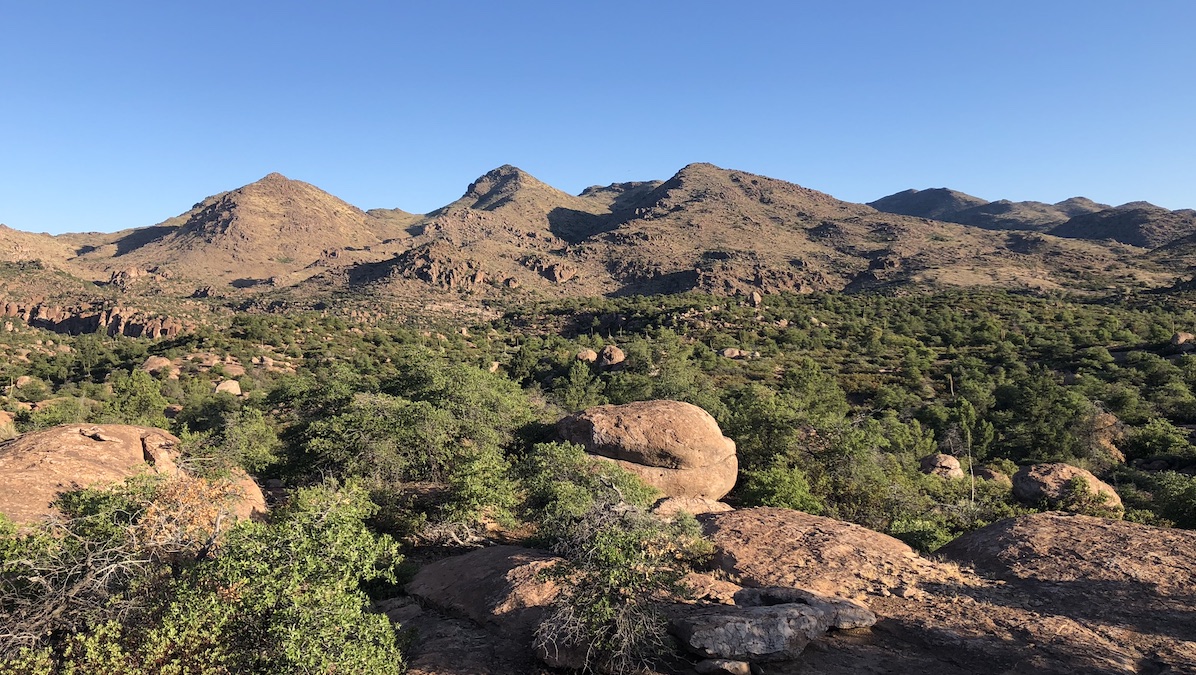
A photo depicts a landscape with three large hills in the background and rocks and shrubs in the foreground.
Posted inENGAGE, News

Here’s Why Resolution Copper Wants to Mine Oak Flat

by Grace van Deelen 16 October 202419 December 2024

Southeastern Arizona’s “Copper Triangle” is a hot spot for high-grade deposits, thanks to ancient magmatic activity.

A thin stream of water on a dirt surface curves off to the left out of frame. Two large mountains—one a snowy peak, one not—are in the distance.
Posted inResearch Spotlights

Each Glacier Has a Unique Organic Matter Composition

by Saima May Sidik 15 October 202415 October 2024

Like snowflakes, no two glaciers are alike: Carbon-containing compounds released from glaciers vary from place to place, meaning climate and ecosystem effects of melting could vary as well.
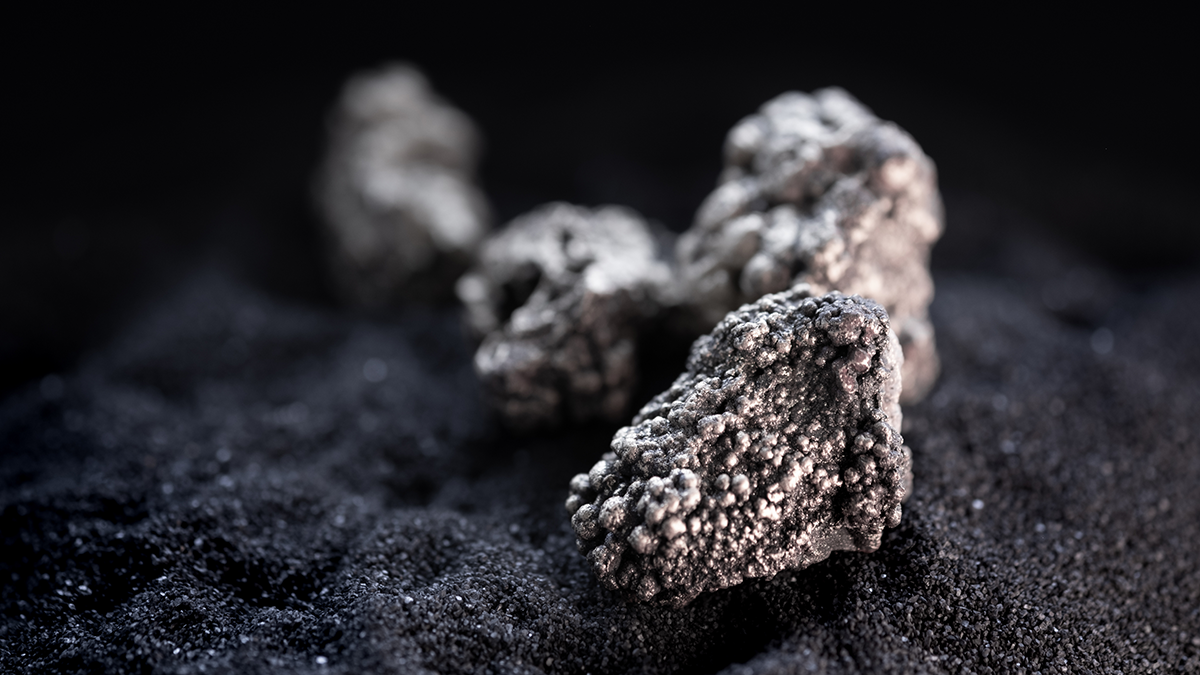
Photo of rare earths on black sand
Posted inEditors' Vox

Toward a More Sustainable Future for the Rare Earths Industry

by Athanasios Karamalidis and Roderick Eggert 11 October 202410 October 2024

A new book explores how more sustainable methods are being applied to the recovery, processing, and purification of rare earths used in everyday technologies.
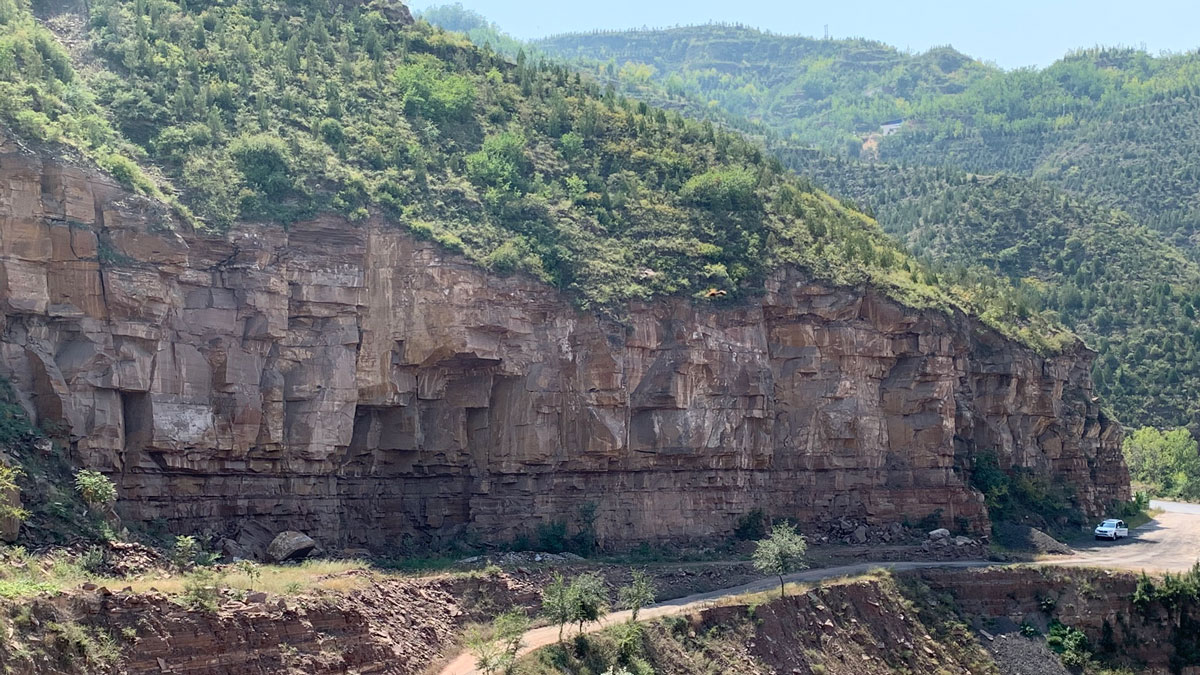
Layers of rock visible in a cliff in Nanliang, Shanxi, China.
Posted inNews

Mega El Niño May Have Led to Major Mass Extinction 252 Million Years Ago

by Rebecca Owen 11 October 20244 August 2025

The extreme climate conditions wrought by a decades-long ENSO pattern could be the culprit in the Great Dying, which wiped out nearly 90% of life on Earth.
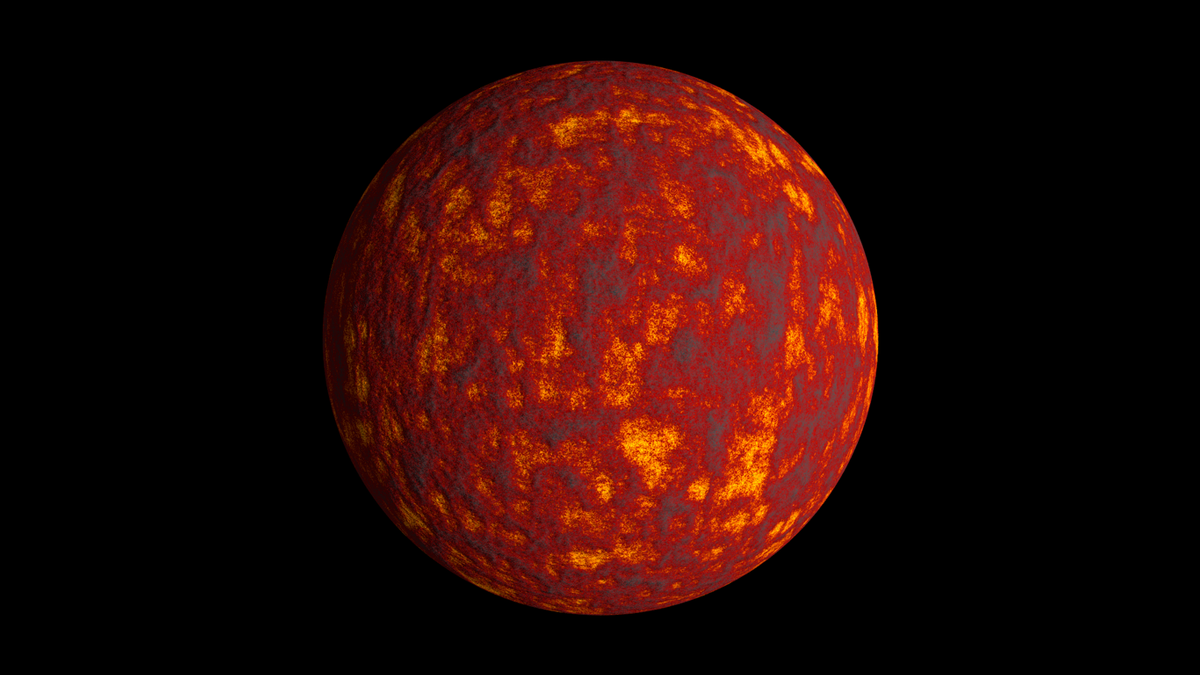
A sphere with a mottled orange, red, yellow, and gray surface appears bright against a black background.
Posted inResearch Spotlights

How Did Magma Oceans Evolve on Early Earth and Mars?

Sarah Stanley, Science Writer by Sarah Stanley 10 October 202410 October 2024

New insights into the early timelines of rocky planets are emerging, thanks to clues from iron chemistry and primordial atmospheres.
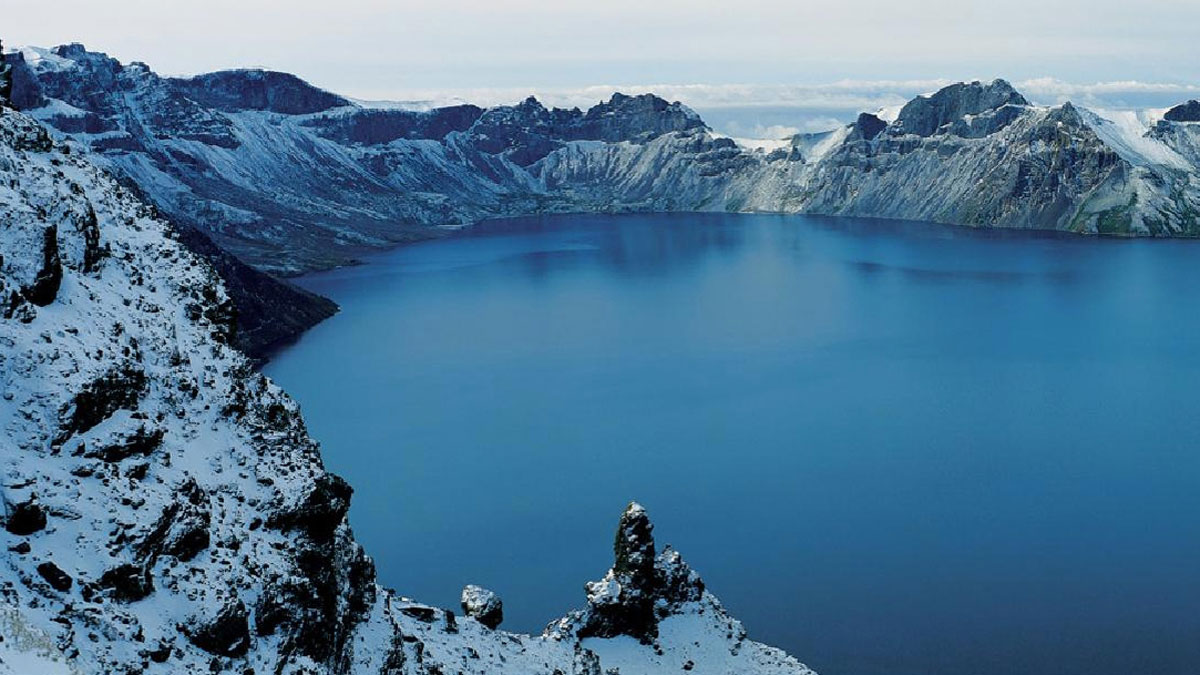
A strikingly blue lake surrounded by the snowcapped rock walls of a volcano.
Posted inResearch Spotlights

New Details About a Very Old Eruption and Flood

by Saima May Sidik 9 October 20249 October 2024

One of the most dramatic volcanic eruptions in history occurred more than 1,000 years ago. Scientists are still piecing together the aftermath.
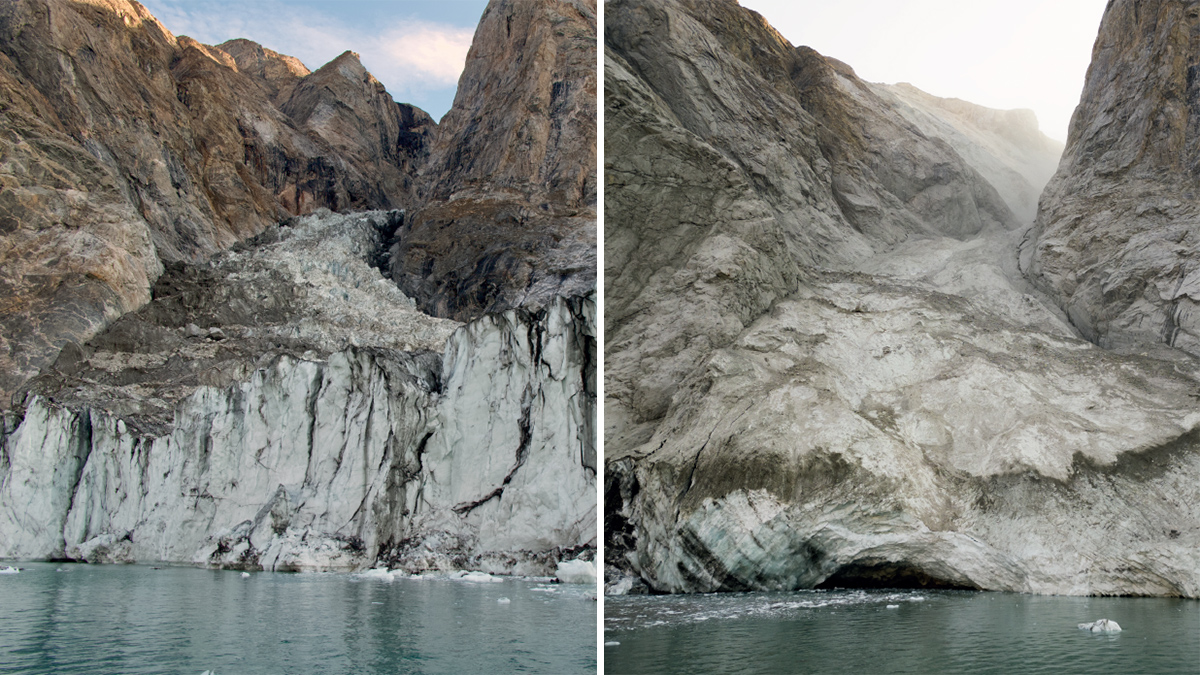
Two side-by-side images show a glacier and mountain before and after a rockslide.
Posted inNews

Finding the Frequency of a Fjord

by J. Besl 9 October 202415 October 2024

A massive tsunami churned up a mysterious 9-day noise in East Greenland. As the climate warms, more fjords may start singing.

Gold specks on quartz
Posted inNews

Earthquakes May Lace Quartz Veins with Gold

by Carolyn Wilke 8 October 202419 December 2024

Seismic activity may kick off chemical reactions that seed nuggets of gold.

Posts pagination

Newer posts 1 … 42 43 44 45 46 … 155 Older posts
Over a dark blue-green square appear the words Special Report: The State of the Science 1 Year On.

Features from AGU Publications

Research Spotlights

How Wildfires Worsen Flood Risk

30 April 202630 April 2026
Editors' Highlights

Drivers of Day-to-Day Temperature Swings Across Continents

1 May 20261 May 2026
Editors' Vox

Hydrothermal Heat Flow as a Window into Subsurface Arc Magmas

28 April 20261 May 2026
Eos logo at left; AGU logo at right

About Eos
ENGAGE
Awards
Contact

Advertise
Submit
Career Center
Sitemap

© 2026 American Geophysical Union. All rights reserved Powered by Newspack