


沉积物中的地球化学标记,包括来自人类和动物粪便的有机分子,帮助科学家们追寻吐蕃帝国的兴衰。
Earth science
Posted inResearch Spotlights
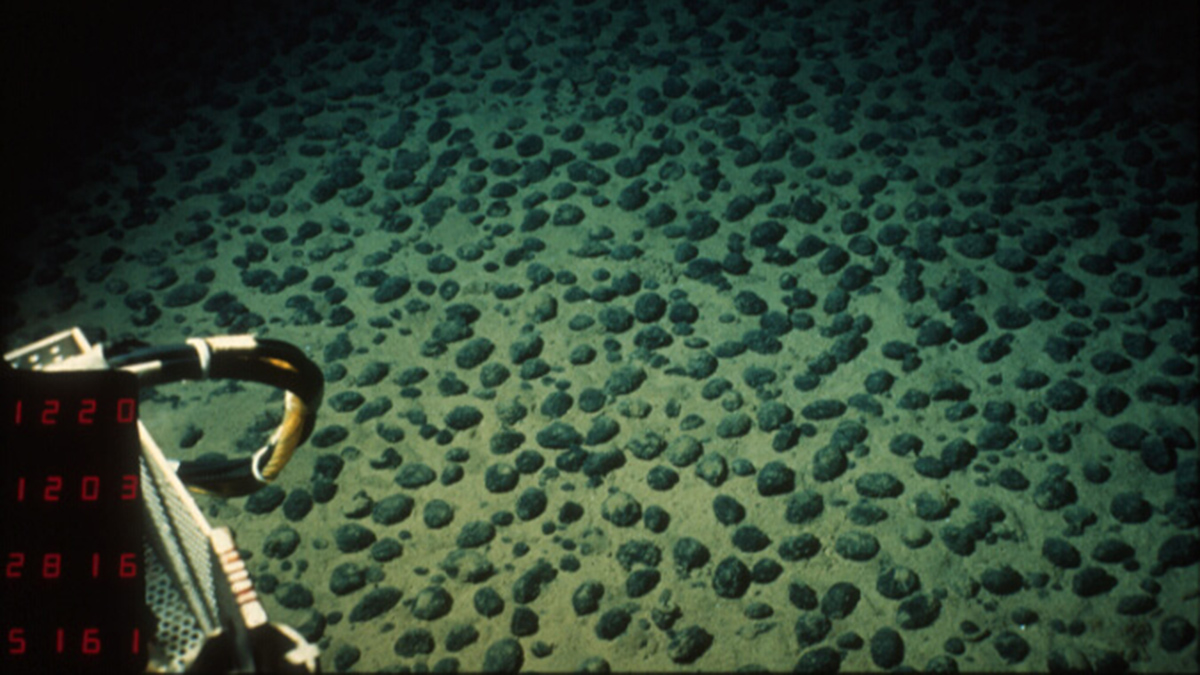
The Unexpected Role of Magnetic Microbes in Deep-Sea Mining

A new study highlights the co-occurrence of magnetic bacteria and polymetallic nodules and may offer insights into how the mineral-rich nodules form on the ocean floor.
Posted inNews
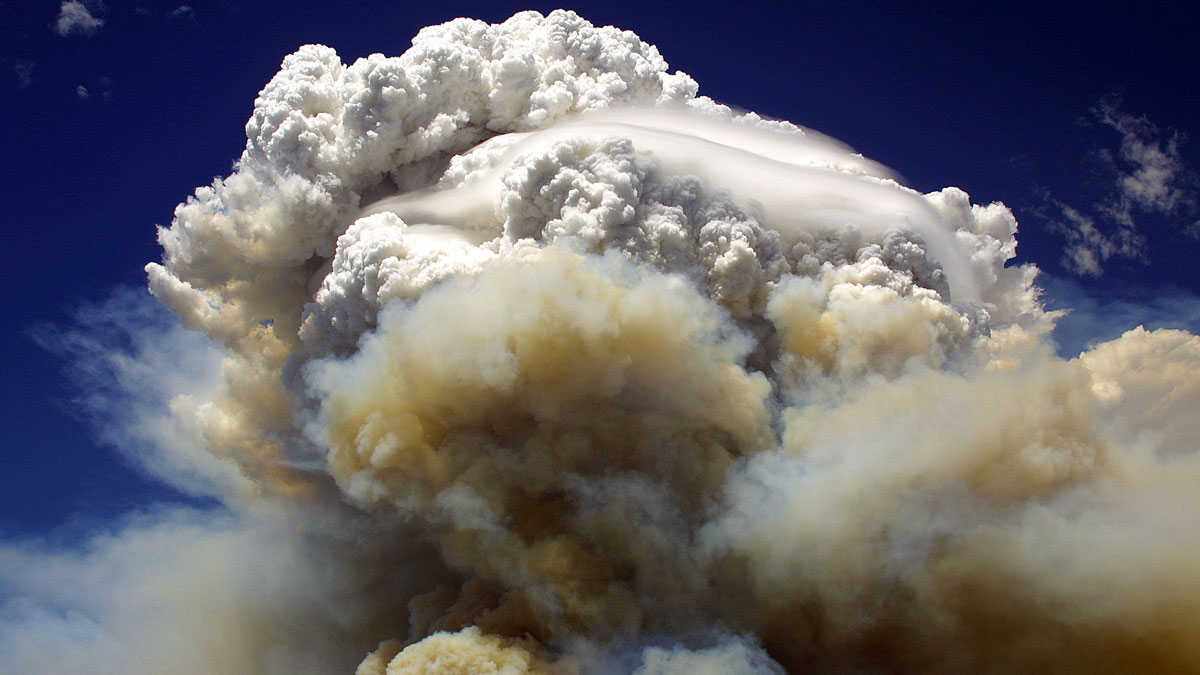
Black Carbon from Wildfire Smoke Can Double Warming Effects
The findings could help climate models be more accurate about warming projections.
Posted inEditors' Highlights
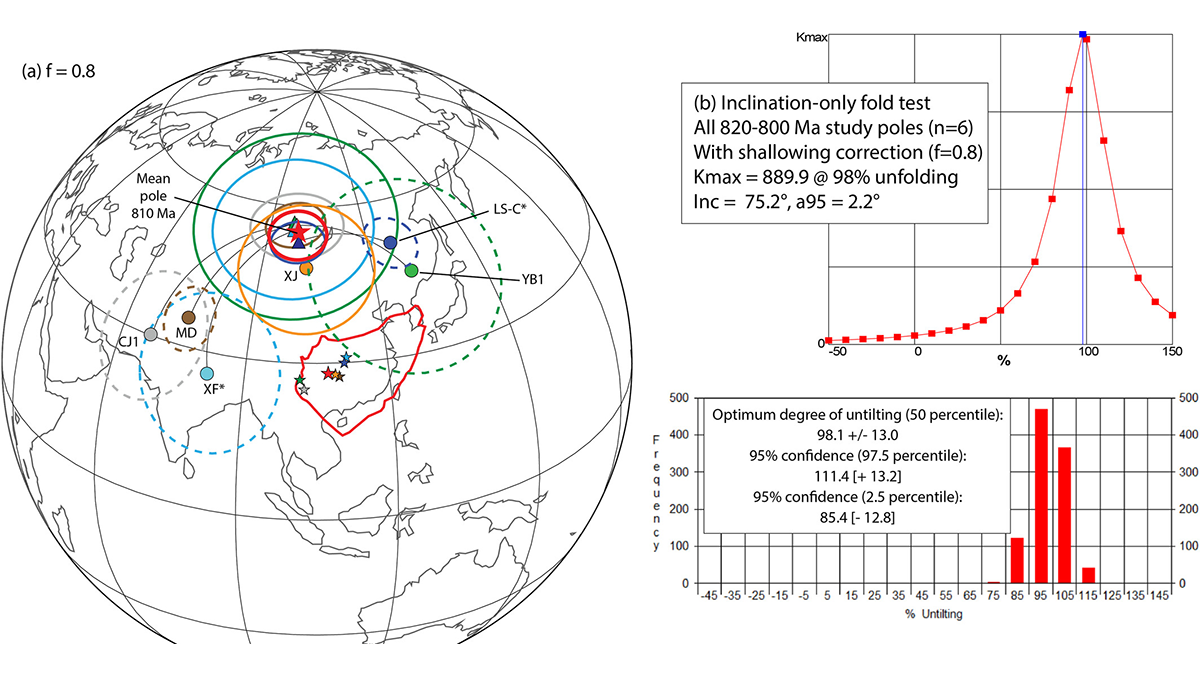
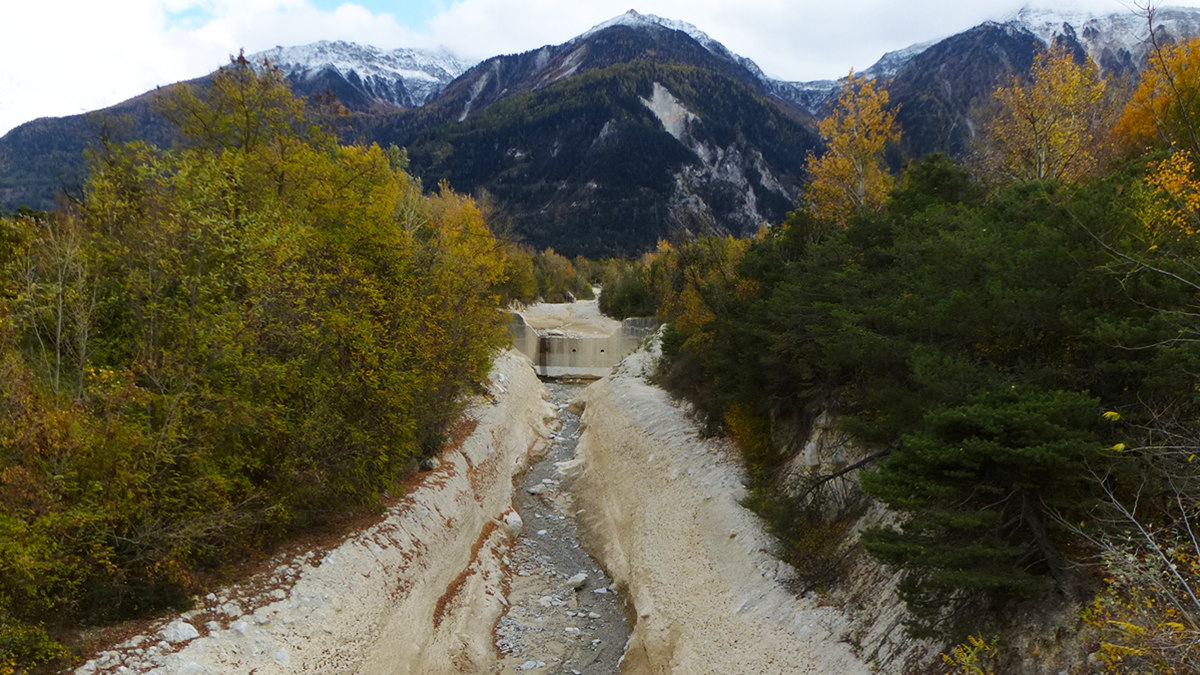
Counting from One to Nine to Detect Debris Flows
A groundbreaking method using Benford’s law allows the detection of debris flows from seismic signals.

Posted inAGU News
Earth’s Eighth Continent
Our October issue digs deep into the rich Earth science in and around Aotearoa New Zealand.
Posted inEditors' Highlights
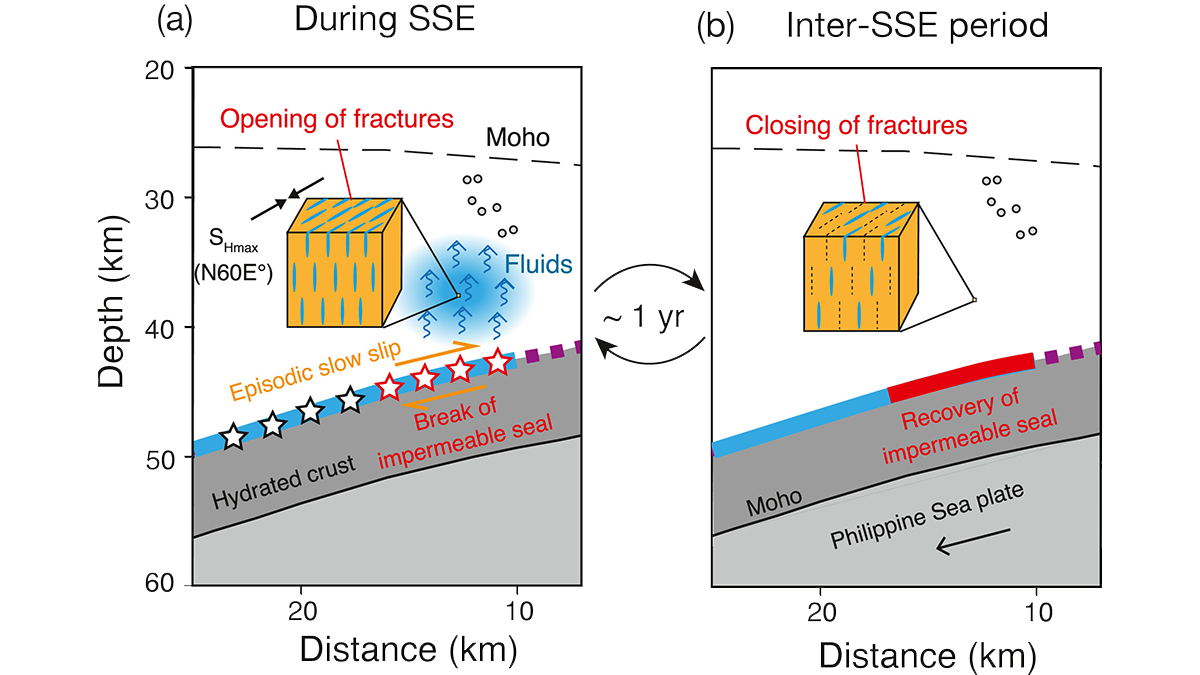
Cyclic Opening of Deep Fractures Regulates Plate Boundary Slip
Seismic anisotropy changes through time suggest that cyclical opening of fluid-filled fractures is synchronized with subduction zone slow slip events.

Posted inNews
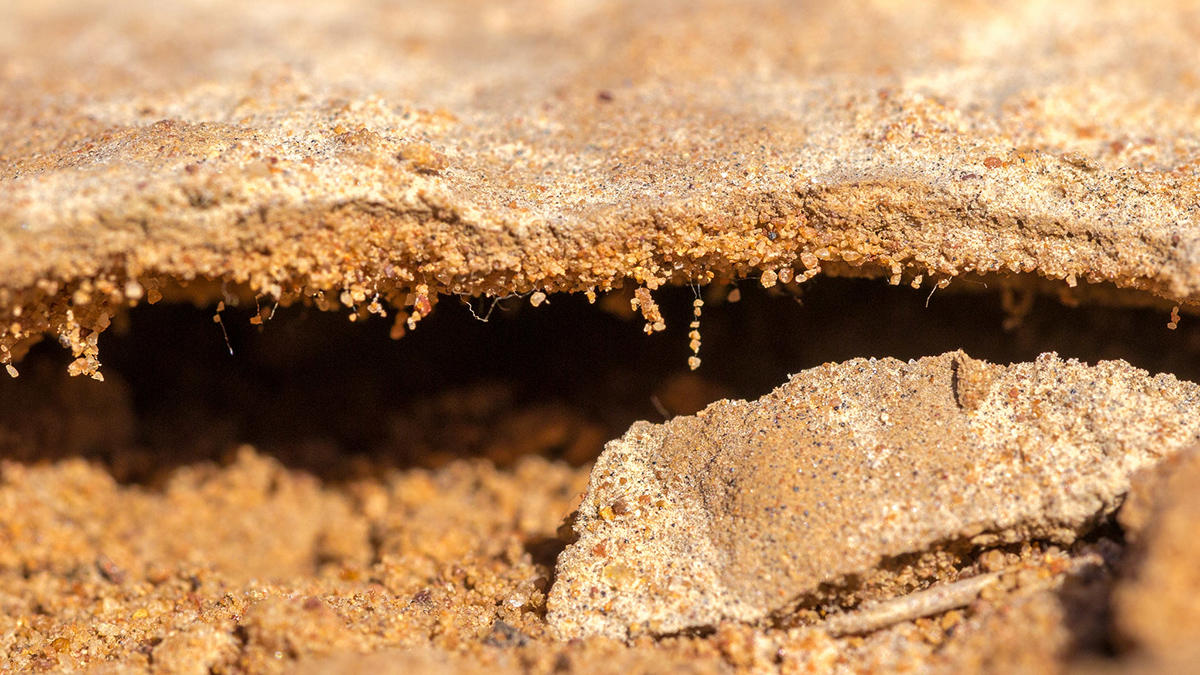
The Dirt on Biocrusts: Why Scientists Are Working to Save Earth’s Living Skin
Think twice before stepping on that crunchy top layer of soil. It may be a vital ecosystem—one that you can help protect.
Posted inResearch Spotlights
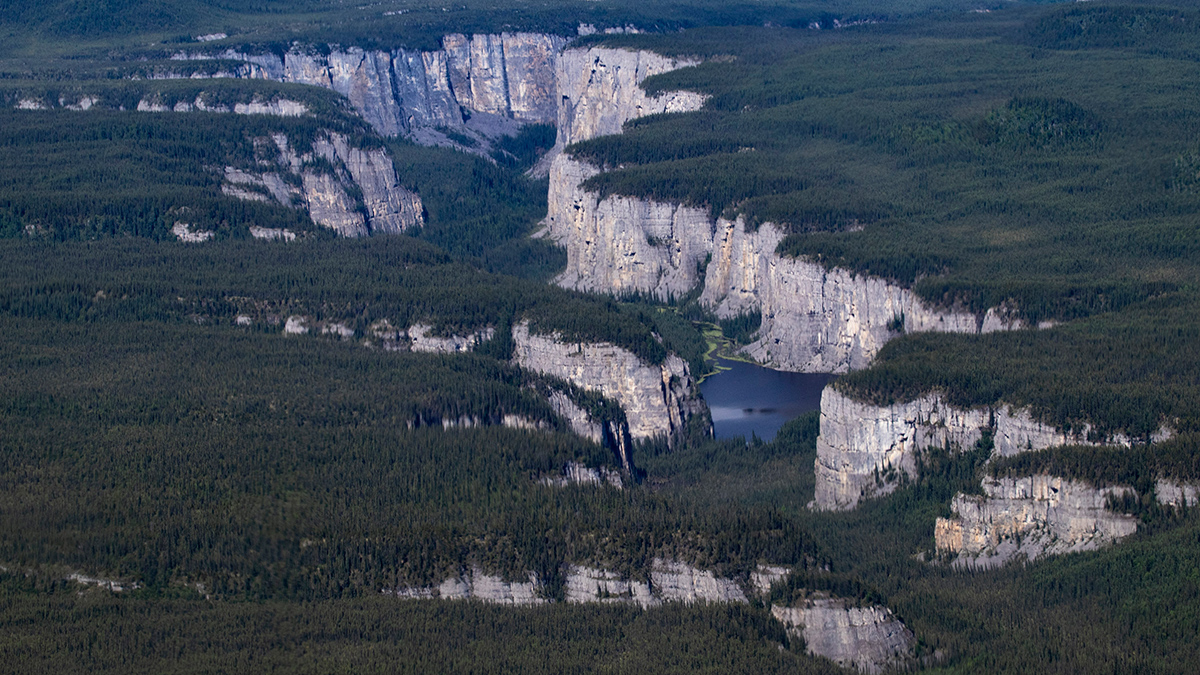
High-Pressure Reactions Can Turn Nonporous Rocks into Sponges
Mathematical models describe how water moves through rocks in deep Earth.