

Changes in polynya area in the Ross Sea region off Antarctica follow a previously unidentified 16-year periodicity.
Earth science

Posted inEditors' Highlights
When You’re a Wet(land), You’re A Wet(land) All the Way
Wetlands and their methane emissions require careful consideration for incorporation in Earth system models with many advances made over the past 30 years.

Posted inFeatures
¿Qué tan peligroso es el volcán Popocatépetl? Depende a quién le preguntes

El estratovolcán en el centro de México presenta un interesante caso de estudio sobre la percepción del riesgo, la comunicación de la ciencia y la preparación en torno a los peligros naturales.

Posted inNews
Earthquakes Can Trigger Megathrust Slip in Cascadia
A 2022 earthquake in Northern California may have triggered slow slip in the Cascadia Subduction Zone, according to a new study.
Posted inEditors' Highlights
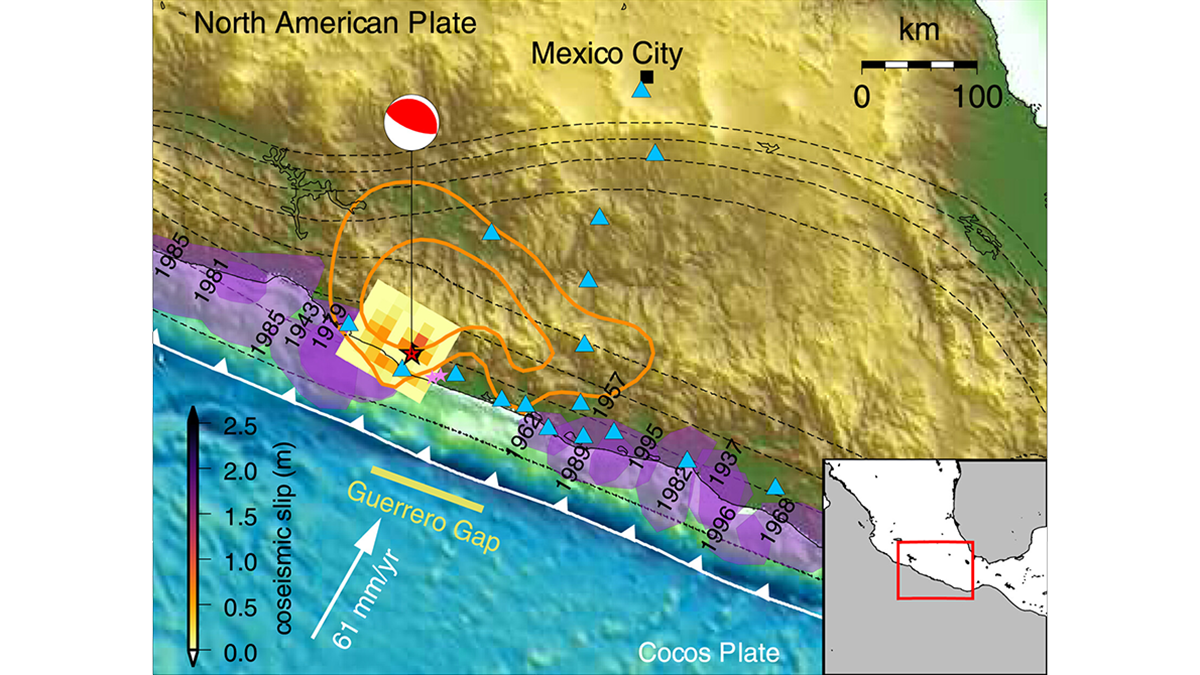
Forecasting Earthquake Ruptures from Slow Slip Evolution
A new generation of physics-based models that integrate temporal slip evolution over decades to seconds opens new possibilities for understanding how large subduction zone earthquakes occur.

Posted inNews
Drilling into Antarctica’s Past
The West Antarctic Ice Sheet melted rapidly around 8,000 years ago. Could that event foretell the future?

Posted inResearch Spotlights
Warming Experiment Explores Consequences of Diminished Snow

The SPRUCE ecosystem in northern Minnesota offered a setting to research exactly how a snowy environment responds to rising temperatures.


Posted inNews
American Samoa’s Sinking Land Speeds Up Sea Level Rise

A new interactive tool is helping residents understand how their lands and homes are at risk.

Posted inENGAGE, News
No Canadian Volcanoes Meet Monitoring Standards

A new analysis reveals serious monitoring gaps at even the highest-threat volcanoes.