

A 36-million-year cycle of marine biodiversity booms and busts matches the movements of plate tectonics, linking what happens deep below the ocean to what’s happening in it.
Earth science

Posted inNews
Natural Floodplains Are Quickly Vanishing
From 1992 to 2019, 600,000 square kilometers of natural floodplains were lost globally due to land conversion.
Posted inNews
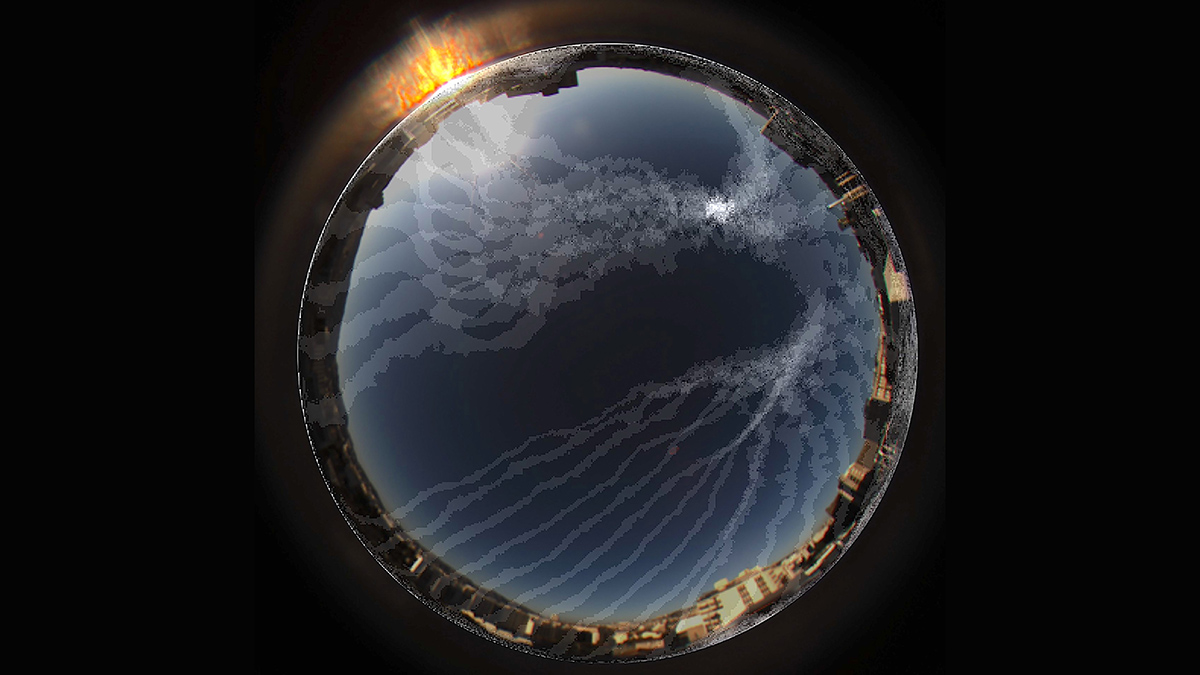
True North, Strong and Free—And Better Oriented
Researchers explored a method for locating true north using the polarization patterns of daylight.

Posted inENGAGE, News
Eclipse Records Pin Dates of 12th and 13th Century Eruptions
Ancient accounts of dark and blood-red moons help scientists peek at past eruptions and their effect on global climate.
Posted inEditors' Highlights
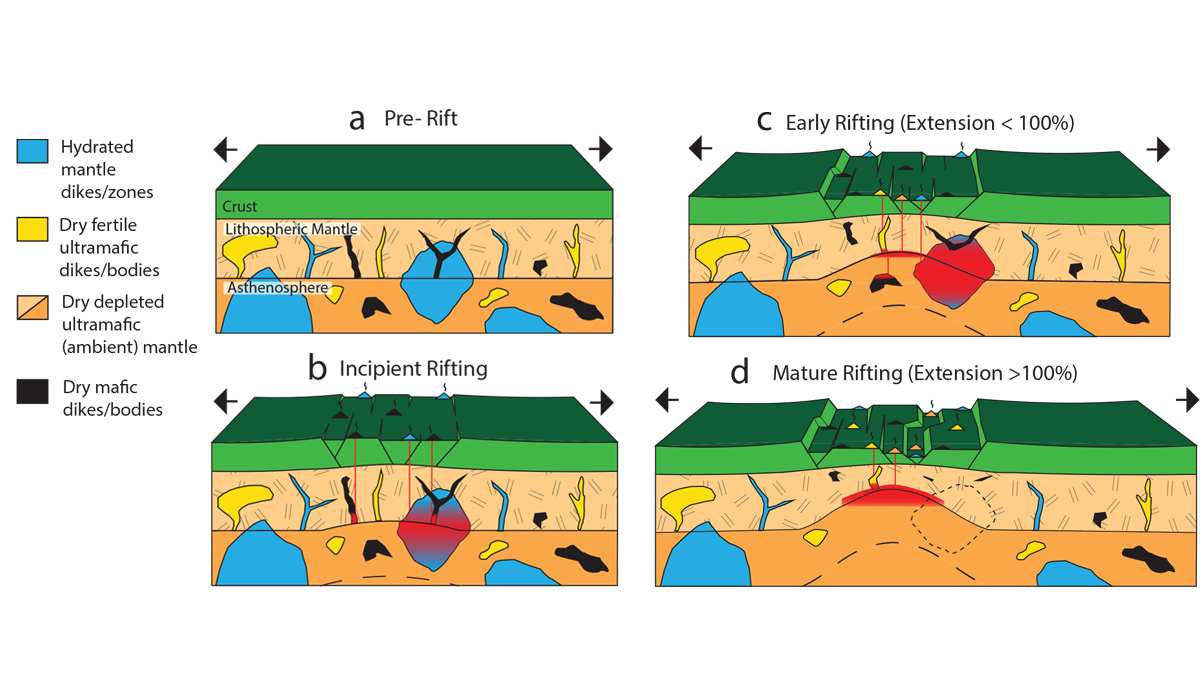
Uncovering Mantle Heterogeneities Beneath Drifting Continents
Computational models of the composition and volumes of magmas during continental rifting evolution provide clues on the heterogeneities of the deep melting mantle.
Posted inEditors' Highlights
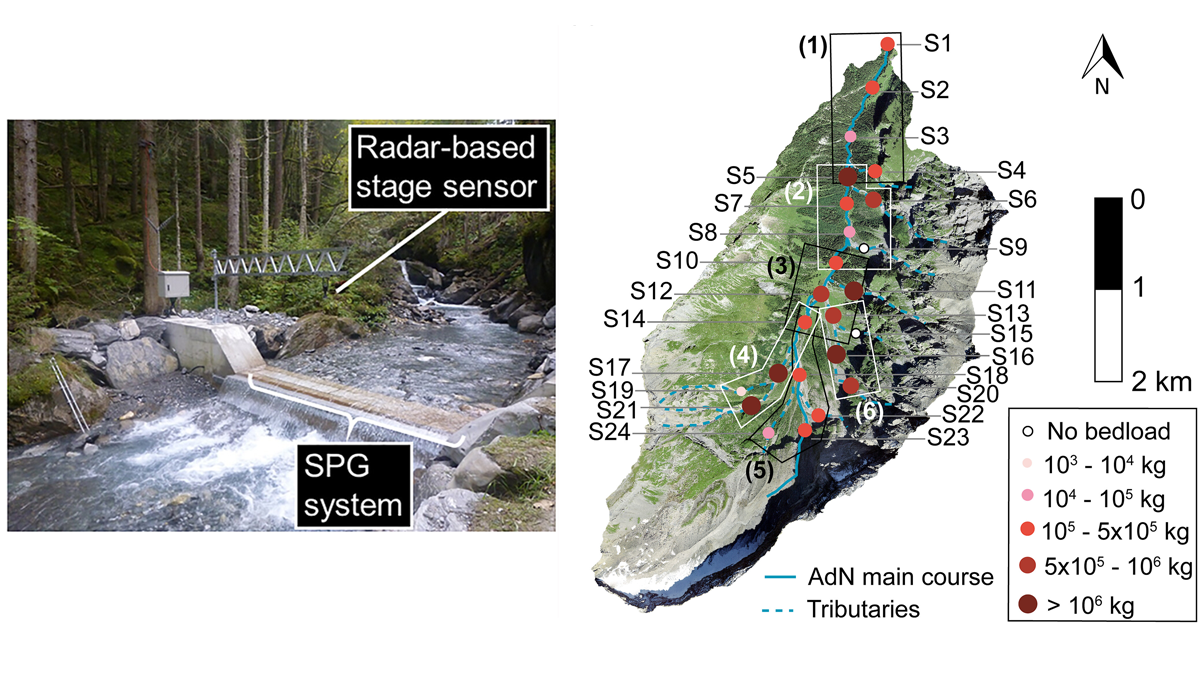
Seismometers Listening at Rivers to Measure Sediment Transport
Bedload sediment, transported throughout an alpine catchment by a flood, was remotely tracked in detail by analyzing the ground vibrations recorded by a network of 24 seismic sensors.
Posted inEditors' Highlights
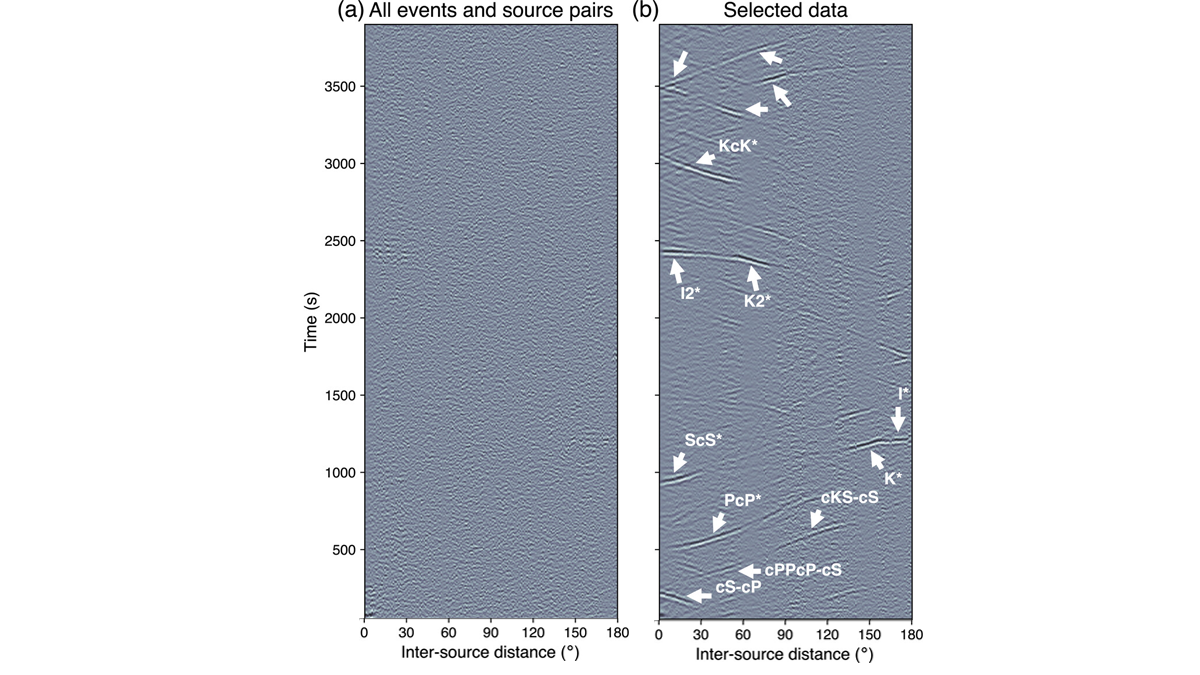
Source Selection Essential to Inter-Source Cross-Correlation
Inter-source correlograms yield coherent signals upon careful consideration of source mechanisms and source-receiver geometry, affording new means of characterizing planetary interiors.
Posted inNews
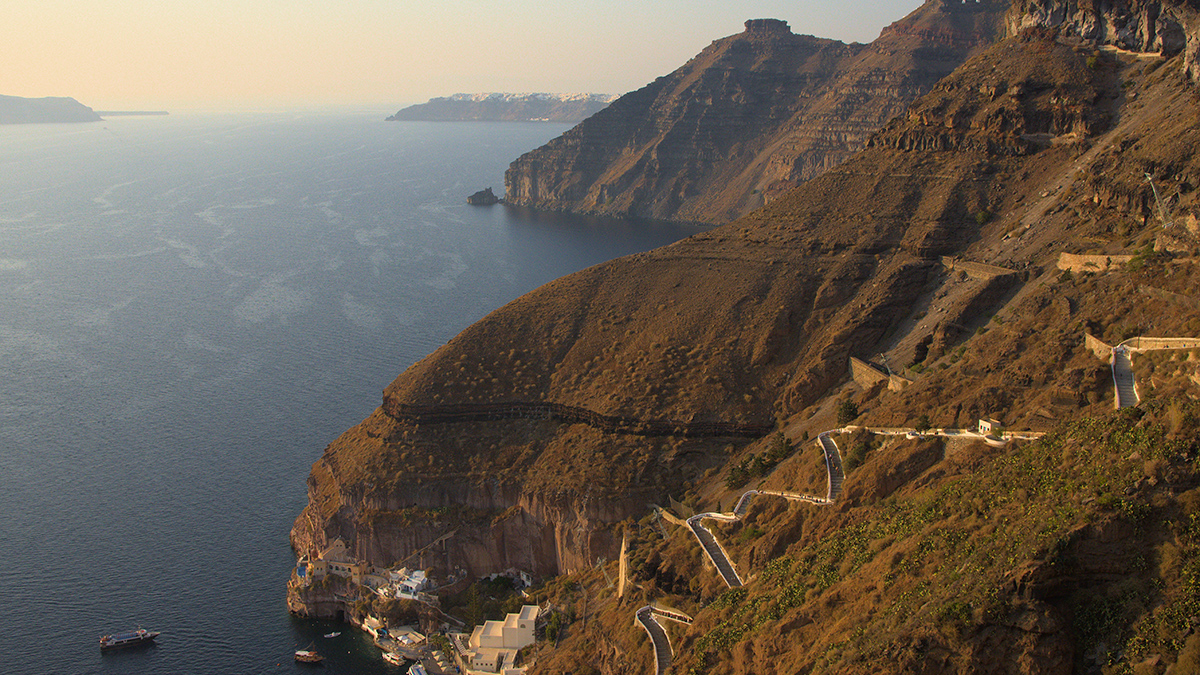
Decoding an Ancient Tsunami from the Ground Up
The seafloor around Santorini is helping scientists investigate forces behind the devastating Minoan tsunami.

Posted inEditors' Highlights
Low-Frequency Quakes Have Modest Effect on Slow Earthquake Cycle
Slow slip phenomena on subdaily scales, captured by seismic and GNSS data, show that low-frequency earthquakes are incidental to larger magnitude slow earthquakes, in which aseismic slip dominates.

Posted inNews
Where the Ground Gives Way
Sinkholes are a significant hazard, but where are they most likely to happen? A new study identifies hot spots in the contiguous United States.