

A new study links geological factors such as faulting and geothermal activity to an elevated risk of arsenic contamination in private wells across the Great Basin.
Earth science
Posted inEditors' Highlights
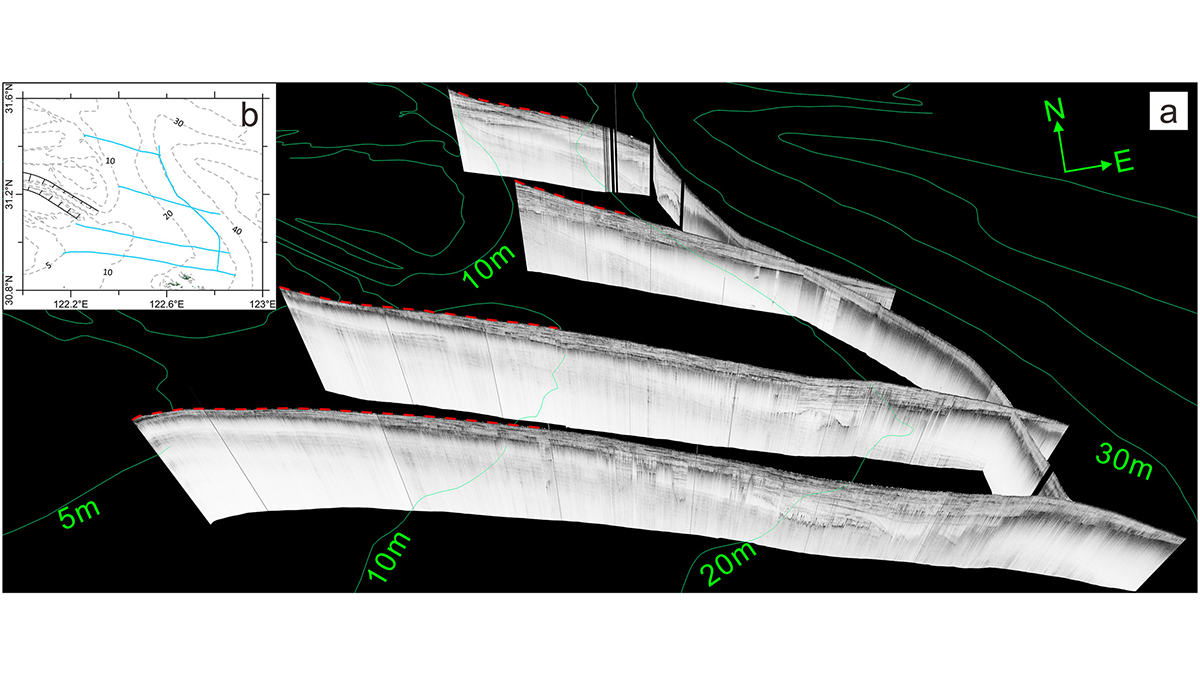
Delta Degradation Leads to Exacerbated Greenhouse Gas Emissions
Seismic ship surveys and seabed elevation maps of the Yangtze subaqueous delta reveal how the reduction of sediment supply to the coastal ocean can trigger increased greenhouse gas emissions.

Posted inNews
Deep-Sea Sand and Where to Find It
Ancient underwater avalanches carried sand into the ocean’s abyss during a time when some least expected it.
Posted inEditors' Highlights
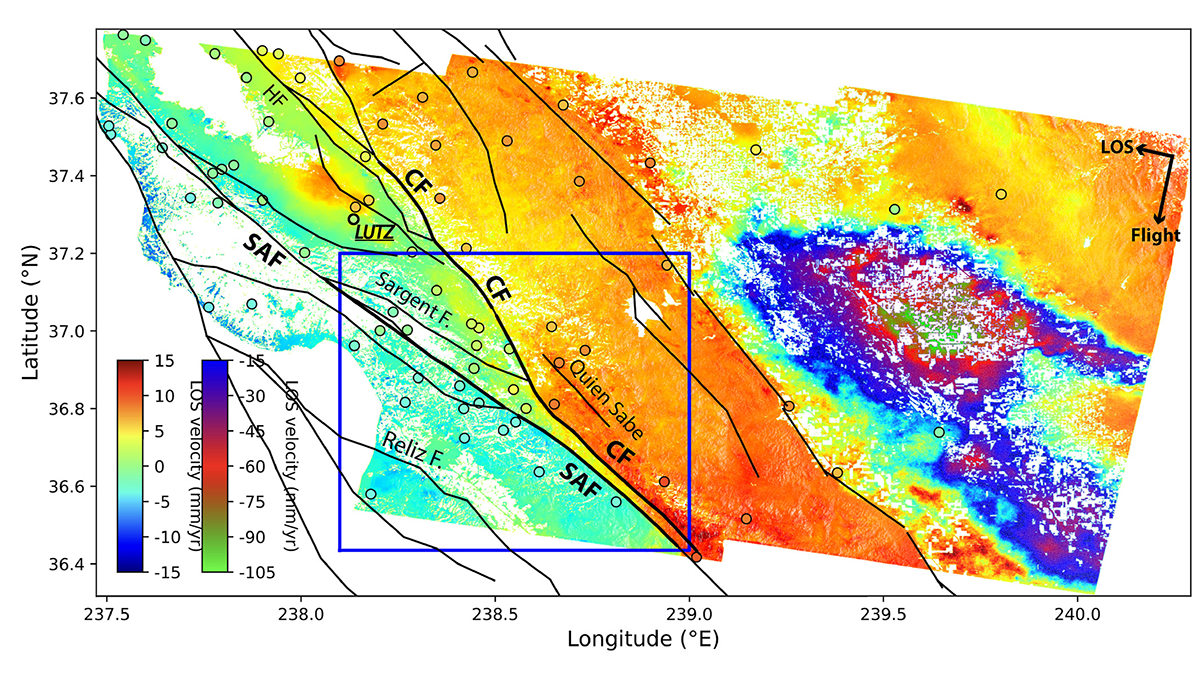
Radar Satellites Capture Subtle Slip Evolution on Faults
A five-year time series from radar satellite imagery tracks surface slip on major faults in the San Francisco Bay Area, capturing subtle velocity variations and controlling factors.
Posted inEditors' Highlights
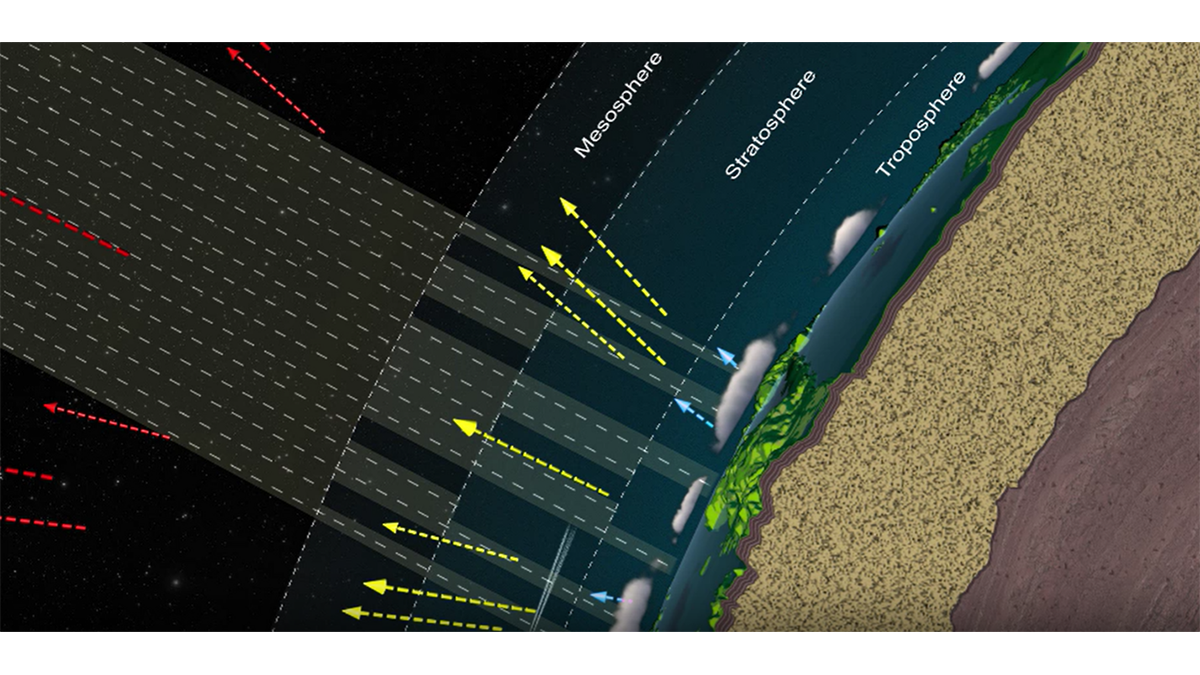
Updated Reference Standard for Total Solar Irradiance
Version 2 of the Total and Spectral Solar Irradiance Sensor-1 Hybrid Solar Reference Spectrum captures a spectral resolution spanning 0.115-200 micrometers and integrates nearly 100% of the TSI energy.
Posted inEditors' Highlights
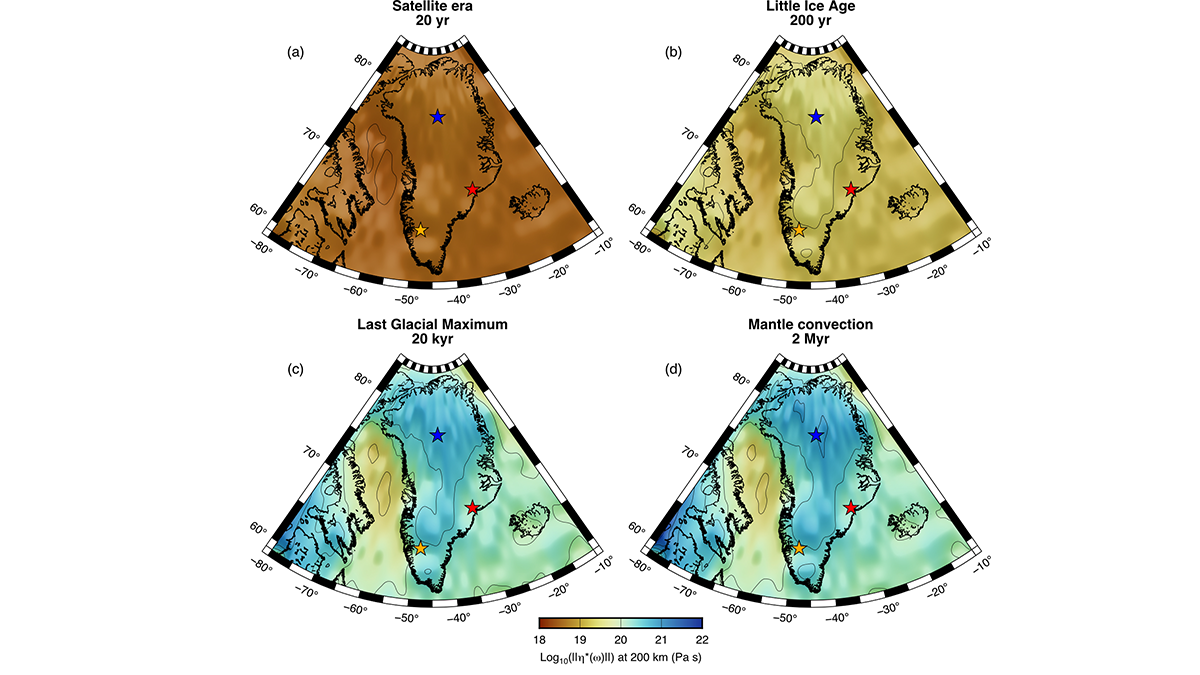
4D Viscosity Constraints from Greenland
The mantle’s resistance to flow appears different for glacial and plate tectonic timescales but this behavior can be reconciled with new thermo-mechanical models of the asthenosphere.
Posted inEditors' Vox
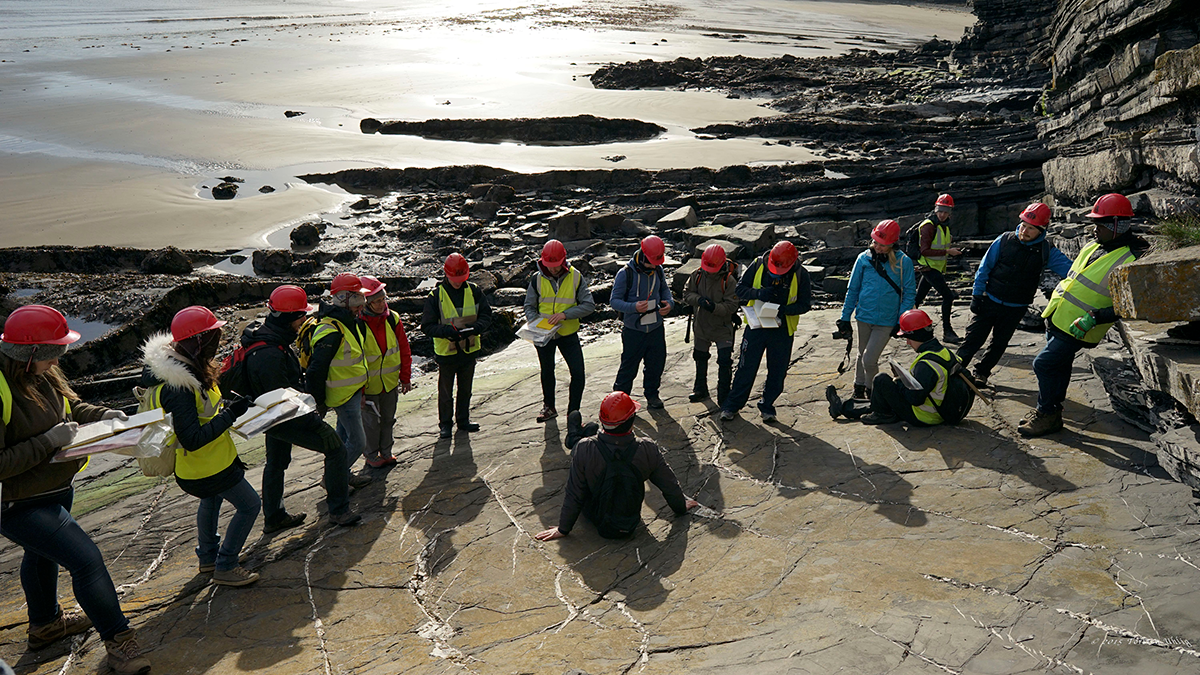
Geoscientists Make a Difference
A new special report demonstrates that geoscientists’ knowledge, skills, and competencies can be used to advance every one of the United Nations Sustainable Development Goals.

Posted inAGU News
Your Databases Need a Reboot
Scientists are reassessing dated data in the time of the Cloud.
Posted inNews
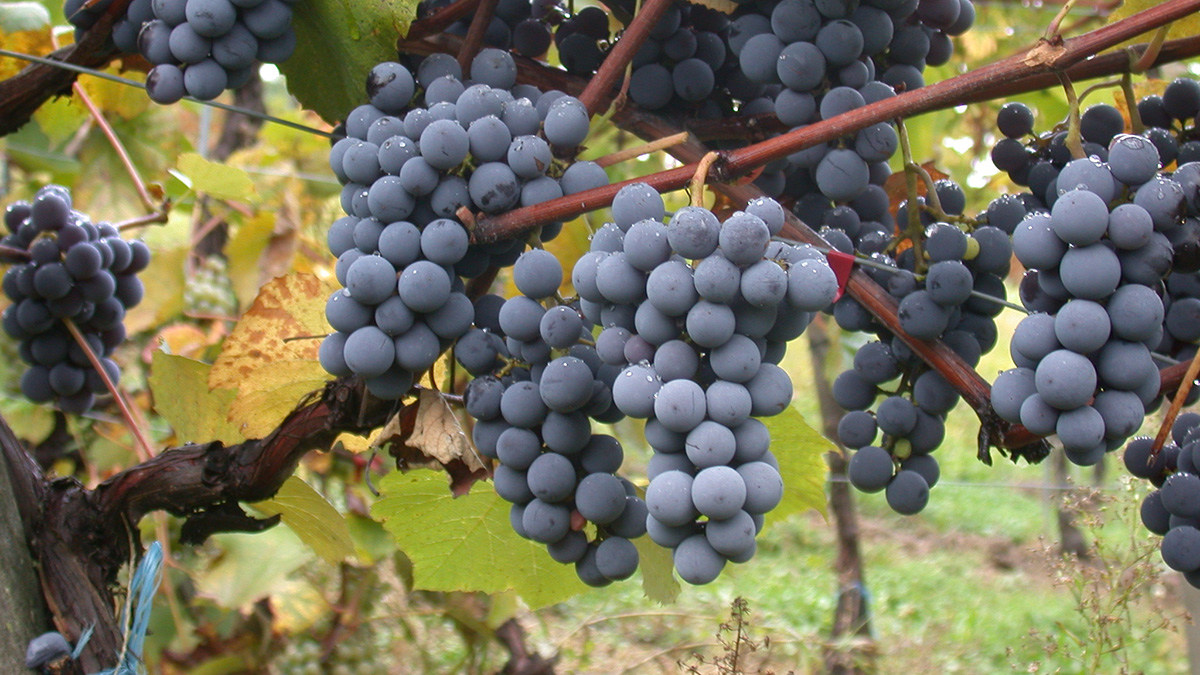
Cómo el Último Máximo Glacial influenció en el origen del vino

El severo clima de la era de hielo influenció el cultivo de la vid durante el nacimiento de la agricultura.

Posted inEditors' Highlights
Scotland’s Last Glaciers Cause a Shift in an Old Paradigm
Cosmogenic geochronology of Scotland’s vanished glaciers indicates that the paradigm of weakened North Atlantic currents causing a rapid regional cooling is no longer valid.