

Millions of square kilometers of wetlands have been drained or converted to make room for crops, pastures, or development. In some places, up to 80% are gone.
Earth science

Posted inResearch Spotlights
Iron Is at the Core of This Earth Science Debate

A new study investigates iron’s form at the planet’s interior. The findings have repercussions for understanding the inner core’s structure.
Posted inResearch Spotlights
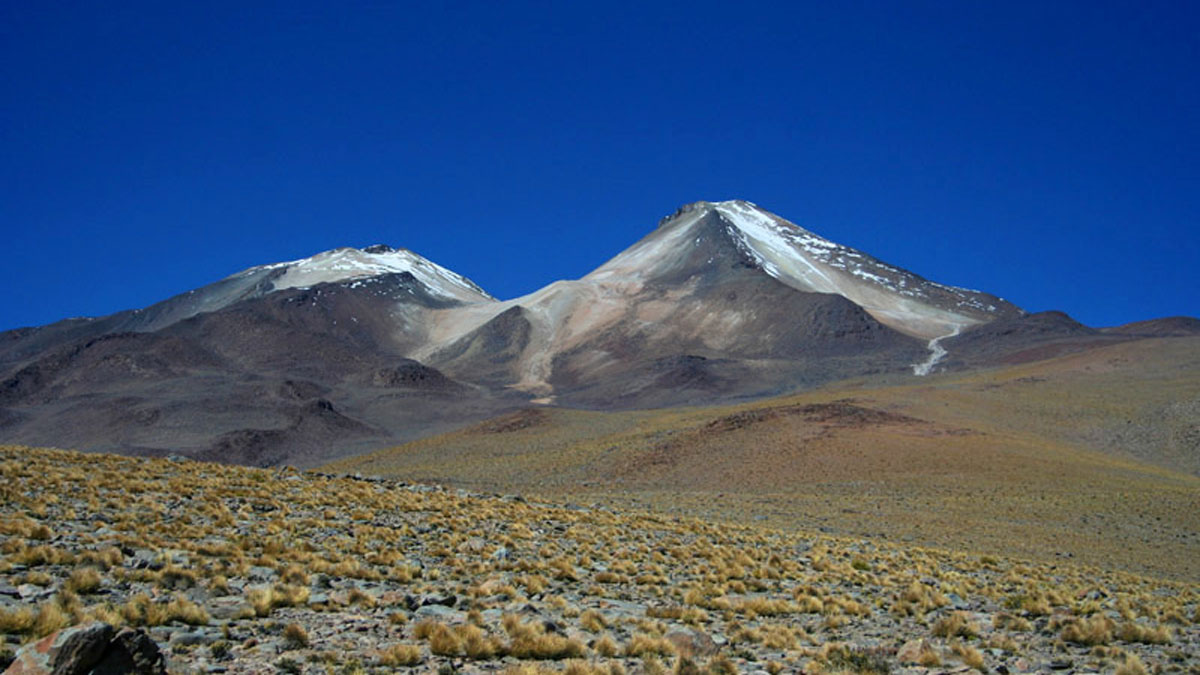
Mapping the Fizzy Brines and Fluid-Filled Fractures Below a Volcano

Seismic tools reveal where hydrothermal fluids lie beneath the Uturuncu volcano in Bolivia and hint at their composition.

Posted inNews
Silicate Weathering Throttles the Global Thermostat
The natural breakdown of some rocks sucks carbon dioxide out of the atmosphere. Knowing how quickly it happens could help scientists engineer solutions to the climate crisis.
Posted inScience Updates
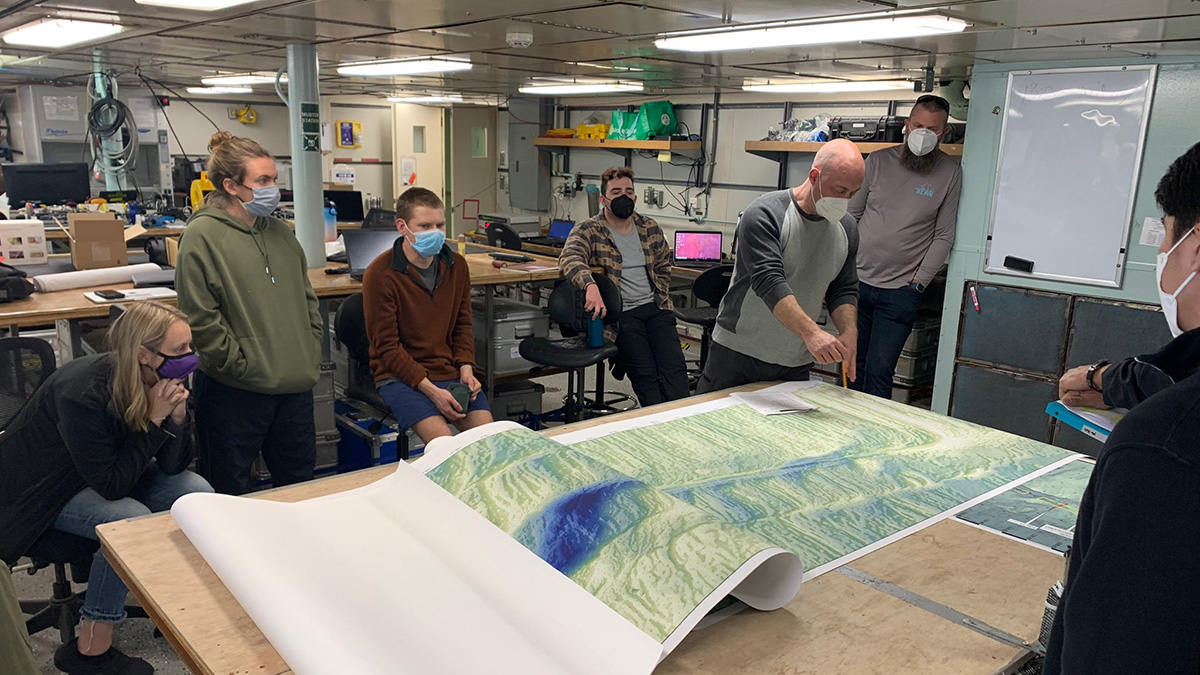
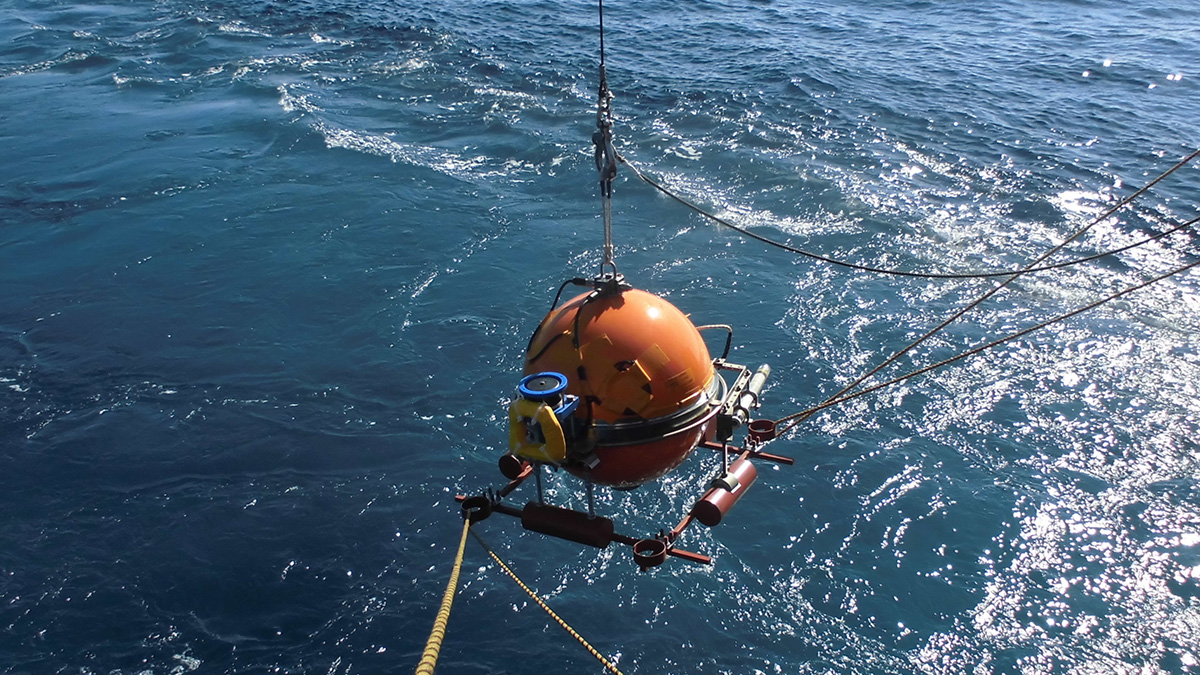
Observing a Seismic Cycle at Sea
Scientists organized a trio of expeditions to document the buildup of stress leading to a large earthquake on a seafloor fault, developing innovations for successful seagoing research in the process.
Posted inNews
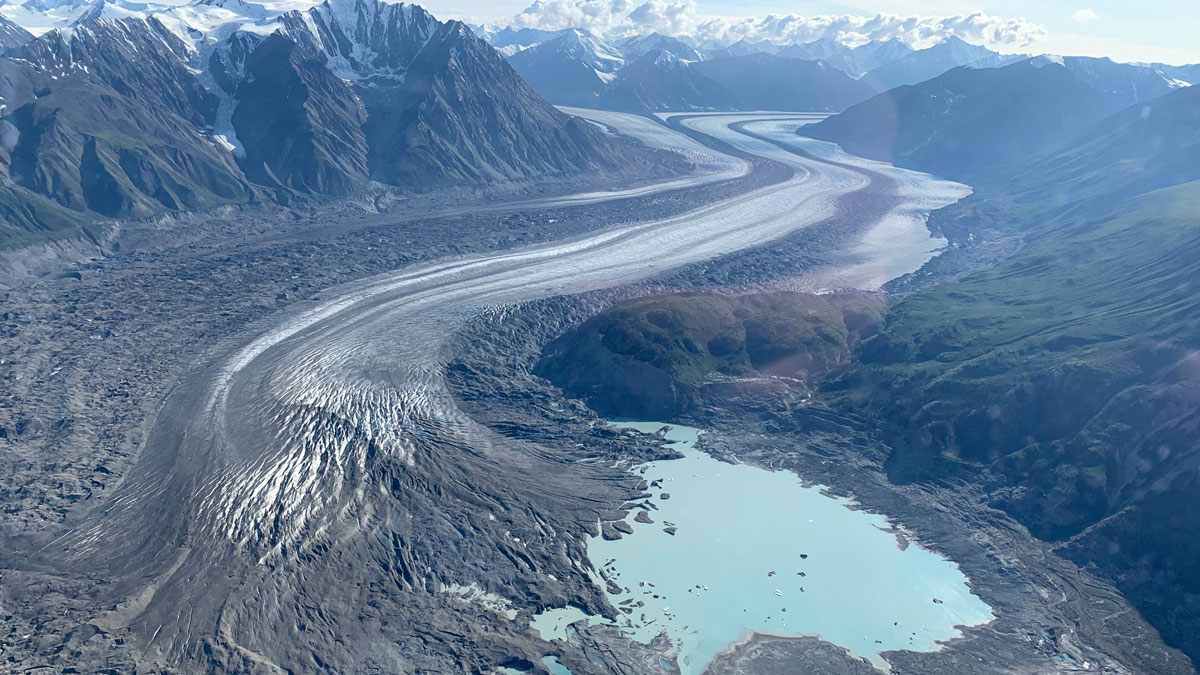
Lakes Can Change How Glaciers Move
Lakes forming from melted ice can have a big effect on their parent glacier, and more of these bodies of water are appearing under warming conditions.

Posted inEditors' Vox
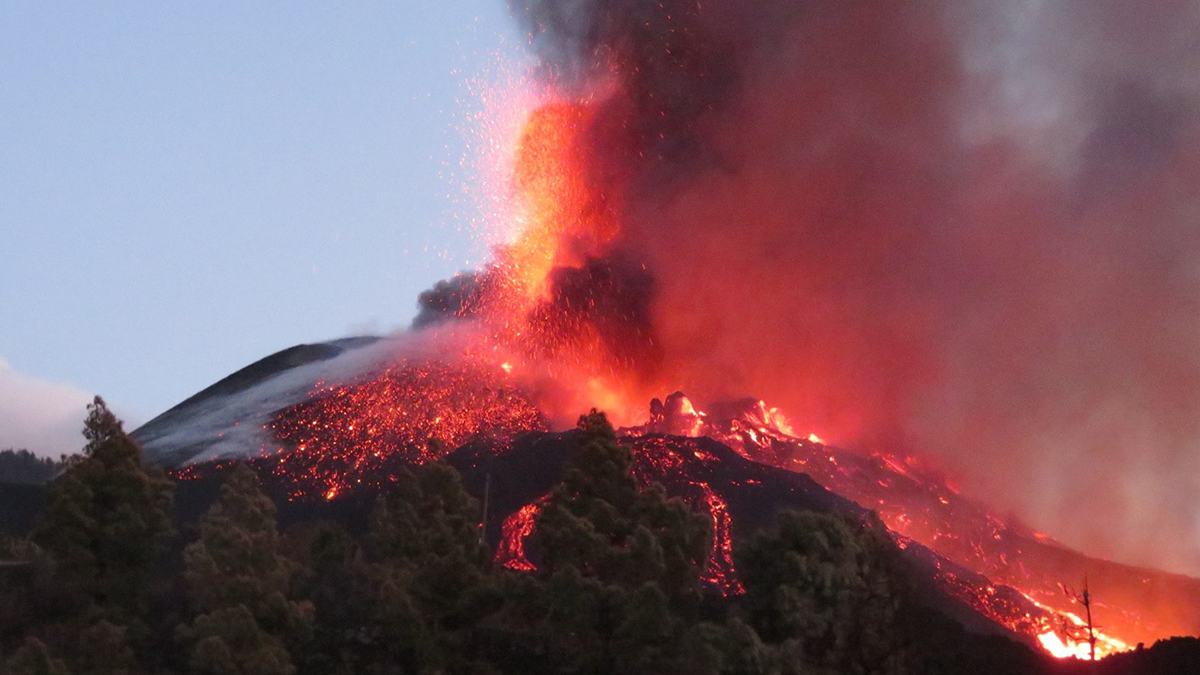
Quantification of Subaerial Volcanism and its Products
Researchers estimate the mass of volcanic products that erupted above sea level from 1980 to 2019 by volcanoes worldwide and the average eruptive rates of each magmatic province.
Posted inNews
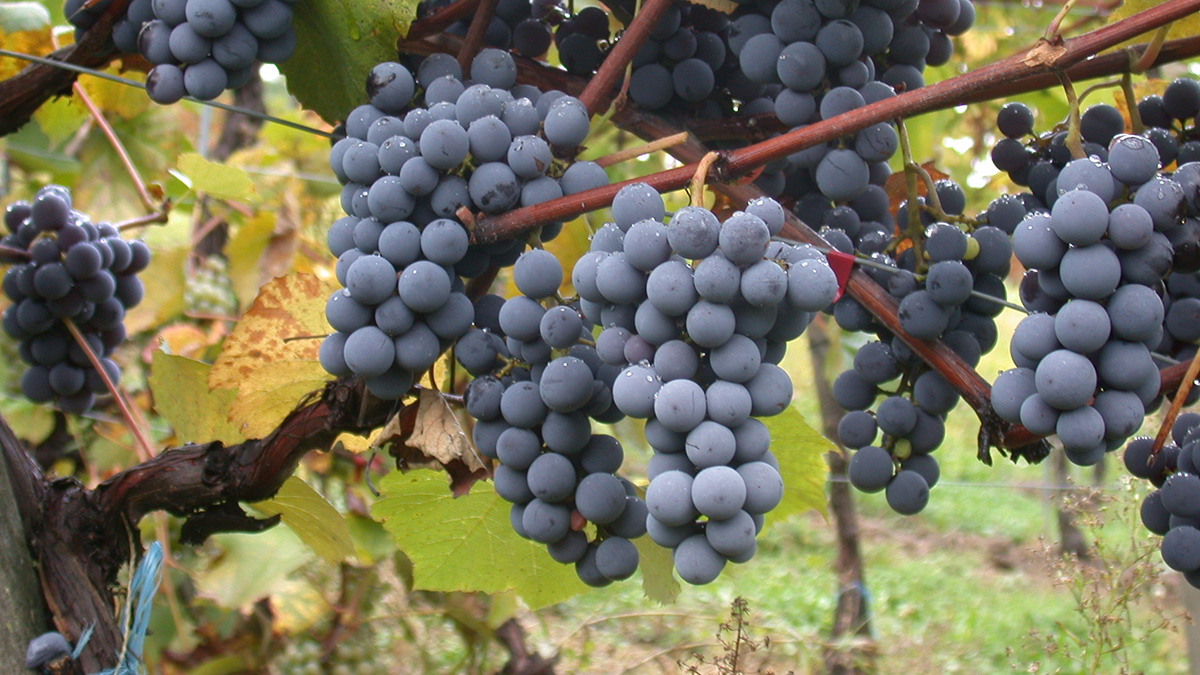
How Wine’s Origin Was Shaped by the Last Glacial Maximum

The harsh climate of the ice age influenced grapevine cultivation at the dawn of agriculture.

Posted inNews
Accounting for Offbeat Earthquakes Could Improve Forecasts
A new model considers the full history of earthquakes on a fault, improving forecasts of when the next will strike.