


Adaptation appears possible in some areas, with northerly marshes having a greater capacity to form new soil and gain elevation, whereas some southerly marshes can migrate inland.
Earth’s Future
Posted inResearch Spotlights
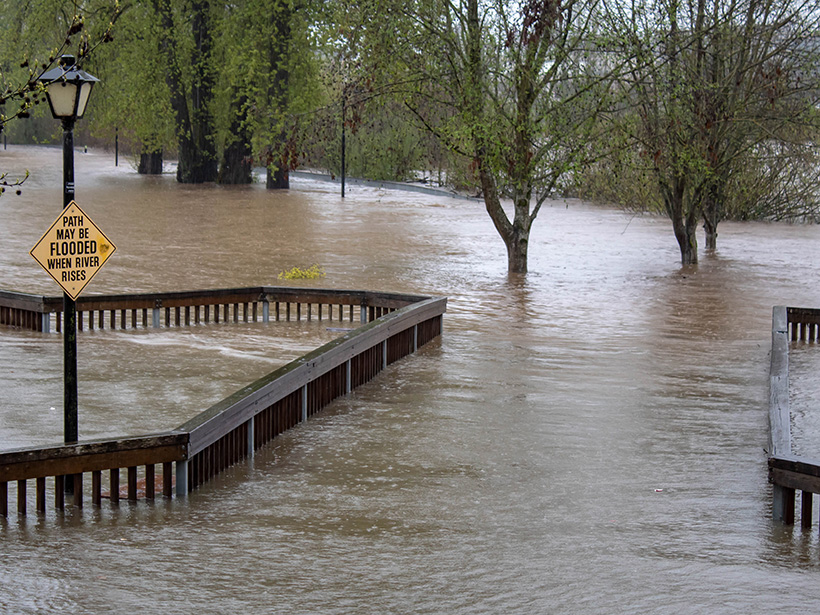
Extreme Rainfall Statistics May Shift as U.S. Climate Warms
Precipitation data and high-resolution modeling suggest that extreme rainfall events under a changing climate will be shorter, more intense, and more widely spread out.
Posted inResearch Spotlights
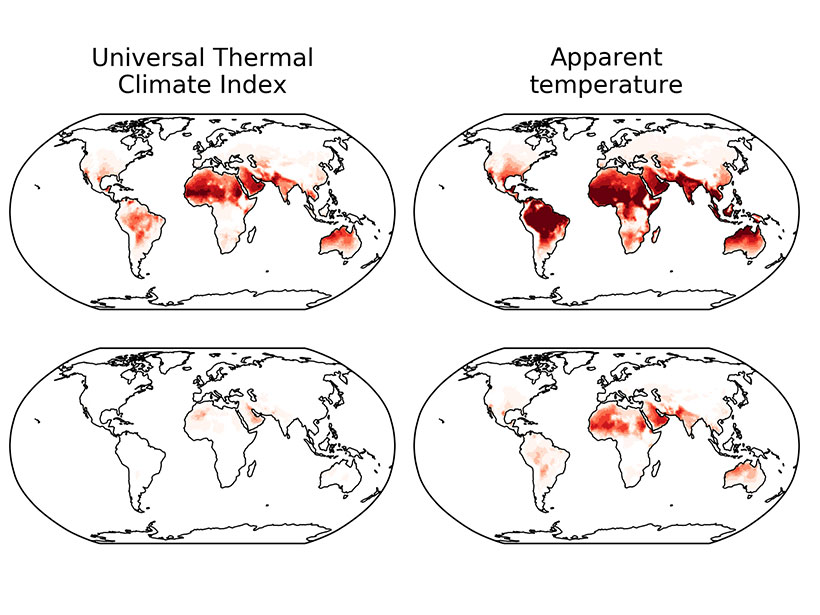
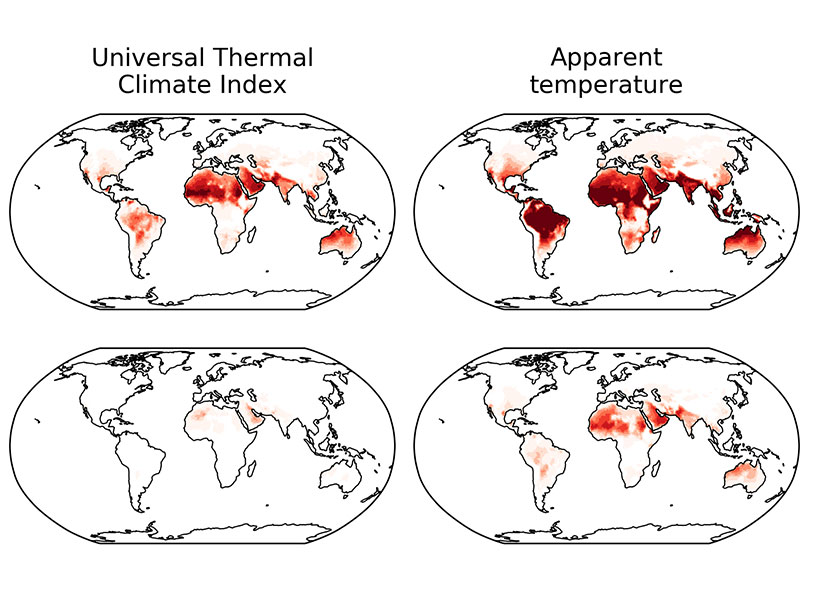
Global Warming Causes Uneven Changes in Heat Stress Indicators
Different indicators change in different ways, but climate models project a clear trend of increasing heat stress.



Posted inENGAGE, Research Spotlights
Carbon Capture Can’t Solve the Climate Problem Without Individual Actions
Individual choices like the adoption of electric vehicles are going to factor heavily in meeting the climate objectives of the Paris Agreement.
Posted inResearch Spotlights
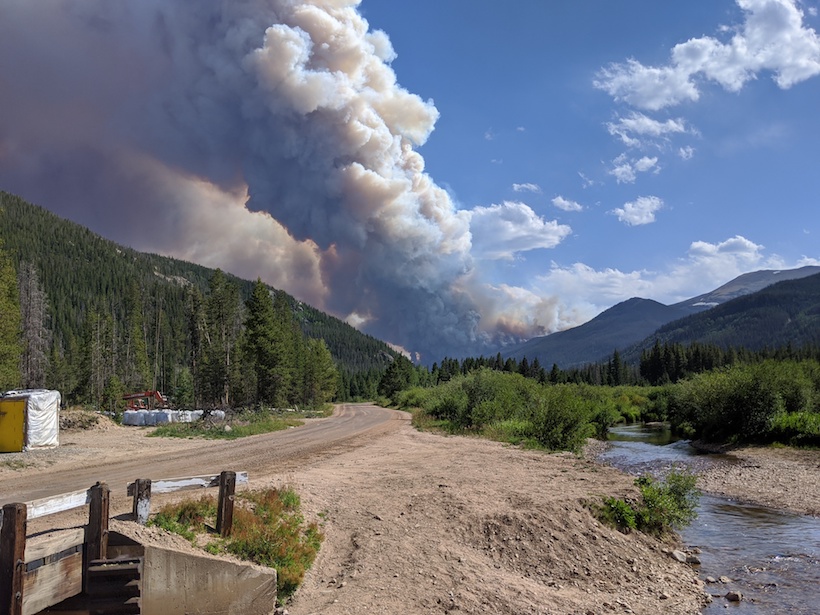
Evaluating Environmental Predictors of Western U.S. Wildfires

A new analysis highlights the importance of carefully selecting the environmental variables used to drive future changes in wildfire burn area in climate models.
Posted inResearch Spotlights
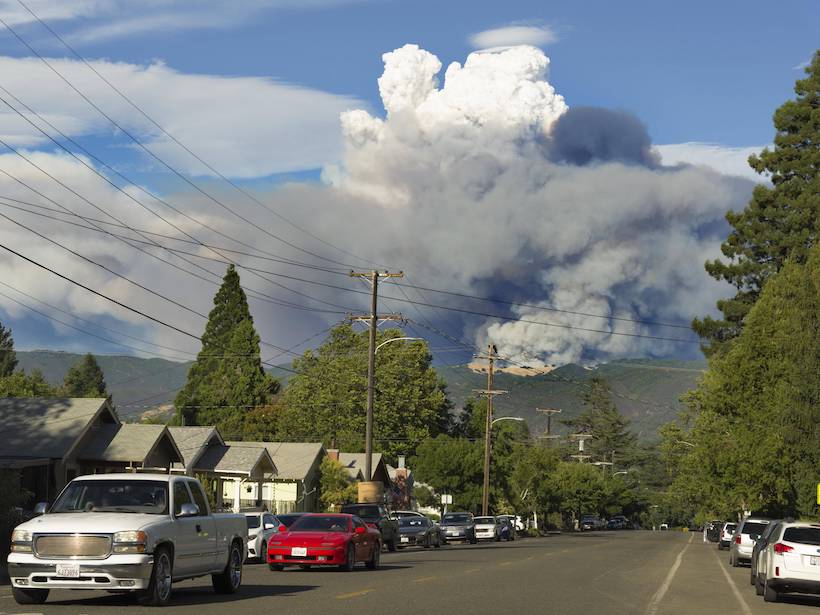
“Thirstier” Atmosphere Will Increase Wildfire Risk out West
New climate projections could inform long-term wildfire and water resources management strategies in California and Nevada.

Posted inResearch Spotlights
Australia’s Most Extreme Bushfire Season, Statistically Speaking

Researchers identified climatic and geomorphic risk factors that led to record-breaking fires across Australia during the 2019–2020 fire season.
Posted inResearch Spotlights
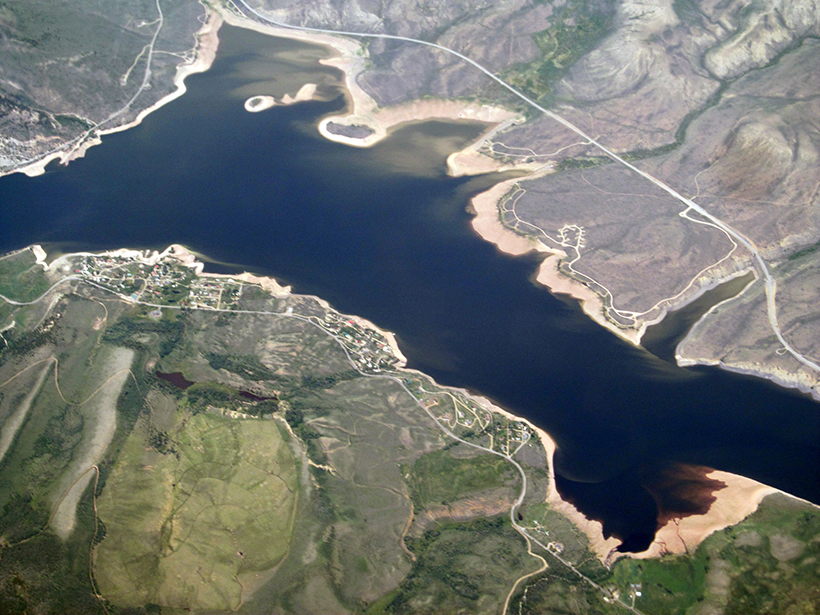
Different Models, Different Answers in Water Resource Planning
The experimental design used in climate vulnerability assessments can strongly influence the assessments’ findings and skew decisions about which factors are most important for informing adaptation.