


Inland from the seagrass and salt marsh ecosystems that border the ocean, upper estuaries store more carbon than previously realized and could play an important role in mitigating climate change.
ecosystems
Posted inResearch Spotlights
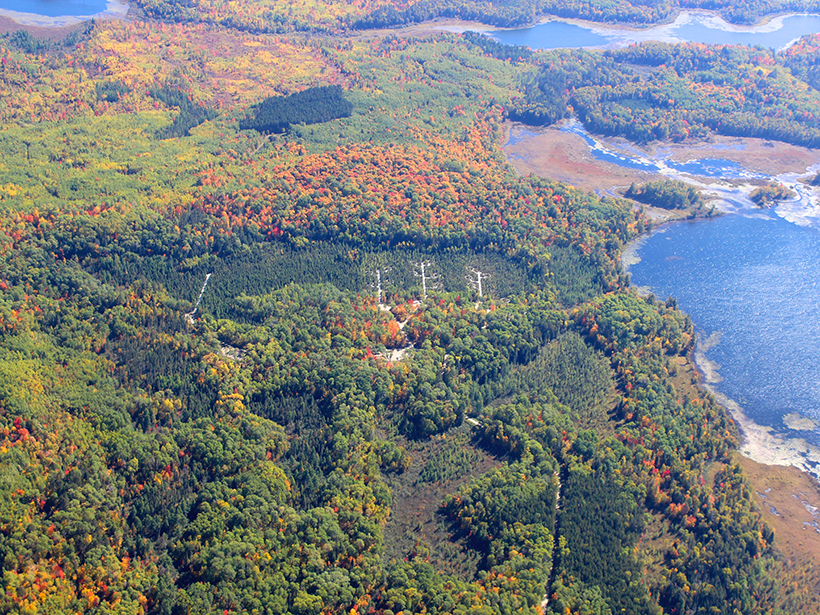
Depth Matters in Peat Bog Nutrient Cycling
Peatlands store around a third of Earth’s soil carbon, and a new study begins to reveal how the ecosystems’ organic matter changes with depth.

Posted inOpinions
Global Water Clarity: Continuing a Century-Long Monitoring
An approach that combines field observations and satellite inferences of Secchi depth could transform how we assess water clarity across the globe and pinpoint key changes over the past century.

Posted inScience Updates
How Paleofire Research Can Better Inform Ecosystem Management
Global Paleofire Working Group 2: Paleofire Knowledge for Current and Future Ecosystem Management; Saint-Hippolyte, Quebec, Canada, 10–14 October 2017
Posted inNews
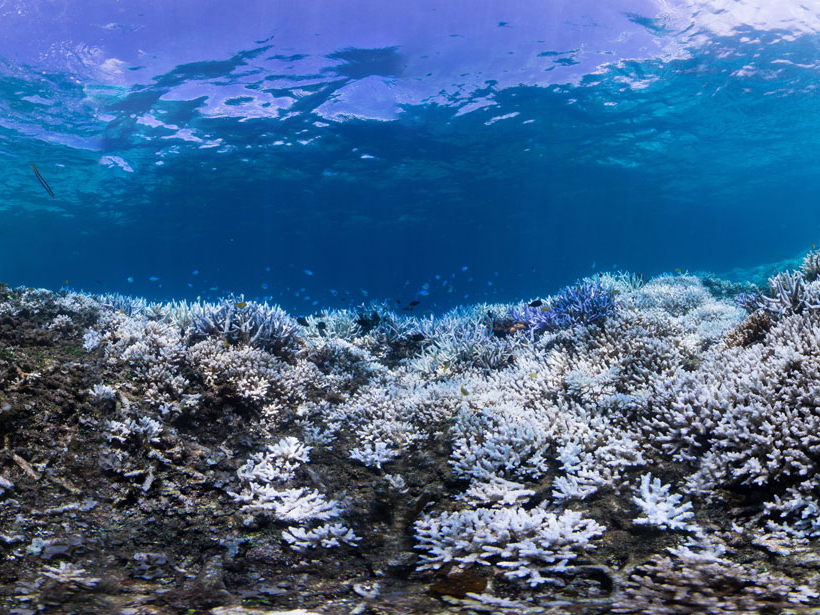
Scientists Examine Novel Options to Save Coral Reefs

Warming events prompt scientists to look at ecological, genetic, and engineering interventions.
Posted inResearch Spotlights
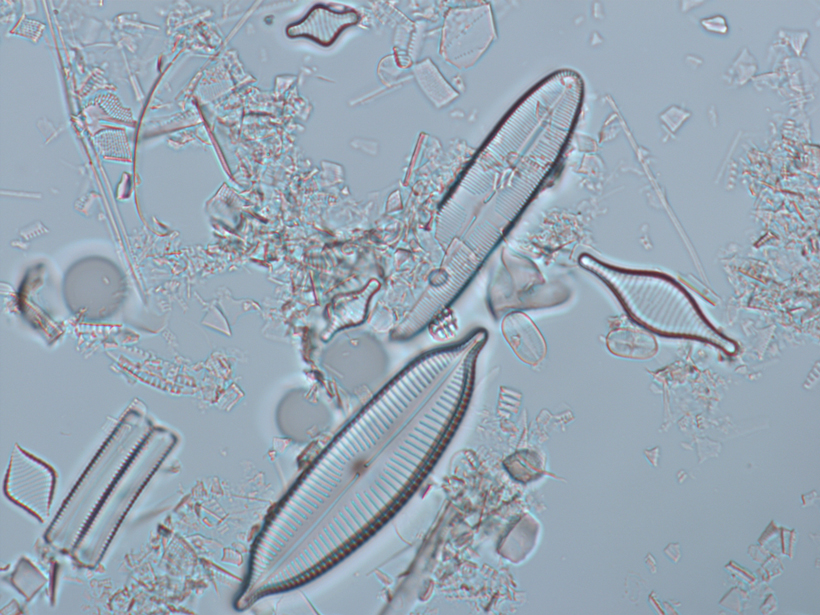
Australian Algae Aid Understanding of Ecosystem Resilience
Wildfires may have driven a critical ecosystem transition in Tasmania’s Lake Vera more than 800 years ago.

Posted inResearch Spotlights
Scientists Discover New Ocean Current off Madagascar

The warm and salty Southwest Madagascar Coastal Current influences upwelling that supports rich marine ecosystems along the southern coast.

Posted inResearch Spotlights
The Benefits and Vulnerabilities of a Warming Europe

Scientists evaluate the economic and environmental impacts of a warmer climate on European countries, finding a range of effects on tourism, electricity demand, and ecosystem production.
Posted inResearch Spotlights
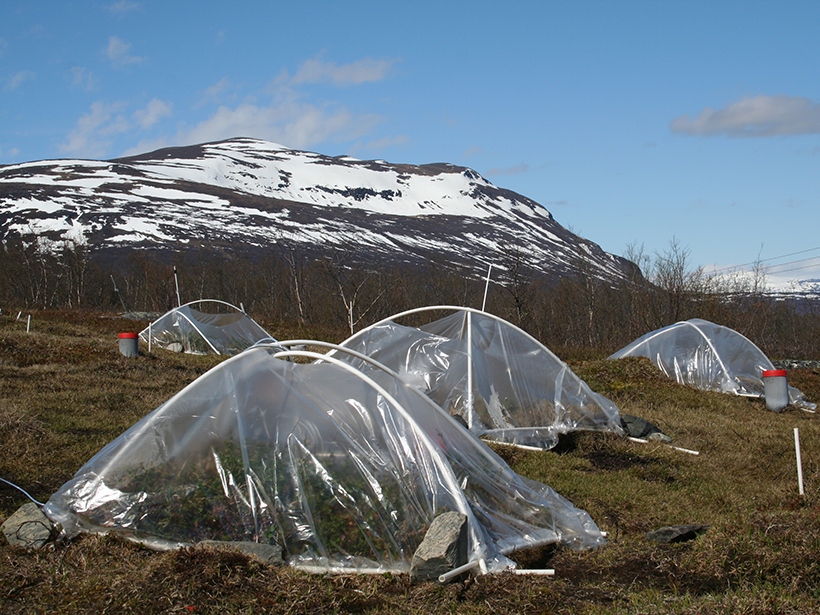
The Upside to a “Bad” Ozone Precursor
In Sweden’s wet heathland, scientists see how a sensitive ecosystem adapts to rising global temperatures.

Posted inNews
Nutrient-Rich Water Around Seamounts Lures Top Predators

At an Indian Ocean marine refuge, tides drive cold water laden with nutrients onto the tops of underwater mountains, where it sustains a long food chain that culminates in sharks, tuna, and seabirds.