• About
  • Special Reports
  • Topics
    • Climate
    • Earth Science
    • Oceans
    • Space & Planets
    • Health & Ecosystems
    • Culture & Policy
    • Education & Careers
    • Opinions
  • Projects
    • Postcards From the Field
    • ENGAGE
    • Editors’ Highlights
    • Editors’ Vox
    • Eos en Español
    • Eos 简体中文版
    • Print Archive: 2015–2025
  • Policy Tracker
  • Blogs
    • Research & Developments
    • The Landslide Blog
  • Newsletter
  • Submit to Eos
  • AGU.org
  • Career Center
  • Join AGU
  • Give to AGU
  • About
  • Special Reports
  • Topics
    • Climate
    • Earth Science
    • Oceans
    • Space & Planets
    • Health & Ecosystems
    • Culture & Policy
    • Education & Careers
    • Opinions
  • Projects
    • Postcards From the Field
    • ENGAGE
    • Editors’ Highlights
    • Editors’ Vox
    • Eos en Español
    • Eos 简体中文版
    • Print Archive: 2015–2025
  • Policy Tracker
  • Blogs
    • Research & Developments
    • The Landslide Blog
  • Newsletter
  • Submit to Eos
Skip to content
  • AGU.org
  • Career Center
  • Join AGU
  • Give to AGU
Eos

Eos

Science News by AGU

Support Eos
Sign Up for Newsletter
  • About
  • Special Reports
  • Topics
    • Climate
    • Earth Science
    • Oceans
    • Space & Planets
    • Health & Ecosystems
    • Culture & Policy
    • Education & Careers
    • Opinions
  • Projects
    • Postcards From the Field
    • ENGAGE
    • Editors’ Highlights
    • Editors’ Vox
    • Eos en Español
    • Eos 简体中文版
    • Print Archive: 2015–2025
  • Policy Tracker
  • Blogs
    • Research & Developments
    • The Landslide Blog
  • Newsletter
  • Submit to Eos

ENGAGE

A map of what Pangea Ultima, which should form in about 250 million years, will look like
Posted inENGAGE, News

Future Supercontinent Will Be Inhospitable for Mammals

by Rebecca Owen 8 November 20238 November 2023

Pangea returns in 250 million years, and it’s not looking good for us.

An image of Mars.
Posted inENGAGE, News

Five Martian Mysteries That Have Scientists Scratching Their Heads

by Matthew R. Francis 2 November 20232 November 2023

Despite centuries of study and many spacecraft visits, the Red Planet still holds secrets. Here are just a few.

An overhead view of an open pit mine
Posted inENGAGE, News

Millions Likely Live in Areas Contaminated by Mining Runoff

by Nathaniel Scharping 1 November 20231 November 2023

Heavy metal contaminants from mining can live in ecosystems for centuries. A new global database shows where the problem is worst.
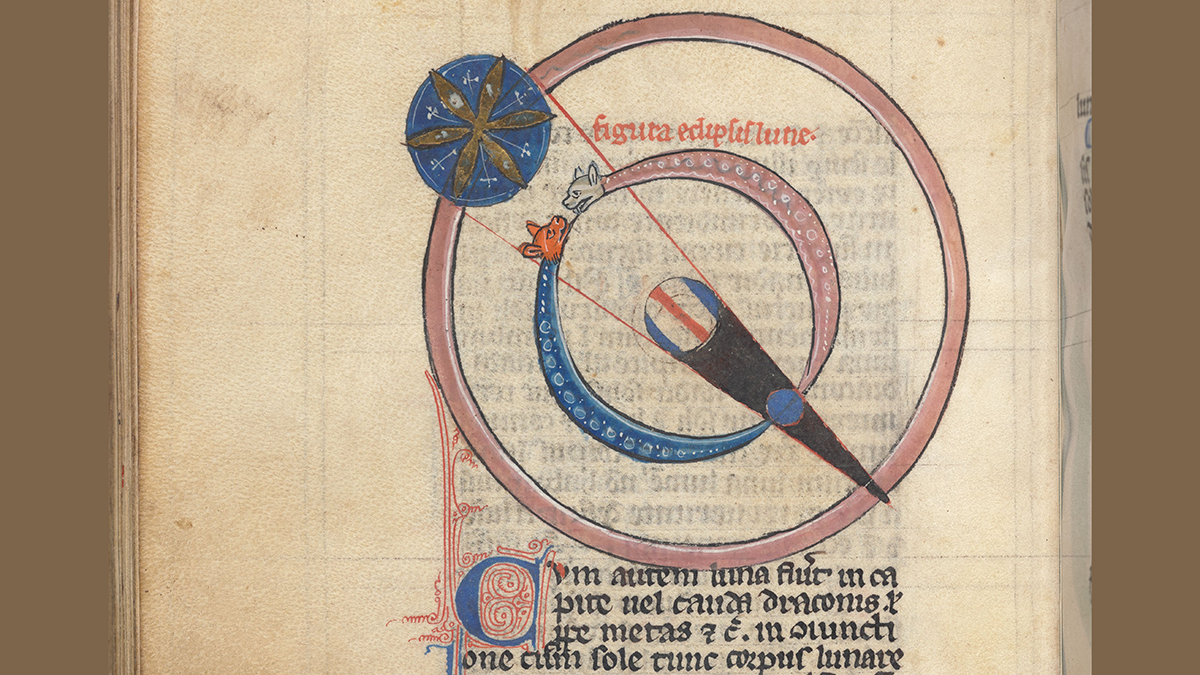
Una página de un texto antiguo con un dibujo de círculos y otras formas representando un eclipse.
Posted inENGAGE, News

Registros de eclipses fechan erupciones volcánicas de los siglos XII y XIII

by Kate Evans 30 October 202330 October 2023

Registros antiguos de lunas oscuras y lunas de sangre ayudan a los científicos a vislumbrar erupciones pasadas y sus efectos en el clima global.

Gray tree stumps stick out of a lake.
Posted inNews

A Strong Quake (or Two) Rattled Puget Sound 1,100 Years Ago

by Carolyn Wilke 27 October 202327 October 2023

Tree rings hint that two neighboring faults ruptured within 6 months of each other and suggest that the maximum magnitude of quakes around Puget Sound could exceed previous estimates.
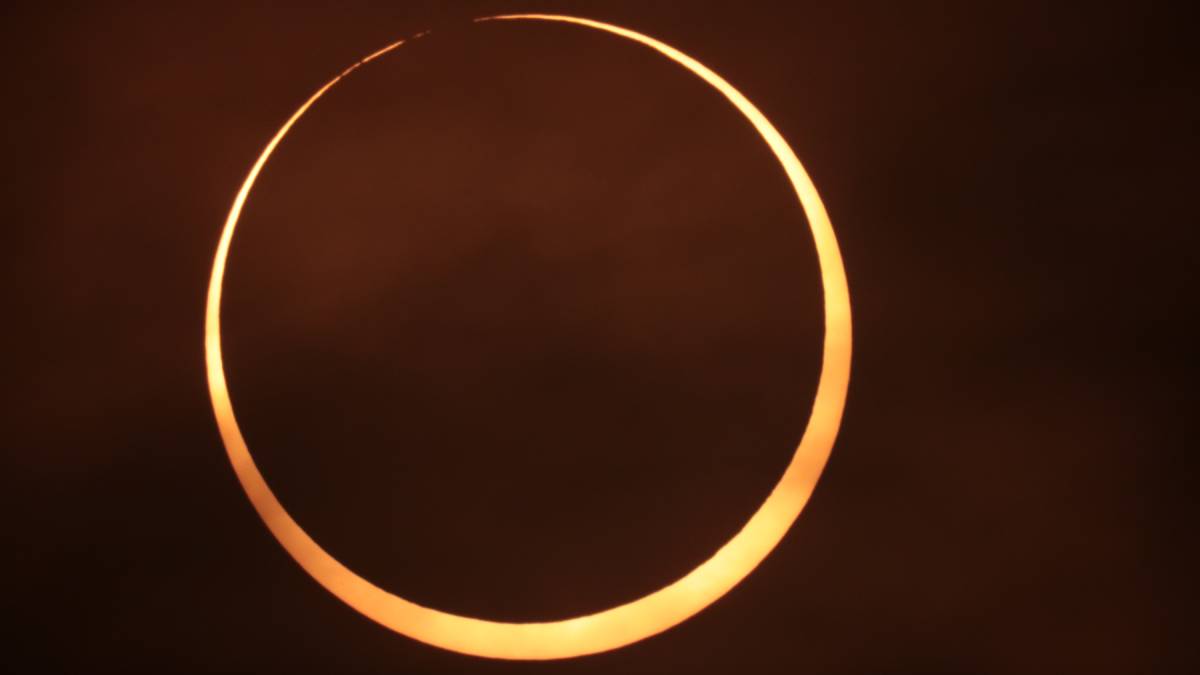
A ring of fire annular solar eclipse just before maximum eclipse on a burnt orange sky.
Posted inENGAGE, News

Ham Radios Crowdsourced Ionospheric Science During Eclipse

Kimberly M. S. Cartier, News Writing and Production Intern for Eos.org by Kimberly M. S. Cartier 26 October 202310 April 2024

Amateur radio operators who study space physics and the upper atmosphere probed the ionosphere’s response to the 2023 annular solar eclipse using shortwave transmissions.

Jagged-surfaced blue-white glacier, surrounded in the foreground by seawater and in the background by dark colored, snowcapped mountains
Posted inENGAGE, News

Popping Bubbles Make Glaciers Melt Faster

by Erin Martin-Jones 25 October 202328 November 2023

Accounting for the newfound bubble effect could improve estimates of how sea-terminating glaciers melt underwater—and better anticipate their shrinkage as oceans warm.
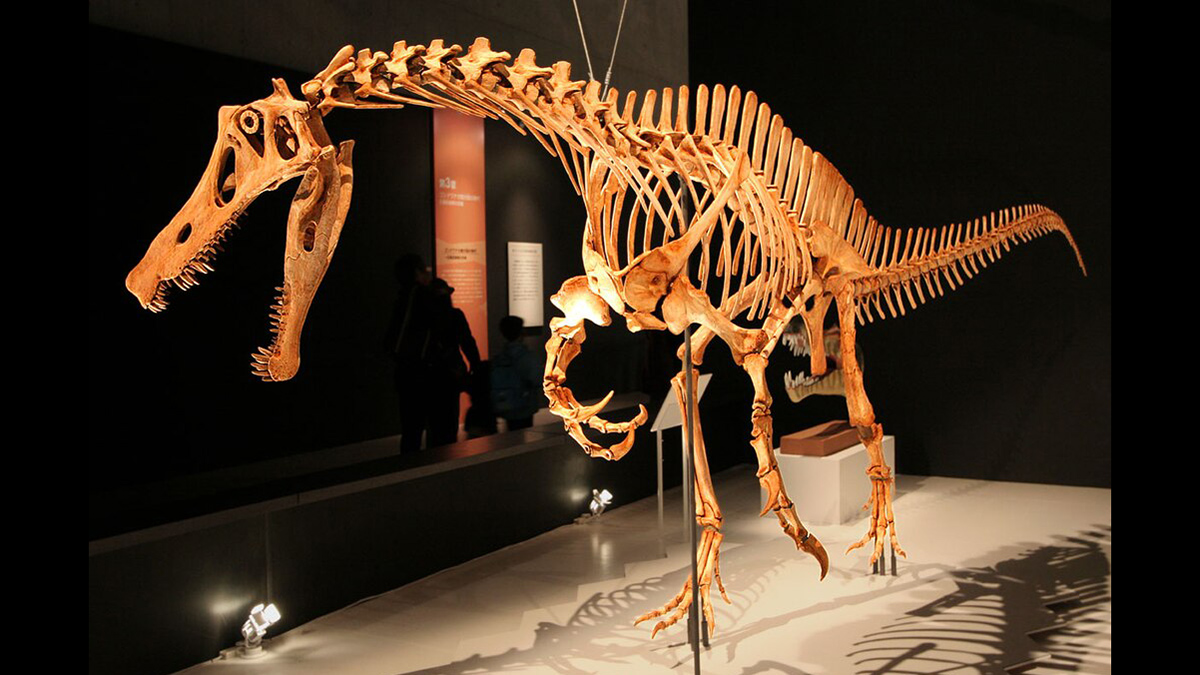
Un modelo de fósil de dinosaurio completo colgado de cable
Posted inNews

La exportación ilegal de fósiles es más que un Irritator para el Sur Global

by Sofia Moutinho 11 October 202311 October 2023

Más de 2,000 investigadores han firmado una carta abierta solicitando la repatriación del fósil de dinosaurio a Brasil. Algunos afirman que el caso pone de manifiesto un modelo de colonialismo científico en la paleontología.

Six birds sit on a power line and one bird sits on a lower power line in front of a blue and cloudy sky.
Posted inENGAGE, News

Bird Biodiversity Reports Reflect Cities’ Redlined Past

Kimberly M. S. Cartier, News Writing and Production Intern for Eos.org by Kimberly M. S. Cartier 5 October 202310 October 2023

The lack of bird records in formerly redlined areas creates an inaccurate picture of urban biodiversity, leading to gaps in conservation efforts.

A spacecraft with solar panels extending off one side flies over the dark surface of the Moon with Earth in the background.
Posted inENGAGE, News

A Lunar Mission Spots Its Failed Brethren

Katherine Kornei, Science Writer by Katherine Kornei 3 October 20233 October 2023

Data from NASA’s Lunar Reconnaissance Orbiter have been instrumental in pinpointing where other Moon-bound spacecraft have crashed.

Posts pagination

Newer posts 1 … 3 4 5 6 7 … 24 Older posts
Over a dark blue-green square appear the words Special Report: The State of the Science 1 Year On.

Features from AGU Publications

Research Spotlights

Io’s Hidden Heat Revealed for the First Time

24 July 202623 July 2026
Editors' Highlights

Redesigning Farmland Through Community Collaboration in California

22 July 202621 July 2026
Editors' Vox

Why Healthy Soils Matter More Than Ever

22 July 202622 July 2026
Eos logo at left; AGU logo at right

About Eos
ENGAGE
Awards
Contact

Advertise
Submit
Career Center
Sitemap

© 2026 American Geophysical Union. All rights reserved Powered by Newspack