
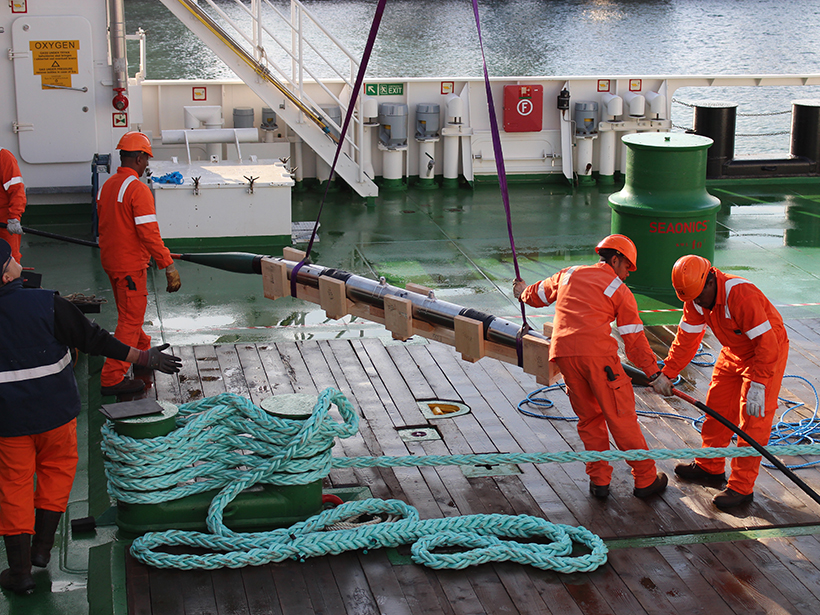
5th Workshop on SMART Cable Systems: Latest Developments and Designing the Wet Demonstrator Project; Dubai, United Arab Emirates, 17–18 April 2016
engineering

Posted inScience Updates
Does Geothermal Exploitation Trigger Earthquakes in Tuscany?
For the past 25 years, power production has been accompanied by a small but steady increase in seismicity near geothermal wells. A new project seeks to explore why.

Posted inScience Updates
Tiny Accelerometers Create Europe's First Urban Seismic Network
The system, under development in Acireale, Italy, could be used to monitor earthquakes in real time and help rescue workers focus efforts where they’re needed most.
Posted inNews
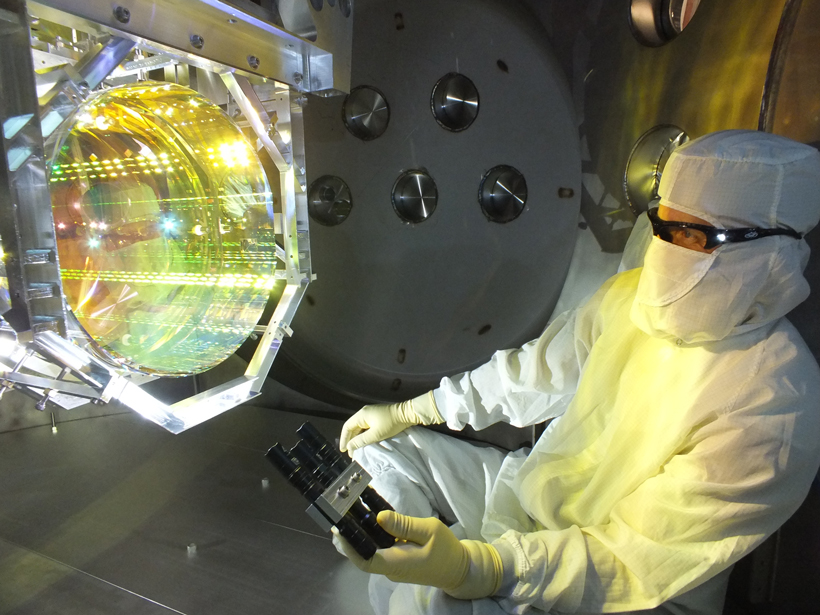
Seeing the Gravitational Waves, Despite the Seismic Waves
For detectors to sense the minute jolt of a gravitational wave announced last week, savvy geophysicists and engineers had to keep Earth's tiniest jiggles from reaching ultrasensitive instruments.
Posted inResearch Spotlights
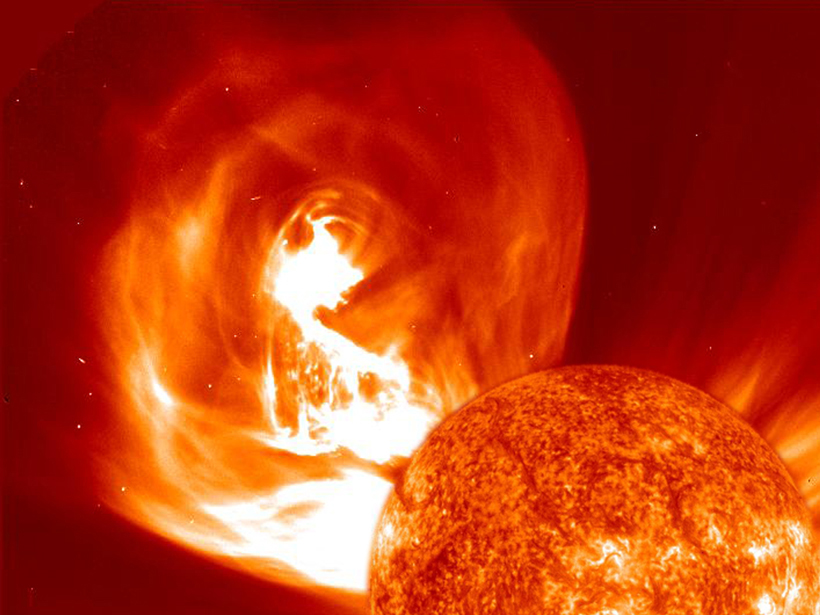
Space Weather Gains National and International Attention
A heightened understanding of geomagnetic disturbances in a high-tech world encourages policy changes in the United States and abroad.
Posted inEditors' Vox
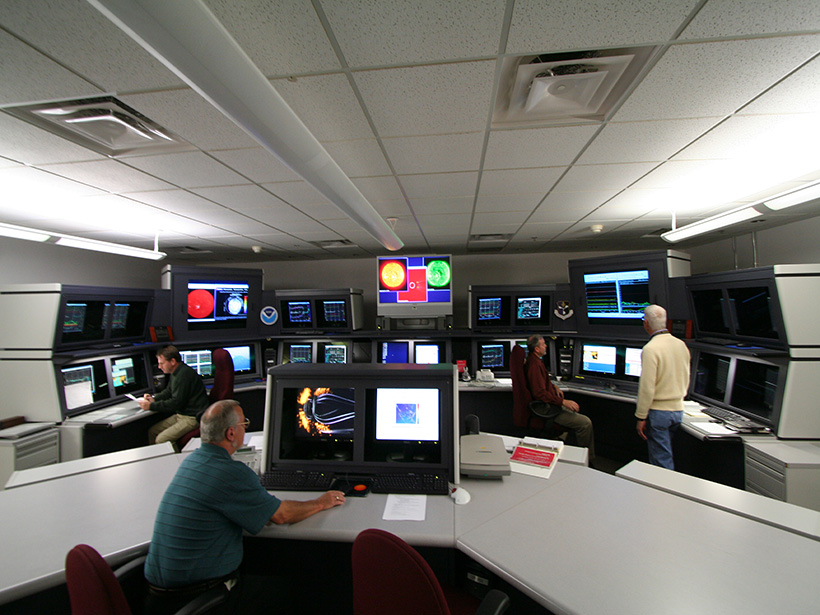
Annual SWEF Raises Awareness Across the Space Weather Enterprise
Reducing our nation's vulnerability to space weather is now a national priority, as conveyed when experts gathered for the 2015 Space Weather Enterprise Forum.
Posted inNews
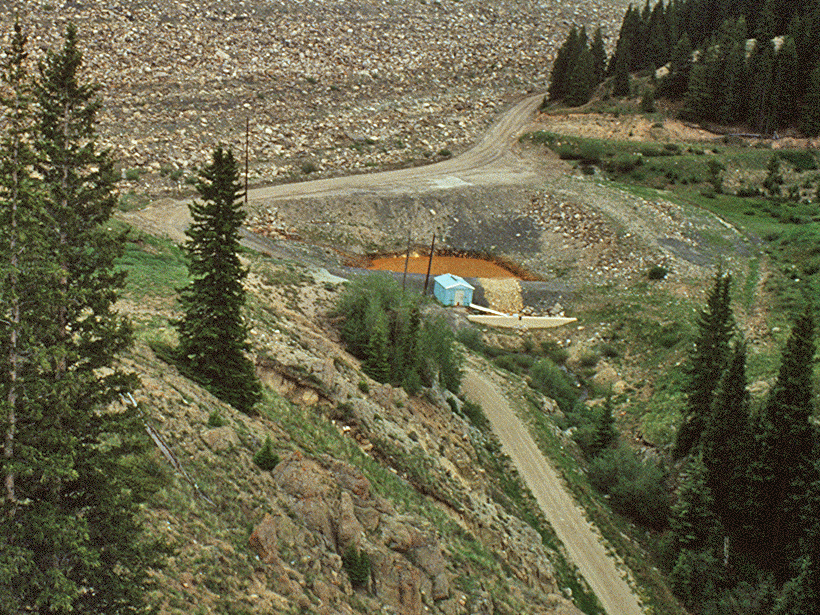
New Reactive Barrier May Protect Groundwater from Mine Waste
Researchers are developing a porous concrete filter to pull harmful dissolved metals out of water.
Posted inResearch Spotlights
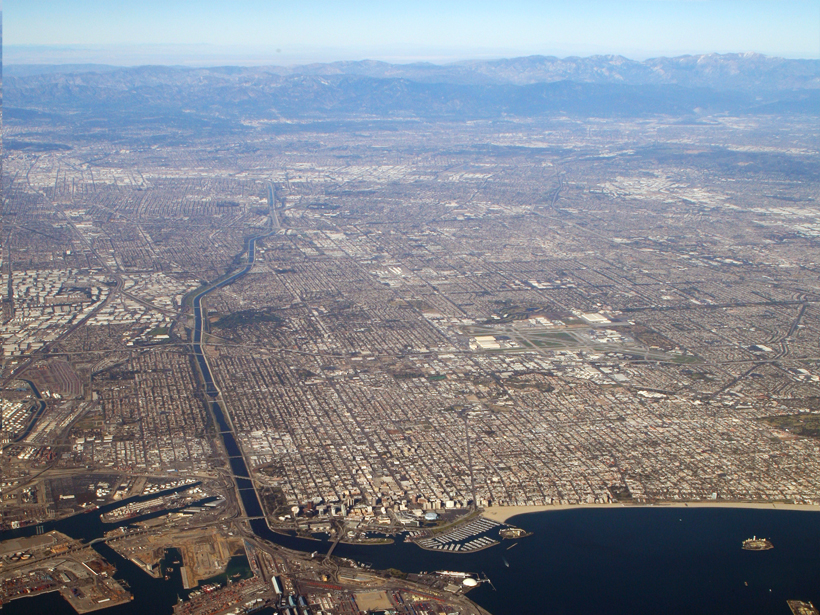
Extracting New Meaning from Seismological Data
Scientists use noise data collected at the Long Beach dense array to measure elusive high-frequency surface waves.
Posted inNews
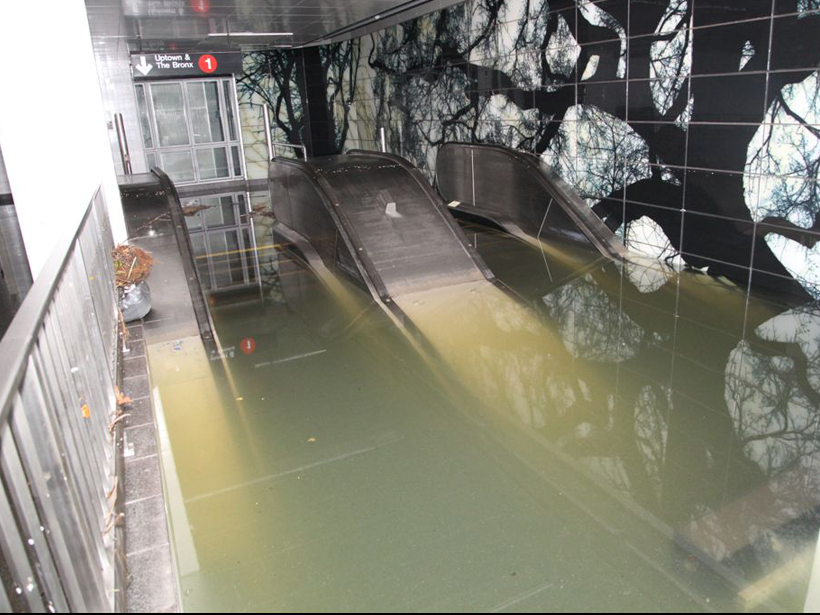
Engineering Climate Change Resilience into New York Subways
Impending renovations presented at a conference on transportation systems and climate extremes would keep hurricane-driven waters out of subsurface transit tunnels.

Posted inNews
Alberto Behar (1967–2015)
Devoted to exploration and discovery, this JPL scientist's inquisitive mind, inventiveness, and infectious enthusiasm inspired students, colleagues, and friends alike.