• About
  • Special Reports
  • Topics
    • Climate
    • Earth Science
    • Oceans
    • Space & Planets
    • Health & Ecosystems
    • Culture & Policy
    • Education & Careers
    • Opinions
  • Projects
    • Postcards From the Field
    • ENGAGE
    • Editors’ Highlights
    • Editors’ Vox
    • Eos en Español
    • Eos 简体中文版
    • Print Archive: 2015–2025
  • Policy Tracker
  • Blogs
    • Research & Developments
    • The Landslide Blog
  • Newsletter
  • Submit to Eos
  • AGU.org
  • Career Center
  • Join AGU
  • Give to AGU
  • About
  • Special Reports
  • Topics
    • Climate
    • Earth Science
    • Oceans
    • Space & Planets
    • Health & Ecosystems
    • Culture & Policy
    • Education & Careers
    • Opinions
  • Projects
    • Postcards From the Field
    • ENGAGE
    • Editors’ Highlights
    • Editors’ Vox
    • Eos en Español
    • Eos 简体中文版
    • Print Archive: 2015–2025
  • Policy Tracker
  • Blogs
    • Research & Developments
    • The Landslide Blog
  • Newsletter
  • Submit to Eos
Skip to content
  • AGU.org
  • Career Center
  • Join AGU
  • Give to AGU
Eos

Eos

Science News by AGU

Support Eos
Sign Up for Newsletter
  • About
  • Special Reports
  • Topics
    • Climate
    • Earth Science
    • Oceans
    • Space & Planets
    • Health & Ecosystems
    • Culture & Policy
    • Education & Careers
    • Opinions
  • Projects
    • Postcards From the Field
    • ENGAGE
    • Editors’ Highlights
    • Editors’ Vox
    • Eos en Español
    • Eos 简体中文版
    • Print Archive: 2015–2025
  • Policy Tracker
  • Blogs
    • Research & Developments
    • The Landslide Blog
  • Newsletter
  • Submit to Eos

everything atmospheric

Posted inResearch Spotlights

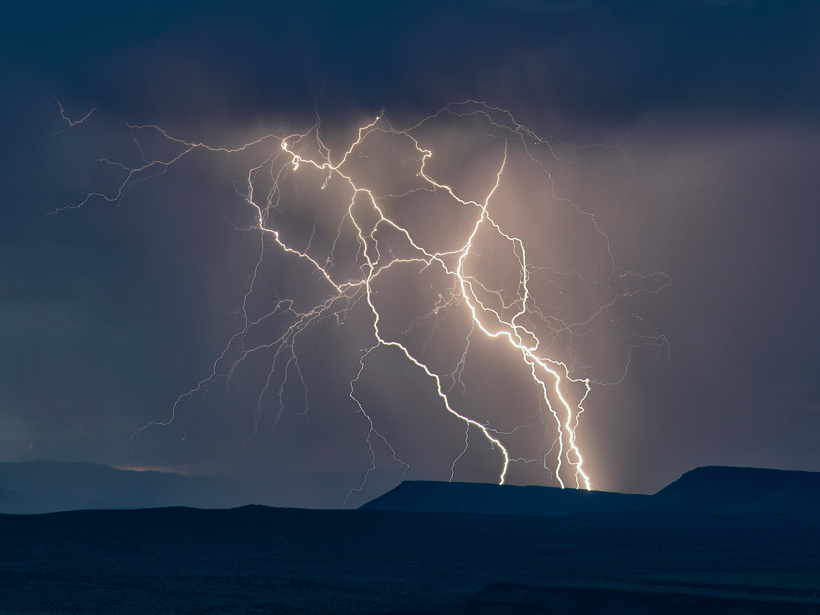
Lightning "Impulses" Improve Models of Global Electrical Circuit

by Mark Zastrow 19 August 201513 April 2023

New simulations of how thunderstorms drive electrical currents through the Earth's atmosphere combine precision with computational speed.

Posted inScience Updates

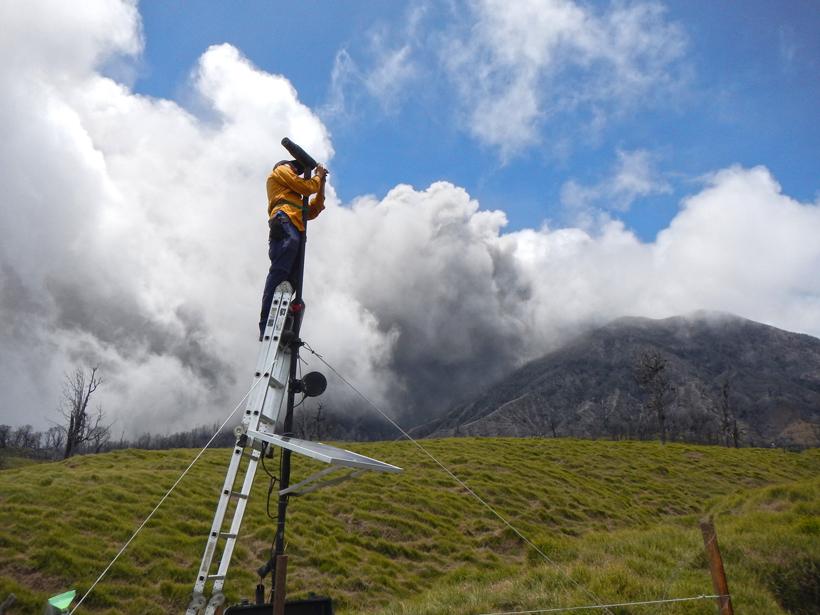
Monitoring Gas Emissions Can Help Forecast Volcanic Eruptions

by C. Kern, J. M. de Moor and B. Galle 12 August 201515 November 2022

5th Meeting of the Network for Observation of Volcanic and Atmospheric Change; Turrialba Volcano, Costa Rica, 27 April to 1 May 2015
Posted inResearch Spotlights

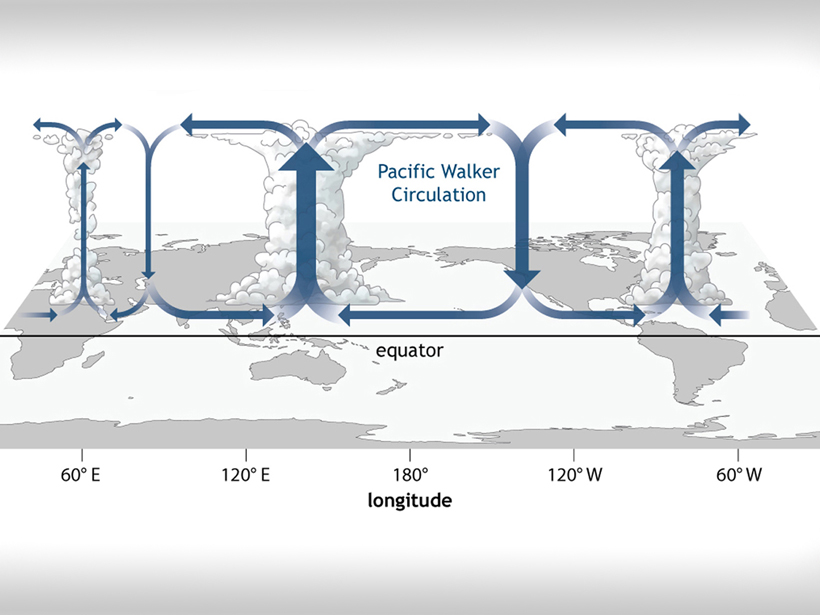
Rethinking How Tropical Convection Works

by C. Minnehan 17 July 201510 December 2022

Researchers look at previous Walker circulation models and ask, Does damping truly matter?
Posted inResearch Spotlights

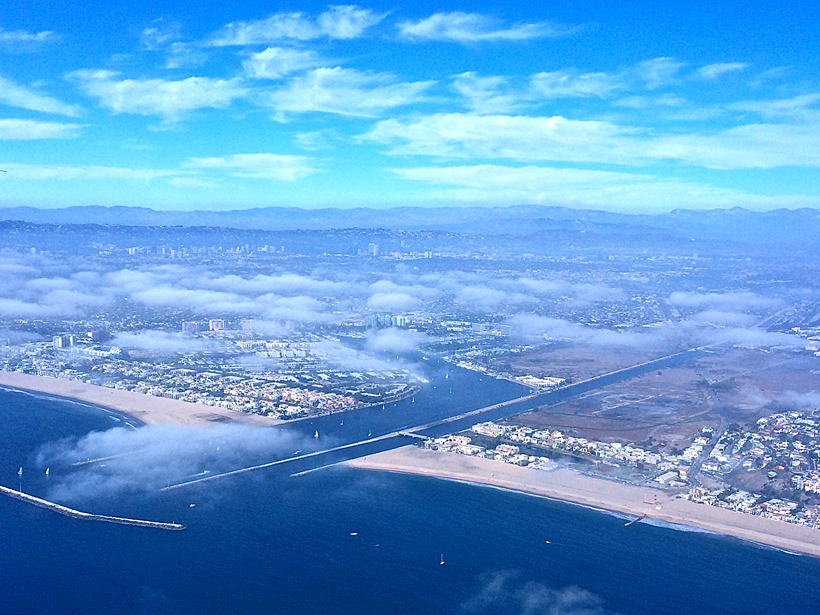
Urbanization Threatens Drought-Reducing Clouds in California

by C. Palmer 16 July 201528 October 2022

Since the mid-20th century, increased urbanization along the southern California coast has raised nighttime temperatures, resulting in less morning fog and cloud cover.
Posted inResearch Spotlights

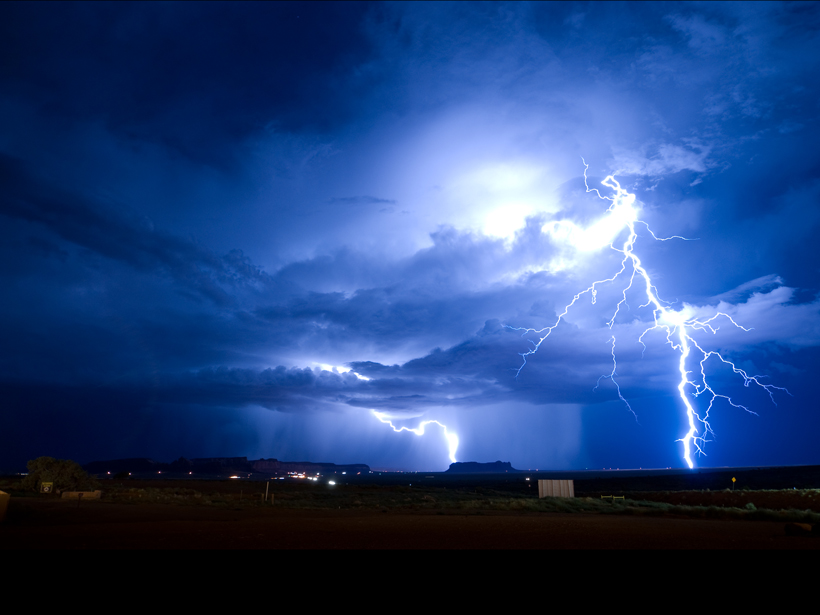
Newly Discovered Properties of Elusive Gamma Ray Flashes

by C. Minnehan 9 July 201510 March 2023

The properties of terrestrial gamma ray flashes have eluded scientists for years. This new study sheds light on how they originate.

Posted inScience Updates

Modeling the Stratosphere's "Heartbeat"

by K. Hamilton, S. Osprey and N. Butchart 2 July 201512 January 2022

Quasibiennial Oscillation Modeling and Reanalysis Workshop; Victoria, British Columbia, Canada, 16–18 March 2015

Posted inScience Updates

Dispelling Clouds of Uncertainty

by Ernie R. Lewis and J. Teixeira 15 June 20153 February 2022

How do you build a climate model that accounts for cloud physics and the transitions between cloud regimes? Use MAGIC.
Posted inResearch Spotlights

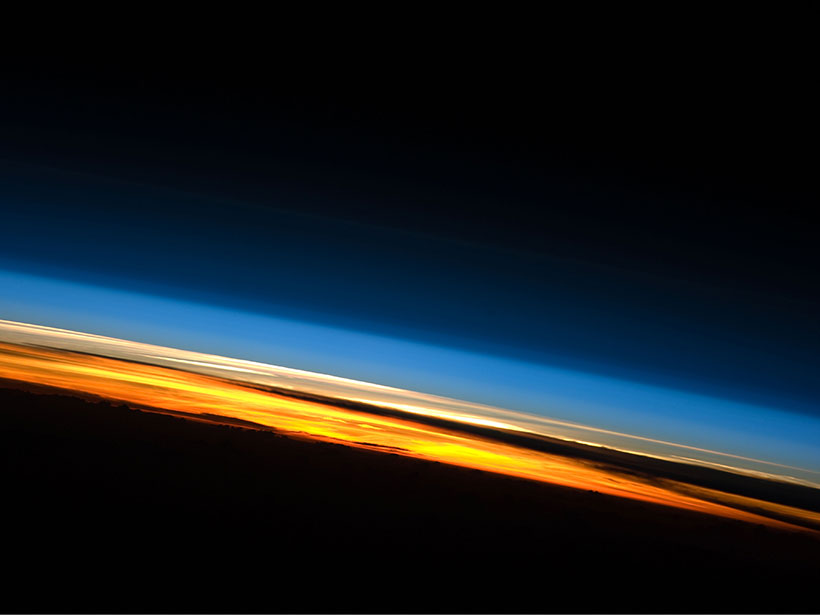
New Ionosphere Model Incorporates Solar Angles

by Mark Zastrow 4 June 201516 November 2021

The decades-old theory of the layers of the Earth's ionosphere, which dates to 1931, has just received an update that takes into account the angle of the Sun.

Posted inResearch Spotlights

New Insights into Currents in Earth's Magnetic Field

Kate Wheeling, freelance science writer by Kate Wheeling 18 May 201516 November 2021

Multisatellite missions give scientists a more complete view of the intense currents that bounce back and forth along our planet's magnetic field lines.
Posted inResearch Spotlights

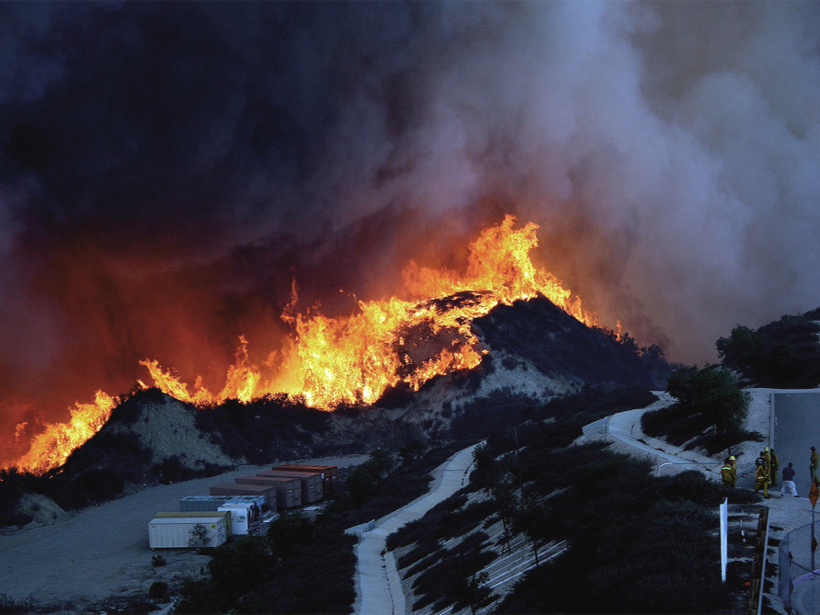
Regional Nuclear War Could Cause a Global Famine

Kate Wheeling, freelance science writer by Kate Wheeling 15 May 20157 July 2025

A detonation of less than 0.03% of the current global nuclear arsenal could cause fires that clog the air with soot. This soot could block solar radiation, leading to worldwide crop shortages.

Posts pagination

Newer posts 1 … 88 89 90 91 92 … 94 Older posts
Over a dark blue-green square appear the words Special Report: The State of the Science 1 Year On.

Features from AGU Publications

Research Spotlights

How Fine Can Global Storm Models Get?

4 November 20264 November 2026
Editors' Highlights

Deltas Retain 28% of Global River Sediment, the Rest Enters the Ocean

4 November 20264 November 2026
Editors' Vox

Opening Access to Earth Observation Data for Disaster Mitigation

21 October 202620 October 2026
Eos logo at left; AGU logo at right

About Eos
ENGAGE
Awards
Contact

Advertise
Submit
Career Center
Sitemap

© 2026 American Geophysical Union. All rights reserved Powered by Newspack