• About
  • Special Reports
  • Topics
    • Climate
    • Earth Science
    • Oceans
    • Space & Planets
    • Health & Ecosystems
    • Culture & Policy
    • Education & Careers
    • Opinions
  • Projects
    • Postcards From the Field
    • ENGAGE
    • Editors’ Highlights
    • Editors’ Vox
    • Eos en Español
    • Eos 简体中文版
    • Print Archive: 2015–2025
  • Policy Tracker
  • Blogs
    • Research & Developments
    • The Landslide Blog
  • Newsletter
  • Submit to Eos
  • AGU.org
  • Career Center
  • Join AGU
  • Give to AGU
  • About
  • Special Reports
  • Topics
    • Climate
    • Earth Science
    • Oceans
    • Space & Planets
    • Health & Ecosystems
    • Culture & Policy
    • Education & Careers
    • Opinions
  • Projects
    • Postcards From the Field
    • ENGAGE
    • Editors’ Highlights
    • Editors’ Vox
    • Eos en Español
    • Eos 简体中文版
    • Print Archive: 2015–2025
  • Policy Tracker
  • Blogs
    • Research & Developments
    • The Landslide Blog
  • Newsletter
  • Submit to Eos
Skip to content
  • AGU.org
  • Career Center
  • Join AGU
  • Give to AGU
Eos

Eos

Science News by AGU

Support Eos
Sign Up for Newsletter
  • About
  • Special Reports
  • Topics
    • Climate
    • Earth Science
    • Oceans
    • Space & Planets
    • Health & Ecosystems
    • Culture & Policy
    • Education & Careers
    • Opinions
  • Projects
    • Postcards From the Field
    • ENGAGE
    • Editors’ Highlights
    • Editors’ Vox
    • Eos en Español
    • Eos 简体中文版
    • Print Archive: 2015–2025
  • Policy Tracker
  • Blogs
    • Research & Developments
    • The Landslide Blog
  • Newsletter
  • Submit to Eos

everything atmospheric

Posted inResearch Spotlights

Unusual Echo Signal in Atmospheric E Layer

by J. Orwig 11 March 201520 October 2021

Metallic plasma layers in Earth's ionosphere interfere with radio communications and produce odd echo behavior at specific frequencies.

Posted inResearch Spotlights

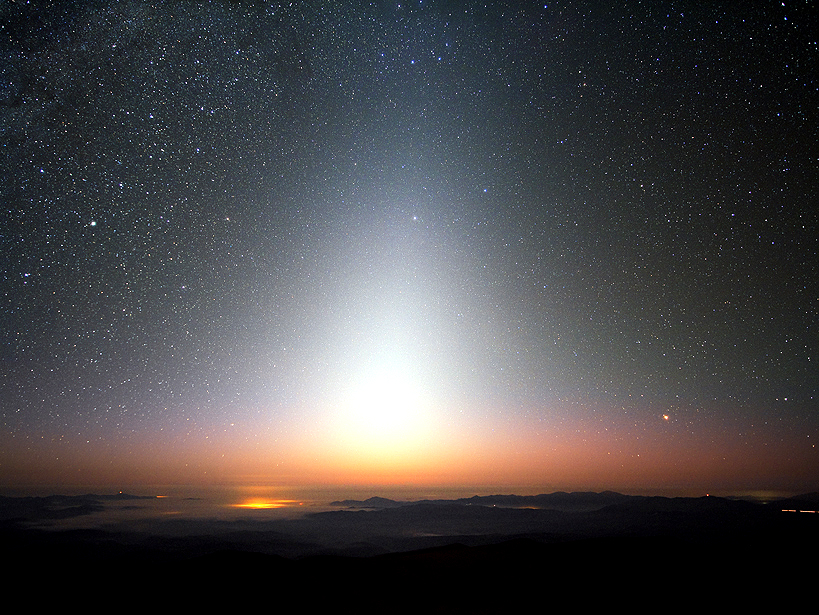
Shooting Stars and Cosmic Dust Help Form Clouds, Fertilize Plankton

by E. Betz 5 March 20157 March 2022

Tons of cosmic dust enter Earth’s atmosphere each day, triggering a range of phenomena that scientists are only just beginning to understand.
Posted inResearch Spotlights

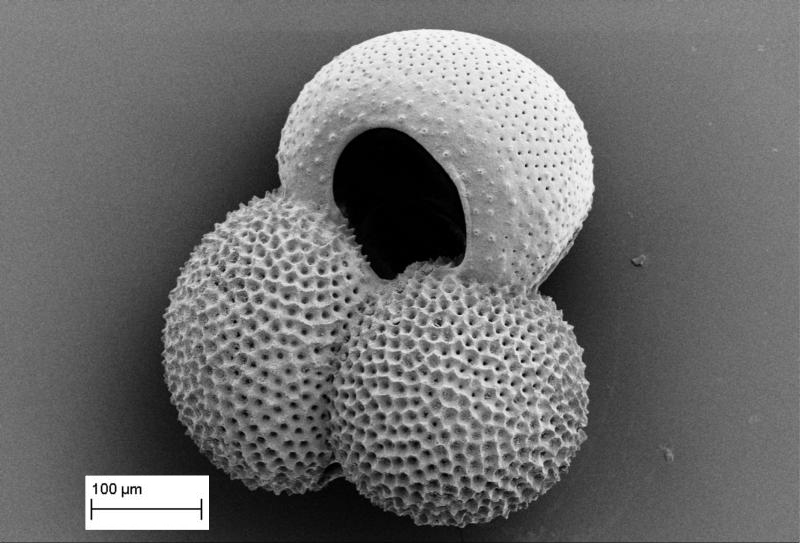
What Drove Sea Surface Temperature Change During the Pleistocene?

by J. Orwig 2 March 20153 July 2023

New information suggests that atmospheric carbon dioxide concentration was just one of the main drivers of warming sea surface temperatures in the Pleistocene.
Posted inScience Updates

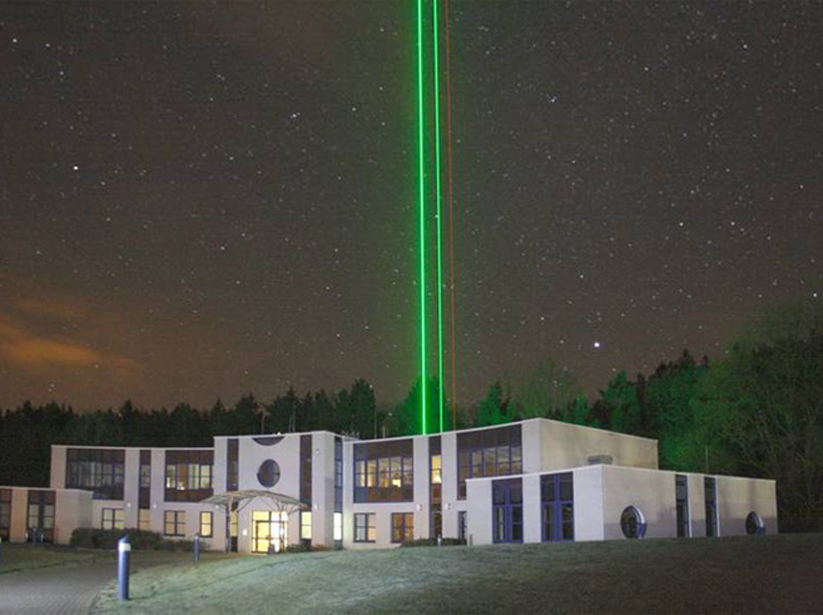
Investigating Climate Change from the Stratosphere to Space

by J. T. Emmert, D. R. Marsh and I. Cnossen 11 February 20157 March 2022

8th Workshop on Long-Term Changes and Trends in the Atmosphere;
Cambridge, United Kingdom, 28–31 July 2014

Posted inScience Updates

Counting the Ocean's Greenhouse Gas Emissions

by A. Kock and H. W. Bange 10 February 20157 October 2021

A new database seeks to improve estimates of oceanic emissions of methane and nitrous oxide.

Posted inResearch Spotlights

Polar Warming Makes the Jet Stream Stable, Not Wavy or Blocked

by C. Schultz 3 February 201528 February 2023

An idealized climate model suggests polar warming stabilizes the jet stream and reduces atmospheric blocking at midlatitudes.

Posted inResearch Spotlights

Modeling Waves in the Atmosphere

by S. Palus 26 January 201519 October 2021

How can a complex atmospheric process be simplified for a model?
Posted inResearch Spotlights

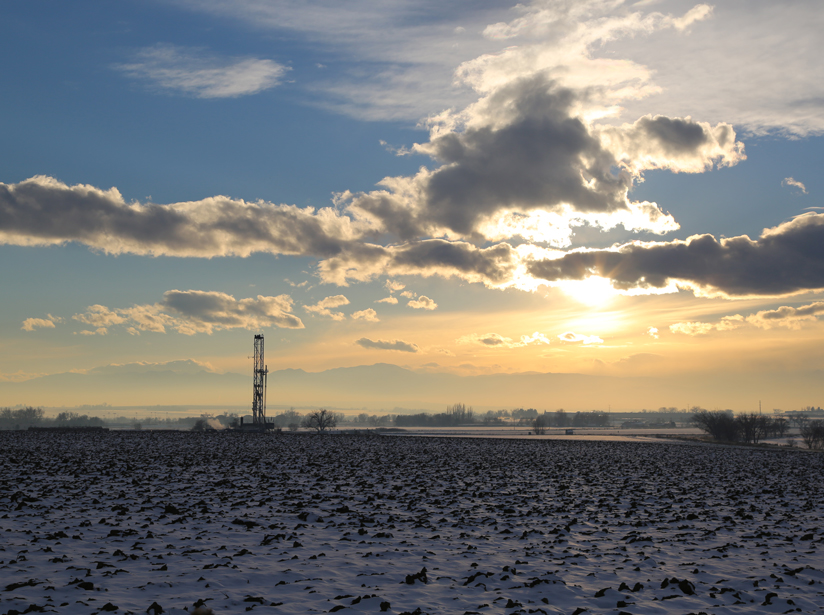
Colorado Hydrocarbon Leakage Rates Much Higher Than Reported

by C. Schultz 14 January 20158 February 2023

Airborne measurements put methane emissions from Colorado's Denver-Julesburg Basin at 12 to 26 tons per hour.
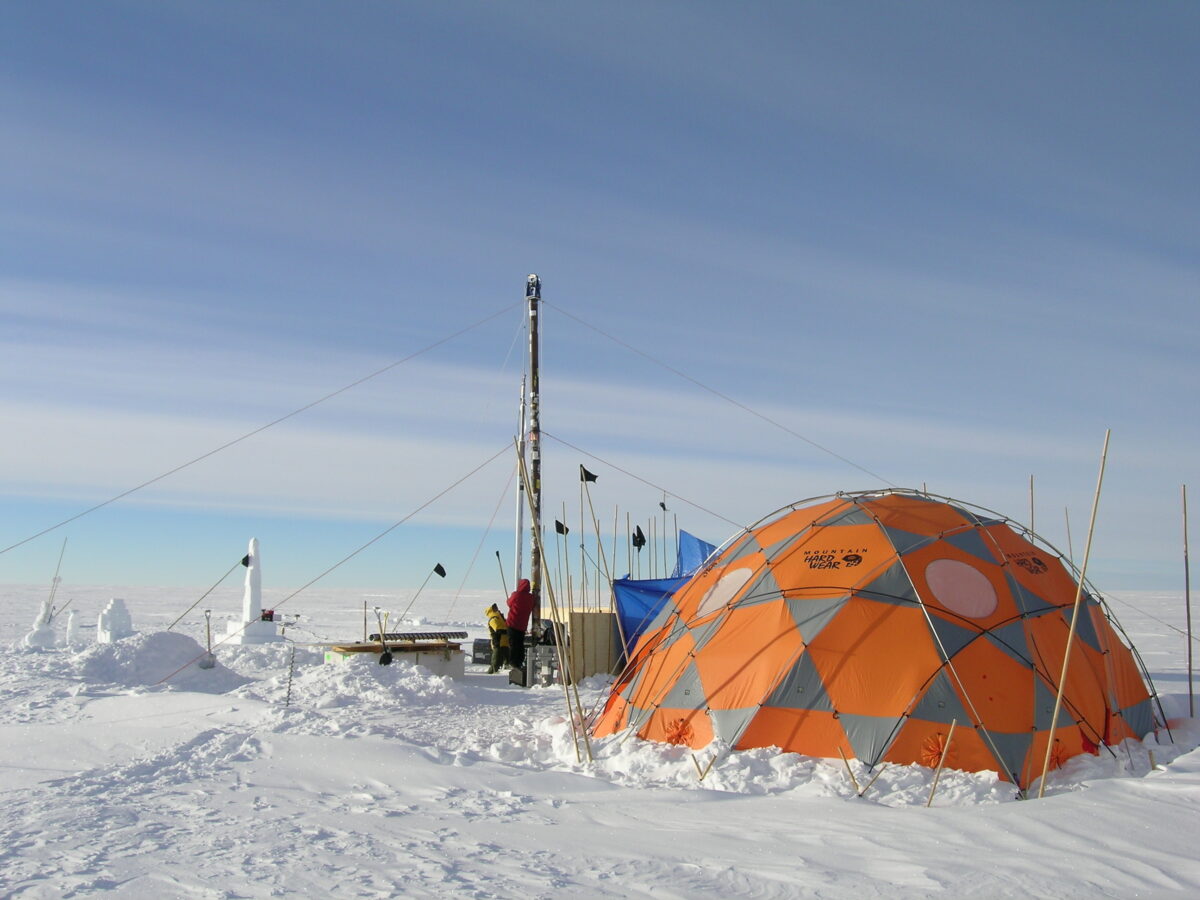
Posted inResearch Spotlights

Atmospheric Carbonyl Sulfide Hit a Minimum 5,000 Years Ago

by C. Schultz 31 December 201424 February 2023

A new ice core measurements-based record of a climate-active gas shows variability on millennial timescales.

Posted inFeatures

Coastal Fog, Climate Change, and the Environment

by A. Torregrosa, T. A. O’Brien and I. C. Faloona 16 December 20147 February 2024

To climate scientists, marine fog's physical opacity symbolizes how much remains to be discovered about the atmospheric phenomenon.

Posts pagination

Newer posts 1 … 90 91 92 93 94 Older posts
Over a dark blue-green square appear the words Special Report: The State of the Science 1 Year On.

Features from AGU Publications

Research Spotlights

How Fine Can Global Storm Models Get?

4 November 20264 November 2026
Editors' Highlights

Deltas Retain 28% of Global River Sediment, the Rest Enters the Ocean

4 November 20264 November 2026
Editors' Vox

Opening Access to Earth Observation Data for Disaster Mitigation

21 October 202620 October 2026
Eos logo at left; AGU logo at right

About Eos
ENGAGE
Awards
Contact

Advertise
Submit
Career Center
Sitemap

© 2026 American Geophysical Union. All rights reserved Powered by Newspack