
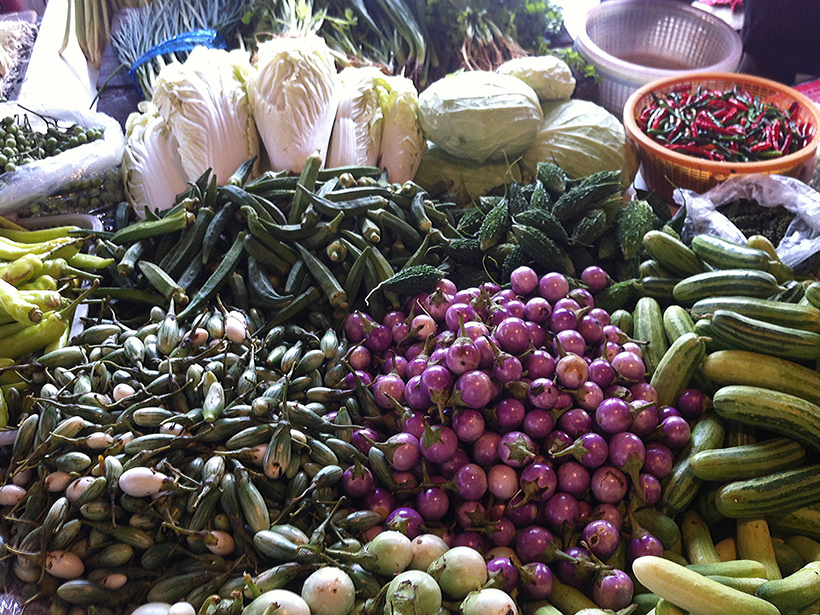
When most agriculture in the world is rural, getting crucial geoscience information to farmers is a technical challenge that a few organizations are just starting to figure out.
geohealth

Posted inNews
Saving Lives by Predicting Dust Storms
In the southwestern United States, dust storms form suddenly, quickly reducing visibility to zero. A new warning system may allow motorists to avoid these deadly hazards.

Posted inResearch Spotlights
Certain Rock Formations Can Lead to In-Home Radon Risks

Researchers in Kentucky have merged results from home test kits with the state’s geologic map to produce a map of indoor radon potential based on the geology underlying homes in the state.
Posted inNews
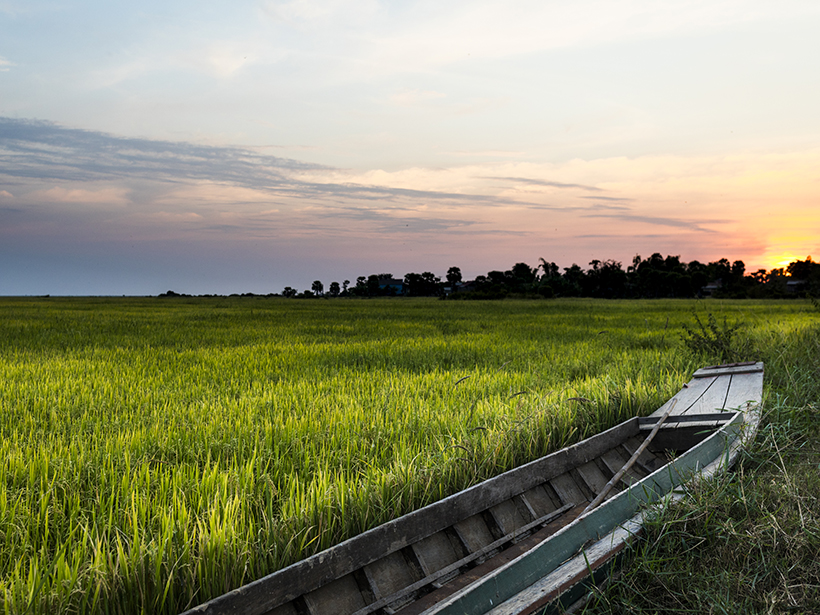
Will Rising Temperatures Make Rice Too Toxic?
Greenhouse experiments reveal how higher temperatures act to elevate arsenic levels in rice and may help focus efforts to solve a crisis threatening food systems around the world.

Posted inNews
Our Food Systems Are Complicated. Food Data Don’t Have to Be

Researchers made a “Google Maps” for global food systems. Could it help us tackle food’s thorniest problems?
Posted inOpinions
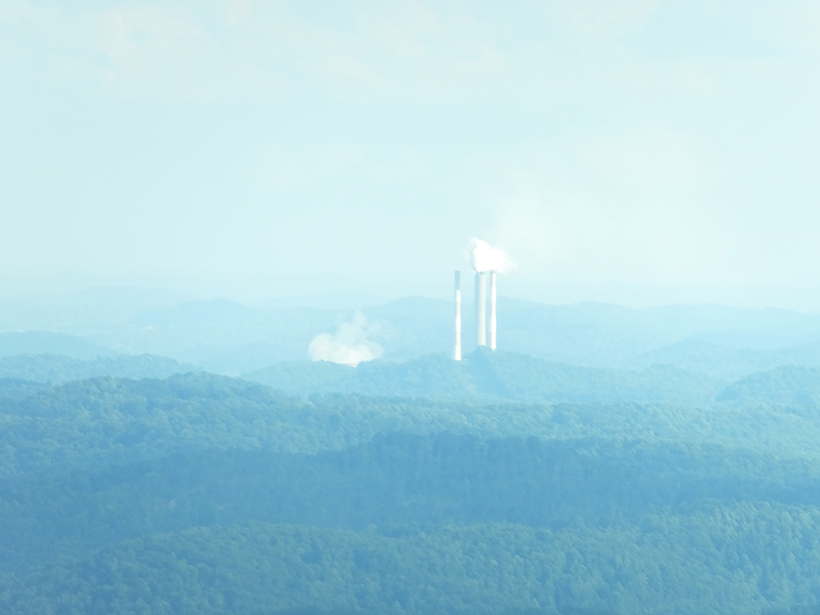
Affordable Clean Energy Rule Threatens Progress of Clean Air Act
The scientific community must act to minimize the adverse air quality and health impacts of relaxed EPA regulation.

Posted inNews
Can Climate Preparedness Mitigate Emerging Pandemics?

Indonesians say being prepared for climate-related disasters helped blunt the impact of the coronavirus pandemic—and that lessons in resilience may mitigate the effects of climate crises in the future.

Posted inNews
Hydrology Helps Identify Future Malaria Hot Spots

Complex hydrological processes—not just the amount of rainfall—help determine where malaria-transmitting mosquitoes can thrive.

Posted inEditors' Highlights
Radon Enrichment in the Volcanic Plume of Mount Etna
More than 70 passive sensors on Mount Etna have captured the first radon measurements in volcanic plumes and show that radon could affect people around volcanoes.

Posted inNews
More Gas Wells Linked to More Symptoms in Pennsylvania Residents
Natural gas production has been booming in southwestern Pennsylvania, but it may also yield multiple health complaints, especially for residents surrounded by oil and gas facilities.