

Chemicals released by two European nuclear fuel reprocessing plants, along with certain chlorofluorocarbons, are helping to constrain the speed and behavior of North Atlantic deep-ocean circulation.
geochemistry
Posted inAGU News
Canil and Elliott Receive 2016 N. L. Bowen Award
Dante Canil and Tim Elliott will receive the 2016 N. L. Bowen Award at the 2016 American Geophysical Union Fall Meeting, to be held 12–16 December in San Francisco, Calif. The award recognizes "outstanding contributions to volcanology, geochemistry, or petrology."
Posted inNews
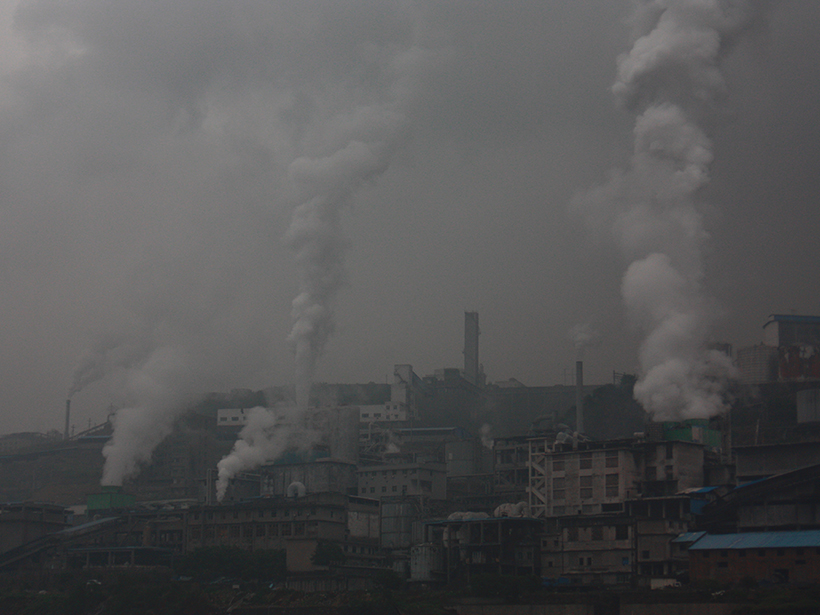
Atmospheric Chemists Should Tackle Risks to Society, Report Says

Protecting public health and the health of the climate and ecosystems warrants more focus from this scientific field, according to the report.
Posted inResearch Spotlights
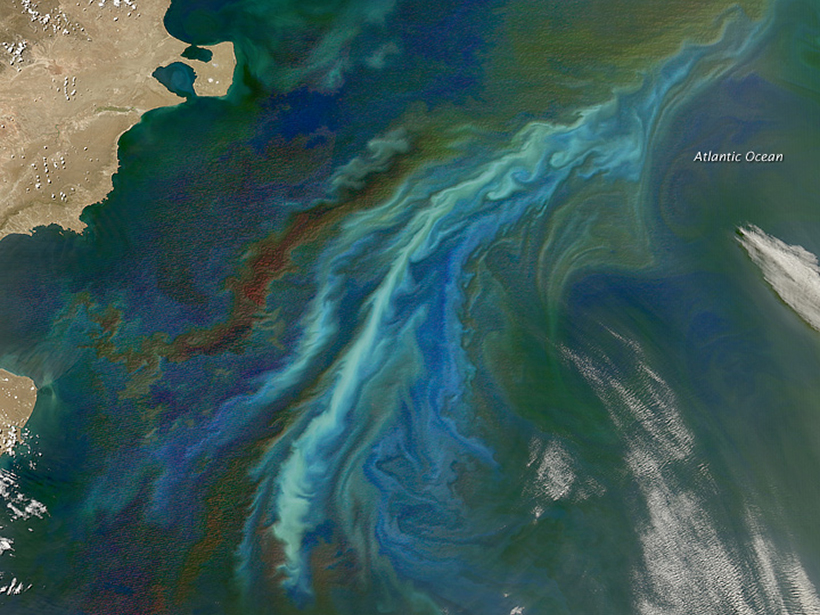
A New Mechanism for Nitrogen Cycling in the Southern Ocean

A nitrite-oxidizing enzyme may work in reverse for some microbes in the Antarctic autumn.

Posted inNews
Mineral Flaws Clarify How Diamonds Form

A study of nanoscale, iron- and sulfur-rich impurities in diamonds provides new clues to the chemical processes that produce the superhard crystals and at what depths they occur.
Posted inResearch Spotlights
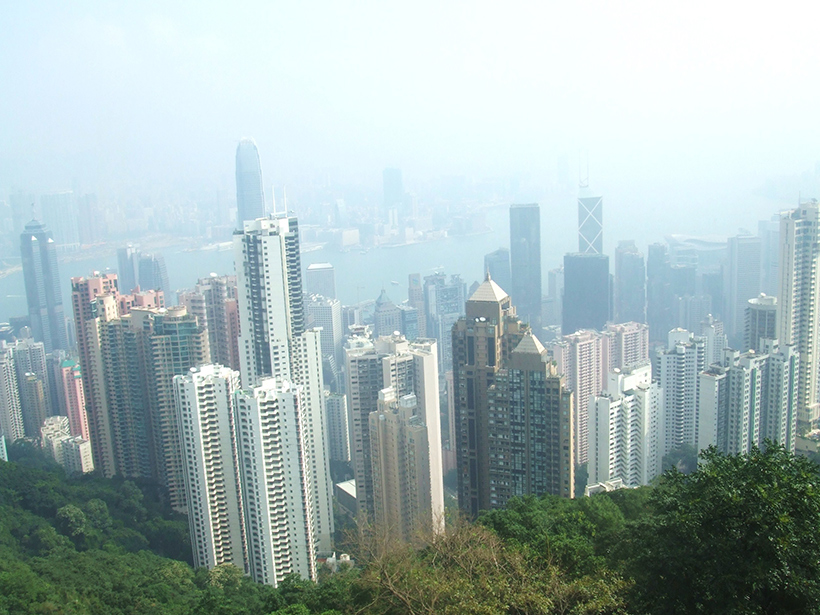
Chemical Boosts Ozone Production over Southern China
The presence of nitryl chloride in polluted urban air can enhance the production of ozone by up to 41%, according to a new modeling study constrained by ground-based measurements.

Posted inResearch Spotlights
Reconstructing the Ocean's Murky Past
Scientists test whether sparse, indirect data can reveal ancient ocean chemistry and circulation patterns.

Posted inNews
Tide Pools Mimic Climate Change in Everyday Cycle

Researchers unexpectedly discovered that tiny shoreline ecosystems act as miniature laboratories in which ocean acidification and its effects play out nightly.
Posted inNews
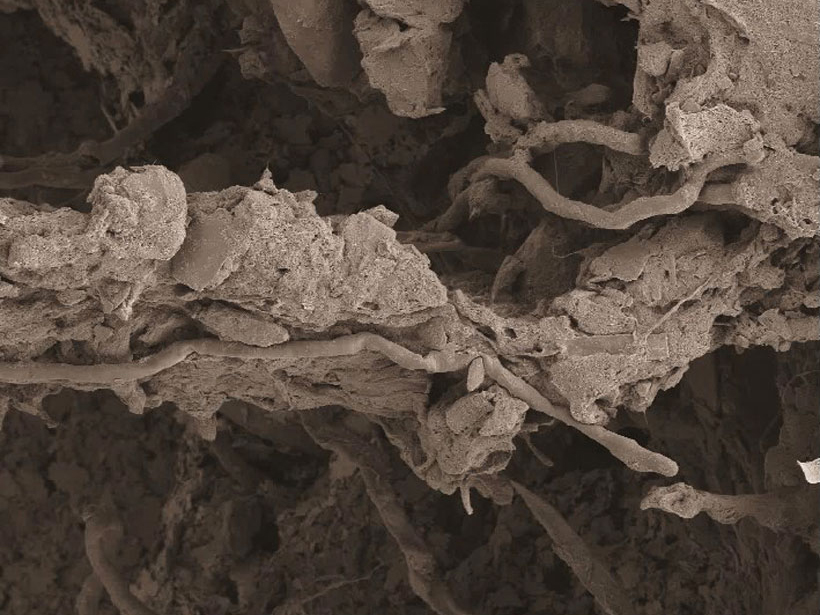
Using Acid and Physical Force, Fungi Burrow Through Rock
Scientists observe the step-by-step process by which a fungus attacks a mineral to extract vital nutrients.
Posted inResearch Spotlights
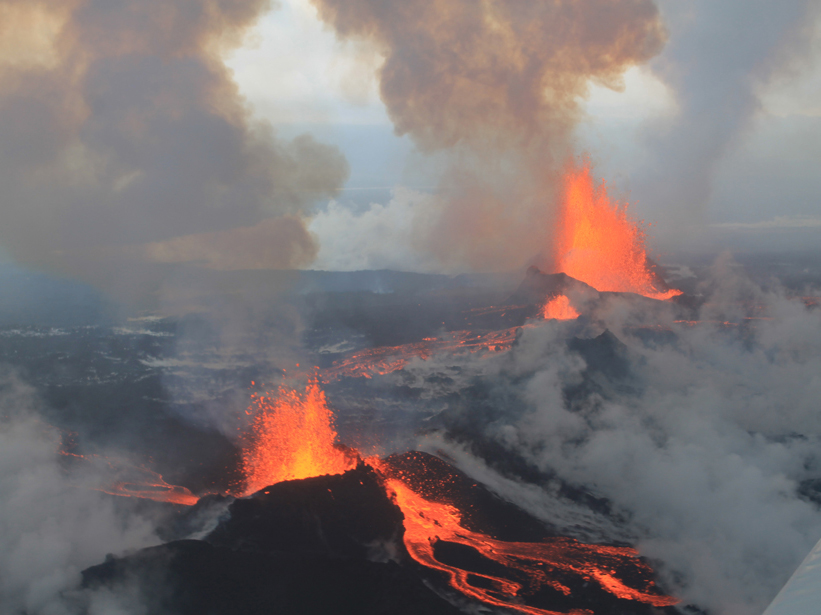
Icelandic Eruption Caused Record-Breaking Sulfur Dioxide Release
Satellite and ground-based data reveal sulfur dioxide flux, trace element release, and preeruption magma movement.