

人工智能算法未能解决天气预报的一个关键限制。
Geophysical Research Letters

Posted inResearch Spotlights
Los primeros eventos de deslizamiento lento observados en el sur de Costa Rica

Cinco eventos observados en la Península de Osa revelan nueva información sobre el papel que estos pequeños y lentos terremotos pueden desempeñar en la acumulación de tensión y riesgos de tsunami a lo largo de las zonas de subducción.

Posted inResearch Spotlights
Humans Have Boosted Atmospheric Mercury Concentrations Sevenfold
A new baseline of volcanic contributions to the global mercury cycle reveals how drastically human activities have increased the element’s concentration in the atmosphere.

Posted inEditors' Vox
Advancing AI and Machine Learning Beyond Predictive Capabilities

A new cross-journal special collection invites contributions that unlock the next frontier in hydrology and Earth sciences through artificial intelligence and machine learning.
Posted inResearch Spotlights
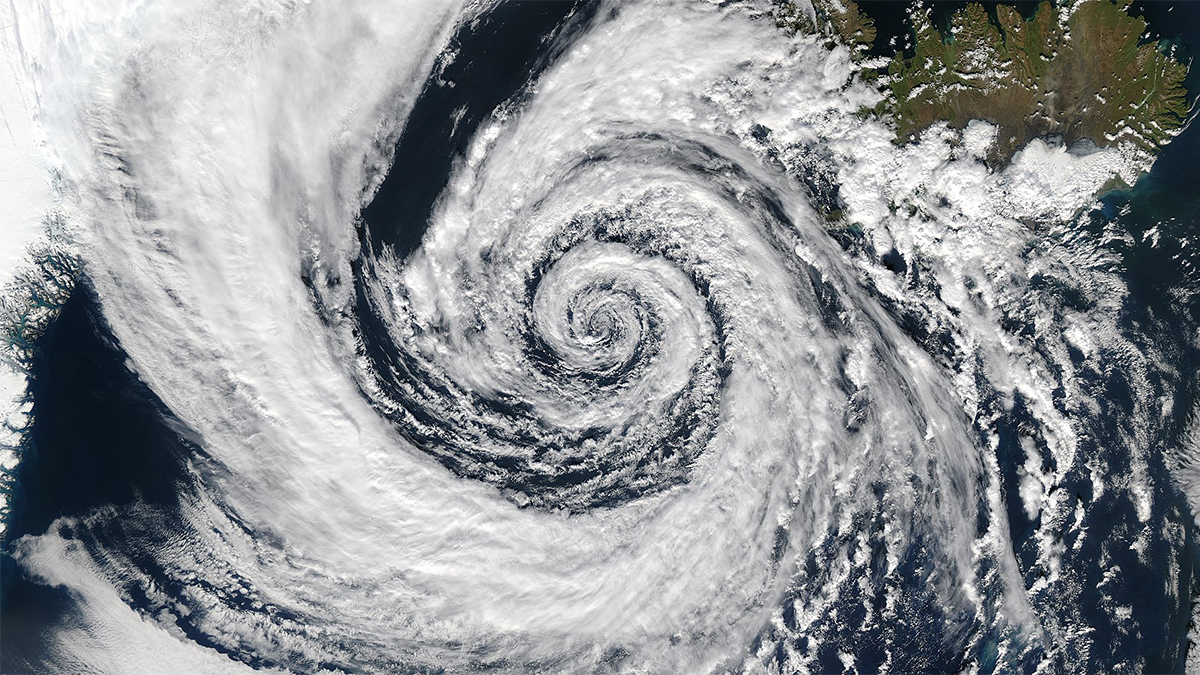
AI Meets Its Match: The Butterfly Effect
Artificial intelligence algorithms fail to account for a key limitation in weather prediction.

Posted inResearch Spotlights
The First Slow-Slip Events Seen off Southern Costa Rica
Five events observed off the Osa Peninsula shed new light on the role that these small, slow earthquakes can play in strain accumulation and tsunami hazards along subduction zones.

Posted inEditors' Highlights
Warming Reduces Relative Humidity Through Soil Moisture
Relative humidity over land decreases in a warmer climate as a result of interactive soil moisture response.

Posted inEditors' Highlights
Earthquakes Have Preparatory Stage Years Before Rupture
Tidally induced seismicity increased locally before the 2019 Ridgecrest earthquake, suggesting that fault sensitivity to stress increases in the years immediately before large earthquakes.

Posted inResearch Spotlights
Exploring the Mantle Through Microseisms
A new method for examining the tiny vibrations of Earth caused by ocean swells could help reveal details of deep-Earth structure.

Posted inEditors' Highlights
Wet Conditions Delay Wildfire Detection
When accompanied by a considerable amount of rainfall, ignition of wildfire by lightning over forested land may not be detected until days later.