
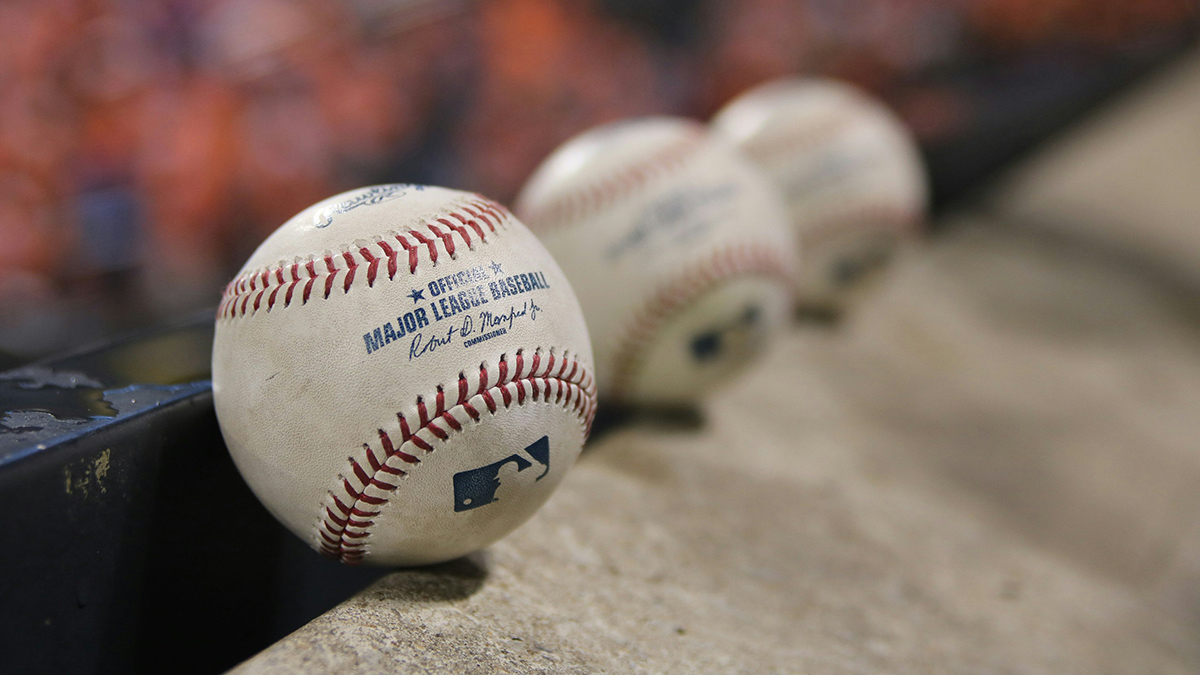
Taking baseball’s mysterious Rubbing Mud into the lab revealed no magic ingredients—but plenty of useful natural properties from geomaterials.
geophysics

Posted inNews
The Relatively Messy Problem with Lunar Clocks
Using Einstein’s theory of general relativity, physicists found that clocks on the Moon would run 56 microseconds faster than clocks on Earth. That finding will help future lunar missions navigate.

Posted inNews
The Origin of the Moon’s Thin Atmosphere Might Be Tiny Impacts
Minuscule meteoroids slamming into the lunar surface could be kicking up most of the atoms that make up the lunar exosphere.

Posted inResearch Spotlights
Physics Meets Machine Learning for Better Cyclone Predictions

A new hybrid modeling approach combines physics-based and machine learning models to extend—and improve—path and intensity predictions of tropical cyclones.

Posted inFeatures
Sarah Minson: A Collaborative Quake Career
A geophysicist thrives on teamwork at the U.S. Geological Survey.
Posted inEditors' Highlights
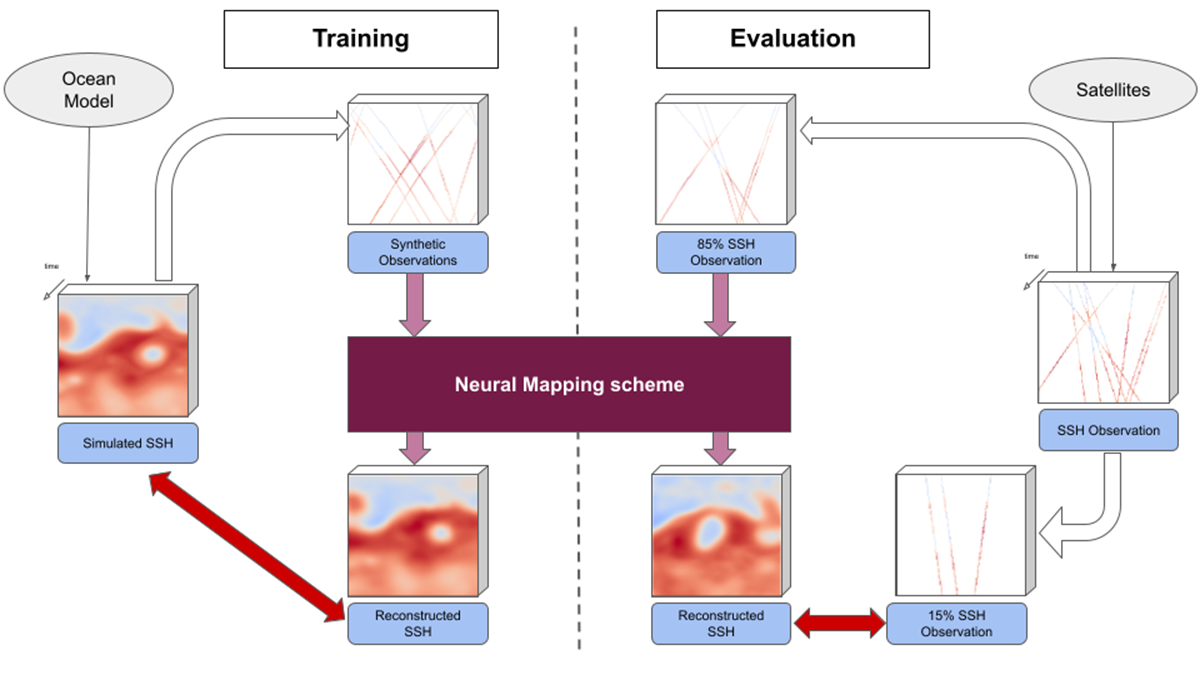
Physics + Machine Learning Provide a Better Map of Ocean Measurements
A new study offers a compelling example where the merger of dynamical modeling, machine learning, and ocean measurements enhances oceanographic understanding, monitoring, and mapping.

Posted inFeatures
The End of the Eclipse

Scientists are studying how the Earth–Moon distance has changed over time, and what effect that change might have had on our planet. Future changes will extinguish total solar eclipses entirely.

Posted inEditors' Vox
The Twists and Turns of Helicity Studies
A new book explores the fundamental role that helicities play in different astrophysical and geophysical phenomena and presents perspectives from various scientific disciplines that study them.
Posted inNews
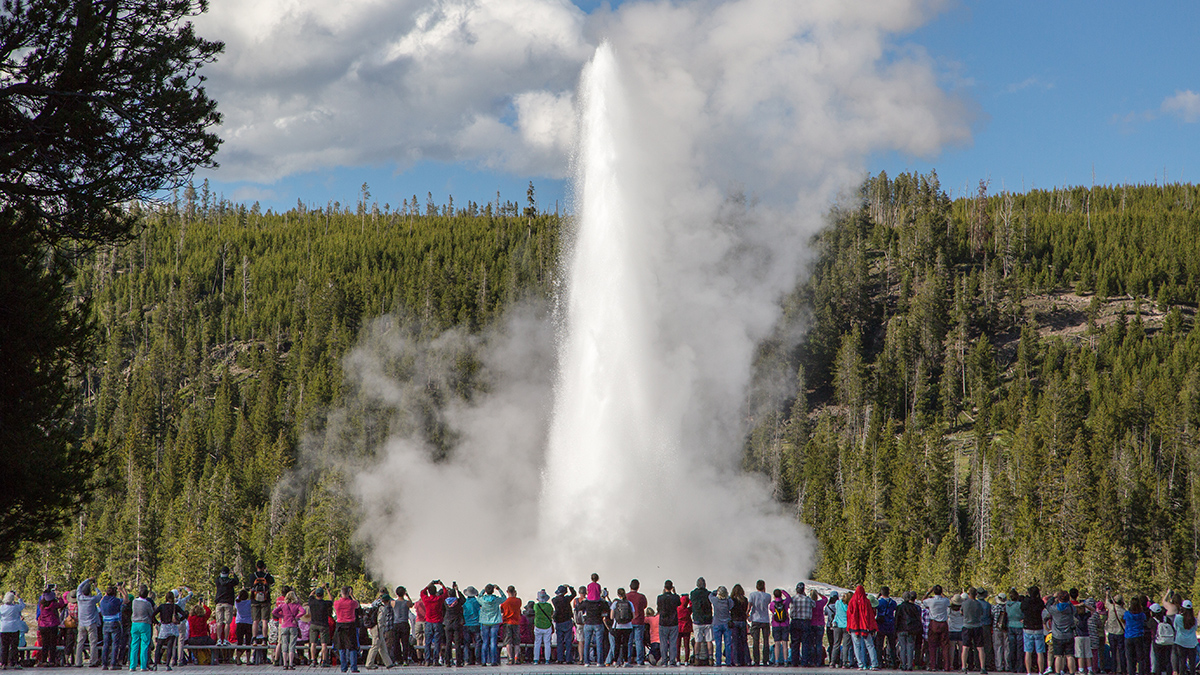
Steamy Bubbles May Control Old Faithful’s Clock
Scientists built a minigeyser to show why the natural wonder’s water surges so violently between eruptions.

Posted inFeatures
Critical Minerals for a Carbon-Neutral Future
The Earth Mapping Resources Initiative is filling data gaps and fostering more holistic understanding of critical mineral resources in the United States using a novel mineral systems framework.