• About
  • Special Reports
  • Topics
    • Climate
    • Earth Science
    • Oceans
    • Space & Planets
    • Health & Ecosystems
    • Culture & Policy
    • Education & Careers
    • Opinions
  • Projects
    • Postcards From the Field
    • ENGAGE
    • Editors’ Highlights
    • Editors’ Vox
    • Eos en Español
    • Eos 简体中文版
    • Print Archive: 2015–2025
  • Policy Tracker
  • Blogs
    • Research & Developments
    • The Landslide Blog
  • Newsletter
  • Submit to Eos
  • AGU.org
  • Career Center
  • Join AGU
  • Give to AGU
  • About
  • Special Reports
  • Topics
    • Climate
    • Earth Science
    • Oceans
    • Space & Planets
    • Health & Ecosystems
    • Culture & Policy
    • Education & Careers
    • Opinions
  • Projects
    • Postcards From the Field
    • ENGAGE
    • Editors’ Highlights
    • Editors’ Vox
    • Eos en Español
    • Eos 简体中文版
    • Print Archive: 2015–2025
  • Policy Tracker
  • Blogs
    • Research & Developments
    • The Landslide Blog
  • Newsletter
  • Submit to Eos
Skip to content
  • AGU.org
  • Career Center
  • Join AGU
  • Give to AGU
Eos

Eos

Science News by AGU

Support Eos
Sign Up for Newsletter
  • About
  • Special Reports
  • Topics
    • Climate
    • Earth Science
    • Oceans
    • Space & Planets
    • Health & Ecosystems
    • Culture & Policy
    • Education & Careers
    • Opinions
  • Projects
    • Postcards From the Field
    • ENGAGE
    • Editors’ Highlights
    • Editors’ Vox
    • Eos en Español
    • Eos 简体中文版
    • Print Archive: 2015–2025
  • Policy Tracker
  • Blogs
    • Research & Developments
    • The Landslide Blog
  • Newsletter
  • Submit to Eos

groundwater

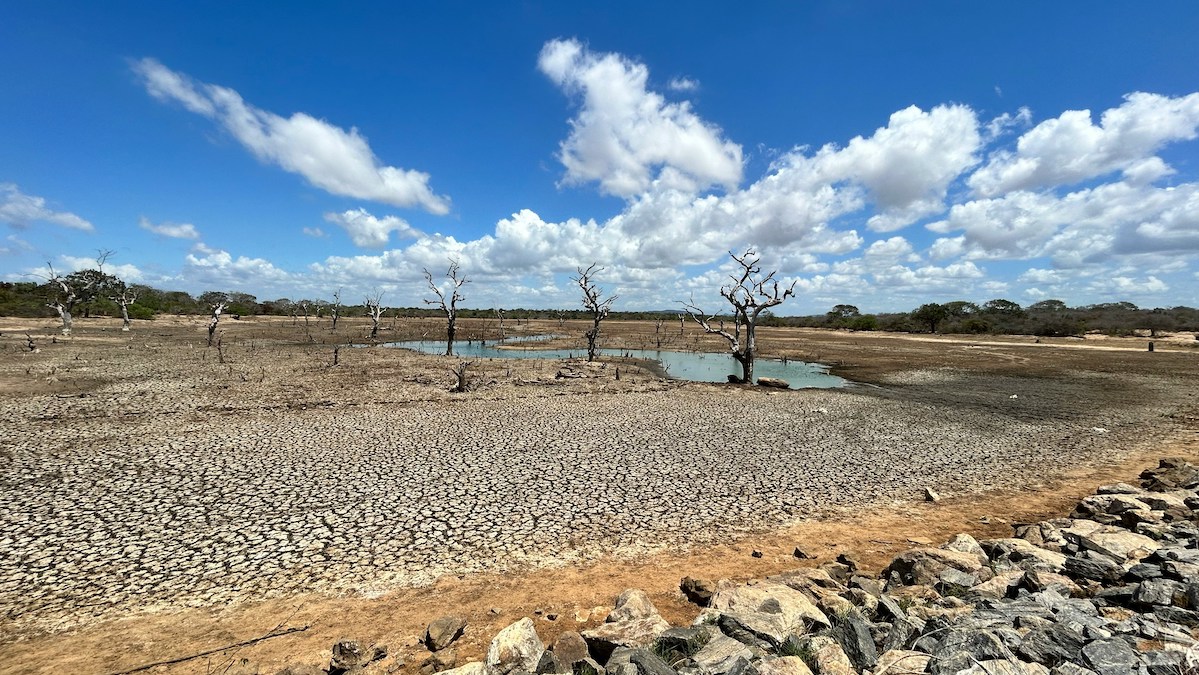
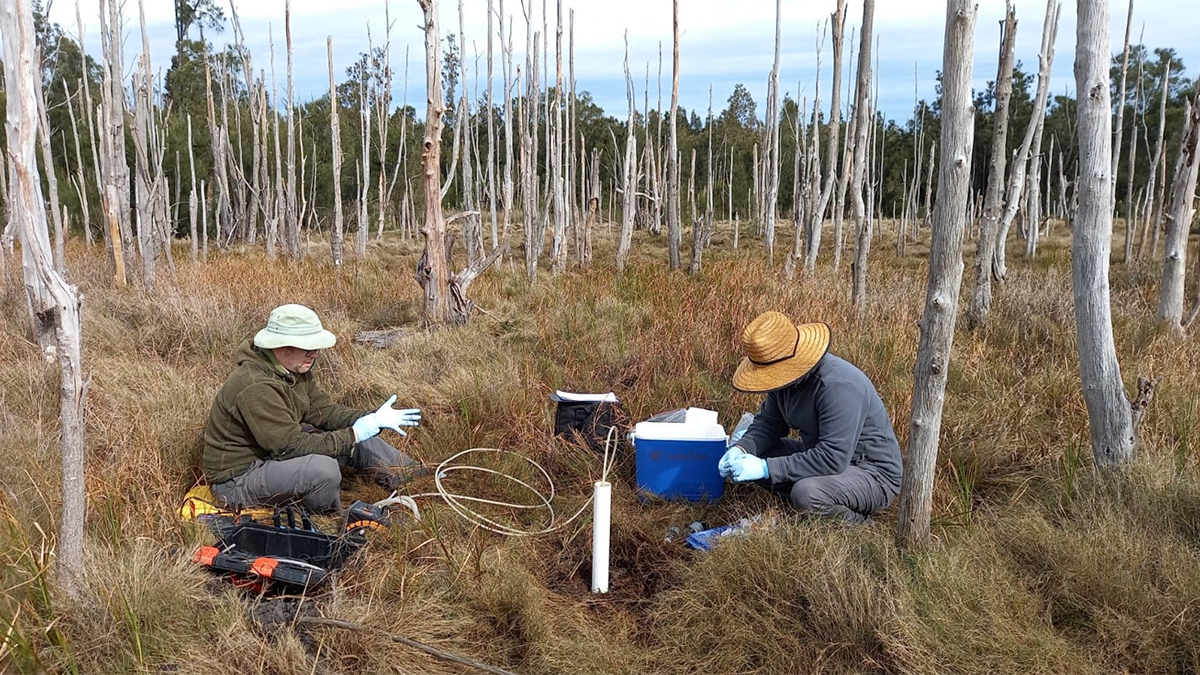
A dry lakebed with dead trees under a sunny sky.
Posted inResearch & Developments

We Are “Living Beyond Our Hydrological Means,” UN Report Warns

by Grace van Deelen 20 January 202620 January 2026

Humanity has overspent and depleted freshwater in the world’s aquifers, glaciers, wetlands, and other natural reservoirs to an irreversible degree, according to a new United Nations report.
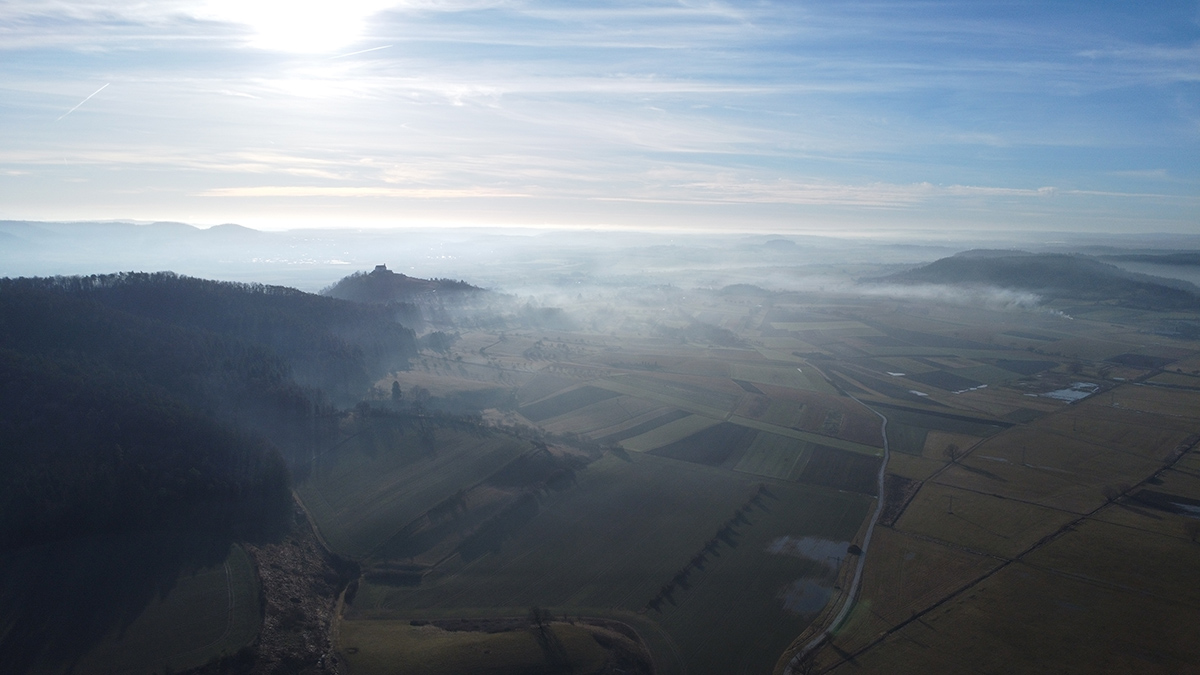
A valley with angular plots of agricultural land is seen from above. The Sun shines through clouds in the background.
Posted inResearch Spotlights

Microbial Genes Could Improve Our Understanding of Water Pollution

by Rebecca Owen 13 January 202613 January 2026

New research in Germany’s Ammer floodplain examines microbial biomarkers to help improve modeling of denitrification.
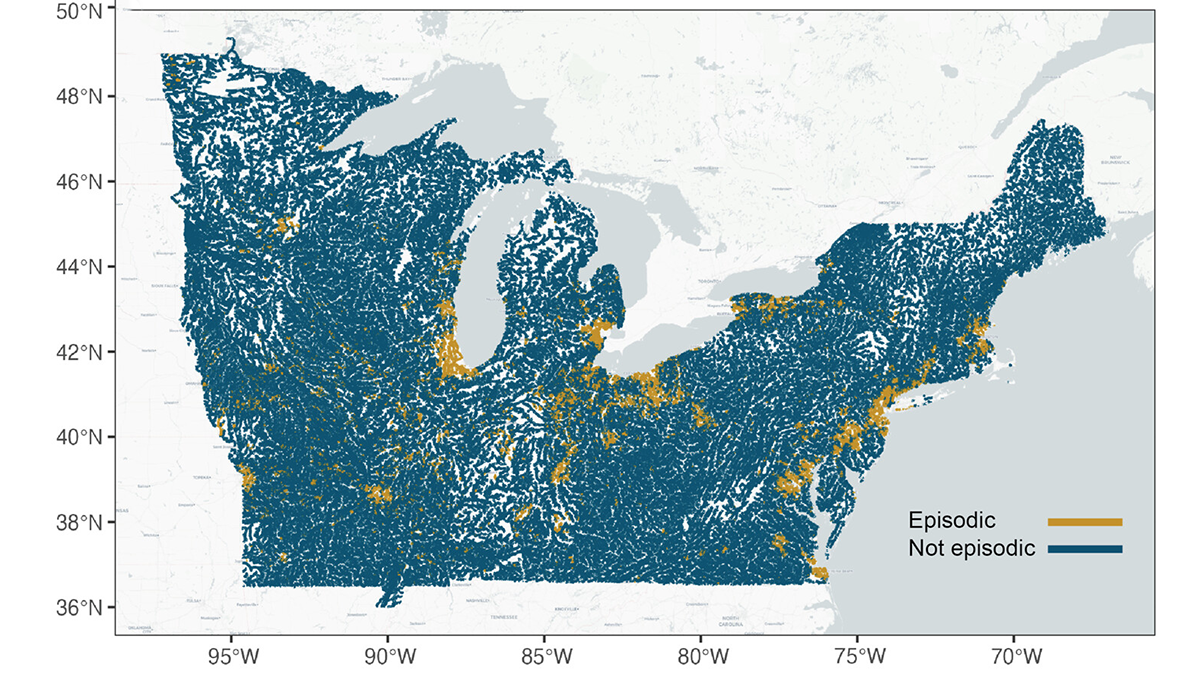
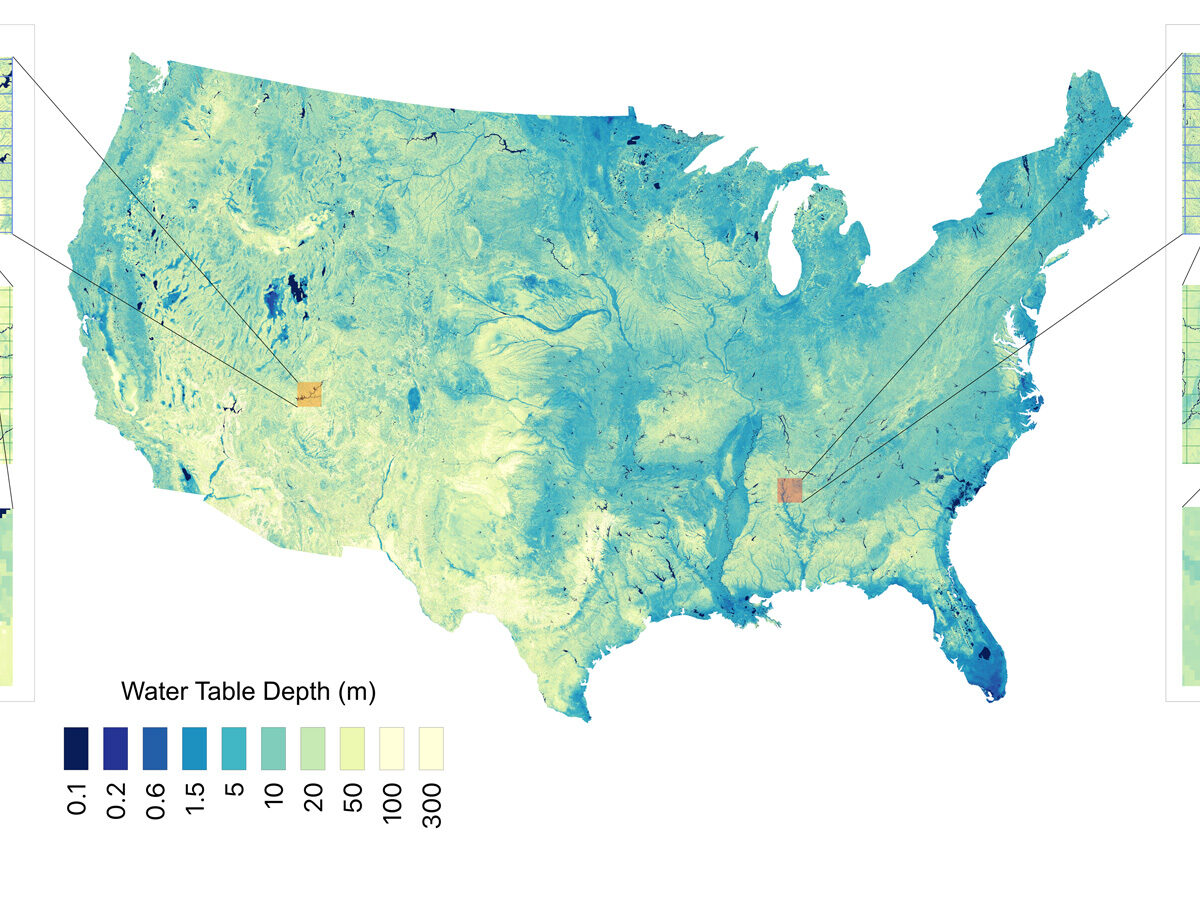
Map from the study.
Posted inEditors' Highlights

Episodic Tales of Salt  

by Stefan Kollet 10 December 20252 March 2026

When episodic pulses of road salt hit after a winter storm, the impact can be like a lightning strike for the environment.
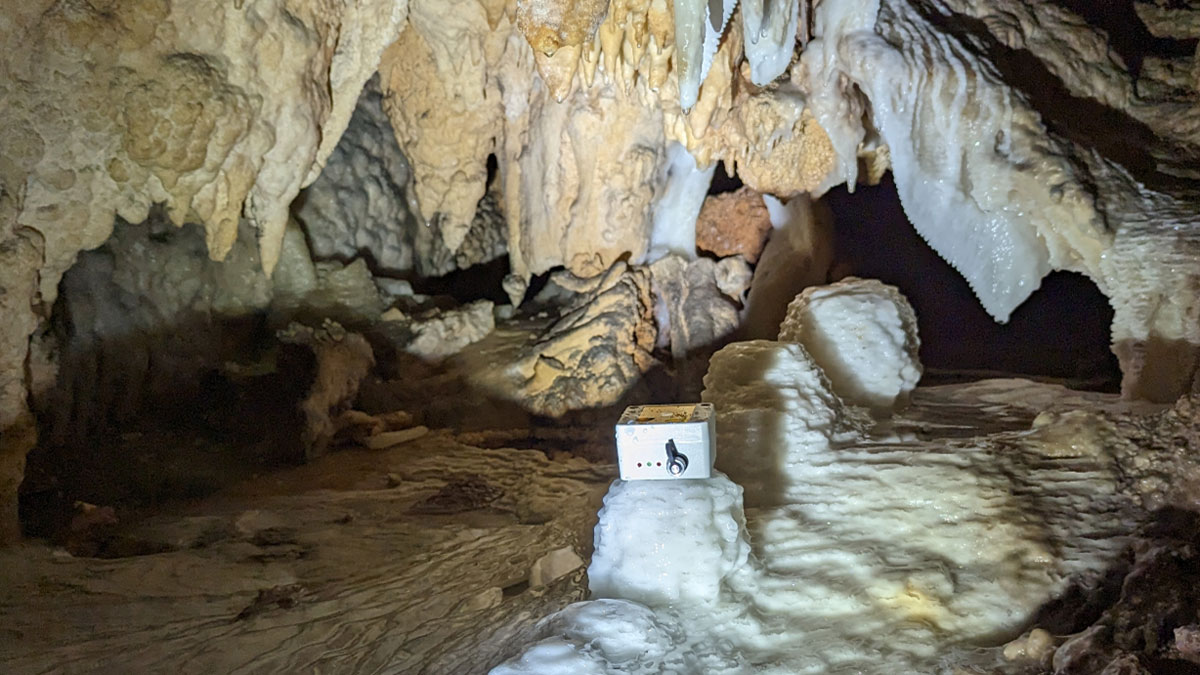
An automated hydrological drip logger (small rectangular box) sits atop a white stalagmite below stalagmites dripping with water in a tight cave space illuminated with bright light.
Posted inScience Updates

When Does Rainfall Become Recharge?

by Stacey Priestley, Andy Baker, Margaret Shanafield, Wendy Timms and Martin Andersen 4 December 20254 December 2025

Counting drips in caves is helping to reveal how much precipitation is needed to start refilling underground aquifers.
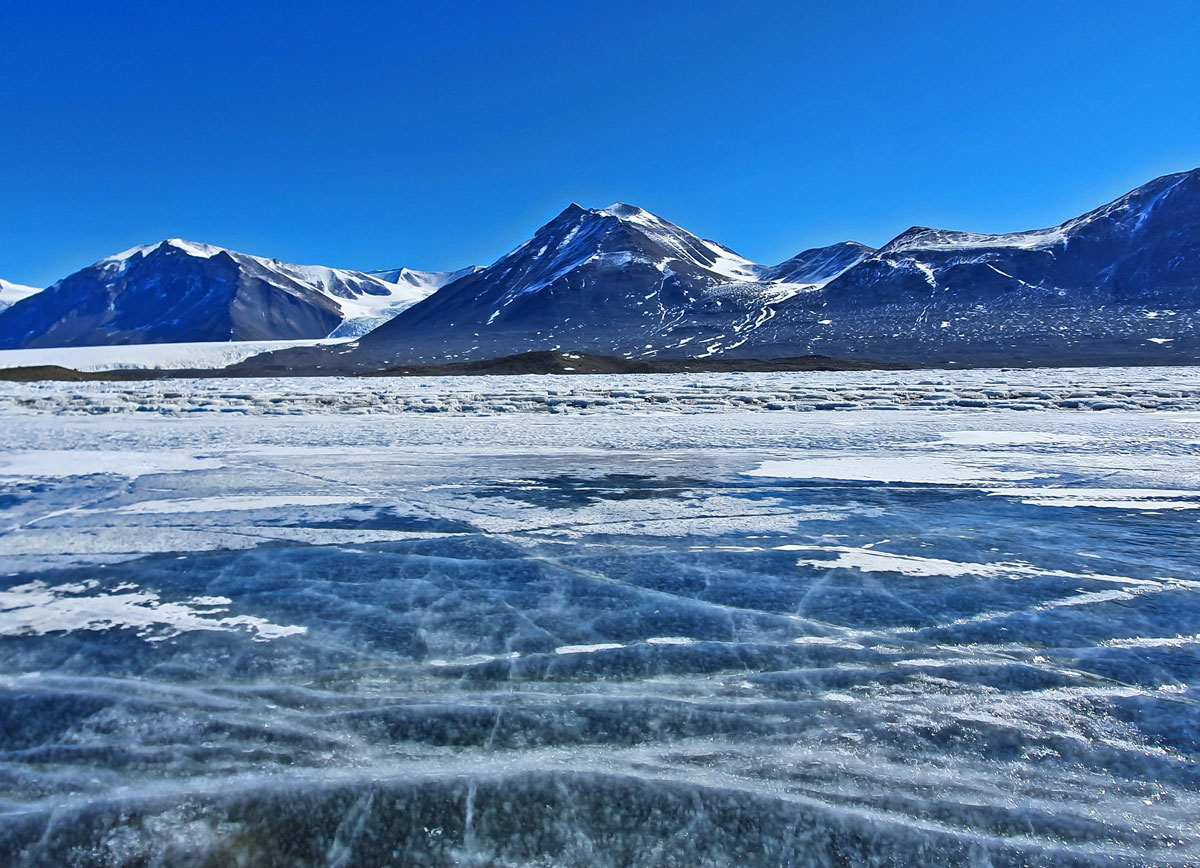
Lake Fryxell in Victoria Land, Antarctica.
Posted inNews

The Land Beneath Antarctica’s Ice Might Be Full of Water

by Nathaniel Scharping 26 November 202526 November 2025

Seismic surveys hint at the extent of a potential groundwater system in the White Continent.
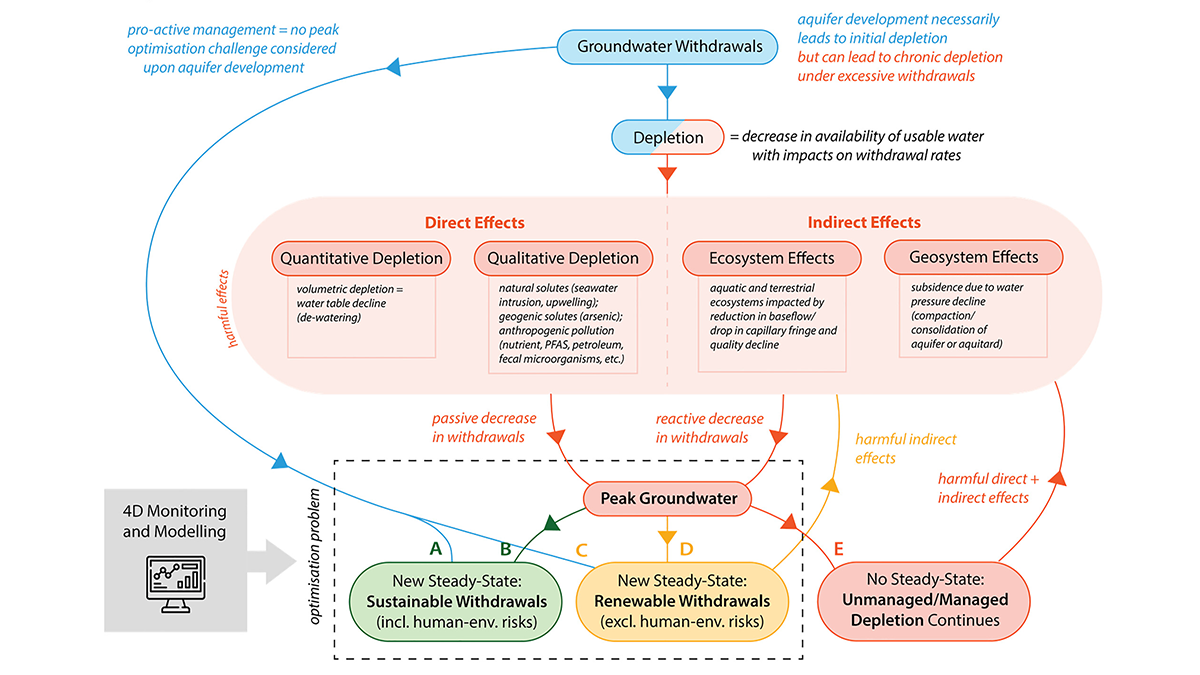
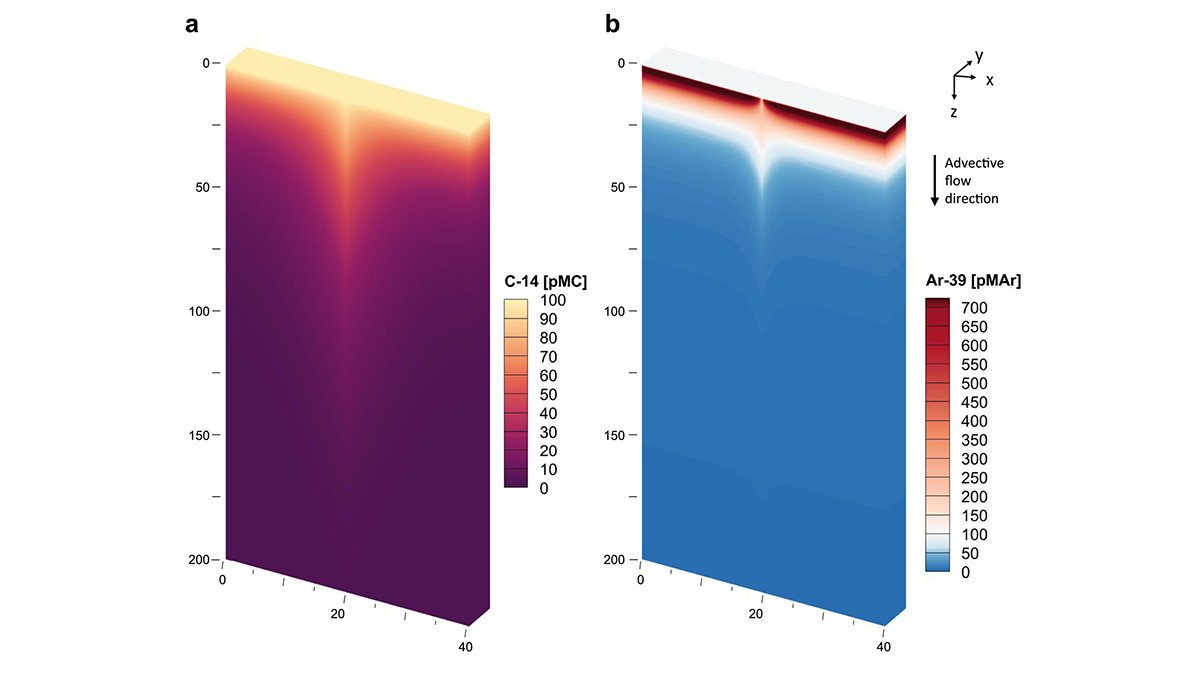
Diagram from the study.
Posted inEditors' Highlights

Avoiding and Responding to Peak Groundwater

by Kelly Caylor 25 November 202525 November 2025

A new review shows how rising demand, shrinking supplies, and policy decisions together shape when groundwater use peaks and what can be done to avoid long-term depletion.

Diagram from the article.
Posted inEditors' Highlights

The Invisible Brake: Near‑Surface Cooling Stalls Giant Dyke Swarms  

by Nikolai Bagdassarov 18 November 202517 November 2025

Sill-based pressure reconstructions show Mull’s giant dykes had eruption-capable pressures, but near‑surface groundwater cooling increased magma viscosity and stalled lateral propagation. 

A beaver swimming in water with a stick in its mouth.
Posted inEditors' Highlights

Beavers are Not Concerned About Groundwater

by Stefan Kollet 30 October 202530 October 2025

But, scientists are! A new study illuminates the complex interactions of beaver dam induced ponding and floodplain inundation with shallow groundwater storage and flow patterns.

Research scientist Kelly Hondula gathers water samples from submarine groundwater discharge sites along the Hawaiian coast.
Posted inNews

Pinpointing Sewage Seeps in Hawaii

by Anna Napolitano 9 October 20259 October 2025

Cesspools and septic systems, as well as coastal development, put Hawaiian coastal waters at risk of contamination.

Diagram from the study.
Posted inEditors' Highlights

Tracking the Sinking Ground from Coal Seam Gas Extraction

by Gabriel Rau 11 August 20257 August 2025

A new model shows how coal seam gas extraction causes land to sink by linking groundwater loss and coal shrinkage, helping predict impacts on farming in gas-producing areas.

Posts pagination

Newer posts 1 2 3 4 … 16 Older posts
Over a dark blue-green square appear the words Special Report: The State of the Science 1 Year On.

Features from AGU Publications

Research Spotlights

Typhoons Mix Up Bacteria and Biochemistry

10 July 20269 July 2026
Editors' Highlights

A Satellite-Based Global Carbon Flux Product is Sensitive to Droughts 

8 July 20266 July 2026
Editors' Vox

Small-Scale Indian Ocean Dynamics Underpin Marine Ecology and Climate

4 June 20263 June 2026
Eos logo at left; AGU logo at right

About Eos
ENGAGE
Awards
Contact

Advertise
Submit
Career Center
Sitemap

© 2026 American Geophysical Union. All rights reserved Powered by Newspack