

Combining commercial hydrocarbon and mineral exploration data with novel academic research and modeling capabilities helps answer key questions about underground magma systems.
Hazards & Disasters
Posted inNews
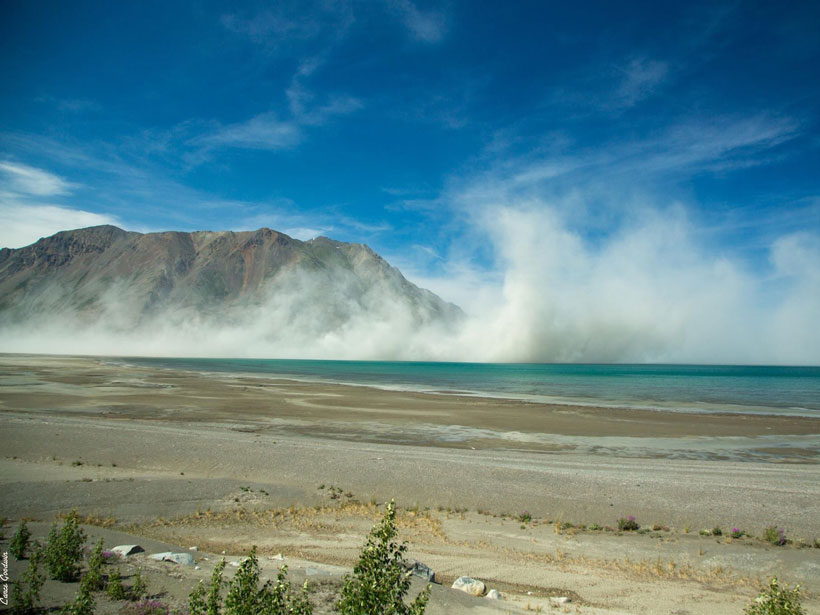
Dust from Receding Glaciers May Have Major Atmospheric Impacts
New research is helping scientists understand how Arctic dust created by receding glaciers affects local air quality and global climate.
Posted inNews
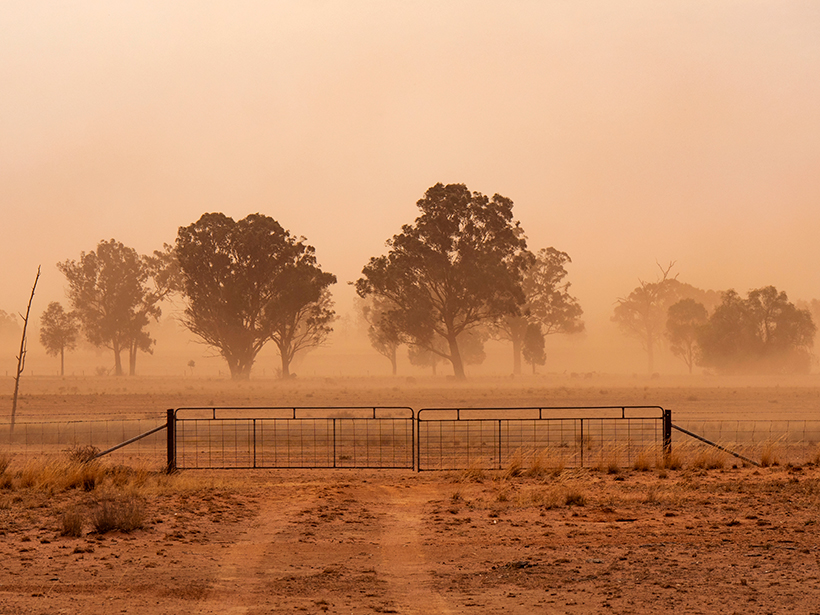
Long-Term Drought Harms Mental Health in Rural Communities

In rural and remote communities in Australia, psychological distress worsened during the first few years of a prolonged drought. Other signs of poor mental health persisted beyond that time.

Posted inNews
Hurricane Maria Killed Mangroves Months After Storm
An overgrown channel between a lagoon and the ocean on the Puerto Rican island of Vieques created a backup of freshwater, disrupting the delicate balance of salinity in coastal mangrove forests.

Posted inNews
Saving Lives by Predicting Dust Storms
In the southwestern United States, dust storms form suddenly, quickly reducing visibility to zero. A new warning system may allow motorists to avoid these deadly hazards.

Posted inResearch Spotlights
Certain Rock Formations Can Lead to In-Home Radon Risks

Researchers in Kentucky have merged results from home test kits with the state’s geologic map to produce a map of indoor radon potential based on the geology underlying homes in the state.
Posted inNews
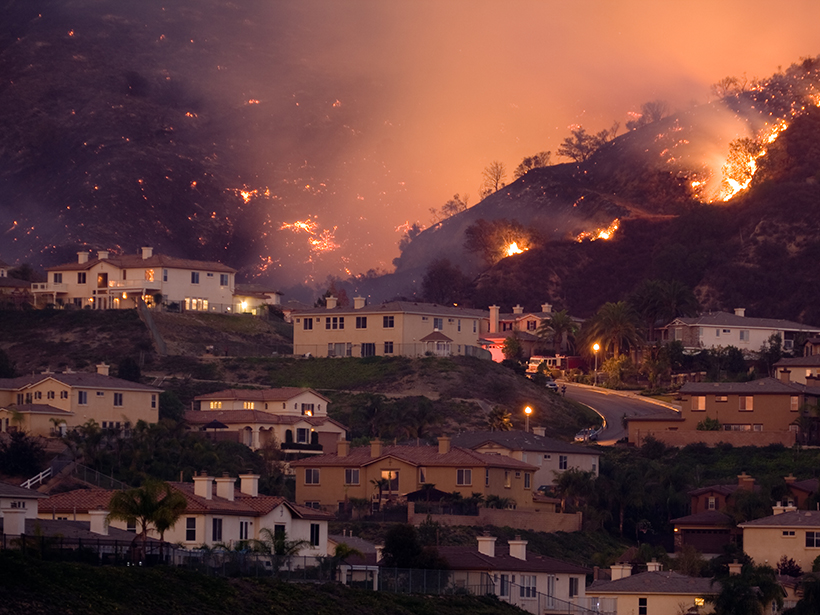
Homes and Other Buildings Abound in Natural Hazard Hot Spots

Researchers mined maps of natural hazards and land use to show that nearly 60% of structures are built in regions at high risk of earthquakes, wildfires, floods, hurricanes, and/or tornadoes.

Posted inNews
Can Volcano Forecasting Make Visiting Whakaari Safe Again?

Last year’s explosive eruption at the New Zealand volcano tragically took tourists by surprise.
Posted inNews
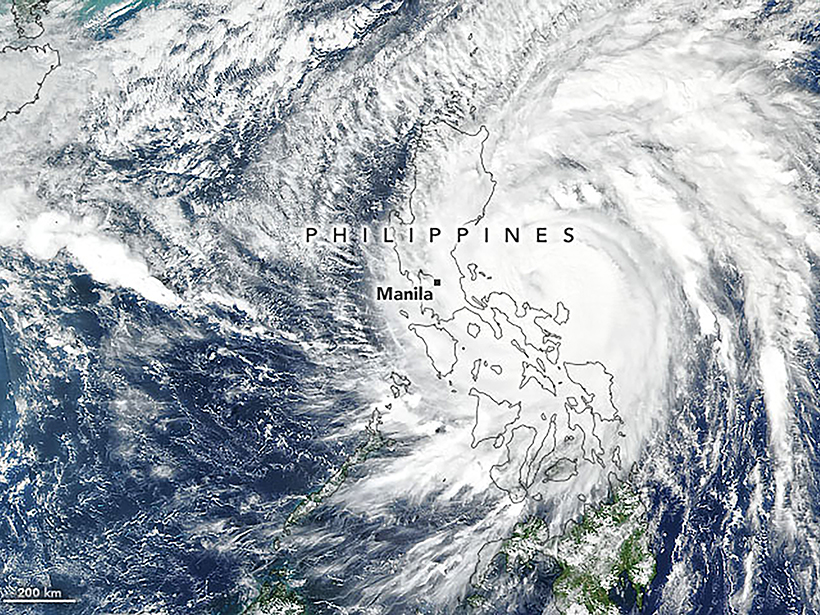
When Cyclones and Conflicts Collide
New research might identify communities vulnerable to political violence in the aftermath of natural disasters.
Posted inNews
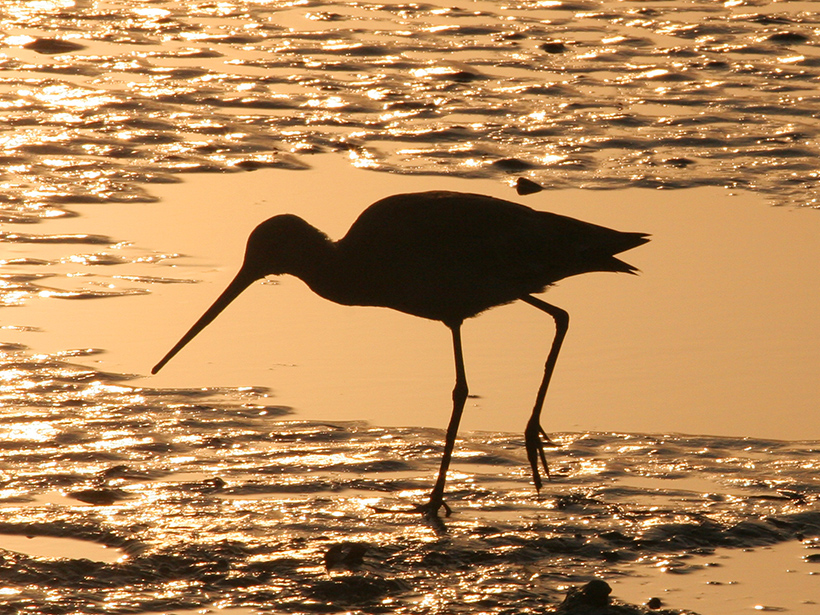
Human Activity Makes India’s Coastlines More Vulnerable
Researchers propose the creation of an anthropogenic vulnerability index to help guide conservation policy decisions.