• About
  • Special Reports
  • Topics
    • Climate
    • Earth Science
    • Oceans
    • Space & Planets
    • Health & Ecosystems
    • Culture & Policy
    • Education & Careers
    • Opinions
  • Projects
    • Postcards From the Field
    • ENGAGE
    • Editors’ Highlights
    • Editors’ Vox
    • Eos en Español
    • Eos 简体中文版
    • Print Archive: 2015–2025
  • Policy Tracker
  • Blogs
    • Research & Developments
    • The Landslide Blog
  • Newsletter
  • Submit to Eos
  • AGU.org
  • Career Center
  • Join AGU
  • Give to AGU
  • About
  • Special Reports
  • Topics
    • Climate
    • Earth Science
    • Oceans
    • Space & Planets
    • Health & Ecosystems
    • Culture & Policy
    • Education & Careers
    • Opinions
  • Projects
    • Postcards From the Field
    • ENGAGE
    • Editors’ Highlights
    • Editors’ Vox
    • Eos en Español
    • Eos 简体中文版
    • Print Archive: 2015–2025
  • Policy Tracker
  • Blogs
    • Research & Developments
    • The Landslide Blog
  • Newsletter
  • Submit to Eos
Skip to content
  • AGU.org
  • Career Center
  • Join AGU
  • Give to AGU
Eos

Eos

Science News by AGU

Support Eos
Sign Up for Newsletter
  • About
  • Special Reports
  • Topics
    • Climate
    • Earth Science
    • Oceans
    • Space & Planets
    • Health & Ecosystems
    • Culture & Policy
    • Education & Careers
    • Opinions
  • Projects
    • Postcards From the Field
    • ENGAGE
    • Editors’ Highlights
    • Editors’ Vox
    • Eos en Español
    • Eos 简体中文版
    • Print Archive: 2015–2025
  • Policy Tracker
  • Blogs
    • Research & Developments
    • The Landslide Blog
  • Newsletter
  • Submit to Eos

Health & Ecosystems

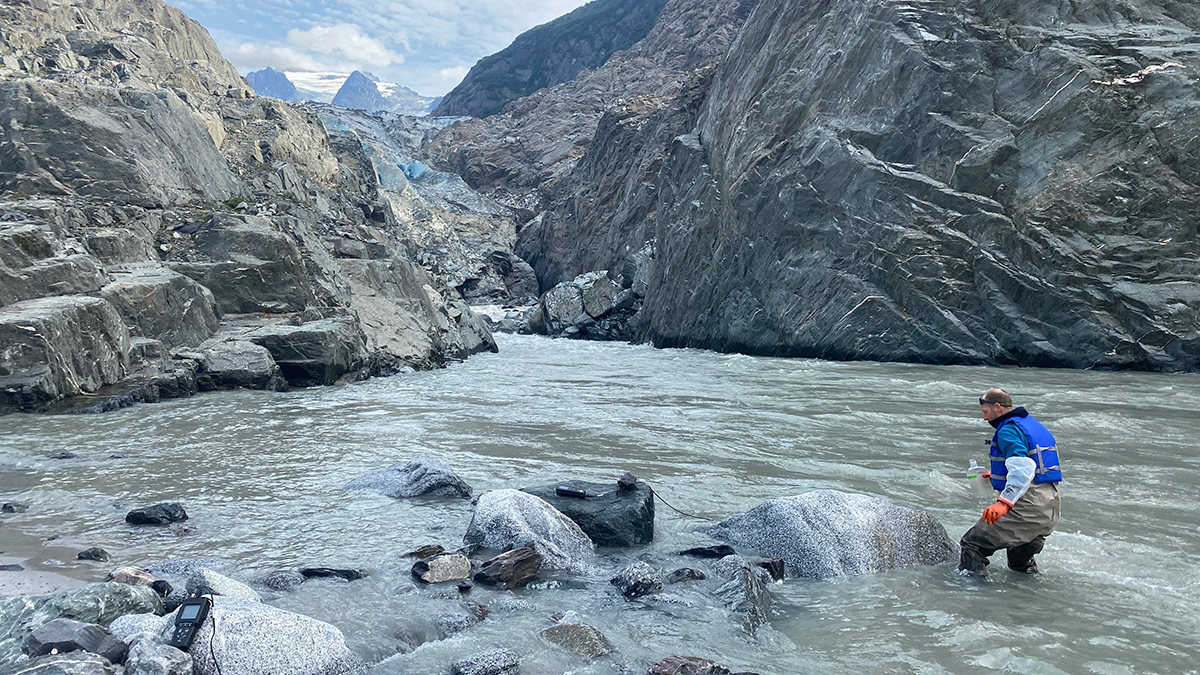
A man wearing a blue life vest stands knee deep in water to collect a water sample downstream of the large glacier in the background.
Posted inResearch Spotlights

Measuring Carbon’s Flow from Land to Sea

by Rebecca Owen 21 November 202321 November 2023

A new study catalogs how dissolved inorganic carbon moves through southeast Alaska’s waterways.
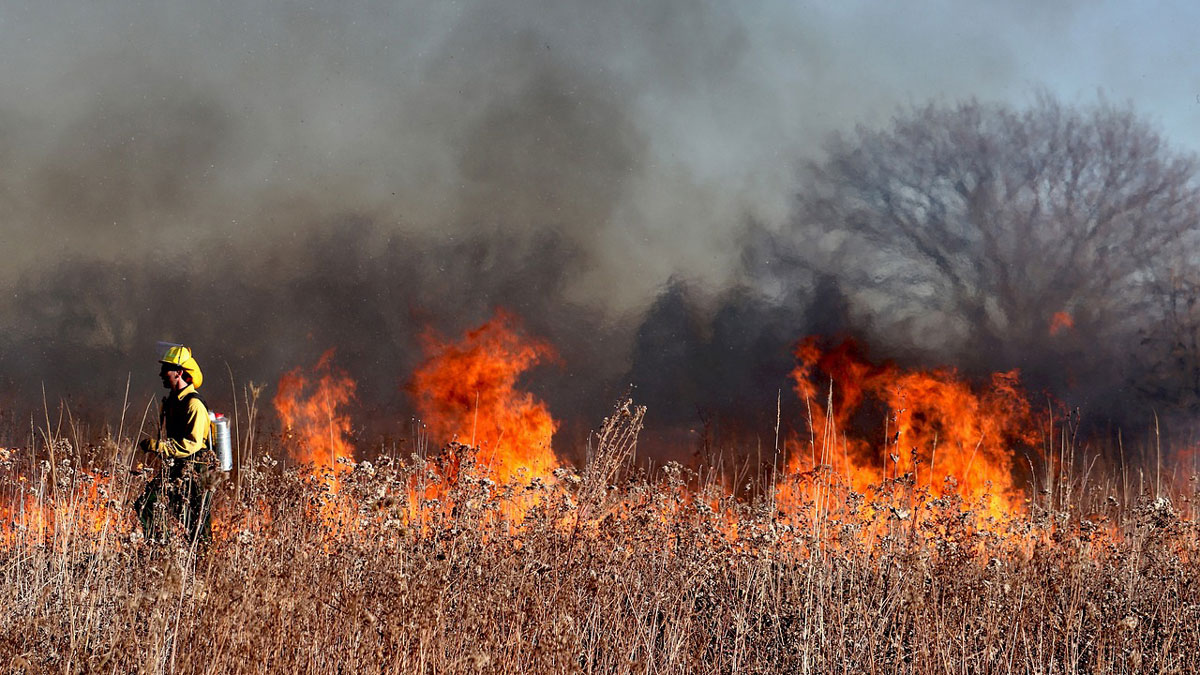
A firefighter stands in front of burning grass and trees.
Posted inNews

Climate Change Narrows the Window for Prescribed Fires

by Caroline Hasler 16 November 202316 November 2023

Longer, drier summers may mean fewer opportunities for firefighters to safely burn would-be wildfire fuel in the western United States.

A pipe brings water into a stream.
Posted inENGAGE, News

Even Treated Sewage Harms Freshwater Ecosystems

by Erin Martin-Jones 15 November 202328 November 2023

In a controlled experiment, researchers diverted wastewater from an advanced treatment facility into a healthy stream and monitored the unfolding ecological effects.
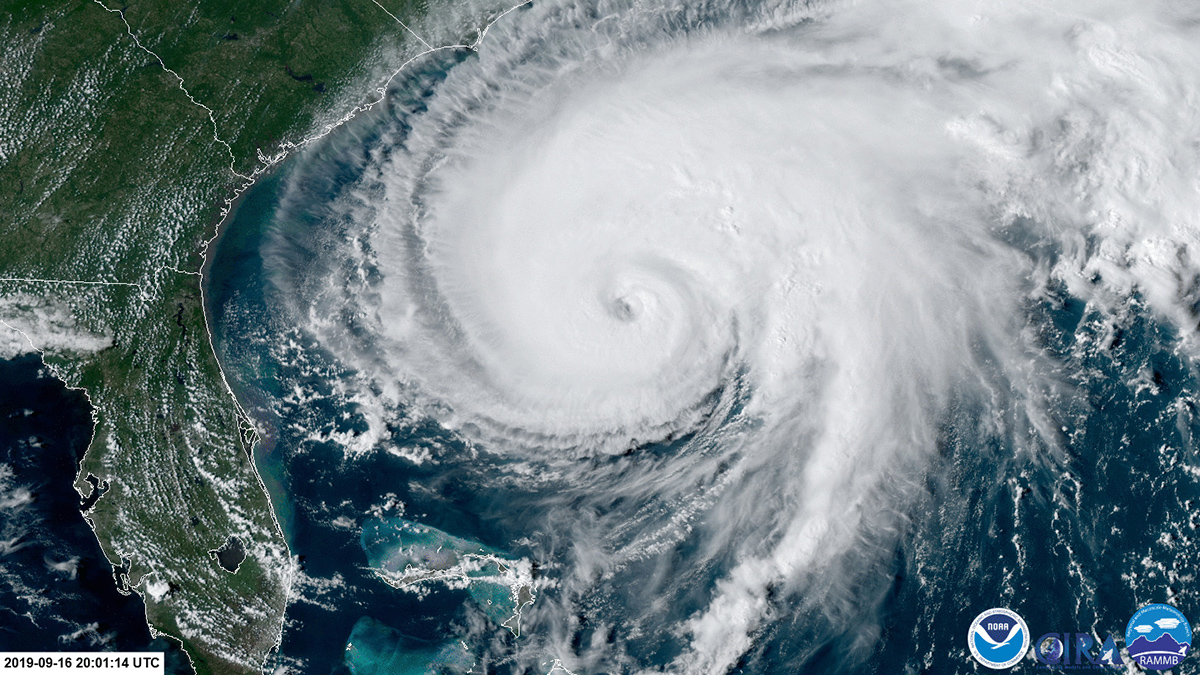
A hurricane about to make landfall on Florida’s east coast
Posted inNews

Deep Emissions Cuts Still Needed to Prevent the Worst Climate Change Impacts

by Grace van Deelen 14 November 202314 November 2023

A new federal report says the effects of human-caused climate change are worsening in every region of the United States, but the technology to address it exists.

Llamas walking along a rocky landscape in front of a retreating glacier in Cordillera Blanca, northern Peru.
Posted inENGAGE, News

How Llama Poop Is Helping an Andean Community Adapt to Melting Glaciers

by Sofia Moutinho 9 November 202317 November 2023

Reintroducing these animals can enrich barren soils and potentially reduce water contamination, a study shows.

A map of what Pangea Ultima, which should form in about 250 million years, will look like
Posted inENGAGE, News

Future Supercontinent Will Be Inhospitable for Mammals

by Rebecca Owen 8 November 20238 November 2023

Pangea returns in 250 million years, and it’s not looking good for us.
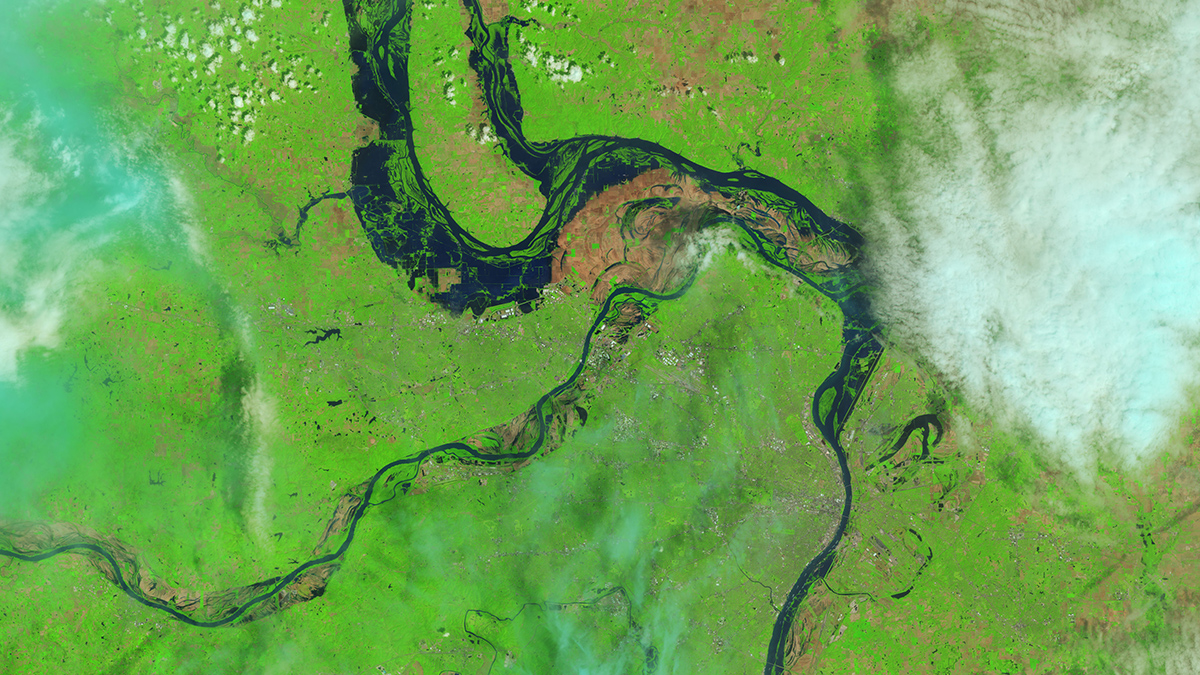
Satellite image of the Mississippi River surrounded by a green landscape
Posted inNews

Rivers Are Warming Up and Losing Oxygen

by Elise Cutts 3 November 20233 November 2023

Researchers used deep learning to fill in the gaps of “patchy” water quality data, revealing decades-long trends toward warmer and less oxygenated rivers that could have worrisome consequences.

An overhead view of an open pit mine
Posted inENGAGE, News

Millions Likely Live in Areas Contaminated by Mining Runoff

by Nathaniel Scharping 1 November 20231 November 2023

Heavy metal contaminants from mining can live in ecosystems for centuries. A new global database shows where the problem is worst.

A large, goose-shaped lake stretches across Canada’s Northwest Territories. Two red circles and two yellow triangles mark sites where samples were taken from the lake, and the Slave River and the Hay River are both labeled.
Posted inNews

Arctic Warming Triggers Abrupt Ecosystem Shift in North America’s Deepest Lake

Cheryl Katz, Science Writer by Cheryl Katz 24 October 202330 October 2023

Great Slave Lake’s huge cold water mass shielded it from impacts of the rapidly warming climate—until now.

View from window obscured by raindrops
Posted inNews

Rainfall from Tropical Storms Might Be on the Downswing

Katherine Kornei, Science Writer by Katherine Kornei 20 October 202320 October 2023

Two decades’ worth of satellite data suggest that the rainfall rates of tropical cyclones might be decreasing relative to background levels.

Posts pagination

Newer posts 1 … 33 34 35 36 37 … 64 Older posts
Over a dark blue-green square appear the words Special Report: The State of the Science 1 Year On.

Features from AGU Publications

Research Spotlights

As Wildfires Increase in the West, So Does Suppression Spending

10 June 202610 June 2026
Editors' Highlights

Multi-Scale Fault Roughness Encapsulated in a Friction Law

11 June 202611 June 2026
Editors' Vox

Small-Scale Indian Ocean Dynamics Underpin Marine Ecology and Climate

4 June 20263 June 2026
Eos logo at left; AGU logo at right

About Eos
ENGAGE
Awards
Contact

Advertise
Submit
Career Center
Sitemap

© 2026 American Geophysical Union. All rights reserved Powered by Newspack