
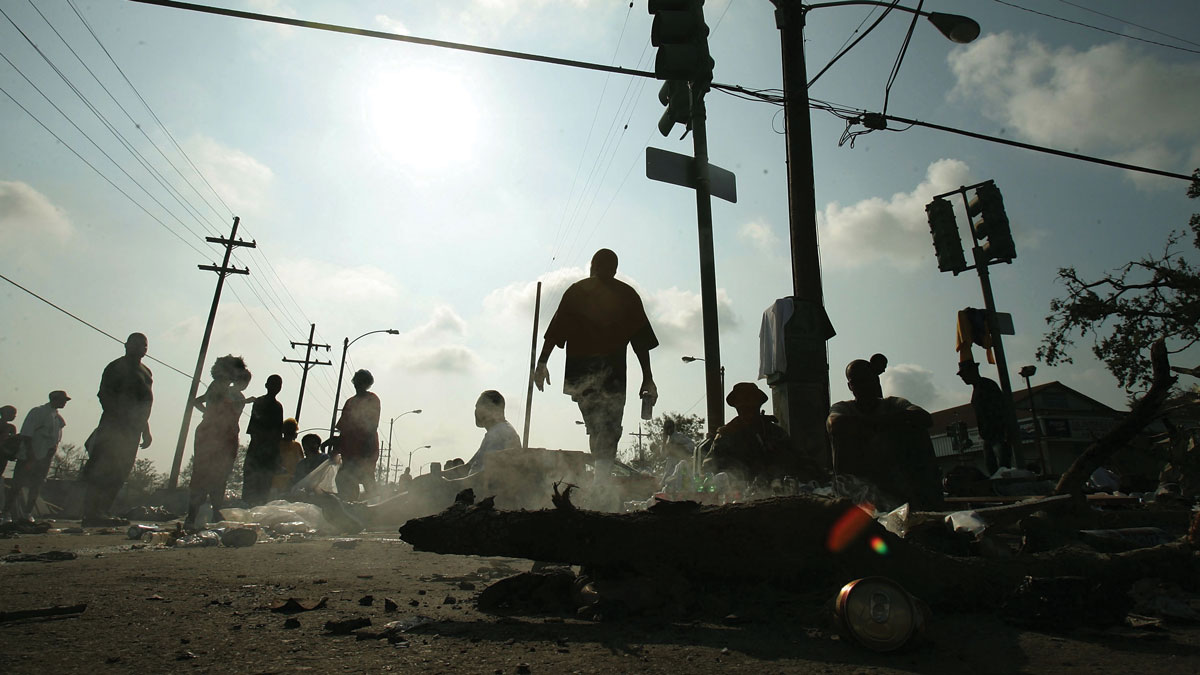

Investigadores están reconociendo cada vez más las diversas maneras en que la crisis climática global está afectando nuestra salud mental.
Health & Ecosystems
Posted inNews
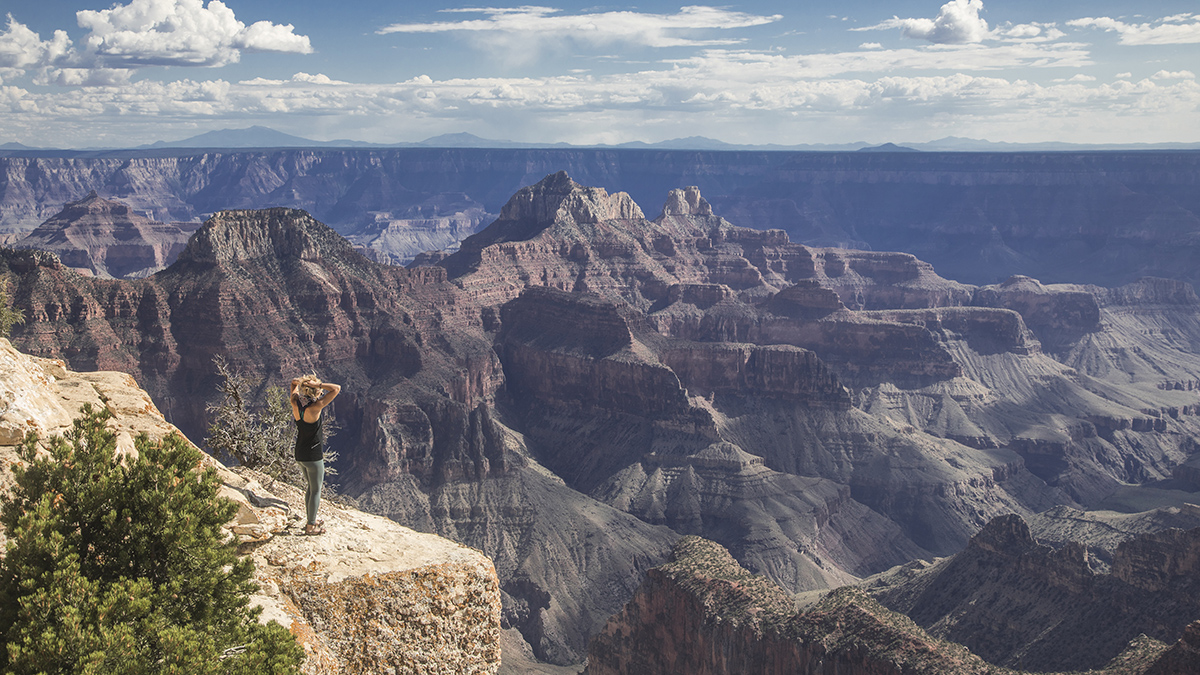
Grand Canyon Heat May Become More Dangerous
Climate change may double the risk of heat-related illness at Grand Canyon National Park by the end of the century.

Posted inResearch Spotlights
Better Bottom-Up Estimates of Wetland Methane Emissions
Limited monitoring of methane emissions from tropical wetlands could be obscuring these environments’ role in climate change.

Posted inNews
Temperature Extremes Hit Lower- and Middle-Income Countries Hardest
Smaller cities in these regions are less likely to have infrastructure to deal with extreme climates.

Posted inNews
Where the Ground Gives Way
Sinkholes are a significant hazard, but where are they most likely to happen? A new study identifies hot spots in the contiguous United States.

Posted inResearch Spotlights
When It’s Too Hot for Fans

Electric fans keep vulnerable people cool in a warming world. But new research shows there are increasing numbers of hours when—and places where—using fans may be dangerous.

Posted inNews
Diez ríos que enfrentan contaminación, desarrollo y cambio climático–Y las políticas que pueden ayudar
Reporte anual destaca 10 vías fluviales que han llegado a encrucijadas en las cuales el apoyo del público puede determinar si reciben protección.
Posted inNews
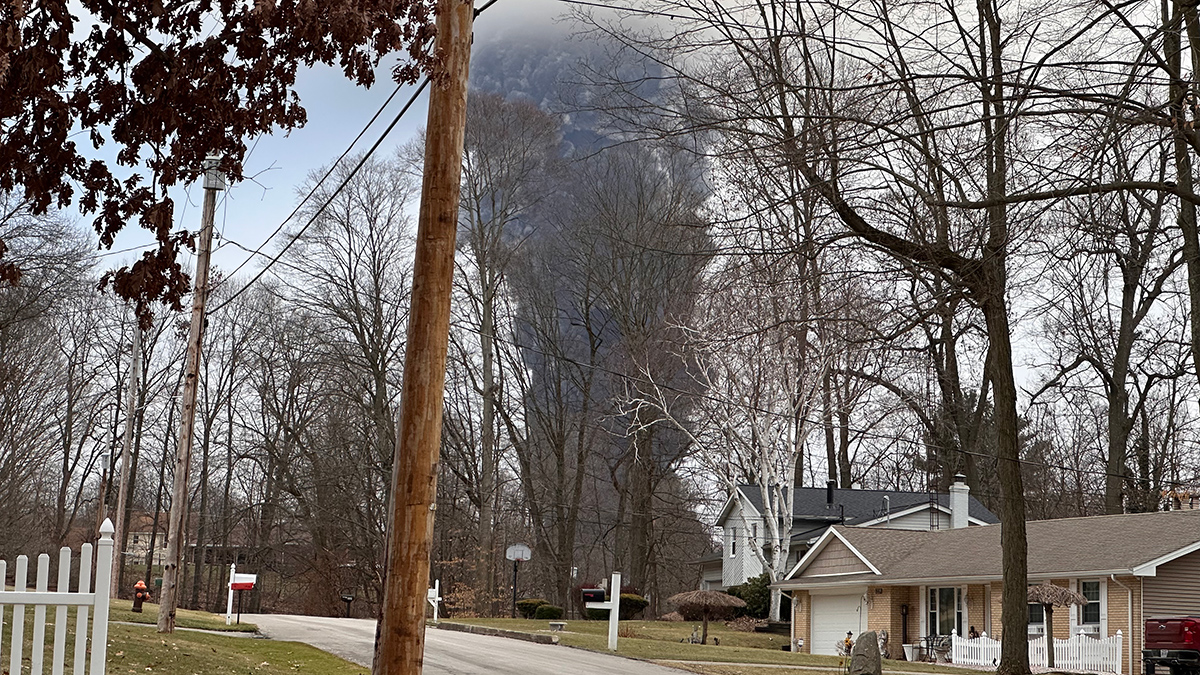
Some Chemicals Lingered for Weeks After Ohio Train Derailment
Researchers drove around a van outfitted with a sensitive mass spectrometer to measure airborne chemicals weeks after the disaster.

Posted inNews
Établir une carte d’identité du bois pour freiner la déforestation illégale

Des chercheurs ont créé un nouvel outil d’analyse pour améliorer la traçabilité du bois qui pourrait permettre d’appliquer la législation de l’Union européenne visant à lutter contre la déforestation.

Posted inResearch Spotlights
Beavers Are Remaking Microbial Ecosystems in the Arctic
As beavers expand their range northward into the Arctic tundra, changes in bacterial, archaeal, and fungal communities appear to be following.