
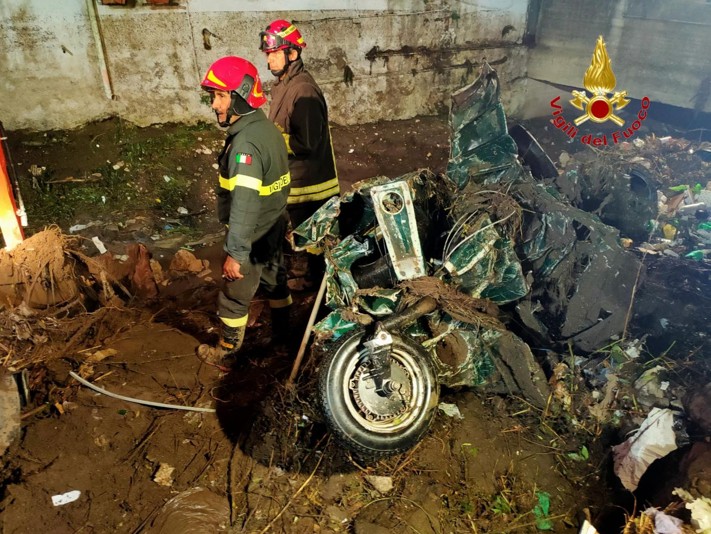
Guest post by Giuseppe Esposito and Stefano Gariano The Landslide Blog is written by Dave Petley, who is widely recognized as a world leader in the study and management of landslides. In a recent article published in the journal Landslides, Esposito and Gariano (2025) describe the first post-fire debris flow event with fatal consequences recorded […]
Italy

Posted inThe Landslide Blog
The 30 November 2022 Maratea rockfall in southern Italy
The Landslide Blog is written by Dave Petley, who is widely recognized as a world leader in the study and management of landslides. On 30 November 2022, the Maratea rockfall occurred on the slopes below Castrocucco castle in southern Italy. This landslide is the subject of an interesting paper (Santo and Massaro 2024) that has […]
Posted inEditors' Vox
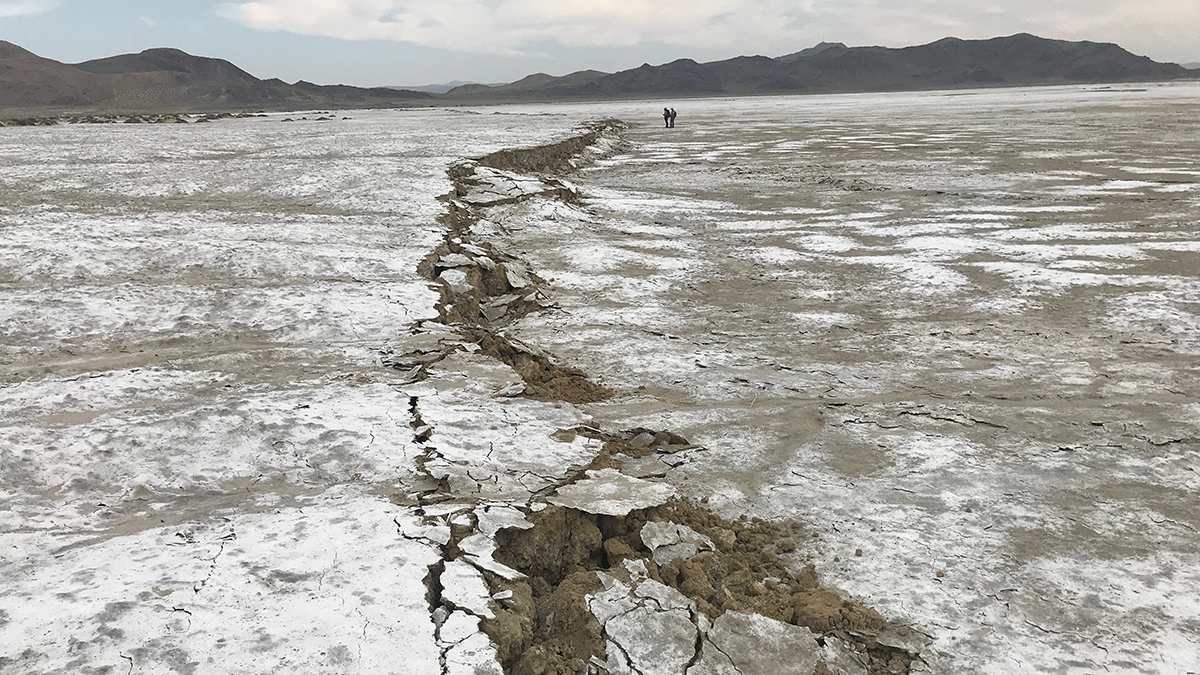
Operational Earthquake Forecasting – What Is It and How Is It Done?
While earthquakes cannot be deterministically predicted, operational earthquake forecasting systems can provide valuable insights into the likelihood of future quakes.

Posted inNews
Earthquakes May Have Amplified the Destruction of Pompeii
A new analysis of skeletons and collapsed walls indicates that seismic activity compounded the historic catastrophe wrought by Mount Vesuvius.

Posted inResearch Spotlights
Watching and Listening for Signs of Slope Failure
Ten years of data preceding a rockfall in the French Alps suggest the need for more comprehensive monitoring systems.

Posted inResearch Spotlights
Improved Imaging Offers New Insight into Mount Etna
Anisotropic tomography provides a more complete picture of the Sicilian volcano’s inner workings.

Posted inThe Landslide Blog
A landslide emergency at Longiarù in northern Italy
The Landslide Blog is written by Dave Petley, who is widely recognized as a world leader in the study and management of landslides. In the Dolomite region of northern Italy, an interesting landslide emergency is under way. The location is Longiarù, a village located in San Martino in Badia. So far, 56 buildings, mostly houses, […]

Posted inNews
Ancient Victims of Vesuvius May Have Baked in a Cloud of Ash
Debate still swirls around what killed ancient Romans during the 79 CE eruption. A study of wood charred by the event suggests a brief, but searing, flow of volcanic gas and debris.
Posted inEditors' Highlights
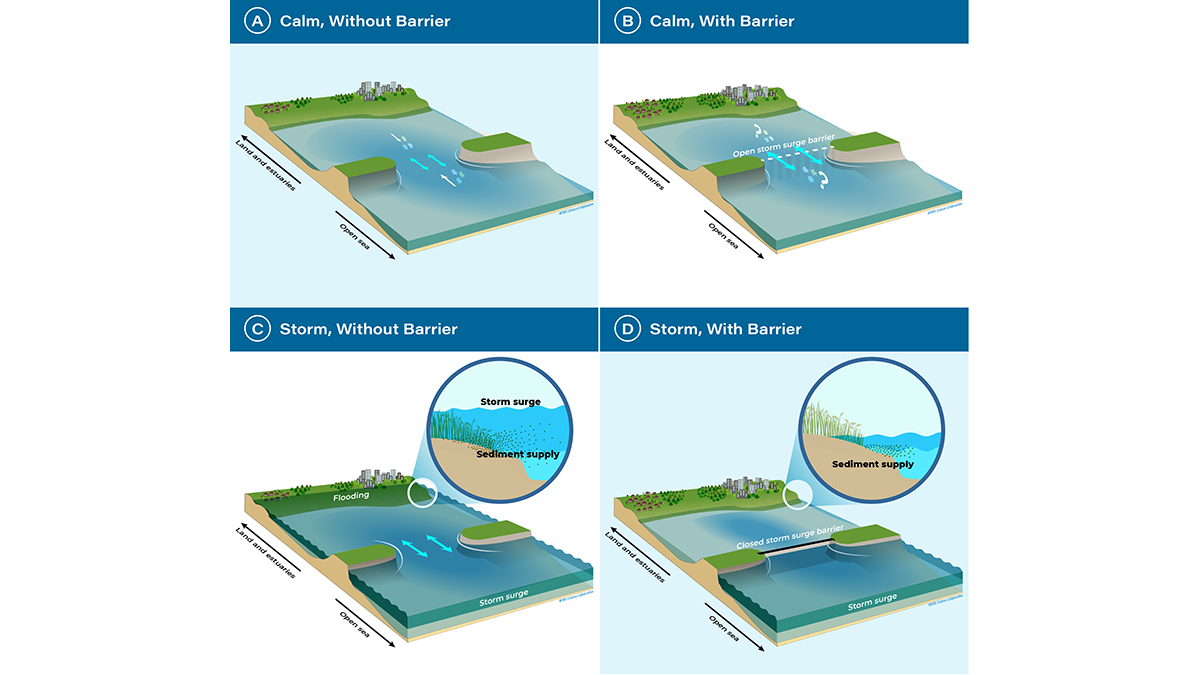
A Turning Point for Estuaries Worldwide
As estuarine barriers are built in response to sea level rise, flooding, and salinization, more research is needed to better understand their implications for human activities and ecosystems.

Posted inEditors' Highlights
Topography Along the Apennines Reflects Subduction Dynamics
Topography and exhumation vary strongly along the Apennines, reflecting the geometry of the Moho and different geodynamic mechanisms.