

A statistically robust approach applied to long-term flux measurements quantifies forest ecosystem response to increasing atmospheric carbon dioxide, providing a valuable benchmark for climate models.
Journal of Geophysical Research: Biogeosciences

Posted inResearch Spotlights
Investigadores desarrollan el primer presupuesto integral de gases de efecto invernadero de México

Un nuevo estudio profundiza en dos décadas de datos para crear una cuantificación integral de fuentes de carbono, metano y óxido de nitrógeno que podrían ayudar a guiar las políticas climáticas.

Posted inResearch Spotlights
在土卫二上寻找生命:我们应该问些什么问题?

在冰冷的海洋世界中,建立在有机化学进化理论基础上的研究框架,可能会比仅仅寻找生命存在的直接证据,带来更深刻的见解。

Posted inEditors' Vox
AGU Introduces a New Policy to Foster Inclusion in Global Research
AGU Publications updates its authorship policy to foster greater equity and transparency in global research collaborations and help to address the issue of parachute science.

Posted inResearch Spotlights
Looking for Life on Enceladus: What Questions Should We Ask?
On icy ocean worlds, a research framework built around the theory of organic chemical evolution could surface deeper insights than a hunt limited to direct evidence of life.
Posted inResearch Spotlights
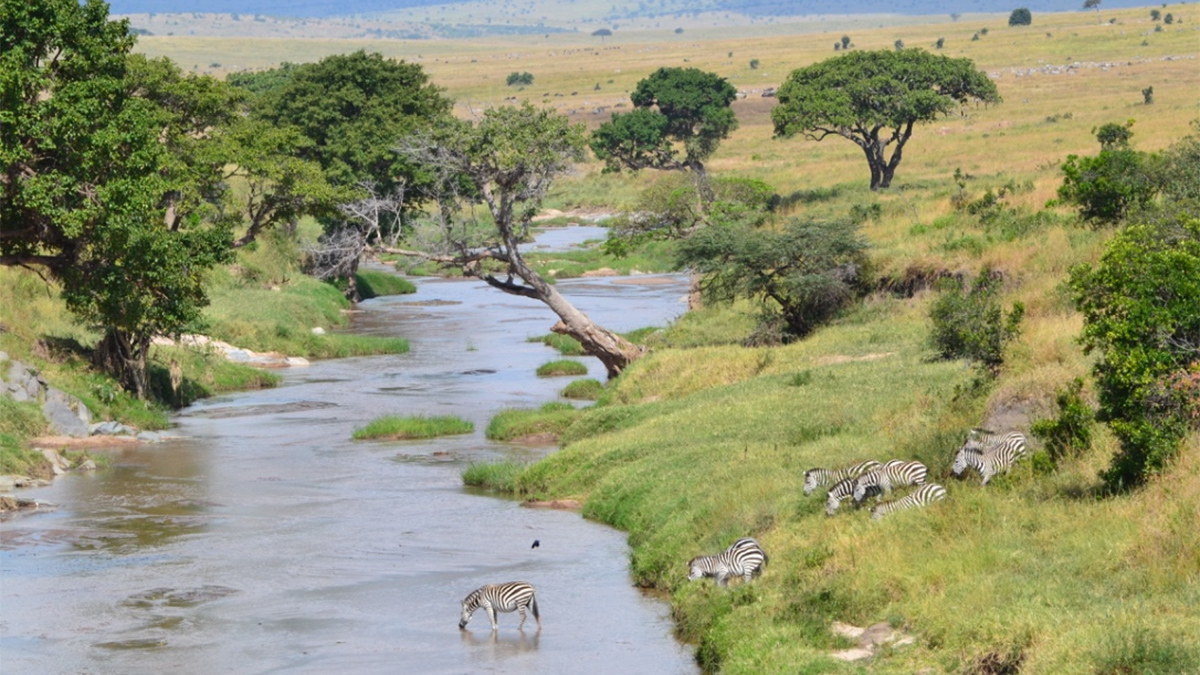
Animals Deserve to Be Included in Global Carbon Cycle Models, Too
Because they are far less plentiful than plants and microbes, animals have typically been excluded from examinations of carbon exchange in the atmosphere. But new research shows they may have a considerable influence on carbon cycle dynamics.

Posted inEditors' Highlights
When You’re a Wet(land), You’re A Wet(land) All the Way
Wetlands and their methane emissions require careful consideration for incorporation in Earth system models with many advances made over the past 30 years.

Posted inResearch Spotlights
Warming Experiment Explores Consequences of Diminished Snow

The SPRUCE ecosystem in northern Minnesota offered a setting to research exactly how a snowy environment responds to rising temperatures.
Posted inEditors' Highlights
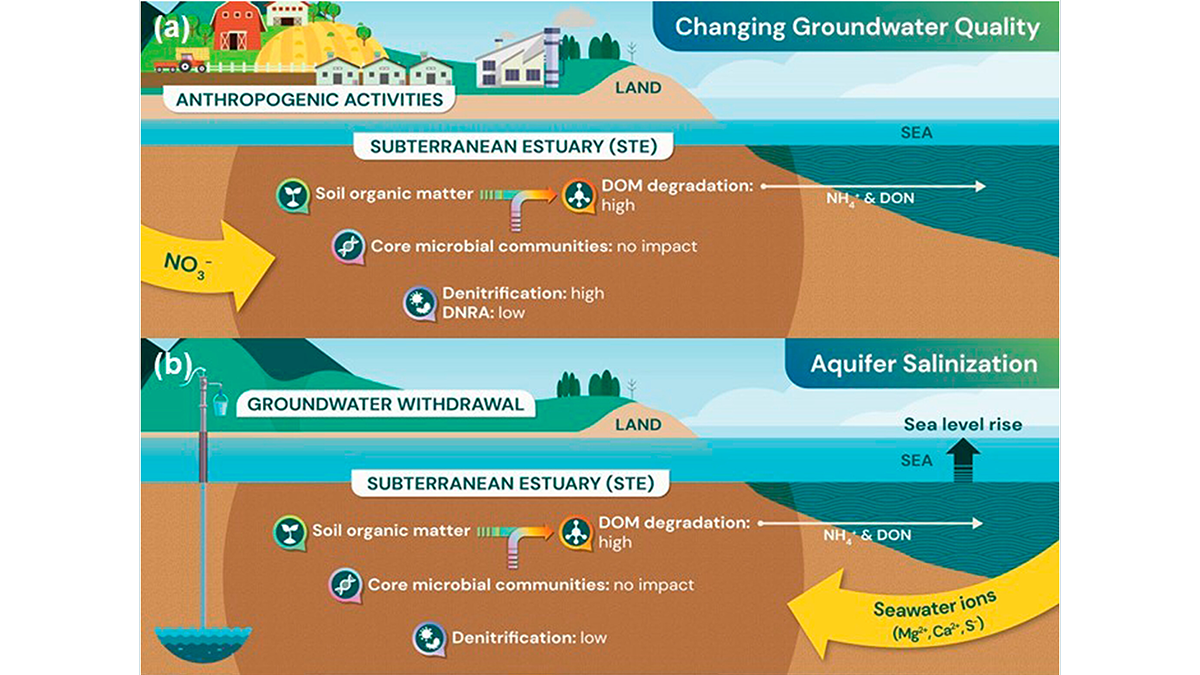
The Unexplored Microbial Life in Subterranean Estuaries
A new study reveals that microbial life in subterranean estuaries is threatened by anthropogenic activities.

Posted inResearch Spotlights
Inland Waters Are a Blind Spot in Greenhouse Gas Emissions
Researchers call for an extensive monitoring network to quantify carbon dioxide and methane released by China’s rivers, lakes, reservoirs, and ponds.