
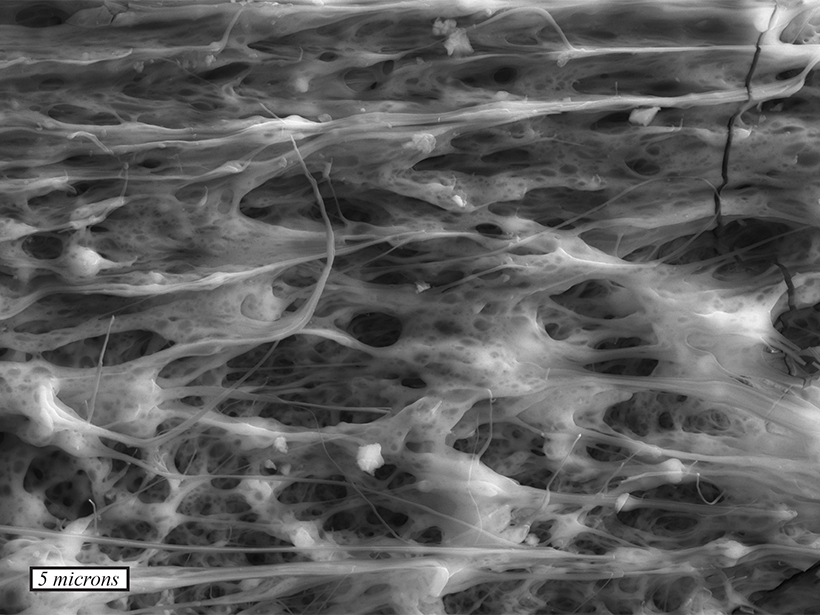
A new laboratory study examines the small-scale physics at play as two pieces of granite are smashed together in a scaled-down version of a real earthquake.
Journal of Geophysical Research: Solid Earth
Posted inResearch Spotlights
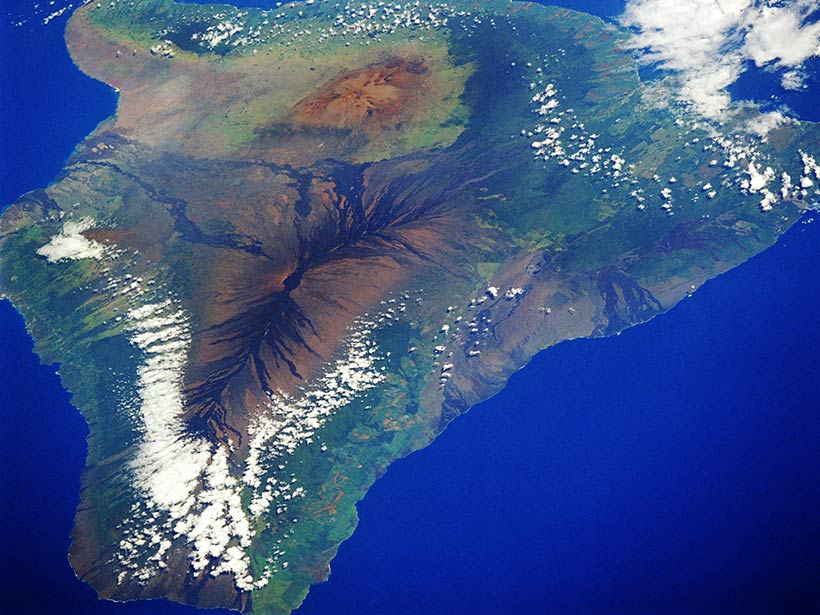
A Hole in Earth’s Surface
Research shows that a broken lithosphere underneath the island of Hawai'i could explain the island's patterns of seismic activity.
Posted inResearch Spotlights
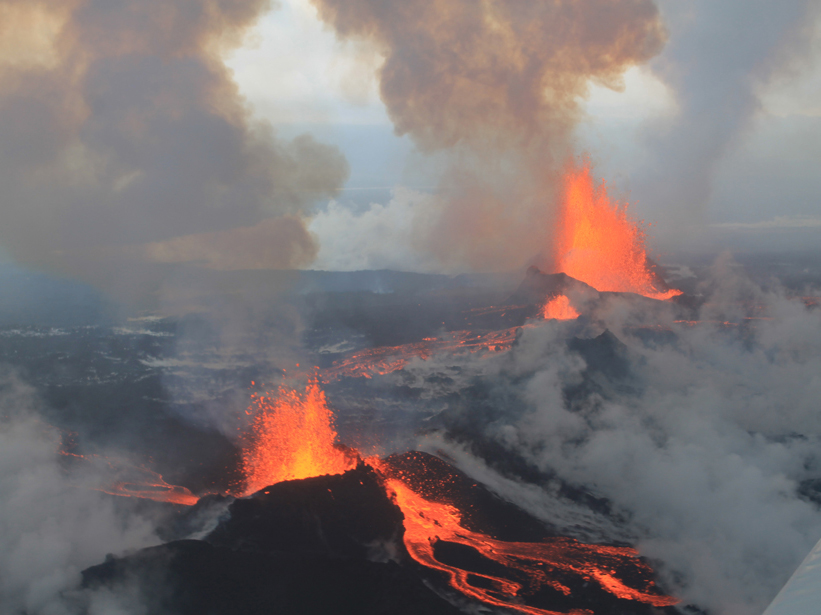
Icelandic Eruption Caused Record-Breaking Sulfur Dioxide Release

Satellite and ground-based data reveal sulfur dioxide flux, trace element release, and preeruption magma movement.
Posted inResearch Spotlights
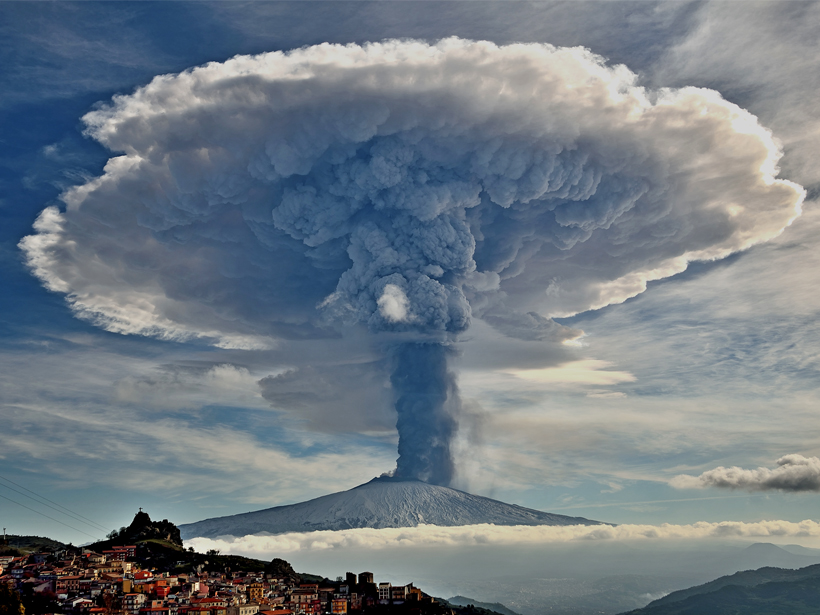
Can We Predict How Volcanic Ash Disperses After an Eruption?
Researchers investigate what factors influence how particles from a plume spread following a volcanic eruption.

Posted inResearch Spotlights
Can Meteorite Impacts Disturb a Planet's Magnetic Field?

Such disturbances probably do not occur on our own planet, but evidence for them might still exist elsewhere in the solar system.

Posted inResearch Spotlights
Massive Carbon Dioxide Stores Beneath Mammoth Mountain
Gas in rocky pores beneath the surface of California's Mammoth Mountain could fuel dangerous carbon dioxide emissions for the next 28 to 1100 years.
Posted inResearch Spotlights
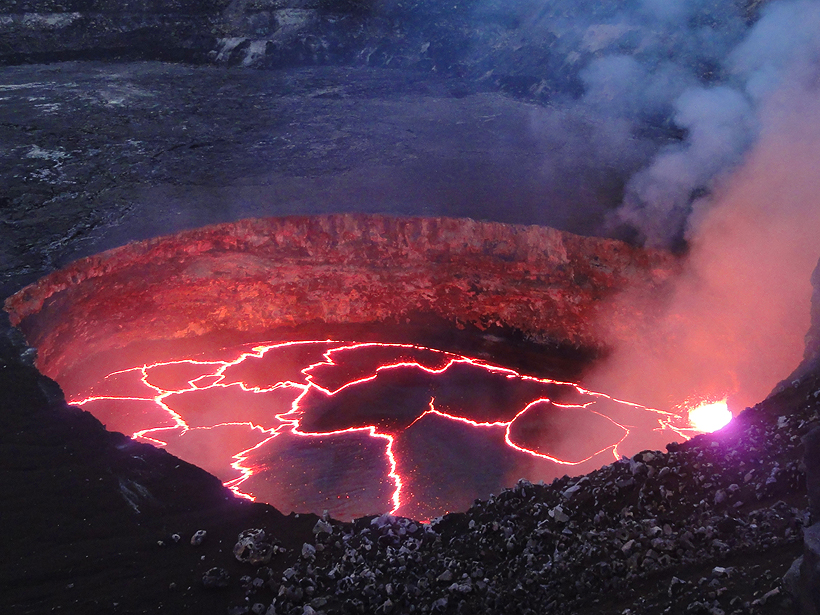
Hawaii’s Swelling Lava Lake Charts a Volcano’s Hidden Plumbing
Geophysicists used unique seismic signatures to track the cyclic rise and fall of lava inside Hawai'i Volcanoes National Park's Overlook crater.

Posted inResearch Spotlights
Aftershocks of Old Quakes Still Shake New Madrid Seismic Zone

Geodetic data show that earthquakes in 1450 and 1811–1812 may be responsible for present-day seismic activity in the region.
Posted inResearch Spotlights
Wharton Basin Earthquakes: Evidence for a New Plate Boundary?

The largest ever strike-slip earthquake may have occurred on a newly developing boundary between the Indian and Australian plates.
Posted inResearch Spotlights
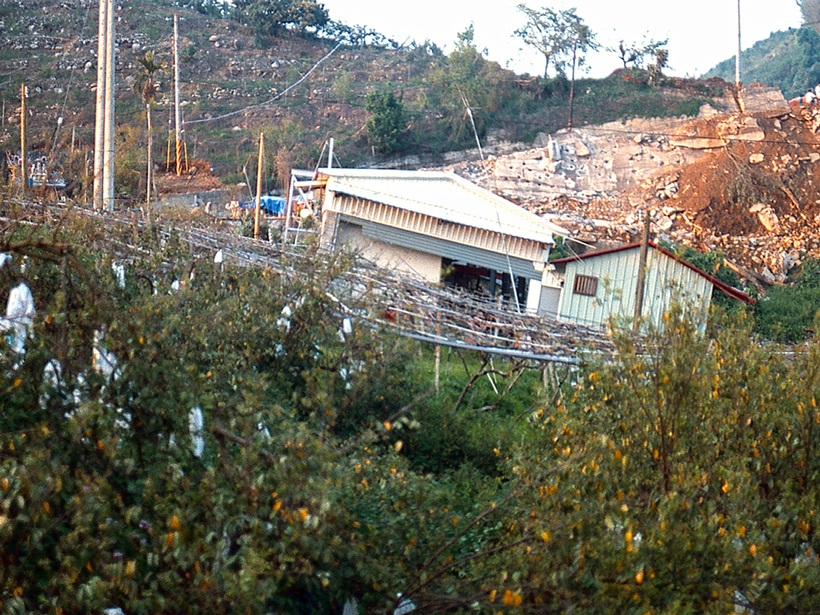
Surface Folds Hint at Magnitude of Slip Along Thrust Faults
The shape of deformed sediments at the surface may allow researchers to estimate the cumulative slip along thrust faults such as the Chelungpu fault in Taiwan.