

The Landslide Blog is written by Dave Petley, who is widely recognized as a world leader in the study and management of landslides. New Zealand is a country with a severe level of landslide hazard, resulting from a combination of the tectonic setting, the geology, the climate and the impact of human activities. It is […]
landslides

Posted inThe Landslide Blog
A transnational, valley-blocking landslide in Africa
The Landslide Blog is written by Dave Petley, who is widely recognized as a world leader in the study and management of landslides. On 23 February 2024, a large valley-blocking landslide was triggered by heavy rainfall in the Ruzizi Valley, to the south of the city of Bukavu, which is in the Democratic Republic of […]
Posted inThe Landslide Blog
Recent fatal landslides in Papua New Guinea
The Landslide Blog is written by Dave Petley, who is widely recognized as a world leader in the study and management of landslides. Landslides are a significant hazard in Papua New Guinea, resulting from the combination of the tropical climate; a deeply weathered, hilly landscape; seismic activity and human disturbance. However, the country remains comparatively […]

Posted inThe Landslide Blog
The 13 March 2023 Sherman Oaks landslide in Los Angeles
The Landslide Blog is written by Dave Petley, who is widely recognized as a world leader in the study and management of landslides. On 13 March 2023, an unusual and interesting landslide occurred in the Sherman Oaks suburb of Los Angeles in California, damaging or destroying at least three houses. The Los Angeles Fire Department […]
Posted inThe Landslide Blog
New insights into the ongoing landslide at St Lawrence on the Isle of Wight
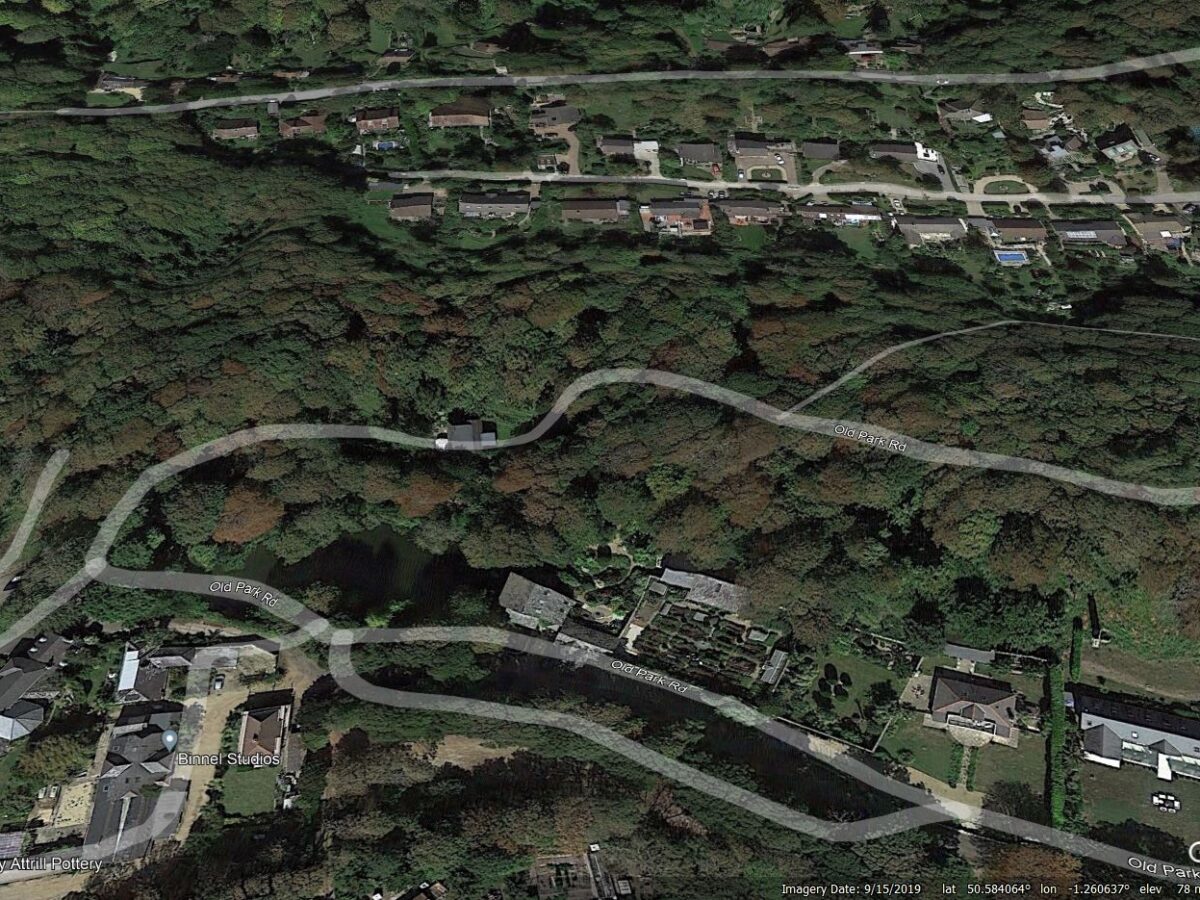
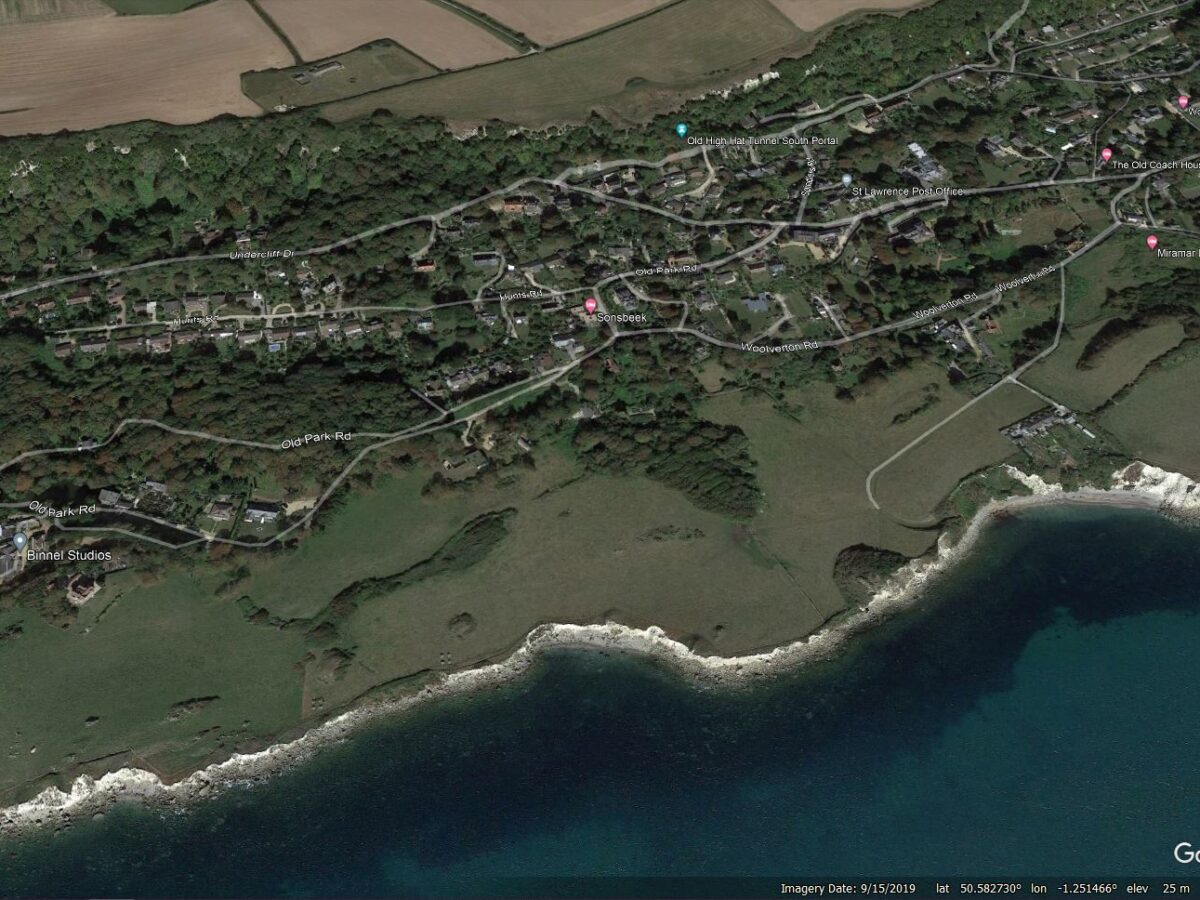
The Landslide Blog is written by Dave Petley, who is widely recognized as a world leader in the study and management of landslides. The extraordinary spell of wet weather continues to have a major impact across the United Kingdom, with landslides occurring in many places. The rail network is being significantly disrupted by earthworks failures, […]
Posted inThe Landslide Blog
Fatal landslides in 2024 to date
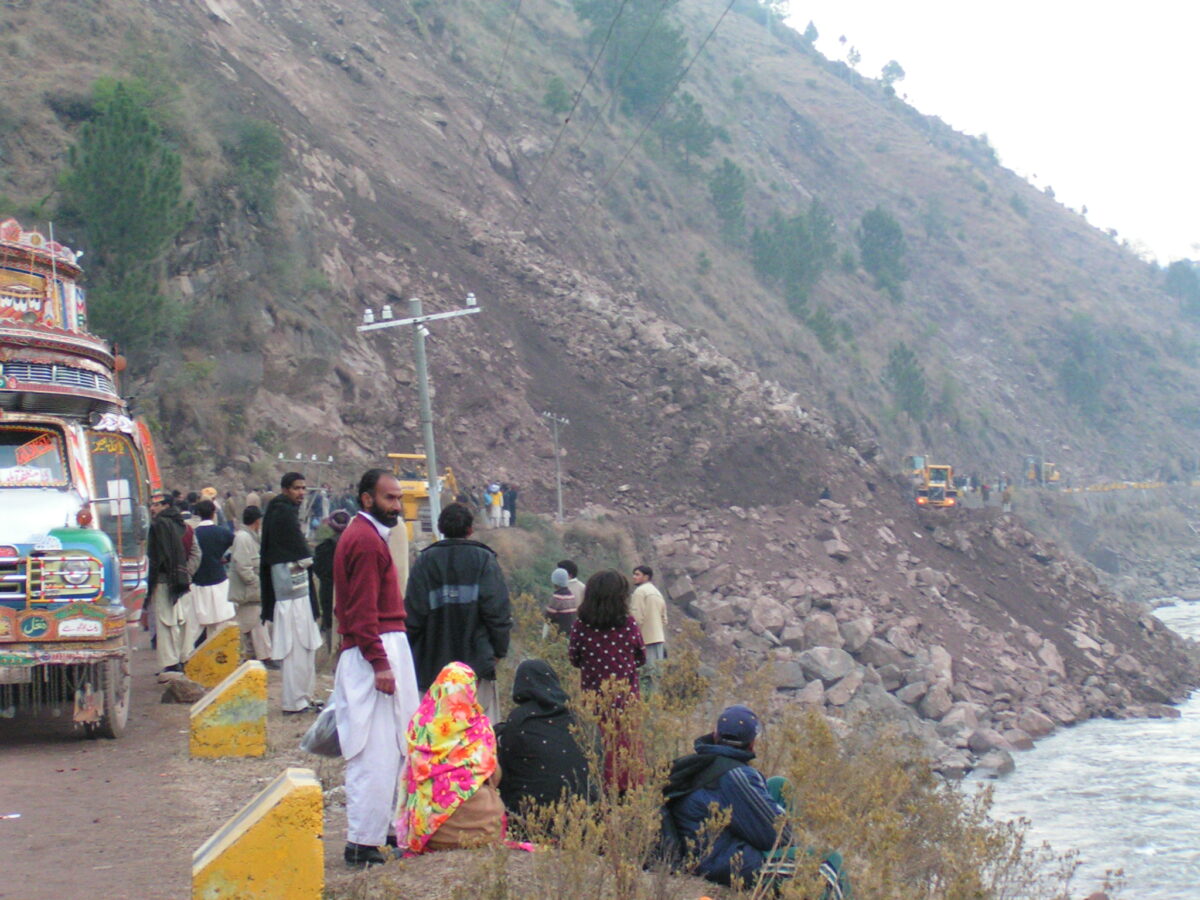
The Landslide Blog is written by Dave Petley, who is widely recognized as a world leader in the study and management of landslides. I have been looking at my data for fatal landslides in 2024, a resumption of work that I have been doing for many years but that fell into abeyance for a while […]
Posted inThe Landslide Blog
Another landslide in the Undercliff, Isle of Wight
The Landslide Blog is written by Dave Petley, who is widely recognized as a world leader in the study and management of landslides. Over the weekend just past, another substantial area of movement has developed in the Undercliff area of the Isle of Wight in southern England. I have featured landslides in the Undercliff before […]

Posted inThe Landslide Blog
An update on the 13 February 2024 landslide at Çöpler Mine in Turkey
The Landslide Blog is written by Dave Petley, who is widely recognized as a world leader in the study and management of landslides. The news cycle has mostly moved on from the 13 February 2024 landslide at Çöpler Mine in Turkey, but after a few weeks it is interesting to take stock of the situation, […]

Posted inThe Landslide Blog
Rockfalls as a hazard to mountaineers in high mountain areas
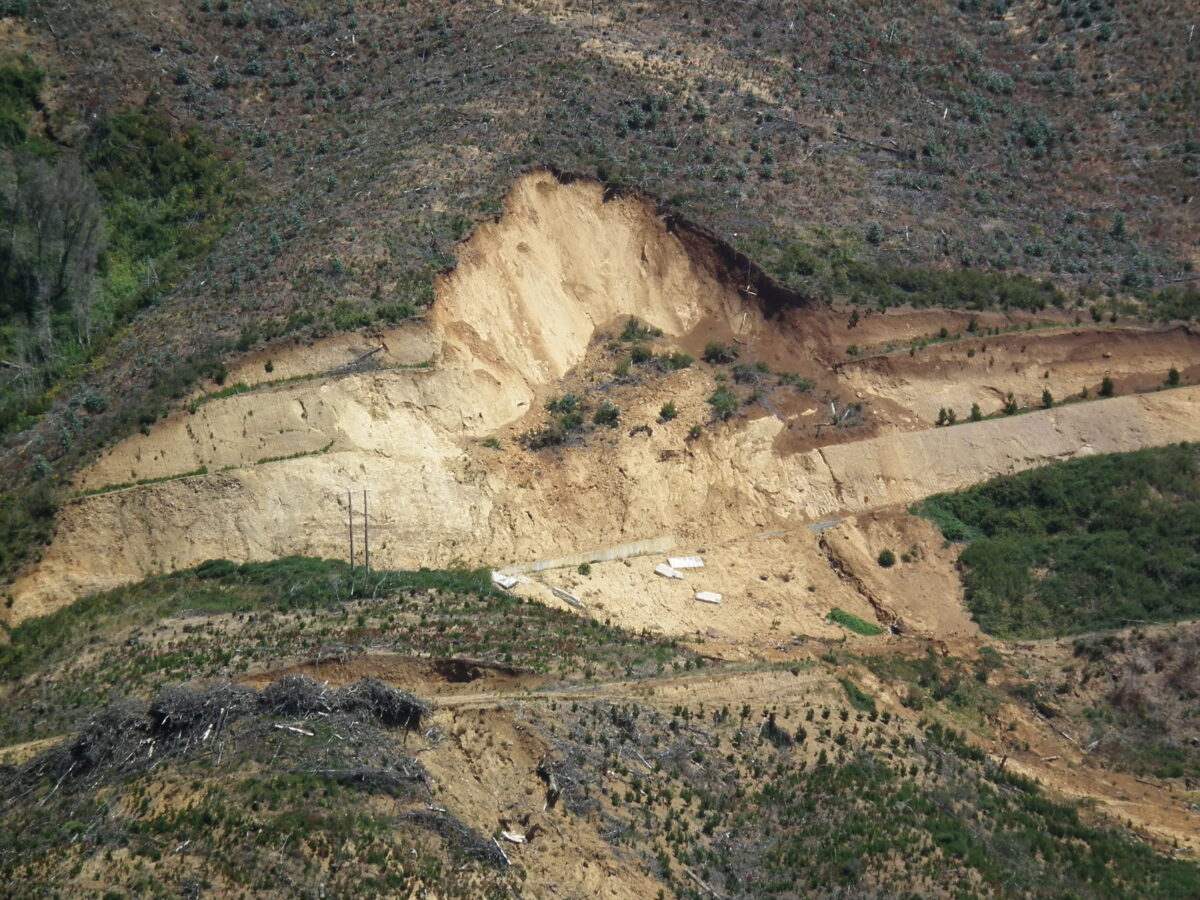
The Landslide Blog is written by Dave Petley, who is widely recognized as a world leader in the study and management of landslides. Rockfalls are a key risk to climbers in high mountains, potentially causing injury or even loss of life. We regularly record such events in our fatal landslide research, although I have always […]
Posted inThe Landslide Blog
Understanding fatal landslides at global scales
The Landslide Blog is written by Dave Petley, who is widely recognized as a world leader in the study and management of landslides. Over a long period of time, I collected data on landslides that kill people around the world – work that started on a whim but became very interesting. My two most cited […]