
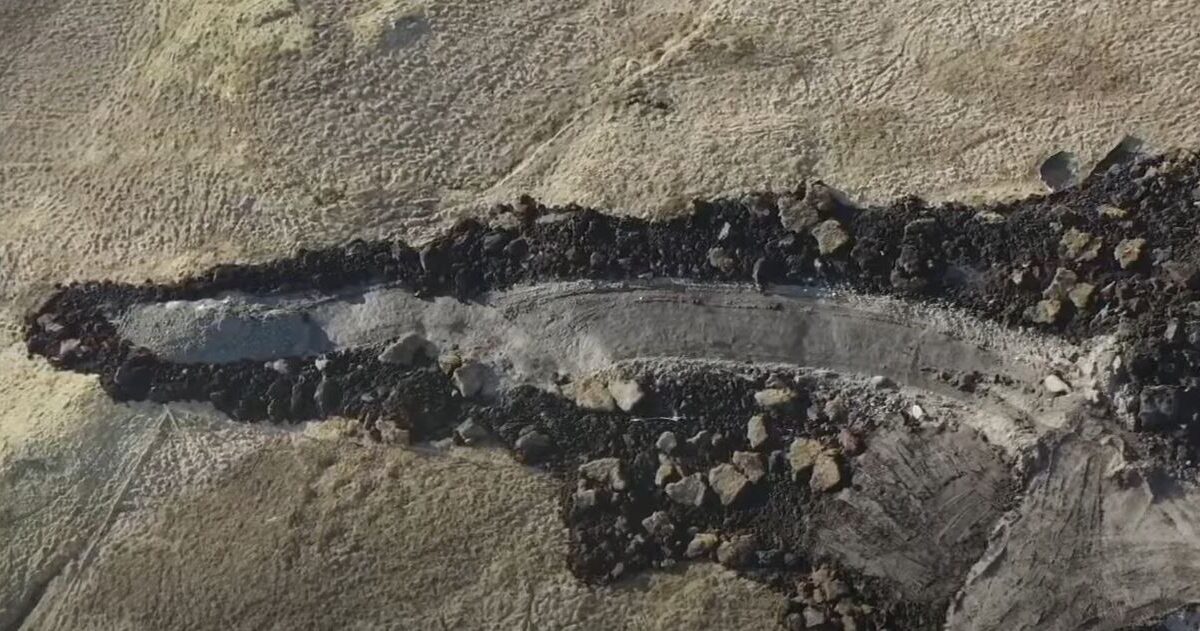
The Landslide Blog is written by Dave Petley, who is widely recognized as a world leader in the study and management of landslides. On 7 May 2024 a peat landslide occurred in Shetland, northern Scotland at the site of the under construction Viking Energy wind farm site. The landslide was captured on a video that […]
landslides
Posted inThe Landslide Blog
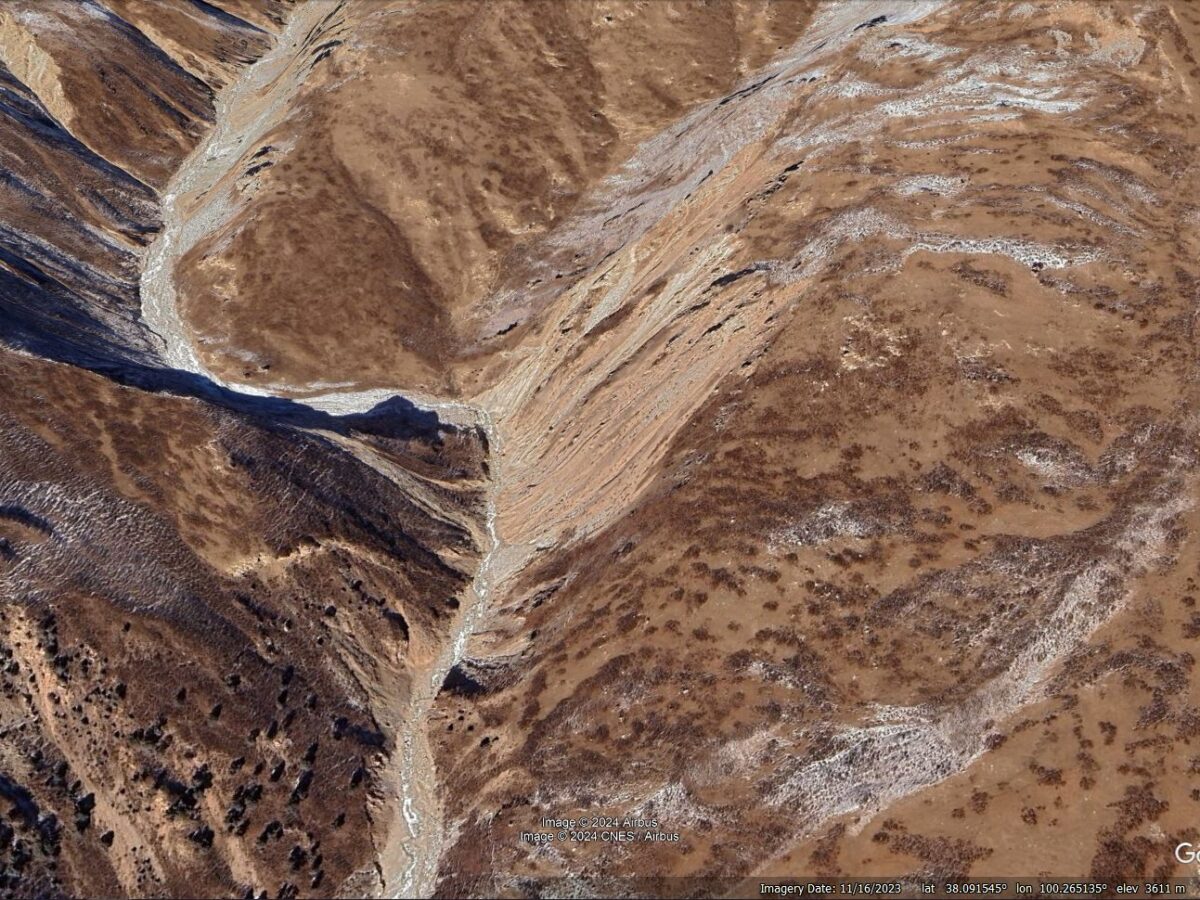
The 22 July 2021 Xiao Dongsuo debris flow on the Tibetan Plateau
The Landslide Blog is written by Dave Petley, who is widely recognized as a world leader in the study and management of landslides. Debris flows in arid and semi-arid areas are less common than in more humid environments, but they can have devastating consequences. There has been considerably less research into these processes than might […]

Posted inThe Landslide Blog
Landslides in Art Part 35 – Landslide in Front of the Hodogaya Tunnel on the Tōkaidō (1924) by Oda Kanchō
The Landslide Blog is written by Dave Petley, who is widely recognized as a world leader in the study and management of landslides. It is over three years since I last posted in my series on Landslides in Art – an unintended gap. For those who are interested, previous editions can be found on the […]
Posted inThe Landslide Blog
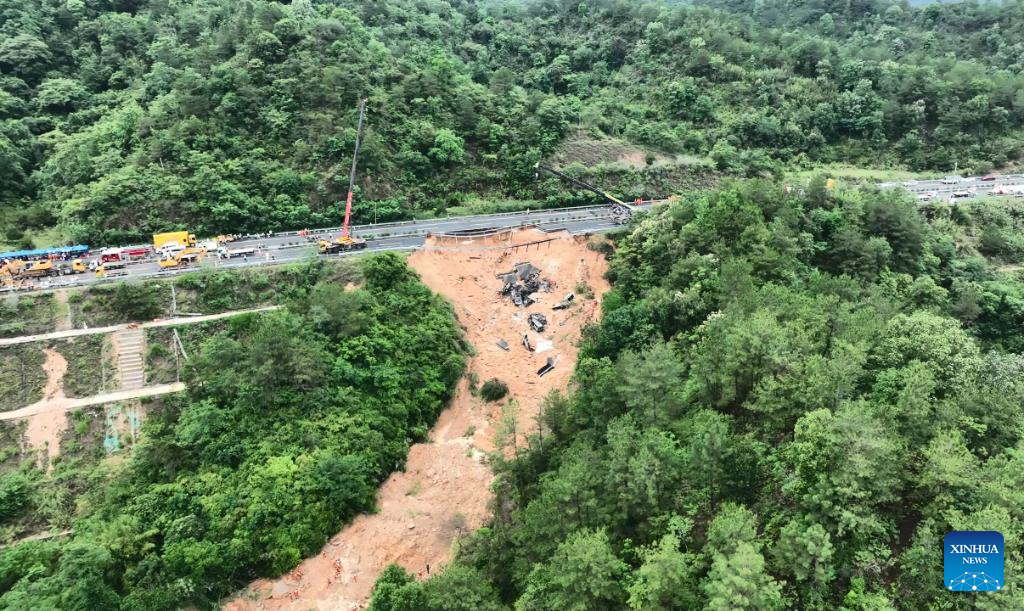
The 1 May 2024 Meilong Expressway landslide in China
36 people were killed when a fill slope failed at 2:10 am, leaving cars to plunge into the landslide scar. The Landslide Blog is written by Dave Petley, who is widely recognized as a world leader in the study and management of landslides. Those readers who follow me on Twitter (@davepetley) will have seen posts […]

Posted inThe Landslide Blog
The Mai Mahiu landslide disaster in Kenya
The Landslide Blog is written by Dave Petley, who is widely recognized as a world leader in the study and management of landslides. On 29 April 2024, a devastating debris flow swept through Mai Mahui in Kenya. The latest reports indicate that 48 people were killed and 84 people are missing. The disaster was triggered […]

Posted inThe Landslide Blog
Landslides from the record-breaking 2023 storms in Auckland, New Zealand
The Landslide Blog is written by Dave Petley, who is widely recognized as a world leader in the study and management of landslides. In January and February 2023, the largest city in New Zealand, Auckland, and its surrounding area was affected by two extraordinary rainfall events, triggering many thousands of landslides. In an open access […]
Posted inThe Landslide Blog
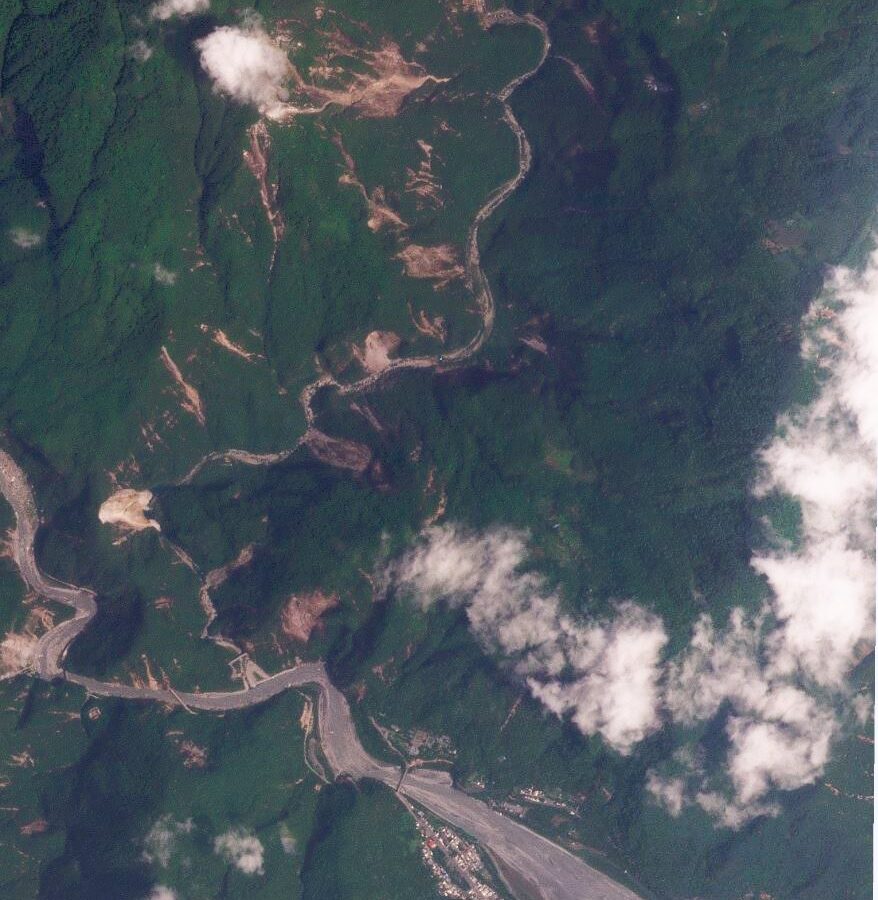
Landslides on the Shakadang Trail, Taroko, Taiwan
The Landslide Blog is written by Dave Petley, who is widely recognized as a world leader in the study and management of landslides. It is unsurprising that the news cycle has mostly moved on from the 3 April 2024 Hualien earthquake in Taiwan. On the ground, activity continues to deal with the aftermath of the […]

Posted inEditors' Vox
Foundations in Hazards and Disasters for Undergraduate Students
A new textbook for undergraduates explores different types of natural hazards and disasters through foundational scientific knowledge, engaging case studies, and mitigation strategies.

Posted inResearch Spotlights
A Million Years Without a Megaslide
A new study goes deep into the Gulf of Alaska to examine the sixth-largest underwater landslide and investigate why a similar event hasn’t happened since.

Posted inThe Landslide Blog
Webcam images of the 14 April 2024 Piz Scerscen rock avalanche
The Landslide Blog is written by Dave Petley, who is widely recognized as a world leader in the study and management of landslides. Silvan Leinss from Gamma Remote Sensing has very kindly captured and downloaded webcam images from the Corvatsch skiing station on the day of the Piz Scerscen rock avalanche. The camera was pointed […]