
W. James “Jim” Shuttleworth was awarded the 2014 Robert E. Horton Medal at the AGU Fall Meeting Honors Ceremony, held on 17 December 2014 in San Francisco, Calif. The medal is for “outstanding contributions to hydrology.”
Modeling
Posted inAGU News
Gary A. Glatzmaier Receives 2014 John Adam Fleming Medal
Gary A. Glatzmaier was awarded the 2014 John Adam Fleming Medal at the AGU Fall Meeting Honors Ceremony, held on 17 December 2014 in San Francisco, Calif. The medal is for “original research and technical leadership in geomagnetism, atmospheric electricity, aeronomy, space physics, and related sciences.”
Posted inNews
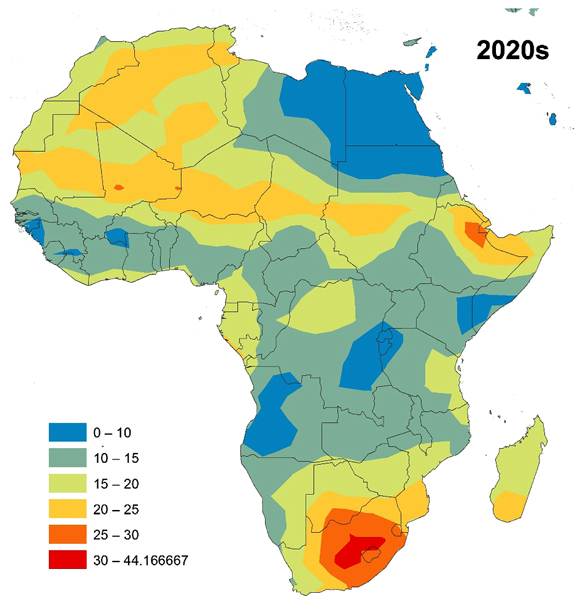
Climate Change Predicted to Worsen Spread of Cholera

Coupling satellite data with climate models, scientists are beginning to understand how warming temperatures and increased precipitation will affect cholera outbreaks.
Posted inResearch Spotlights
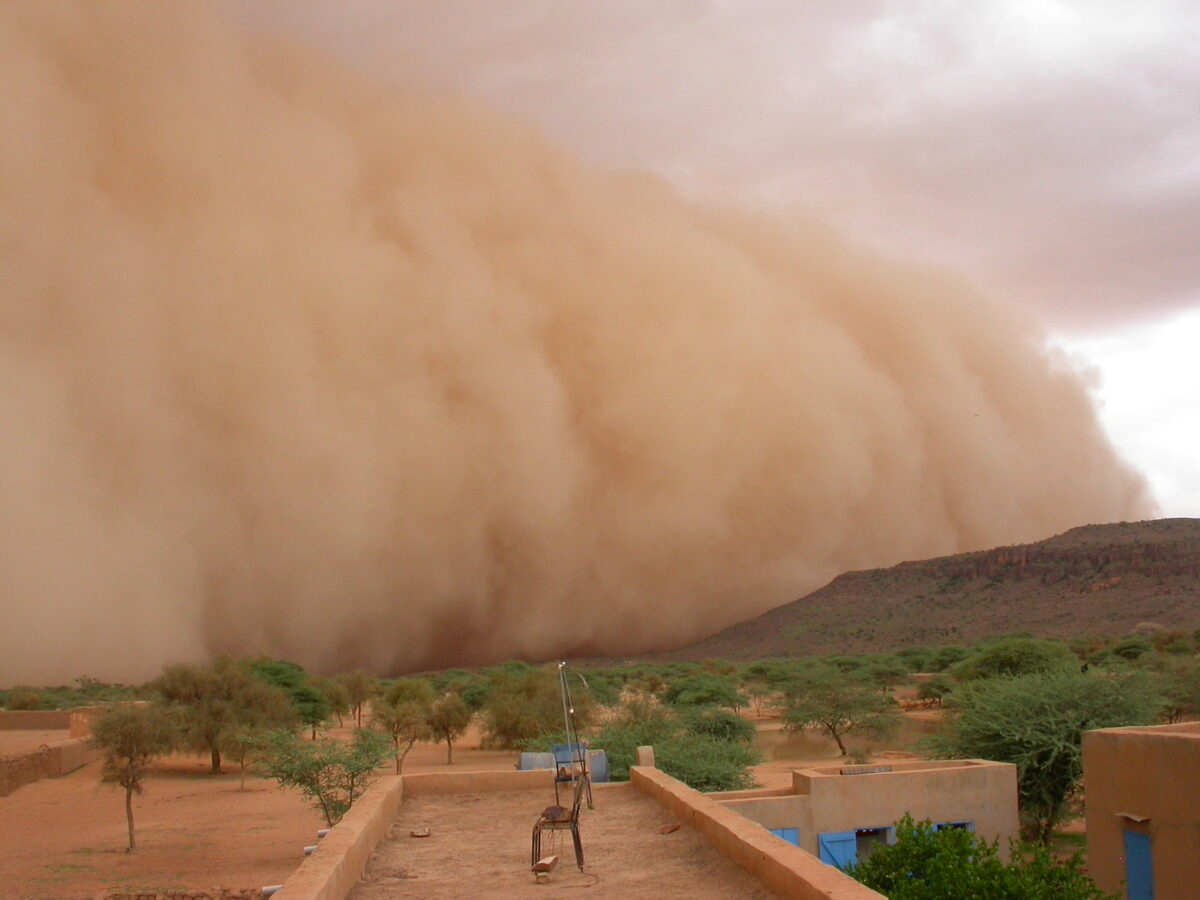
Comparing Models for Soil Erosion Due to Wind
Researchers investigate the impact of vegetation on erosion.

Posted inResearch Spotlights
Human Actions Affect Greenland Ice Sheet Surface Mass Balance
Scientists address human-driven trends in the Greenland Ice Sheet surface mass balance.
Posted inResearch Spotlights
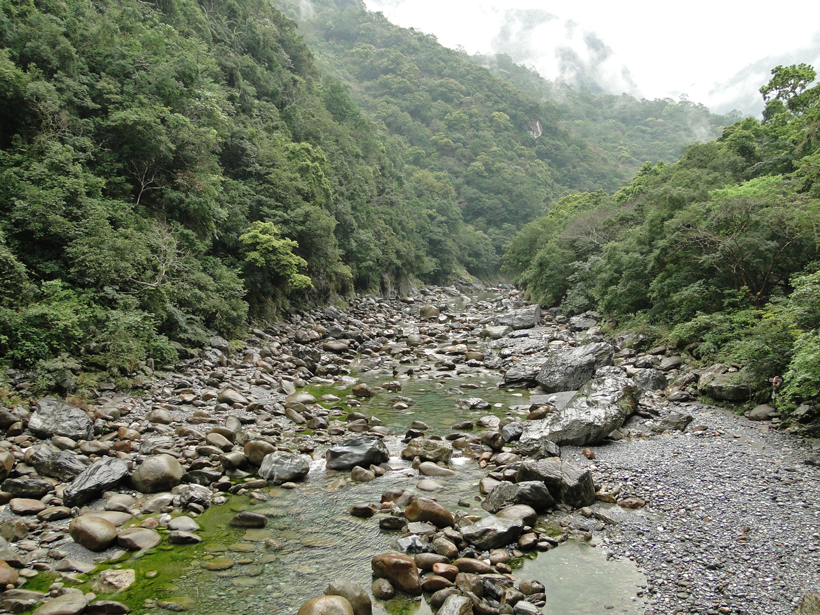
Using Rivers to Investigate Rock Uplift in Taiwan
Researchers use change of slope in a dense river network to investigate rock uplift rates of Taiwan.
Posted inResearch Spotlights
Mantle Below North American Plate Newly Modeled
Data from seismometers spread out across the United States give new clues to the location of structures in the underlying mantle.

Posted inResearch Spotlights
Improving Hydrology Models for a Changing Climate
How can scientists make a hydrology model that can predict water flow in an uncertain future climate?
Posted inScience Updates
Developing Climate Model Comparisons
Experimental Design for CMIP6: Aerosols, Land Use, and Future Scenarios;
Aspen, Colorado, 4–8 August 2014
Posted inResearch Spotlights
River Slope Connects Modern Topography with Ancient Tectonics
Scientists create models to help them figure out how the slope of a river can record ancient tectonic activity.