• About
  • Special Reports
  • Topics
    • Climate
    • Earth Science
    • Oceans
    • Space & Planets
    • Health & Ecosystems
    • Culture & Policy
    • Education & Careers
    • Opinions
  • Projects
    • Postcards From the Field
    • ENGAGE
    • Editors’ Highlights
    • Editors’ Vox
    • Eos en Español
    • Eos 简体中文版
    • Print Archive: 2015–2025
  • Policy Tracker
  • Blogs
    • Research & Developments
    • The Landslide Blog
  • Newsletter
  • Submit to Eos
  • AGU.org
  • Career Center
  • Join AGU
  • Give to AGU
  • About
  • Special Reports
  • Topics
    • Climate
    • Earth Science
    • Oceans
    • Space & Planets
    • Health & Ecosystems
    • Culture & Policy
    • Education & Careers
    • Opinions
  • Projects
    • Postcards From the Field
    • ENGAGE
    • Editors’ Highlights
    • Editors’ Vox
    • Eos en Español
    • Eos 简体中文版
    • Print Archive: 2015–2025
  • Policy Tracker
  • Blogs
    • Research & Developments
    • The Landslide Blog
  • Newsletter
  • Submit to Eos
Skip to content
  • AGU.org
  • Career Center
  • Join AGU
  • Give to AGU
Eos

Eos

Science News by AGU

Support Eos
Sign Up for Newsletter
  • About
  • Special Reports
  • Topics
    • Climate
    • Earth Science
    • Oceans
    • Space & Planets
    • Health & Ecosystems
    • Culture & Policy
    • Education & Careers
    • Opinions
  • Projects
    • Postcards From the Field
    • ENGAGE
    • Editors’ Highlights
    • Editors’ Vox
    • Eos en Español
    • Eos 简体中文版
    • Print Archive: 2015–2025
  • Policy Tracker
  • Blogs
    • Research & Developments
    • The Landslide Blog
  • Newsletter
  • Submit to Eos

Modeling

Posted inResearch Spotlights

Surface Folds Hint at Magnitude of Slip Along Thrust Faults

by J. Rosen 1 May 201525 August 2022

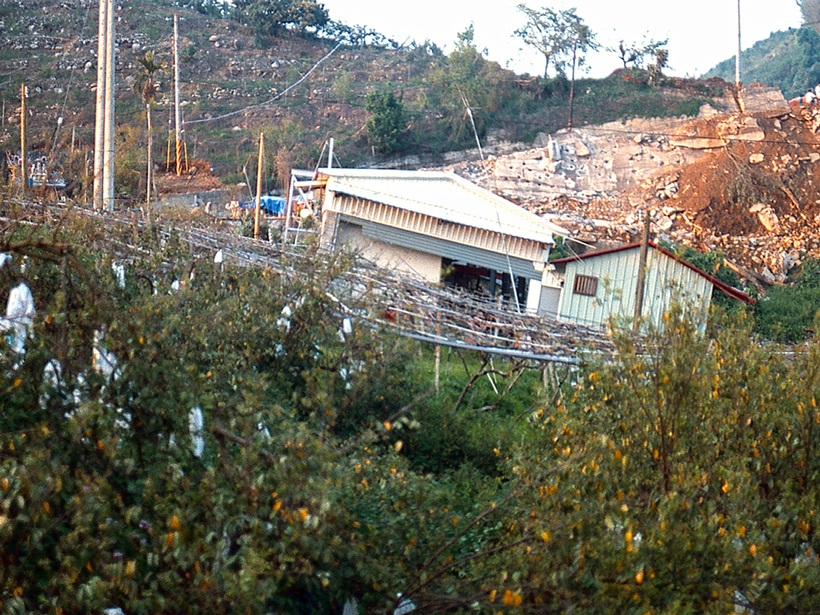
The shape of deformed sediments at the surface may allow researchers to estimate the cumulative slip along thrust faults such as the Chelungpu fault in Taiwan.

Posted inResearch Spotlights

Conquering Uncertainties in Tropical Climate Forecasts

by E. Betz 17 April 20157 July 2025

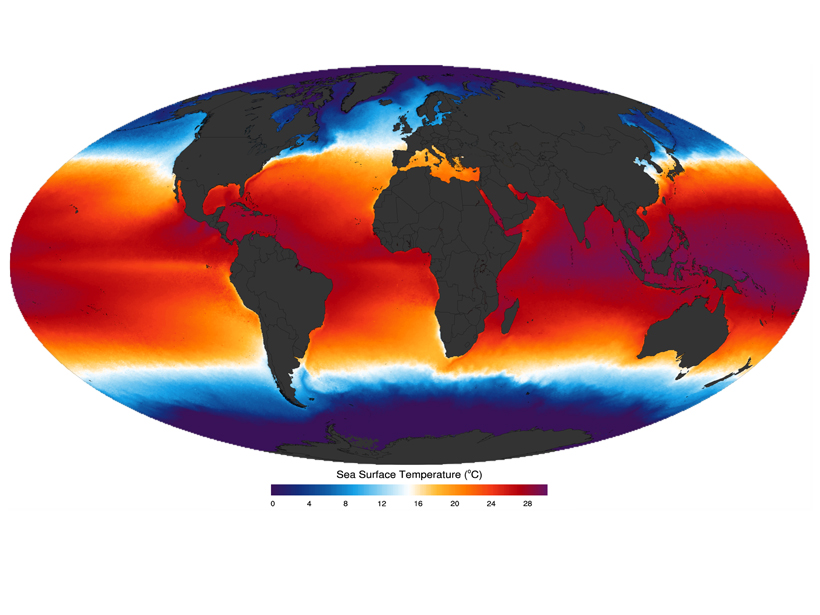
The key to better predictions of atmospheric temperature trends in the tropics may lie in more accurate measurements of sea surface temperatures.
Posted inResearch Spotlights

Researchers Roll Clouds into Climate Modeling

by E. Betz 2 April 201525 February 2022

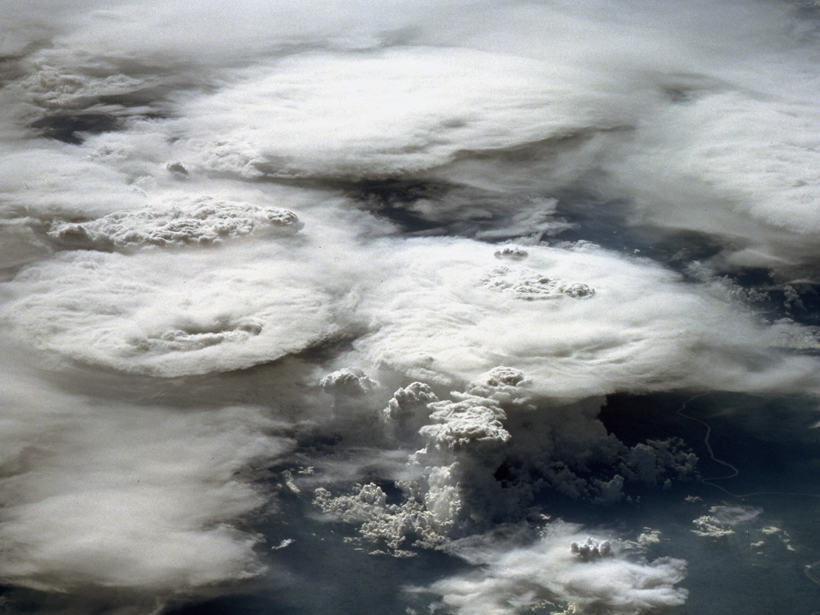
As computational power grows thanks to improving techniques and technology, scientists are working toward incorporating complex systems such as clouds into global and regional climate models.

Posted inResearch Spotlights

Aquifers Spew More Pollution into Oceans Than Rivers

by N. Akpan 31 March 201527 September 2022

A new model makes a direct estimate of contaminants in submarine groundwater discharge.

Posted inScience Updates

Exploring Natural Hazard Policies with Bike Helmets and Bus Fares

by S. Stein, J. Kley, D. Hindle and A. Friedrich 31 March 20157 January 2022

A close look at everyday decisions—whether or not to wear a bike helmet or cheat on bus fare—helps students learn about assessing natural hazards, mitigating risks, and setting political priorities.
Posted inResearch Spotlights

Overriding Plate's Properties Affect Subduction

by C. Schultz 26 March 201530 September 2021

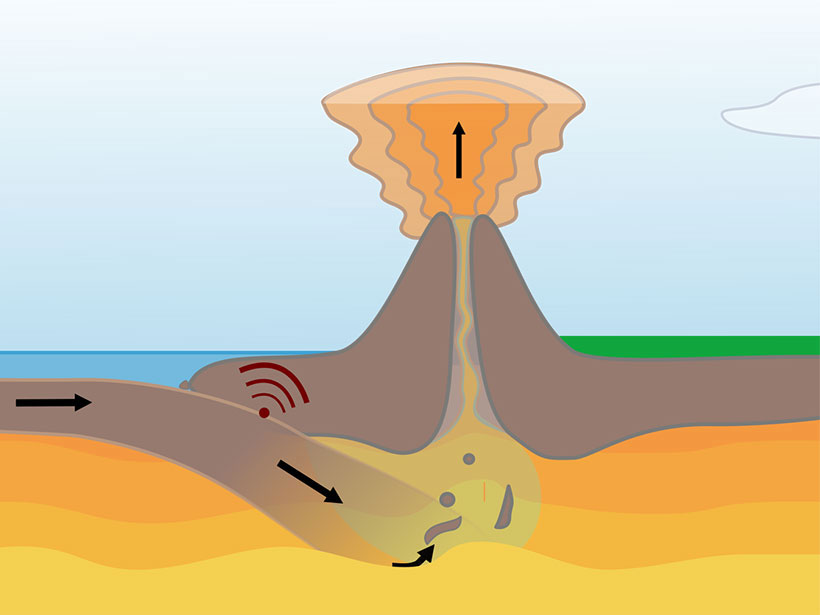
The properties of the plate that does not sink may strongly control subduction zone dynamics.
Posted inResearch Spotlights

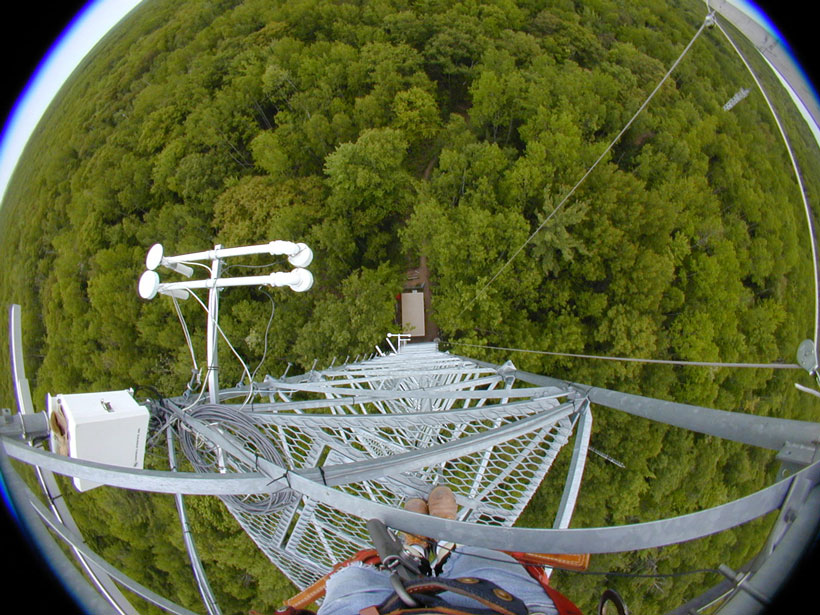
As Forests Age, Their Climate Effects Shift

by David Shultz 23 March 20159 March 2023

The amount of moisture transpired from leaves increases for some tree species but drops on average.

Posted inScience Updates

Observing and Modeling the Atlantic Meridional Overturning Circulation

by L. Thompson, G. Danabasoglu and M. Patterson 19 March 20152 July 2024

2014 U.S. AMOC Science Team Meeting;
Seattle, Washington, 9–11 September 2014

Posted inResearch Spotlights

Seismic Stress Modeling Puts Istanbul in the Crosshairs

by C. Schultz 3 March 201518 April 2022

Twenty years of ground motion observations show that seismic strain is accumulating south of Istanbul.
Posted inResearch Spotlights

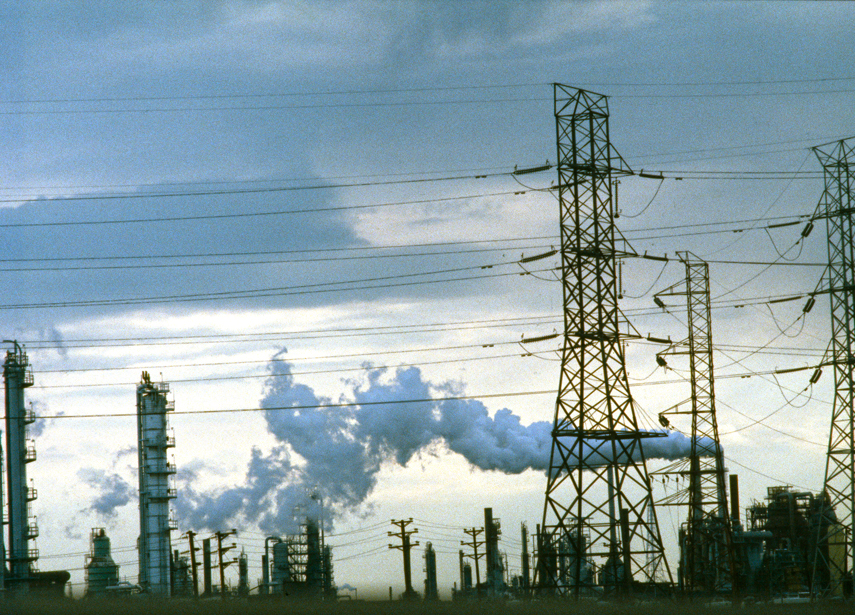
Changing Patterns in U.S. Air Quality

by C. Schultz 18 February 201513 February 2023

Over the northeast United States, ground-level ozone will peak in the winter rather than the summer thanks to continued reductions of regional nitrogen oxide emissions from smokestacks and tailpipes.

Posts pagination

Newer posts 1 … 115 116 117 118 119 … 121 Older posts
Over a dark blue-green square appear the words Special Report: The State of the Science 1 Year On.

Features from AGU Publications

Research Spotlights

The Ambiguous Costs of Climate Change

16 October 202616 October 2026
Editors' Highlights

Melting Permafrost Impacts Arctic Rivers in Vulnerable Regions

15 October 202615 October 2026
Editors' Vox

Where Fire Ends, Chemistry Begins

30 September 202630 September 2026
Eos logo at left; AGU logo at right

About Eos
ENGAGE
Awards
Contact

Advertise
Submit
Career Center
Sitemap

© 2026 American Geophysical Union. All rights reserved Powered by Newspack